
Selecting the right kabinet organizer storage system depends entirely on the specific physical characteristics of your dishware, as a single universal rack rarely accommodates everything safely. Heavy ceramic plates require stable, weight-bearing vertical cradles or tiered wire racks, while delicate glassware and stemware demand protective, non-abrasive dividers and suspended under-shelf hangers. By matching your organizer types to the weight, fragility, and shape of your items, you can maximize the storage capacity of your buffet cabinet while preventing chips, cracks, and accidental drops.
In the Philippines, dining rooms often host cherished dinnerware sets alongside everyday glasses, all of which must be protected from tropical humidity, dust, and frequent handling. A well-planned cabinet layout not only keeps these items pristine but also streamlines table setting for family gatherings. Achieving this balance requires a systematic approach that begins with a clear understanding of your cabinet’s physical dimensions and your actual storage needs.
Assessing Your Buffet Cabinet and Item Inventory
Before purchasing any kabinet organizer storage inserts, gather precise measurements of your cabinet’s interior. Use a metal tape measure to record the exact width, depth, and height of each shelf compartment. Do not rely on external cabinet dimensions, as thick wooden frames and back panels can significantly reduce the actual usable space inside. If your cabinet features adjustable shelves, note the spacing options and determine if moving a shelf up or down could easily resolve a height bottleneck for taller items.
Products mentioned in this guide
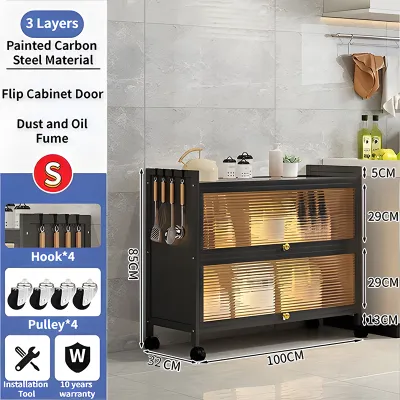
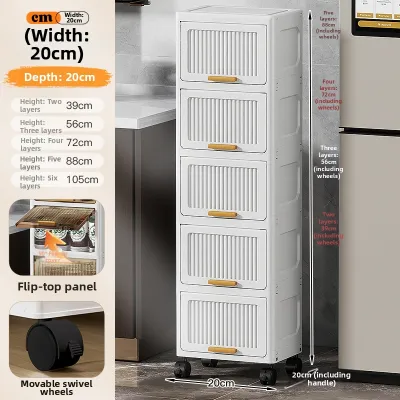
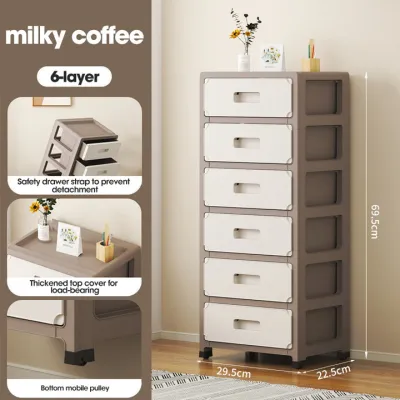
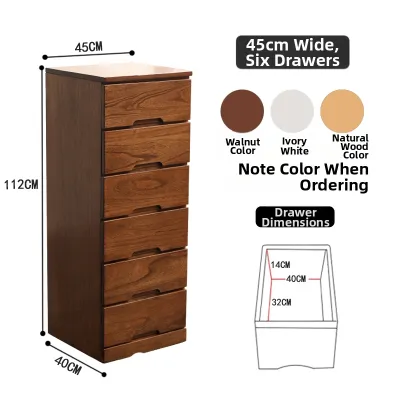
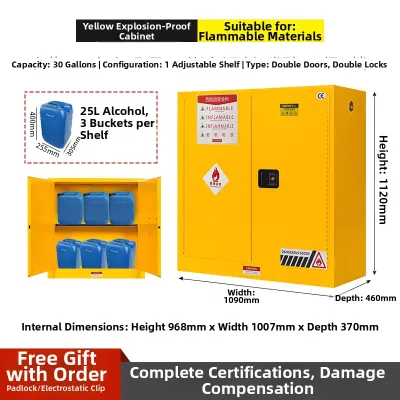
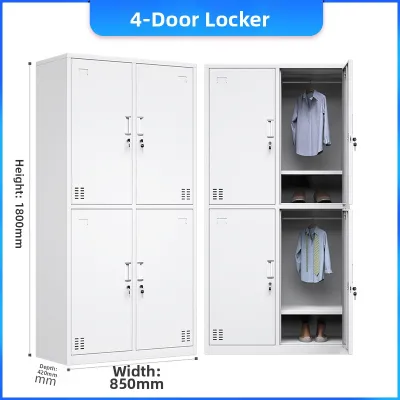
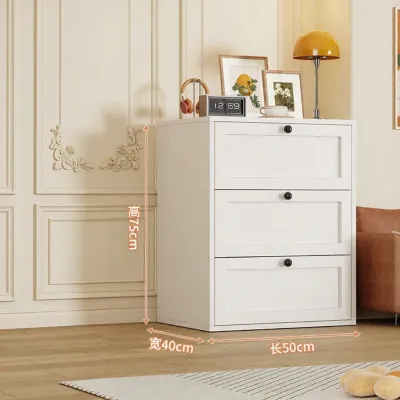
Prices are valid at publication and may change. Please refer to the product page for the latest price.
Next, examine the cabinet doors and opening mechanisms. Standard swing doors with European-style concealed hinges often protrude into the cabinet opening when fully open, which can obstruct wide pull-out baskets or sliding trays. Measure the clear opening width—the distance between the inner edge of the open door or hinge and the opposite frame—to ensure any sliding organizer can glide out smoothly without scraping.
Once you have mapped the physical space, conduct a thorough inventory of the items you plan to store. Group your dishware into distinct categories based on weight, fragility, and how often you use them. Heavy stoneware plates, large ceramic serving platters, and everyday drinking glasses should be prioritized for easy access on lower shelves. Heirloom porcelain, delicate crystal stemware, and seasonal serveware can be allocated to higher shelves or less accessible corners, keeping them safe from daily wear and tear.
Matching Organizer Types to Specific Dishware
Creating a highly functional buffet cabinet requires a thoughtful zoning strategy. Instead of treating the entire cabinet as a single storage zone, divide the space into dedicated areas tailored to the specific physical needs of plates, glassware, and irregular serveware. This targeted approach ensures that heavy items never compromise the safety of fragile pieces and that every item has a secure, designated home.

Storing Plates and Heavy Serveware
Heavy dinner plates and substantial serving platters require robust, weight-bearing organizers that prevent shifting and minimize lifting strain. Traditional horizontal stacking often leads to damage, as retrieving a bottom plate requires lifting a heavy stack, increasing the risk of drops and chips. Vertical plate dividers or cradles are an excellent alternative, allowing you to store plates on their edges like books on a shelf. This setup lets you slide individual plates out easily without disturbing the rest of the collection.
If you prefer horizontal stacking to maximize vertical space, opt for heavy-duty tiered wire or solid plastic racks. Before buying, always check the manufacturer’s specified weight limits to ensure the rack can support your heavy stoneware or ceramic plates without bowing. Look for organizers equipped with non-slip rubber feet or padded bases; these features prevent the rack from sliding on smooth wooden shelves when you retrieve a plate, protecting both your cabinet finish and your dishes.
Vertical clearance is another critical factor when planning plate storage. Measure the height of your stacked dinner plates, including the height of the tiered rack itself, to ensure they clear the shelf above with room to spare. For oversized serving platters that do not fit standard cabinet depths, consider storing them vertically along the back or side walls of the cabinet using adjustable tension rods or specialized platter slots, keeping them upright and secure.
Organizing Glasses and Fragile Stemware
Glassware and delicate stemware require specialized storage solutions that prevent tipping, clinking, and chipping. Because glass is highly susceptible to impact damage, storing tumblers and wine glasses loose on a shelf often leads to hairline fractures. Under-shelf stemware racks are a highly efficient solution for wine glasses, utilizing the empty vertical space at the top of a shelf compartment. These racks allow you to slide glasses in by their bases, keeping them suspended, separated, and protected from dust.
For standard drinking glasses and tumblers, shallow acrylic or wire risers can double your storage capacity without requiring you to stack glasses directly on top of one another. Direct glass-on-glass stacking can trap moisture in humid tropical climates, leading to cloudiness, and can cause the rims to chip. When selecting risers or dividers, verify that the edges are completely smooth and non-abrasive to prevent scratching the glass surfaces.
Keep your glassware zone physically separated from heavy ceramic plates and bulky serveware. Placing fragile items on their own dedicated shelf or behind a specific cabinet door minimizes the risk of accidental collisions when family members reach for heavy platters. If your cabinet is prone to slight vibrations from nearby foot traffic, consider lining the shelves with high-grip, non-adhesive drawer liners to keep glasses firmly in place.
Arranging Serving Bowls and Irregular Serveware
Bulky serving bowls, tureen dishes, and irregular serveware present a unique organizational challenge due to their varied shapes and sizes. Simply nesting these items inside one another can scratch delicate glazes and put excessive pressure on the bottom pieces, potentially causing structural cracks over time. To prevent this, place soft felt separators or silicone liners between nested bowls to cushion the contact points and distribute weight evenly.
For smaller irregular items like gravy boats, ramekins, and small dipping bowls, modular plastic baskets or stackable bins are highly effective. These containers group small items together, preventing them from getting lost in the deep recesses of your cabinet. Grouping items with similar shapes and profiles together on the shelf maximizes footprint efficiency and makes the cabinet look visually organized.
Avoid the temptation to over-nest heavy ceramic or cast-iron serving pieces. Limit stacks of heavy bowls to no more than three items, and store exceptionally heavy or awkwardly shaped serveware on the cabinet floor or the lowest shelf. This practice not only protects the items themselves but also makes retrieving them much safer, as you will not have to lift a heavy, unstable stack of mixed shapes.
Key Features to Check Before Buying
When selecting kabinet organizer storage products, look beyond basic material names like “bamboo” or “stainless steel” and focus on the quality of the surface treatments and construction. Whether you are investing in budget-friendly wire racks under ₱500 or premium modular systems, look beyond the label. In the humid climate of the Philippines, untreated wood can warp or harbor mold, while low-grade metal wire can quickly rust. Prioritize organizers with thick, durable powder coatings, vinyl-dipped wire, or moisture-resistant finishes that can withstand regular wiping and humid air.
Examine the edge finishes of any organizer you consider. Sharp metal welds, rough wooden splinters, or jagged plastic seams can easily scratch your fine china, chip your glassware, or gouge the interior wood of your buffet cabinet. Run your fingers along the joints and edges to ensure they are completely smooth and rounded. Additionally, look for modular designs or adjustable mechanisms that allow you to customize the height or width of the organizer, giving you the flexibility to adapt the storage as your dishware collection changes.
Ease of cleaning is another essential feature to verify. Dining area cabinets are prone to dust accumulation and occasional spills from sticky serving pieces. Choose organizers with open wire designs or smooth, non-porous plastic surfaces that can be easily wiped down with a damp cloth. Avoid overly intricate designs with deep crevices that can trap dust and grime, making maintenance difficult.
Installation and Space Optimization Tips
Proper installation is key to ensuring your cabinet organizers remain stable and safe to use over time. If you are installing pull-out baskets or sliding drawer organizers, follow the manufacturer’s instructions precisely to ensure the tracks are perfectly level and aligned. Misaligned tracks can cause the drawers to bind, slide open unexpectedly, or put uneven stress on the cabinet frame, which can damage the wood.
Maintain the structural stability of your buffet cabinet by balancing the weight distribution. Always place your heaviest organizers and items—such as stoneware plates, heavy serving platters, and cast-iron dishes—on the lowest shelves or the cabinet base. This keeps the cabinet’s center of gravity low, preventing any risk of the unit tipping forward when doors are opened or heavy drawers are pulled out. Reserve the upper shelves for lighter items like glassware, cups, and small serving bowls.
Finally, avoid overcrowding your shelves in an effort to maximize space. Always leave at least two to three centimeters of finger clearance around each item or stack. This small gap ensures you can safely grasp a plate or glass with a secure grip, reducing the likelihood of dropping items or knocking adjacent pieces together during retrieval.
Frequently Asked Questions (FAQ)
Can I use the same organizer for both plates and glasses?
Using the same organizer for both heavy plates and fragile glasses is generally not recommended due to the high risk of impact damage. Heavy ceramic plates can easily slide or tip into delicate glassware, causing chips or shattering. If you must share a shelf, use adjustable, rigid dividers to create a physical barrier between the two zones, ensuring the heavy plates are securely anchored and cannot shift toward the glassware.
How do I prevent glassware from tipping over in a pull-out basket?
To keep glassware stable in a pull-out basket, always install a high-grip, non-slip silicone liner at the bottom of the basket to absorb vibrations. Use integrated grid dividers or adjustable inserts to keep individual glasses separated and upright. Additionally, ensure the pull-out tracks are mounted perfectly level and glide smoothly; jerky movements or unlevel tracks are the primary causes of glassware tipping during operation.
Community discussion
Share your experience or ask a question. Comments are reviewed before publication.