
A cocoon hammock can survive the Philippine rainy season outdoors, but only if it is constructed from high-grade, weather-resistant materials and supported by a rigorous maintenance routine. Leaving a standard hammock completely exposed to the elements from June to November will quickly lead to structural failure, rust, and mold. To protect your outdoor investment, you must understand the specific challenges of the tropical wet season and actively manage how your furniture is positioned, covered, and maintained.
How the Philippine Rainy Season Affects Outdoor Hammocks
The Philippine wet season is characterized by intense, prolonged rainfall, high relative humidity, and sudden shifts between heavy downpours and scorching tropical sun. This unique climate creates a highly corrosive and destructive environment for outdoor furniture. Unlike temperate rainy seasons, where temperatures remain cool, the warm and humid conditions of a tropical monsoon accelerate chemical reactions, such as oxidation on metal surfaces and the biological growth of fungi on fabrics.
Relative humidity during these months frequently exceeds 80 percent, which severely limits the natural evaporation of moisture. When water becomes trapped within the tight weaves of a cocoon hammock or inside the hollow tubes of its metal stand, it remains damp for days. This persistent moisture weakens synthetic fibers, degrades protective coatings, and creates an ideal habitat for mold and mildew spores to multiply.
Products mentioned in this guide

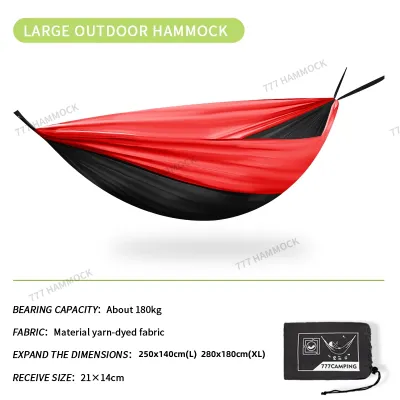
Prices are valid at publication and may change. Please refer to the product page for the latest price.
Furthermore, the rapid transition from heavy rain to intense UV exposure—a common daily pattern during the monsoon season—causes materials to expand and contract rapidly. This thermal shock can crack protective paint layers, expose underlying metal to moisture, and cause synthetic fabrics to become brittle and fade. Strong winds associated with the Southwest Monsoon (Habagat) and passing tropical depressions also pose a physical threat, as the sail-like design of a cocoon hammock can easily catch the wind, leading to tip-overs and structural damage.
It is crucial to recognize that standard “outdoor-rated” labels are often designed for milder climates. A product that can easily withstand a light summer shower in a temperate region may quickly deteriorate under the relentless onslaught of a Philippine monsoon. Understanding these environmental stressors is the first step in evaluating whether your hammock can remain outdoors or if it requires seasonal relocation.
Essential Specifications to Verify for Wet-Weather Durability
To determine if a cocoon hammock is truly equipped to handle the wet season, you must carefully inspect its material specifications. The frame and hanging hardware are the foundation of the structure’s safety. Look for frames made from high-grade, powder-coated aluminum, which is naturally resistant to rust even if the outer coating is scratched. If the frame is made of steel, it must be hot-dip galvanized or treated with a multi-layer, outdoor-grade powder coating to prevent moisture from reaching the raw metal beneath.

Pay close attention to the joints, welds, and connection points. These areas are highly susceptible to water accumulation and are often the first places where rust begins to form. Stainless steel hardware, specifically grades 304 or 316, is highly recommended for carabiners, chains, and suspension springs, as standard steel hardware will quickly corrode and compromise the structural integrity of the suspension system.
The fabric and weaving materials must also be engineered for wet-weather performance. Avoid natural fibers like cotton, canvas, or untreated wood, which absorb water rapidly and rot within weeks. Instead, verify that the hammock utilizes solution-dyed acrylics or marine-grade polyester fabrics. These synthetic materials are treated to resist water absorption, dry quickly, and withstand prolonged UV exposure without breaking down.
For woven cocoon hammocks, synthetic polyethylene (PE) rattan or wicker is the industry standard for outdoor durability. PE wicker is highly resistant to water, UV rays, and temperature fluctuations, making it far superior to natural rattan for outdoor use. Additionally, check the structural design of the hammock for drainage features. A well-designed cocoon hammock should have built-in drainage holes or an open-weave pattern that allows water to pass through freely rather than pooling at the bottom. Remember that when cushions and fabrics become waterlogged, their weight increases significantly, which can place dangerous stress on the frame and suspension ropes, temporarily reducing the safe weight capacity of the unit.
Protective Strategies for Gardens and Uncovered Balconies
If you plan to keep your cocoon hammock in an outdoor garden or on an uncovered balcony during the rainy season, implementing active protective strategies is essential. The most effective tool at your disposal is a high-quality, custom-fit, breathable waterproof cover. Many homeowners make the mistake of using cheap, non-breathable plastic tarps, which trap moisture and condensation underneath. This creates a humid “greenhouse” environment that actually accelerates mold growth and metal corrosion. Look for covers made from heavy-duty, UV-resistant polyester with built-in ventilation flaps that allow air to circulate while keeping rainwater out.
Strategic placement can also significantly reduce the amount of water your hammock is exposed to. On an uncovered balcony, position the hammock as close to the building’s exterior wall as possible, or place it under any existing eaves or architectural overhangs. This positioning shields the hammock from angled rain driven by strong winds. In a garden setting, placing the hammock under a dense tree canopy can help diffuse the force of heavy downpours, though you must ensure the area is free from dead branches that could fall and damage the structure during a storm.
Another critical factor is preventing the base of the hammock stand from sitting in standing water. Balcony floors and garden pathways often experience minor flooding or pooling during intense rainstorms. To protect the metal base, elevate it using heavy-duty rubber drainage mats, outdoor composite tiles, or dedicated riser blocks. Keeping the metal stand elevated and out of direct contact with wet soil or pooled water on concrete tiles will dramatically extend its lifespan and prevent rust from forming at the base.
Wet-Season Maintenance and Mold Prevention Routine
Maintaining a cocoon hammock during the wet season requires a consistent and proactive routine. Organic debris, such as fallen leaves, twigs, pollen, and dirt, can easily accumulate in the crevices of the weave or on the fabric surface. If left undisturbed, this organic matter acts like a sponge, holding moisture against the material and providing a nutrient-rich breeding ground for mold, mildew, and algae. Make it a habit to brush off or wipe down the hammock at least once a week, especially after a heavy downpour.
When cleaning is required, always use safe, manufacturer-approved methods to avoid damaging the protective coatings of the fabric and frame. Prepare a mild cleaning solution using a pH-neutral liquid soap and lukewarm water. Gently scrub the fabric and woven surfaces with a soft-bristled brush or a microfiber cloth to remove surface dirt and early signs of mildew. Avoid using harsh household chemicals, bleach, or high-pressure washers, as these can strip away the water-resistant and UV-protective treatments applied to the synthetic fibers.
After cleaning, or after any major rain event, ensuring the hammock dries completely is of paramount importance. Remove all detachable cushions, headrests, and fabric liners, and dry them separately in a well-ventilated area or under direct sunlight when the weather permits. Never apply a waterproof cover over a damp hammock, as trapping moisture inside will guarantee a rapid outbreak of mold. Allow the entire structure, including the frame and suspension ropes, to air dry fully before using it again or covering it for protection.
Critical Warning Signs: When to Move the Hammock Indoors
While protective covers and regular maintenance can shield your cocoon hammock from typical rainy days, there are times when the weather conditions exceed the limits of any outdoor furniture. In the Philippines, the wet season frequently brings severe weather events, including tropical depressions, severe thunderstorms, and typhoons. When PAGASA issues heavy rainfall warnings or active typhoon signals for your area, you must take immediate action to move the hammock indoors or to a fully secured, enclosed space.
The unique, enclosed shape of a cocoon hammock makes it highly susceptible to wind loads. Strong winds can easily catch the interior of the cocoon, turning it into a sail that can tip over heavy metal stands, damage surrounding property, or cause the hammock itself to crash into walls and break. Additionally, prolonged exposure to extreme, torrential rains can saturate even the most water-resistant fabrics, leading to deep-seated moisture retention that is incredibly difficult to dry out without causing mold.
Regularly inspect your hammock for physical warning signs that indicate structural compromise. Check for visible orange rust bleeding from the joints or welds of the frame, which suggests that the protective powder coating has failed and water is corroding the metal from within. Inspect the suspension ropes, chains, and carabiners for signs of fraying, cracking, or severe corrosion. If you notice that the fabric has stretched excessively, or if the frame connections feel loose or wobbly, discontinue use immediately. During the peak of the wet season, the safest approach is to disassemble the fabric components and store them indoors, leaving only the properly treated metal stand outside if indoor storage space is limited.
Frequently Asked Questions (FAQ)
Can I leave a natural rattan or wicker cocoon hammock outside in the rain?
No, you should never leave a cocoon hammock made of natural rattan, wicker, or bamboo outside in the rain. Natural plant fibers are highly porous and absorb water rapidly, causing them to swell, warp, and split as they dry. Once moisture penetrates natural fibers, it is nearly impossible to dry them completely in a humid tropical climate, leading to rapid rot, structural weakening, and extensive mold growth. Always check the manufacturer’s specifications to confirm if your hammock is made of synthetic polyethylene (PE) wicker rather than natural materials. If your hammock is indeed made of natural rattan, it must be kept in a fully enclosed, dry indoor space or on a completely weatherproof patio, and it should be moved indoors immediately during the rainy season.
How do I dry a soaked cocoon hammock quickly without damaging it?
To dry a soaked cocoon hammock safely after an unexpected downpour, start by removing all detachable cushions, pillows, and fabric liners. Squeeze out excess water gently without wringing or twisting the fabric, and hang them separately in a highly ventilated area, preferably in direct sunlight or in front of a high-velocity fan. Next, use dry, absorbent towels to wipe down the metal frame, suspension chains, and the woven body of the cocoon to remove standing water. Allow the remaining structure to air dry naturally in a well-ventilated spot. Never use high-heat sources like industrial heat guns, hair dryers, or open heaters to speed up the drying process, as excessive heat can warp metal frames, melt synthetic PE wicker, and destroy the elastic fibers and protective coatings of outdoor fabrics.
Community discussion
Share your experience or ask a question. Comments are reviewed before publication.