
Transitioning your child to a single bed is a major milestone, but finding the right wooden single bed frame requires looking beyond aesthetics. In tropical climates like the Philippines, where high humidity and temperature fluctuations can affect natural timber, safety checks become even more critical. Ensuring your child’s bed is structurally sound, free of chemical hazards, and designed to prevent physical entrapment is essential for long-term peace of mind. By focusing on verifiable manufacturing standards, physical design details, and robust assembly practices, you can select a frame that provides a secure sleeping environment.
Evaluating Structural Integrity and Weight Limits
When shopping for a wooden single bed frame, the first line of defense is verifying the manufacturer’s specified weight capacity. Children do not just sleep on their beds; they sit, read, and occasionally jump, placing dynamic stress on the frame. Rather than guessing the load capacity, locate the official product manual or specification sheet to confirm the maximum weight limit. This limit must comfortably accommodate your child’s current weight, the mattress, bedding, and any additional weight from storytime cuddles.
The slat system is the backbone of any wooden bed frame. Inspect how the slats connect to the side rails; they should be securely fastened with screws or dowels rather than simply resting on a thin ledge. Press down firmly on individual slats to check for bowing or excessive flexing. High-quality frames often feature a central support rail with additional legs, which distributes weight evenly and prevents the slats from sagging or slipping out of place over time.
Products mentioned in this guide


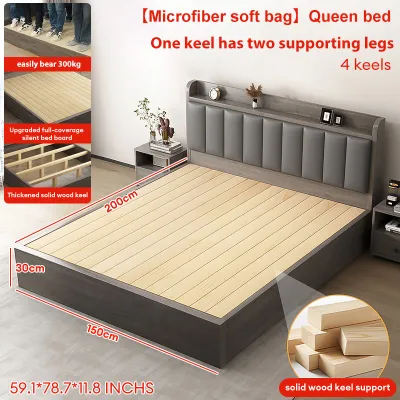

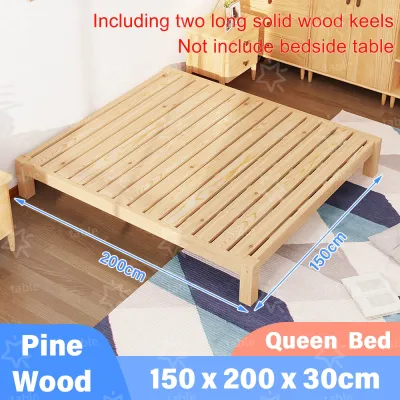
Prices are valid at publication and may change. Please refer to the product page for the latest price.
Wobble resistance is highly dependent on the leg design and the type of flooring in your child’s bedroom. In many homes, floors are finished with smooth ceramic tiles, polished concrete, or traditional hardwood. A bed frame with wide, sturdy legs and low-profile joints will resist swaying when your child climbs in and out. During your inspection, gently shake the frame from side to side to ensure the joints remain rigid and do not squeak or shift on your specific flooring.
Checking Surface Finishes and Material Safety
The chemical safety of a wooden bed frame is just as important as its physical strength. Because children spend up to half their day in close contact with their bed, you must verify that the wood finishes, paints, or varnishes are non-toxic. Look for explicit safety certifications or compliance labels on the packaging or official documentation that confirm the product is free from harmful levels of lead, phthalates, and volatile organic compounds (VOCs). Avoid relying on vague marketing terms like “eco-friendly” or “natural” without verifiable certification codes.

A physical touch test is indispensable when evaluating a wooden frame. Run your hands along the headboard, footboard, and under-bed rails to check for smooth sanding. High humidity can cause poorly finished wood to swell or splinter, posing a constant risk of minor cuts or splinters to sensitive skin. Ensure all edges are rounded rather than sharp, and check that the underside of the frame is sealed to prevent moisture absorption and rough patches.
Review the manufacturer’s care instructions to understand how the finish behaves over time. Some finishes require a specific curing period or have strict guidelines regarding cleaning agents. In humid environments, using the wrong liquid cleaner can degrade the protective topcoat, exposing the raw wood to moisture and potential mold growth. Stick to the recommended dry or slightly damp microfiber cloth cleaning methods outlined by the manufacturer to preserve both the finish and your child’s health.
Identifying Entrapment Risks and Design Hazards
Physical entrapment is a serious hazard that can be prevented with a simple tape measure. When inspecting a wooden single bed frame, measure the gaps between the individual slats, as well as the spaces between the mattress and the headboard or footboard. These gaps must comply with standard safety thresholds—typically keeping spaces narrow enough that a child’s limbs or head cannot become wedged. Refer to the product’s user manual to verify these exact dimensions before finalizing your purchase.
Take a close look at the hardware and decorative elements of the frame. Protruding bolts, sharp metal brackets, or intricate decorative cutouts can easily snag loose clothing, pajama drawstrings, or hair. Ensure all assembly hardware is countersunk or covered with flush-fitting plastic caps. Examine the corners of the headboard and footboard; they should feature rounded profiles to minimize the impact force if a child accidentally bumps into them while playing.
The overall height of the bed frame plays a crucial role in fall prevention, especially for younger children transitioning from a crib. A low-profile frame reduces the risk of injury from accidental falls. If the bed is elevated or if your child is a restless sleeper, evaluate the compatibility and secure attachment of integrated or add-on guardrails. These rails must attach firmly to the main frame without leaving gaps where a child could slip through or become trapped between the mattress and the rail.
Ensuring Secure Assembly and Long-Term Stability
A bed frame is only as safe as its assembly. When unboxing the product, lay out all the hardware to confirm that every screw, bolt, washer, and wooden dowel matches the parts list in the instruction manual. Never use improvised or third-party hardware substitutes, as mismatched threads or incorrect lengths can compromise the structural integrity of the joints. If any critical fastener is missing, pause the assembly immediately and contact the manufacturer for official replacements.
Wood is a living material that naturally responds to its environment. Seasonal shifts between the wet and dry seasons bring significant changes in indoor humidity. This causes the wood to expand and contract, which can gradually loosen the assembly hardware over time. To maintain stability, establish a routine schedule to inspect and gently tighten all bolts and screws every few months, preventing the frame from developing dangerous wobbles or annoying squeaks.
Knowing when to stop assembly is a vital safety skill. If you encounter pre-drilled holes that do not align, split wood grain near joint connections, or warped structural components, do not force the pieces together. Forcing misaligned parts can split the timber and create hidden weak points. Stop the assembly process immediately, document the issue with photos, and reach out to the manufacturer or retailer to request replacement parts under their quality assurance guidelines.
Verifying Manufacturer Labels and Safety Specifications
Smart shopping requires separating promotional hype from verified safety data. When browsing online marketplaces or local furniture showrooms, look past generic claims of “heavy-duty” or “child-safe” construction. Instead, search the product listing, official website, or physical tags for specific testing standards and compliance certifications. A reputable manufacturer will readily provide documentation proving their frames have undergone rigorous mechanical and chemical safety testing.
Always check the manufacturer’s recommended age, weight, and developmental stage guidelines. A single bed frame designed for teenagers may have height or gap configurations that are unsuitable for a toddler transitioning from a crib. Ensuring the frame matches your child’s current physical capabilities and sleep habits prevents accidents related to developmental readiness, such as difficulty climbing in or out of an elevated bed.
Finally, review the warranty terms provided with the wooden bed frame. A comprehensive warranty that covers structural defects, joint failures, and hardware issues indicates the manufacturer’s confidence in their product’s durability. Pay close attention to what actions might void the warranty, such as using non-approved mattresses or making DIY modifications, to ensure you remain covered while keeping your child’s sleeping environment completely secure.
Frequently Asked Questions (FAQ)
How often should I tighten the hardware on a wooden bed?
You should inspect and tighten the hardware on a wooden bed frame immediately after the initial assembly, and again after the first few weeks of use as the joints settle. Following this, establish a routine check every three to six months. In humid tropical climates, seasonal changes cause wood to expand and contract, making these periodic checks essential to prevent loose joints, wobbling, and structural wear.
Is a wooden single bed frame inherently safer than metal?
Neither material is inherently safer than the other; safety depends entirely on build quality, joint construction, edge finishing, and adherence to safety standards. A well-constructed wooden frame with rounded edges and non-toxic finishes is highly secure, just as a properly welded metal frame with smooth joints is. Focus on verifying the specific safety features, certifications, and structural stability of the individual product rather than the material category alone.
What is the safest response if a wooden slat cracks?
If you notice a cracked or split wooden slat, stop using the bed immediately to prevent a sudden structural failure or mattress collapse. Avoid temporary DIY fixes like taping or gluing the load-bearing part, as these cannot safely support dynamic weight. Contact the manufacturer or retailer directly to obtain approved, matching replacement slats that meet the original safety and weight specifications of the bed frame.

Community discussion
Share your experience or ask a question. Comments are reviewed before publication.