
Finding the right bar island with storage for your home in the Philippines requires balancing space-saving functionality with materials that can withstand tropical humidity. A well-chosen island serves as a prep station, a dining counter, and a storage hub, making it one of the most versatile additions to a modern kitchen. In many Philippine households, the kitchen is the heart of the home, where family members gather to cook, eat, and converse. To make a successful purchase, you must look beyond aesthetics and focus on precise physical dimensions, material durability, and storage configurations that match your daily cooking habits.
Assessing Your Kitchen Layout and Clearance Needs
Before browsing online marketplaces or local showrooms, map out your kitchen’s physical footprint. The classic kitchen work triangle—the path between your stove, sink, and refrigerator—must remain unobstructed. Introducing a central island should enhance this workflow rather than block it. In smaller townhouses or condominium units, an island can easily disrupt the flow if not carefully planned. Use a metal measuring tape to plot the exact footprint of the proposed island on your floor, perhaps using painter’s tape to visualize how much floor space remains.
Clearance is the most critical factor for safety and comfort. As a general rule, aim for a minimum of 90 to 120 centimeters of open walkway space on all sides of the island. This clearance ensures that two people can pass each other without squeezing, which is particularly important during busy meal preparation times. More importantly, you must account for the full swing of appliance doors. Measure the distance required to fully open your oven, refrigerator, and dishwasher doors, ensuring they do not collide with the island’s base or countertop.
Products mentioned in this guide
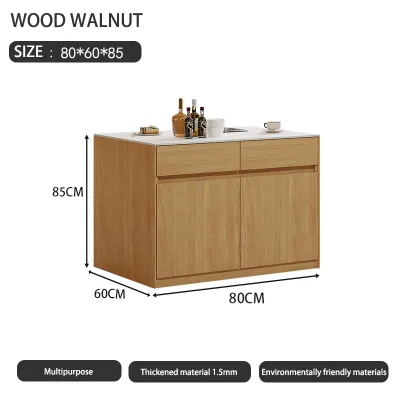
Prices are valid at publication and may change. Please refer to the product page for the latest price.
The layout of your existing cabinetry also dictates the ideal shape and placement of your island. For instance, in a galley kitchen, a long, narrow island cart might be the only viable option, whereas a spacious L-shaped kitchen can accommodate a larger, square island. If your kitchen features a low-hanging light fixture or ceiling fan, verify that the height of the island allows for safe clearance. You should also ensure that the island does not block access to light switches, electrical outlets, or wall-mounted utility meters.
Do not overlook the journey the furniture must take to reach your kitchen. Many homeowners purchase a beautiful, fully assembled or flat-packed island only to find it cannot clear the building’s elevator doors or a tight turn in the hallway. Measure the height and width of every doorway, corridor, stairwell, and elevator cabin the delivery team must navigate. If you live in a high-rise condominium, check the property management’s guidelines regarding delivery dimensions, service elevator availability, and weight limits before finalizing your order.
Matching Storage Configurations to Your Kitchen Workflow
The storage layout of your bar island should directly reflect how you use your kitchen daily. If you frequently entertain guests or enjoy displaying curated dinnerware, open shelving offers quick access and a breezy, modern aesthetic. However, in tropical climates where dust can accumulate quickly, open shelves require regular cleaning. Closed cabinets, on the other hand, are excellent for concealing everyday clutter, mismatched food containers, and bulky cookware, keeping your kitchen looking neat and organized.

Drawers provide highly efficient storage because they pull out completely, allowing you to access items at the very back without bending down. When evaluating an island, check the depth of the drawers. Shallow drawers are ideal for cutlery, placemats, and small kitchen tools, especially when fitted with adjustable internal dividers. Deeper drawers are better suited for storing heavy pots, pans, or small appliances like rice cookers and blenders. Ensure the drawer slides operate smoothly and can support the weight of your intended items.
Consider the mechanism of the cabinet doors and drawers, as high-quality hardware makes a significant difference in daily use. Soft-close hinges and full-extension drawer slides prevent slamming, which protects both the furniture frame and your stored glassware. If you have young children in the household, closed cabinets with magnetic latches or child-proof locks can keep cleaning supplies or sharp utensils safely out of reach.
Integrated features can significantly boost the utility of your island, but they should align with your actual lifestyle. A built-in wine rack or stemware holder is a fantastic addition if you regularly host gatherings, but it might occupy valuable space that could otherwise store dry goods or small appliances. Similarly, dedicated spice pull-outs, towel bars, or hidden trash bin compartments can streamline your cooking process. Assess your current storage deficits and choose an island configuration that solves those specific pain points rather than opting for trendy features you may never use.
Evaluating Materials and Finishes for Tropical Climates
The high humidity and warm temperatures in the Philippines demand careful attention to material specifications. Standard particle board or low-grade fiberboard can swell, warp, or degrade when exposed to moisture over time. When reviewing product descriptions, look for moisture-resistant core materials, such as high-density fiberboard (HDF) or marine-grade plywood. Additionally, inspect the edge banding on the cabinet doors and panels; properly sealed, heat-activated edge banding prevents moisture from penetrating the core material.
The countertop of your bar island will bear the brunt of daily wear, heat, and spills. Rather than relying on generic material names like “wood” or “stone,” consult the manufacturer’s product manual to verify the exact specifications for heat and stain resistance. Engineered quartz and solid surface materials are highly popular for their non-porous nature, making them resistant to moisture absorption and bacterial growth. If you prefer a wooden countertop, ensure it has been treated with a food-safe, water-resistant sealant, and prepare to reapply the sealant periodically to maintain its protective barrier.
In tropical environments, pest resistance is another critical factor to consider. Termites, locally known as anay, can cause severe damage to untreated wooden furniture. If you are opting for a solid wood island, check if the wood has been treated or if it is naturally resistant to pests. Hardwoods like teak or mahogany are generally more durable, but they still require proper maintenance and sealing to prevent moisture absorption and insect infestation.
Hardware durability is another crucial consideration in humid environments. Cabinet hinges, drawer slides, and handles made of low-quality metals can quickly rust or tarnish, especially in coastal areas where salt air accelerates corrosion. Look for hardware specified as stainless steel or treated with rust-resistant coatings. To keep these components functioning smoothly, establish a simple cleaning routine using a dry or slightly damp microfiber cloth, avoiding harsh chemical cleaners that can strip away protective finishes.
Building Your Shortlist: Sourcing and Pre-Purchase Checks
Once you have narrowed down your choices, perform a rigorous cross-reference of all listed dimensions. Pay close attention to the countertop overhang. If you plan to use the island as a breakfast bar, the countertop must extend beyond the base cabinet to provide comfortable legroom. Measure this overhang carefully and compare it with your available floor space to ensure it does not encroach on your calculated clearance paths.
Weight capacity is a vital safety metric that is often omitted from basic product descriptions. Before purchasing, check the manufacturer’s specifications or contact the seller directly to verify the maximum load limits for the countertop, individual shelves, and drawers. Overloading an island can lead to structural sagging, drawer misalignment, or even tip-over hazards, especially if the unit is top-heavy or equipped with wheels. This is particularly important if you plan to place heavy appliances, such as a microwave or a stand mixer, on the countertop.
When sourcing your island from online marketplaces or local furniture showrooms, read customer reviews carefully. Look for feedback regarding the packaging quality and whether the product arrived with any transit damage. In the Philippines, shipping large furniture items can sometimes result in minor scratches or dents if the packaging is inadequate. Checking reviews from other local buyers can give you a realistic expectation of the seller’s shipping standards.
Finally, clarify the logistics of your purchase. Confirm whether the retailer offers delivery coverage to your specific area and if professional assembly services are available. Many bar islands are shipped flat-packed and require complex assembly; hiring a professional can ensure the unit is structurally sound and safely anchored if necessary. Additionally, read the return and warranty policies carefully, ensuring you have a clear recourse if the product arrives with manufacturing defects or transit damage.
Frequently Asked Questions (FAQ)
How much overhang is needed for bar seating?
The amount of countertop overhang required for comfortable seating depends heavily on the height of your bar stools and the overall design of the island. Generally, a functional seating overhang ranges between 25 and 38 centimeters, which provides sufficient knee clearance for most adults. Before making a decision, check the specific dimensions of your stools, including their seat height and whether they have footrests. Ensuring that the stool height matches the island’s counter height is essential for maintaining an ergonomic and comfortable dining posture.
Can a bar island with storage be moved easily?
Whether a bar island can be moved easily depends on its base design and overall weight. Mobile islands equipped with heavy-duty casters offer excellent flexibility, allowing you to roll the unit out of the way when cleaning or hosting larger gatherings. If you choose a mobile option, verify that at least two of the casters feature secure locking mechanisms to prevent the island from shifting during food preparation. For fixed-base islands, mobility is highly limited, but they offer superior stability and can support heavier countertops and storage loads without the risk of tipping.
Community discussion
Share your experience or ask a question. Comments are reviewed before publication.