
Creating a serene, uncluttered living room in the Philippines requires a thoughtful balance of form and function, especially when dealing with compact urban spaces. The Japandi design movement—a harmonious fusion of Japanese minimalism and Scandinavian warmth—offers an elegant solution by prioritizing clean lines, natural textures, and low-profile furniture. A boneless sofa bed, characterized by its lack of a rigid wooden or metal frame, perfectly embodies this philosophy by offering versatile, comfortable seating that easily transitions into a sleeping surface. This guide provides a comprehensive framework to help you select, evaluate, and style the ideal boneless sofa bed for your home, focusing on spatial efficiency, material durability in tropical climates, and authentic aesthetic integration.
Defining Japandi Principles for Boneless Sofa Beds
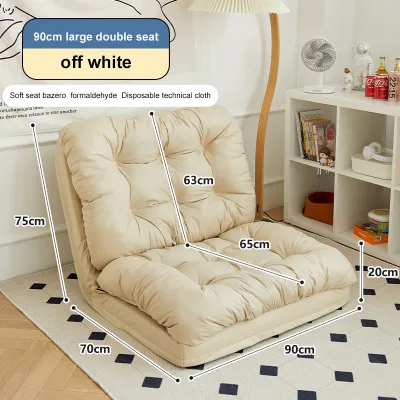
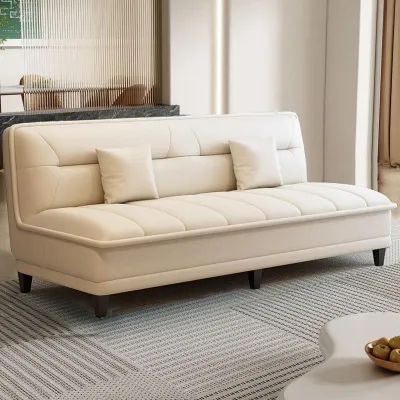
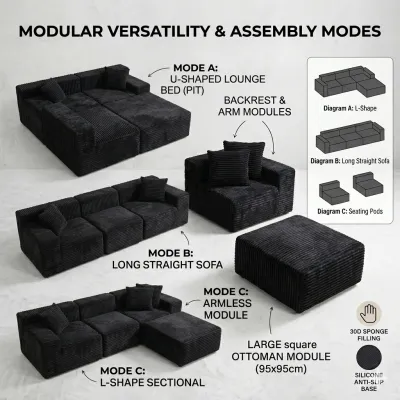
To successfully integrate a boneless sofa bed into a Japandi-style living room, you must first understand the core design principles that define this aesthetic. Japandi style relies heavily on low-to-the-ground living, which fosters a sense of groundedness and spaciousness. A boneless sofa bed naturally aligns with this concept because its frameless construction sits directly on the floor or on a very low, unobtrusive platform. When evaluating silhouettes, look for clean, soft geometries. Avoid pieces with overly rounded, cartoonish shapes or complex tufting that creates visual noise. Instead, prioritize streamlined, block-like modules or gently sloped cushions that maintain a structured yet relaxed appearance.
Color selection is equally critical in establishing a tranquil Japandi atmosphere. The palette should draw inspiration from nature, utilizing warm whites, soft creams, sand, taupe, and muted earth tones. In Philippine homes, where natural light can be intense, these lighter shades help bounce light around the room, making the space feel larger and airier. If you prefer deeper tones, opt for charcoal gray, olive green, or warm terracotta, but ensure they remain muted rather than highly saturated. The goal is to create a cohesive, low-contrast environment where the sofa bed blends seamlessly with the walls and floor rather than standing out as a loud focal point.
Products mentioned in this guide
Prices are valid at publication and may change. Please refer to the product page for the latest price.
Texture plays a vital role in replacing the visual interest that minimalist spaces lose by omitting ornamentation. Since a boneless sofa bed lacks a visible wooden or metal frame, the upholstery fabric must do the heavy lifting to convey warmth and craftsmanship. Look for tactile fabrics such as linen blends, cotton canvas, or lightly textured woven polyesters that mimic natural fibers. These materials introduce a subtle organic quality that aligns with the Japanese concept of wabi-sabi, which finds beauty in simplicity and natural imperfection. Avoid high-shine synthetics, heavy velvets, or faux leathers, as these materials can disrupt the organic, earthy feel essential to the Japandi aesthetic.
Key Selection Criteria for Space and Functionality
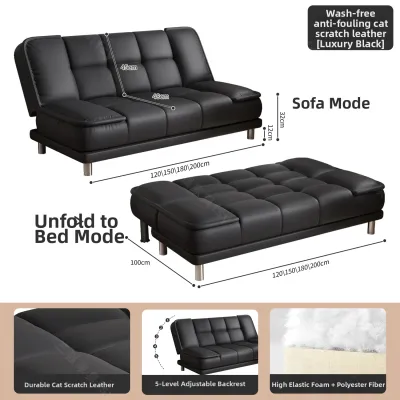
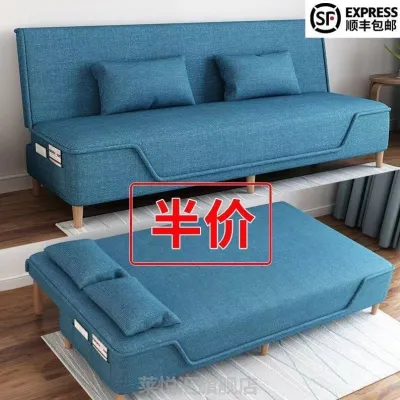
Before purchasing a boneless sofa bed, precise spatial planning is essential to ensure the piece functions beautifully in both its seated and extended configurations. Begin by measuring your living room’s total footprint, paying close attention to the specific area designated for the sofa. Unlike traditional framed sofas, boneless models often expand by folding outward directly onto the floor. You must measure the fully extended length of the bed to guarantee it does not block vital pathways, doorways, or access to balconies. A good rule of thumb is to maintain at least 60 centimeters of clear walkway space around the bed when it is fully deployed.

Clearance requirements also extend to the transition mechanism itself. Some boneless sofa beds utilize a simple flip-out design, while others feature modular blocks that rearrange or slide forward. If the sofa bed relies on a friction-based unfolding method, ensure your flooring can accommodate this movement without scratching or bunching. For homes with delicate hardwood or vinyl plank flooring, a lightweight, easily liftable modular design is often preferable to a heavy, single-piece folding unit. Additionally, consider the height of surrounding furniture; low-profile coffee tables or side tables must be easy to move aside when transitioning the sofa into a bed.
Structural stability in a frameless sofa relies entirely on the quality and density of its internal foam core. Because there is no rigid frame to distribute weight, a low-quality boneless sofa can sag, slide apart, or lose its shape under pressure. Look for models that specify the use of high-density polyurethane foam or multi-layered foam cores. The base layer should consist of a firm, high-density support foam to prevent bottoming out, while the upper layers can feature softer comfort foam. If the sofa bed consists of multiple modular pieces, verify that it includes secure connection mechanisms, such as heavy-duty hook-and-loop fasteners or interlocking bottom grips, to prevent the sections from sliding apart during use.
Material and Upholstery Checks for Tropical Climates
The tropical climate of the Philippines presents unique challenges for furniture preservation, making material selection a primary durability factor. High humidity levels and year-round warmth mean that non-breathable fabrics can quickly become uncomfortable, trapping body heat and moisture. When shopping, carefully check manufacturer labels for fabric composition. Prioritize breathable natural fibers like cotton and linen, or high-quality synthetic blends engineered for airflow. Avoid dense, tightly woven synthetic microfibers that lock in heat, as well as low-grade faux leathers that can become sticky and peel over time in humid conditions.
Moisture resistance and anti-microbial properties are crucial for preventing the growth of mold, mildew, and dust mites in humid environments. Some modern upholstery fabrics undergo specialized treatments to repel moisture and resist stains without sacrificing breathability. If you are purchasing a boneless sofa bed for a high-humidity area or a home without continuous air conditioning, look for fabrics labeled as moisture-resistant or anti-microbial. Additionally, investigate the internal filling materials. High-resiliency (HR) foam is highly recommended for tropical climates because its open-cell structure allows for better air circulation and resists the softening and degradation that humid air can cause in standard foams.
Practical maintenance is another essential consideration for keeping your sofa bed fresh and hygienic. Because boneless sofas sit close to the floor, they are more susceptible to dust, pet hair, and floor-level spills. Always verify whether the sofa bed features fully removable and machine-washable covers. Zippered covers made from pre-shrunk fabrics make routine cleaning significantly easier. If the covers are not removable, ensure the fabric is compatible with water-based spot cleaners or professional steam cleaning. Choosing a fabric with a slightly variegated or heathered weave can also help conceal minor dust and daily wear between cleanings.
Building Your Shortlist: Shopping and Verification Steps
When searching online marketplaces or visiting local showrooms, it is easy to be swayed by stylized product photography. To build a reliable shortlist, you must cross-reference listed product specifications with your actual household requirements. Start by verifying the exact dimensions, weight capacity, and foam density of each candidate. A reputable manufacturer should clearly state the density of the foam used, typically measured in kilograms per cubic meter (kg/m³). For a durable boneless sofa bed, look for a base foam density of at least 28 kg/m³ to 35 kg/m³. If this information is missing, contact the seller directly to confirm before proceeding.
User reviews provide invaluable real-world insights into how a boneless sofa bed performs over time. When browsing reviews on ecommerce platforms, look past the initial “out-of-the-box” impressions and search for feedback from users who have owned the product for six months or longer. Specifically look for mentions of foam sagging, fabric pilling, seam splitting, or the sofa losing its structural integrity. Pay attention to how reviewers describe the firmness; a sofa bed that feels comfortably firm to one person might feel too hard to another, so look for a consensus on support levels.
Finally, carefully evaluate the financial and logistical aspects of your purchase. Establish a realistic budget, keeping in mind that high-quality, high-density foam models generally range from ₱8,000 to ₱25,000 or more, depending on size and fabric quality. Factor in shipping fees, as large foam furniture can be costly to transport across different provinces in the Philippines. Verify the seller’s return policy and warranty terms, particularly regarding foam sagging or manufacturing defects. Additionally, check the delivery conditions; many boneless sofa beds are shipped vacuum-compressed in a box, which requires up to 48 to 72 hours to fully expand before you can use or style them.
Styling and Integrating the Sofa Bed into Japandi Decor
Once you have selected a high-quality boneless sofa bed, styling it correctly is key to achieving a cohesive Japandi aesthetic. The goal is to enhance the sofa’s relaxed, low-profile nature while maintaining a clean, uncluttered environment. Start by layering the sofa with minimalist throw pillows and blankets. Choose textiles made from natural fibers like chunky knit cotton, washed linen, or wool in complementary neutral tones. Limit the number of accessories to avoid visual clutter; two or three well-placed pillows with varying textures are far more effective than a crowded pile of colorful cushions.
To balance the soft, organic lines of a boneless sofa, incorporate structured elements made from natural wood. Pair the sofa with a low-profile solid oak or teak side table, which introduces the warm wood tones characteristic of both Scandinavian and Japanese design. You can also place a textured ceramic vase, a simple clay pot with a minimalist indoor plant like a snake plant, or a woven seagrass basket nearby to ground the space. Ensure that all surrounding furniture shares a similar low-profile height to maintain a balanced, continuous horizontal sightline across the room.
Lighting and spatial arrangement are the final elements in creating a tranquil Japandi sanctuary. Position the sofa bed to maximize natural light during the day, and use warm, diffused lighting in the evening, such as a paper lantern floor lamp or a minimalist wooden sconce. Embrace the concept of negative space—leave areas of the floor and walls empty to allow the room to “breathe.” By keeping walkways clear and avoiding over-decoration, you highlight the clean lines of your boneless sofa bed and create a peaceful, restorative living space that feels both functional and beautiful.
Frequently Asked Questions (FAQ)
Can a boneless sofa bed provide adequate support for daily sleeping?
Yes, a high-quality boneless sofa bed can provide adequate support for daily sleeping, provided it features a high-density foam core. Look for models constructed with multi-layered foam, specifically a firm polyurethane base layer paired with a supportive transition layer. This structure helps distribute body weight evenly and prevents your body from sinking through to the hard floor. Always check the manufacturer’s specified weight limits and recommended usage guidelines. If you plan to use the sofa bed for daily sleeping over an extended period, consider adding a compatible, breathable mattress topper to enhance pressure relief and protect the sofa’s primary foam layers from premature wear.
How do I maintain the shape and structure of a boneless sofa bed over time?
Maintaining the shape of a frameless sofa bed requires regular, simple care to counteract the natural compression of foam. Rotate and flip the modular sections or cushions every two to four weeks to ensure even wear across all seating and sleeping surfaces. If your model features loose or fiber-filled sections, fluff them regularly to restore loft. Always follow the specific care instructions on the upholstery label; avoid using harsh chemical cleaners that can degrade the foam or damage fabric fibers. Finally, position the sofa bed away from direct, intense sunlight, as prolonged exposure to UV rays can fade the fabric and accelerate the breakdown of the internal foam structure.
Community discussion
Share your experience or ask a question. Comments are reviewed before publication.