
A cloud sofa represents the ultimate in relaxed, sink-in comfort, making it an appealing centerpiece for large families where the living room serves as a multi-generational gathering hub. However, selecting a three-to-five-seater model for a busy household requires looking beyond initial aesthetic appeal. To find a sofa that withstands daily family life, you must evaluate actual seating dimensions, frame durability, and fabric resilience against tropical humidity.
Investing in a large sofa is a long-term decision that impacts your daily comfort and home traffic flow. By focusing on structural integrity, smart space planning, and practical fabric choices, you can find a cloud sofa that offers both the plush comfort your family craves and the durability required to handle years of shared memories.
Core Criteria for Choosing a 3-5 Seater Cloud Sofa
When shopping for a cloud sofa to accommodate a large household, relying solely on the retailer’s stated seating capacity can lead to a cramped living room experience. A standard three-seater sofa may feature wide, overstuffed armrests that eat into the actual seating area, leaving less room for family members to sit comfortably side by side. To ensure everyone has enough personal space, measure the actual usable width between the armrests and aim for at least seventy to eighty centimeters of seating space per person.
Products mentioned in this guide
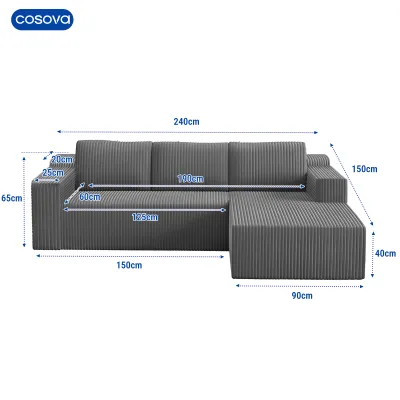
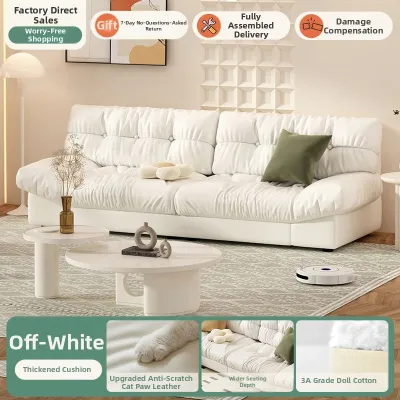
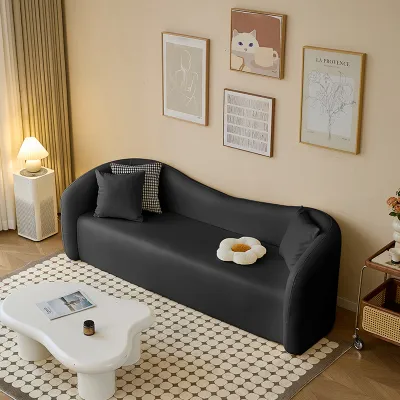
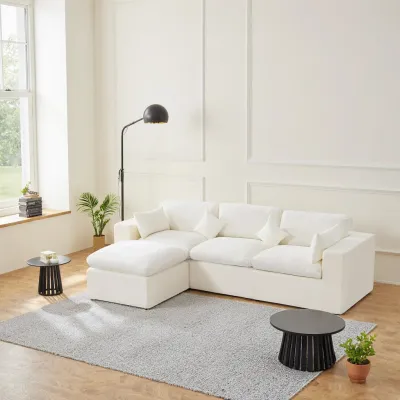
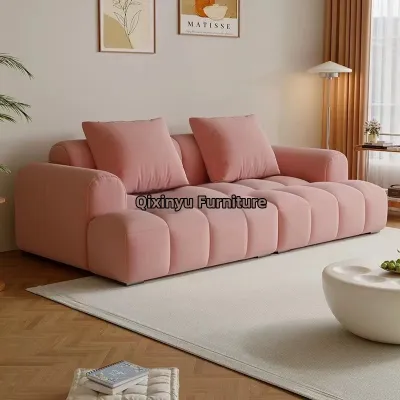
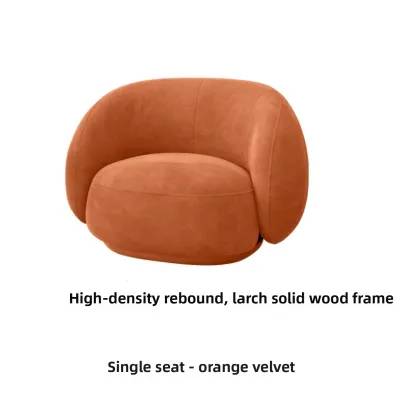

Prices are valid at publication and may change. Please refer to the product page for the latest price.
Modular configurations offer a distinct advantage over fixed L-shaped or U-shaped frames when it comes to layout flexibility. A modular cloud sofa allows you to separate individual seats, add middle modules, or reposition an ottoman to adapt to different family activities, such as movie nights or hosting relatives. Fixed frames, while often more structurally seamless, lock you into a single layout that may not accommodate future room rearrangements or moves to a new home.
Multi-person lounging places significant stress on a sofa’s internal structure, making robust weight distribution essential. Look for frames constructed from kiln-dried hardwood, which resists warping and cracking under heavy, frequent use. The suspension system beneath the cushions—ideally heavy-gauge sinuous steel springs or pocket coils—must be strong enough to support multiple adults simultaneously without sagging or bottoming out over time.
Space Planning and Delivery Clearance for Deep Sofas
Cloud sofas are characterized by their generous depth, often measuring between one hundred and one hundred and twenty centimeters from front to back. This deep-seated design requires careful footprint calculation to ensure the sofa does not overwhelm your living room or block essential pathways. When planning your layout, map out the total floor area the sofa will occupy, including any extended chaise lounge projections or footstools, to maintain a balanced room proportion.

Delivery failures are a common and frustrating issue with oversized furniture, especially in high-rise condominiums or homes with narrow entryways. Before finalizing your purchase, measure the height and width of every doorway, hallway, stairwell, and elevator cabin the sofa must pass through during delivery. Modular cloud sofas are generally much easier to transport and maneuver through tight spaces because they arrive in individual, manageable boxes rather than a single, massive frame.
Maintaining comfortable traffic flow around your seating area is vital for a functional living room, particularly in active households with children. Ensure there is a minimum clearance of forty-five centimeters between the edge of the sofa cushions and your coffee table to allow for easy legroom and movement. Additionally, keep main walkways around the sofa at least ninety centimeters wide to prevent family members from bumping into the furniture as they move through the room.
Balancing Cloud Comfort with Family-Grade Durability
The signature sink-in feel of a cloud sofa comes from its cushion filling, but maintaining that comfort requires understanding the trade-offs between different materials. Pure down and feather fills offer unmatched plushness but compress easily, requiring daily fluffing to prevent a deflated, messy appearance. For a busy family home, a high-resilience foam core wrapped in a down-alternative fiber or a thin layer of feathers provides excellent structural recovery while retaining a soft, welcoming surface.
In a tropical climate characterized by high humidity, fabric selection plays a critical role in both comfort and longevity. Heavy, non-breathable synthetic fabrics can trap body heat and moisture, leading to an uncomfortable seating experience and potential mold growth. Opt for breathable linen-cotton blends or high-performance fabrics that feature tight weaves to resist snagging from pet claws and toys while allowing air circulation.
Spills, stains, and dirt are inevitable in a large household, making ease of maintenance a top priority when choosing upholstery. Prioritize cloud sofas that feature fully removable, zippered covers for both the cushions and the main frame. Verify the manufacturer’s care instructions to confirm whether the covers can be safely machine-washed at home or if they require professional dry cleaning to prevent shrinkage and fabric degradation.
Building Your Shortlist: Pre-Purchase Verification Checklist
Before making a final decision on a specific cloud sofa model, use this structured checklist to verify key details with the furniture retailer:
- Frame and Suspension Warranty: Confirm that the manufacturer offers a multi-year warranty covering frame warping, joint failure, and spring sagging under normal residential use.
- Cushion Compression Policy: Ask the retailer about their policy regarding premature cushion flattening and whether they offer replacement inserts if the filling fails to recover its loft.
- Delivery and Assembly Services: Verify if the delivery fee includes in-home assembly, positioning, and the removal of packaging materials, which is highly beneficial for heavy modular setups.
- Modular Expansion Options: Check if individual modules, such as armless chairs or corner pieces, can be purchased separately in the future to expand your seating capacity.
- Fabric Dye-Lot Consistency: If you plan to add modules later, ask the manufacturer how they manage dye-lot variations to ensure any future additions match your existing sofa color.
Frequently Asked Questions (FAQ)
How often do cloud sofa cushions need fluffing and rotating?
Cloud sofa cushions filled with down or loose fiber blends generally require fluffing at least once a week to maintain their loft and prevent the filling from shifting permanently to one side. You will notice visual signs such as deep body indentations or a flattened appearance when the cushions need attention. To ensure even wear and extend the lifespan of the filling, rotate the cushions from left to right and flip them over every month, especially in high-use seating spots.
Can modular cloud sofas be rearranged after initial assembly?
Yes, most modular cloud sofas are designed to be rearranged easily to suit different occasions or room layouts. They typically utilize bottom-mounted alligator clips or interlocking metal brackets that keep the individual modules securely connected on tiled or wooden floors. However, keep in mind that certain configurations may be limited by fixed elements, such as asymmetrical corner pieces or integrated armrests that cannot be detached or mirrored.
What is the best way to clean spills on deep-pile cloud sofa fabrics?
When a spill occurs, immediately blot the liquid with a clean, dry, white microfiber cloth to absorb as much moisture as possible; never rub or scrub the fabric, as this pushes the stain deeper into the fibers and can damage the pile. Once you have blotted the excess liquid, check the manufacturer’s care label for the cleaning code to determine if you can use water-based cleaners or if the fabric requires dry-cleaning solvents. If the spill covers a large area or involves oil-based substances, it is best to consult a professional upholstery cleaning service to avoid damaging the fabric.
Community discussion
Share your experience or ask a question. Comments are reviewed before publication.