
A coffee table with 2 chairs is a classic three-piece furniture arrangement that brings both functionality and intimate charm to any living space. In the Philippines, choosing a set crafted from local materials like rattan, bamboo, or capiz allows you to celebrate traditional craftsmanship while embracing a modern tropical aesthetic. Whether you are setting up a cozy nook for your morning coffee, creating a reading corner, or styling a compact condominium living room, these native materials offer unique textures and warmth that synthetic alternatives simply cannot replicate.
To find the perfect set, you must look beyond aesthetics and evaluate how these natural materials interact with your home’s environment, layout, and daily routines. This guide will walk you through the characteristics of local materials, essential space planning measurements, craftsmanship checks, and styling tips to help you make an informed investment for your home.
Understanding Local Filipino Materials for Furniture
When exploring local furniture options, understanding the raw materials is key to selecting a set that matches your lifestyle and maintenance preferences. Rattan remains one of the most popular choices due to its incredible flexibility and strength. Unlike hollow bamboo, rattan has a solid core, making it highly durable and capable of being bent into elegant, sweeping curves. When inspecting a rattan coffee table with 2 chairs, you will often encounter different parts of the plant: solid rattan poles (often called palasan) form the sturdy structural frames, while split rattan or thin peel is used for intricate weaving patterns like the classic, breathable solihiya.
Products mentioned in this guide
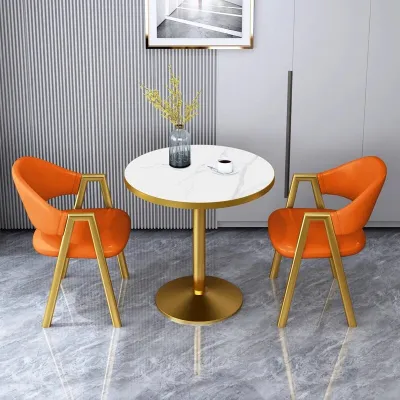


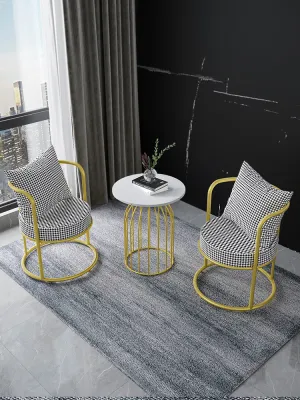
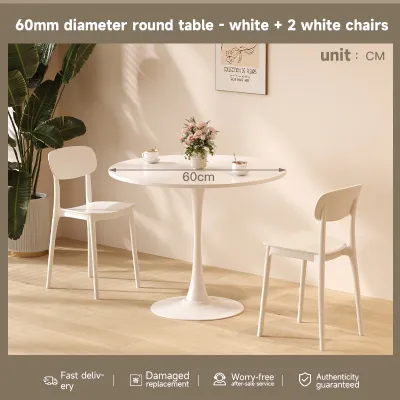
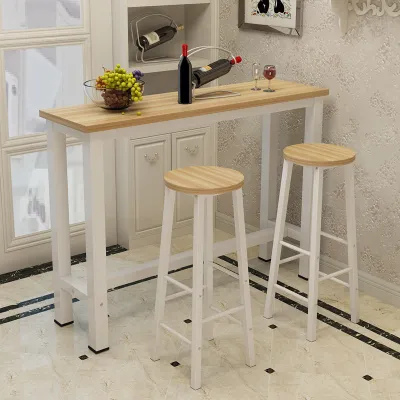
Prices are valid at publication and may change. Please refer to the product page for the latest price.
Bamboo is another iconic local material, celebrated for its rapid sustainability and distinct, clean lines. It is naturally lightweight yet boasts a high tensile strength that rivals steel. However, because bamboo is hollow, its construction methods differ from rattan. High-quality bamboo furniture features thick-walled poles that have been thoroughly cured and treated to prevent pest infestations, particularly from wood-boring beetles locally known as bukbok.
Capiz shell accents introduce a touch of coastal elegance to modern furniture designs. Harvested from the windowpane oyster, these translucent shells are carefully cleaned, cut, and laid out by hand to create shimmering, iridescent surfaces. In coffee table designs, capiz is typically used as an inlay on the tabletop, sealed beneath a thick, smooth layer of clear resin to protect the delicate shells from spills and scratches.
Because the Philippines experiences high humidity, heavy rainfall, and intense tropical heat, natural materials require proper surface treatments to survive. When shopping, always check the manufacturer’s specifications for protective coatings. Look for furniture sealed with high-quality polyurethane, lacquer, or water-resistant varnishes. These sealants act as a barrier against moisture absorption, which can lead to mold growth, and prevent the natural fibers from drying out and cracking during the hotter months.
Space Planning and Dimensions for a 3-Piece Set
Before purchasing a coffee table with 2 chairs, precise space planning is essential to ensure the set fits comfortably without disrupting the flow of your living room. A common mistake is measuring only the static footprint of the furniture when pushed together. In reality, you must account for the active footprint, which includes the space needed to pull out the chairs, sit down comfortably, and walk around the arrangement.

To establish a comfortable layout, aim for at least 45 to 60 centimeters of clearance between the edge of the coffee table and the seats of the chairs. This distance provides ample legroom while keeping the tabletop within easy reach for placing drinks or books. Additionally, ensure there is a clear pathway of at least 75 to 90 centimeters behind the chairs so family members can walk past without forcing anyone to tuck themselves in.
Delivery and assembly access are equally critical factors that are easily overlooked. Measure the width and height of your front door, hallway corridors, stairwells, and elevator doors before finalizing your order. Since many high-quality rattan and bamboo chairs are delivered fully assembled to preserve their structural integrity, they cannot be flat-packed or disassembled to fit through tight corners.
Finally, consider the visual weight of the 3-piece set in relation to your existing living room furniture. If you have a large, plush sofa, a very delicate, thin-framed rattan set might look dwarfed and out of place. Conversely, in a compact studio apartment, a solid, chunky bamboo set can make the room feel cramped. Opting for open-weave designs, such as solihiya backing on the chairs, allows light and air to pass through, creating an illusion of spaciousness in smaller rooms.
Evaluating Craftsmanship and Structural Integrity
Investing in locally crafted furniture means supporting traditional artisans, but it also requires a discerning eye for quality control. High-quality joinery is the foundation of durable furniture. When inspecting a rattan or bamboo set, look closely at the connection points. Premium pieces utilize wrapped joints, where strong rattan peel or leather bindings are tightly wound around the screws or dowels connecting the frame. Avoid sets where the joints are held together solely by exposed staples, thin nails, or excessive glue, as these will quickly loosen under regular use.
Weaving tension is another reliable indicator of superior craftsmanship. Whether the set features a tight wicker weave or an open solihiya pattern, the fibers should feel taut and firm to the touch. Gently press down on the woven seat or tabletop; there should be minimal sag, and the fibers should spring back immediately. Loose or uneven weaving not only looks untidy but also concentrates physical stress on individual strands, leading to premature snapping.
Physical stability and weight capacity must be verified directly with the manufacturer or showroom staff. Sit on the chairs and gently shift your weight from side to side. The frame should feel solid, with no noticeable wobbling, creaking, or flexing. For the coffee table, ensure the legs are perfectly level and that the tabletop does not tilt or shake when light pressure is applied to the edges.
Lastly, review the care instructions and warranty terms provided by the seller. Reputable makers who stand behind their craftsmanship often offer warranties covering structural defects or joint failures for a specific period. Understanding the recommended maintenance routine—such as periodic oiling or avoiding direct sunlight—will help you preserve the structural integrity of your set for years to come.
Integrating Modern Filipino Aesthetics in Your Living Room
Modern Filipino interior design, often referred to as modern tropical or “kahoy-at-puti” (wood and white), focuses on blending rich, natural textures with clean, minimalist lines. A coffee table with 2 chairs made from local materials serves as an excellent anchor for this style. To prevent the room from looking outdated or overly rustic, pair the warm, organic tones of rattan or bamboo with a neutral color palette on your walls and larger upholstered furniture.
Upholstery plays a significant role in softening the look of natural fiber chairs. Opt for seat cushions covered in high-quality, breathable fabrics like linen, cotton blends, or performance canvas. Neutral shades such as off-white, cream, sand, or soft terracotta complement the natural golden hues of local woods while maintaining a fresh, contemporary feel.
If your coffee table features capiz shell accents, treat it as the visual centerpiece of the seating area. The natural iridescence of capiz catches both sunlight and indoor lighting beautifully, creating a subtle shimmer. Keep the tabletop styling minimal—perhaps a single ceramic vase or a small wooden tray—to avoid cluttering the surface and obscuring the unique patterns of the shells.
To create a cohesive look throughout the room, coordinate the wood or fiber tones of your new 3-piece set with your existing flooring and lighting fixtures. If you have dark wood floors, a lighter natural rattan set will provide a beautiful, high-contrast focal point. Incorporating other subtle woven elements, such as a simple abaca rug or a woven pendant light cover, can tie the entire space together without overwhelming the senses.
Building Your Shortlist: What to Verify Before Buying
When you are ready to transition from browsing to buying, establishing a clear verification framework will protect your investment. Whether you are purchasing from a local showroom, a boutique design studio, or an online marketplace, direct communication with the seller is crucial. Start by confirming the exact dimensions of each piece, the specific materials used, and whether any assembly is required upon delivery.
Because local materials like capiz shells are fragile and susceptible to cracking under impact, inquire about the seller’s packaging and shipping protocols. Ask if they use reinforced crates or specialized furniture couriers. It is highly recommended to clarify the delivery fees in ₱ upfront, as bulky furniture items often incur additional handling charges. Always verify the seller’s return policy and damage-replacement guarantees specifically for transit-related damage.
Finally, calculate the total cost of ownership rather than focusing solely on the initial purchase price. Natural materials may require occasional maintenance to keep them looking their best. For instance, you might want to budget for a custom-cut tempered glass top to protect a capiz or woven coffee table surface from hot mugs and accidental spills. Factor in the potential cost of specialized wood conditioners or refinishing varnishes over the years to ensure your beautiful 3-piece set remains a cherished part of your home.
Frequently Asked Questions (FAQ)
How do I prevent mold on rattan or bamboo furniture in humid climates?
To prevent mold on natural fibers in the humid Philippine climate, maintaining adequate indoor airflow is essential. Position your furniture in well-ventilated areas of the room, away from damp walls, and consider using a dehumidifier or air conditioner during the rainy season to keep indoor humidity levels in check. For routine cleaning, avoid soaking the furniture; instead, wipe the surfaces with a slightly damp microfiber cloth and allow them to air dry completely. If you spot early signs of mold, gently brush it off outdoors using a soft-bristled brush, then wipe the area with a highly diluted vinegar solution, ensuring the wood dries thoroughly afterward.
Can capiz shell accents be used outdoors?
Capiz shell accents are generally not recommended for outdoor use unless the manufacturer explicitly states that the product has been rated and sealed for outdoor environments. Prolonged exposure to direct sunlight and ultraviolet (UV) rays can cause the protective resin coating over the shells to yellow, crack, or become cloudy over time. Additionally, rainwater and high outdoor humidity can seep into the backing material, causing the delicate shells to lift or delaminate. To preserve the beautiful, iridescent sheen of capiz, it is best to keep these pieces strictly indoors or on a fully enclosed, weather-protected patio.
Community discussion
Share your experience or ask a question. Comments are reviewed before publication.