
Finding the right compact bar table for a small condominium in the Philippines is a balancing act between maximizing limited square footage and creating a functional, inviting space. In typical studio or one-bedroom condo layouts in major urban centers like Metro Manila or Cebu, every piece of furniture must justify its footprint. A compact bar table offers an elevated, stylish alternative to traditional bulky dining sets, serving as a breakfast nook, a work-from-home desk, and a casual entertaining spot. By utilizing vertical space rather than sprawling horizontally, these tables preserve precious floor area while maintaining an open, airy feel in your living zone.
To make a successful purchase, you must look beyond aesthetics and evaluate how a table’s design integrates with your daily habits and physical environment. High humidity, tight entryways, and multi-functional demands are standard realities of Philippine condo living that directly influence which furniture pieces succeed. Focusing on smart mechanisms, precise spatial measurements, and robust material choices will help you find a table that enhances your home without causing spatial frustration. This guide outlines the essential features, clearance checks, and structural considerations needed to select a reliable compact bar table for your space.
Key Space-Saving Features for Condo Bar Tables
When floor space is at a premium, static furniture can quickly make a room feel cramped. Selecting a compact bar table with dynamic, space-saving features allows you to adapt your layout to different times of the day. The most effective designs incorporate mechanisms that let the table expand during meals or work hours and shrink when you need open floor space for movement or cleaning.
Products mentioned in this guide
Prices are valid at publication and may change. Please refer to the product page for the latest price.
Drop-leaf and foldable designs are highly practical solutions for studio units. These tables feature hinged panels that can be raised and locked into place with support brackets, then folded down flat against the main frame when not in use. This mechanism allows a table that comfortably seats four people during dinner to transform into a slim console table against the wall during the day. When evaluating these models, look for sturdy support arms—such as wooden gatelegs or metal pull-out brackets—that lock securely to prevent accidental collapsing.
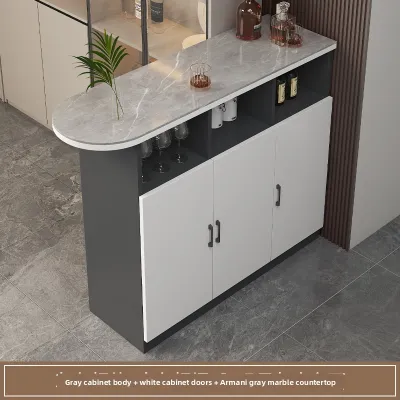
Another excellent space-saving feature is integrated storage. Many compact bar tables are designed with built-in shelving, side cubbies, or dedicated wine racks built directly into the supporting structure or trestle base. This design utilizes the otherwise empty space beneath the tabletop, providing a convenient home for dinnerware, small kitchen appliances, cookbooks, or pantry items. By combining dining and storage into a single footprint, you can eliminate the need for an extra cabinet or sideboard, keeping your condo’s main walkways clear.
For ultra-compact layouts or narrow galley kitchens, wall-mounted folding bar tables offer the ultimate footprint reduction. These tables are anchored directly to the wall studs and feature a top surface that folds completely flat against the wall when closed. When raised, they provide a sturdy ledge for dining or working without requiring any floor legs at all. Expandable slide-out mechanisms, where a secondary tabletop nests underneath the primary surface and slides out on tracks, also offer excellent flexibility for hosting guests without permanently occupying valuable floor area.
Measuring Your Space and Checking Clearances
A common mistake when buying furniture online or from a showroom is relying solely on visual estimation. In a compact condo, a discrepancy of just a few centimeters can block a doorway, obstruct a cabinet, or make sitting down uncomfortable. Precise spatial planning requires measuring not only the physical dimensions of the bar table itself but also the clearance zones around it.

Begin by mapping out the walkway clearances and door swing paths in the intended area. As a general rule, maintain a clear pathway of at least 90 centimeters around the table to allow comfortable passage without having to squeeze past sideways. If the table is placed near an entryway, bathroom door, or kitchen cabinet, measure the full swing radius of those doors to ensure they can open completely without striking the table frame. For drop-leaf or expandable models, always perform these clearance checks using the table’s fully extended dimensions to avoid unpleasant surprises when hosting.
Next, consider the ergonomics of seating by evaluating stool tucking depth and legroom requirements. To keep your living area looking tidy and spacious, choose bar stools that can slide completely underneath the table when not in use. This requires checking the distance between the table legs to ensure the stools can fit side-by-side without overlapping. Additionally, ensure there is sufficient vertical clearance between the stool seat and the underside of the tabletop—typically around 25 to 30 centimeters—to allow comfortable leg movement and prevent your knees from hitting the table frame.
Finally, do not overlook the logistics of getting the table into your unit. High-rise condominiums in the Philippines often have strict rules regarding delivery times, elevator usage, and hallway obstructions. Measure the height and width of your building’s service elevator, the clearance of tight stairwell turns, and the width of your own front door frame. Comparing these measurements against the manufacturer’s packaged shipping dimensions will help you determine if the table can be safely transported to your floor or if you need to opt for a flat-packed model that is assembled directly inside your unit.
Stability and Material Considerations
Because bar tables are taller than standard dining tables, they have a higher center of gravity, making structural stability a primary safety consideration. A wobbly table is not only frustrating to use but can also pose a tipping hazard, especially in high-traffic areas or homes with active pets. Evaluating the build quality and material specifications before purchasing is essential for long-term satisfaction.
When assessing stability, examine the base design and footprint of the table. Models with a wide, heavy base or a trestle design generally offer better resistance to tipping than those with thin, tapered legs. If you are considering a lightweight or wall-mounted model, check if the manufacturer recommends or includes wall-anchoring hardware. Anchoring the table to a solid wall or kitchen island provides an extra layer of security, ensuring the unit remains rock-solid even when loaded with heavy items or leaned upon during a long work session.
The tropical climate of the Philippines, characterized by high humidity and warm temperatures, also demands careful material selection. Condensation from cold drinks can quickly damage low-quality engineered wood, causing the laminate to peel or the core to swell. Look for tables with moisture-resistant finishes, such as powder-coated steel frames, solid wood with protective sealants, or high-pressure laminates. Always review the manufacturer’s care labels and cleaning instructions; choosing surfaces that can be easily wiped clean with a damp cloth will simplify daily maintenance and preserve the table’s appearance.
Lastly, pay close attention to weight capacity limits and the durability of moving parts. Foldable sections and drop-leaves rely heavily on hinges and support brackets to bear weight. Check the product specifications for the maximum load limit of both the main tabletop and the extended leaves. Opt for models that utilize heavy-duty metal hinges and locking pins rather than plastic components, as these moving parts undergo significant stress during daily folding and unfolding cycles.
Building Your Shortlist: Table Types and Use Cases
To narrow down your options, it is helpful to match different compact bar table configurations to your household’s primary activities. Since condo dwellers often use their dining spaces for multiple purposes—such as dining, food preparation, and remote work—identifying your primary use case will guide you toward the most functional design.
If your daily routine involves a mix of quiet solo meals and occasional weekend entertaining, a freestanding drop-leaf pub table is an excellent candidate for your shortlist. These tables offer a classic, casual dining aesthetic and can be easily moved around your living space as needed. During the week, you can keep one leaf folded down and push the table against a wall to serve as a compact two-person dining spot or a dedicated laptop desk. When friends visit, simply pull the table into the center of the room, raise the leaf, and instantly create a social hub for four people.
For those who love to cook but struggle with limited countertop space, a kitchen island extension or a nesting bar table set is highly effective. These models are designed to sit flush against your existing kitchen counter, effectively extending your food preparation area. Some nesting designs feature a slightly lower secondary table or a set of bar stools that slide completely inside the main table frame. This setup allows you to pull out the extra surface when chopping vegetables or plating meals, then tuck it away to keep the kitchen clear while cooking.
If your condo layout is exceptionally tight, or if you want to keep your floor area completely unobstructed, a wall-mounted folding table is the most efficient choice. This configuration is ideal for creating a secondary dining ledge near a window or a dedicated work-from-home station in a quiet corner of the bedroom. Because it folds flat against the wall when your workday or meal is finished, it visually disappears, helping to maintain a clean, minimalist aesthetic in your living space. When choosing this option, ensure your condo’s walls can support the mounting hardware, and always follow the manufacturer’s installation guidelines carefully.
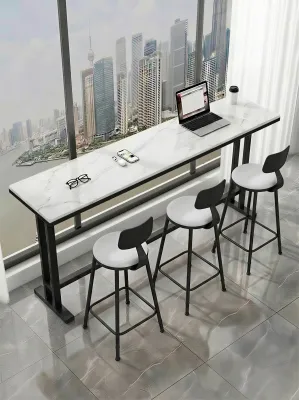
Alternatively, a bar-height console table is a fantastic option for long, narrow spaces such as hallways or the back of a sofa. These tables are exceptionally shallow, often measuring only 30 to 40 centimeters in depth, yet they provide a long surface that can accommodate two or three stools side-by-side. This layout is perfect for watching television while dining or creating a casual drink station during social gatherings. By placing a console bar table in underutilized transitional zones, you can unlock functional dining space without encroaching on your main living area.
Purchasing Checks and Delivery Verification
Before finalizing your purchase from a local furniture showroom or an online marketplace, conducting a few final verification checks can prevent costly return hassles and assembly headaches. Taking the time to scrutinize product listings and clarify delivery details ensures a smooth buying experience.
Start by carefully interpreting the manufacturer’s dimension diagrams. Do not rely solely on the written product description, which may only list the maximum expanded dimensions. Look for detailed technical drawings that clearly show the overall height, width, and depth, as well as the specific dimensions when the table is folded, collapsed, or nested. Verify that these measurements align with the clearance zones you mapped out in your home, leaving ample room for both the table and its accompanying stools.
Next, confirm the assembly requirements and the tools needed to complete the setup. Many compact bar tables sold online are delivered flat-packed to reduce shipping costs, requiring self-assembly. Check the product listing to see if all necessary hardware, hex keys, and clear instructions are included, or if you will need common household tools like a screwdriver or a drill. If you are purchasing a wall-mounted model, verify whether the package includes heavy-duty wall anchors suitable for your condo’s wall type, such as concrete or drywall, to ensure a safe and secure installation.
Finally, review the seller’s return policies, warranty terms, and delivery fees. Large furniture items can be expensive to ship, and return shipping fees for bulky packages can sometimes equal a significant portion of the purchase price. Ensure the seller offers a clear return window in case the item arrives damaged or does not match the advertised specifications. Additionally, check if the delivery service includes bringing the package directly to your unit door or if they only deliver to the building’s lobby, as navigating heavy boxes up several floors can be challenging without assistance.
Frequently Asked Questions (FAQ)
What is the standard height difference between a bar table and its stools?
For comfortable seating and proper posture, the standard height difference between the top of the stool seat and the underside of the bar table should be approximately 25 to 30 centimeters. This gap provides ample legroom for most adults while allowing you to rest your elbows naturally on the tabletop without slouching or straining your shoulders. Because individual table designs and apron depths can vary, always consult the specific product manuals and dimension diagrams for both the table and stools to verify exact measurements before purchasing.
How do I prevent a lightweight foldable bar table from tipping?
Preventing a lightweight foldable bar table from tipping requires a combination of smart weight distribution and physical stabilization. Always place heavier items, such as laptops, heavy serving dishes, or decorative pieces, toward the center of the table or directly over the main support legs rather than on the outer edges of foldable leaves. Additionally, ensure that all locking mechanisms and support brackets are fully engaged and checked regularly for tightness. If the table is placed on an uneven floor, use adjustable leveling feet or consider anchoring the frame to a nearby wall or solid furniture piece, following the manufacturer’s guidelines for maximum load limits.
Community discussion
Share your experience or ask a question. Comments are reviewed before publication.