
Finding a dining table that accommodates a large family of 6 to 10 people while fitting comfortably within a typical home requires balancing daily space needs with hosting capacity. In many households, space is at a premium, making a fixed ten-seater impractical for daily routines. A foldable or expandable dining table offers a practical solution, allowing you to conserve floor space during the week and expand the surface when relatives and guests gather.
In a tropical climate, choosing the right table involves more than just counting seats. High humidity levels, seasonal temperature shifts, and the demands of daily family meals mean you must carefully evaluate the table’s materials, mechanisms, and structural design. Selecting a table that transitions smoothly from a compact four- or six-seater to a spacious ten-seater requires understanding how different expansion mechanisms perform under regular use.
Understanding Expandable Mechanisms for 6 to 10 Seats
Drop-leaf tables feature hinged sections on the sides that hang down when not in use. To expand the table, you lift these leaves and secure them with pull-out brackets or support legs. This mechanism is exceptionally fast to set up, making it ideal for quick transitions before a meal. However, the dropped leaves remain visible when collapsed, which can sometimes limit legroom or affect the room’s aesthetic. Structurally, the hinged sections rely heavily on the strength of the supporting brackets, meaning the outer edges may have lower weight capacities compared to the center.
Products mentioned in this guide
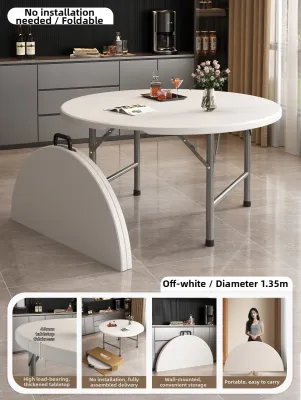
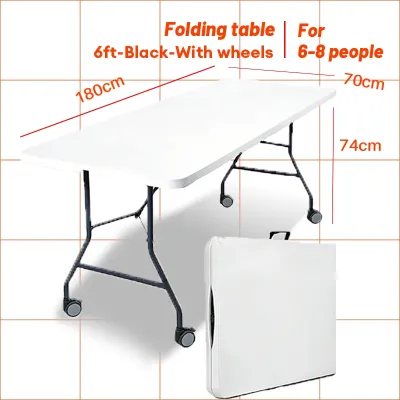
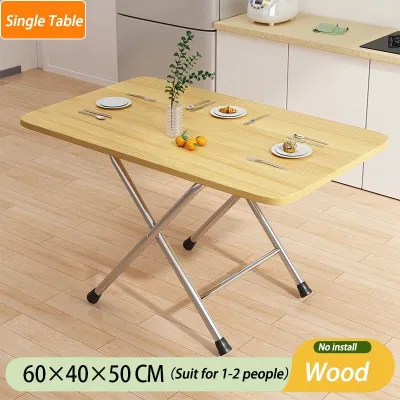
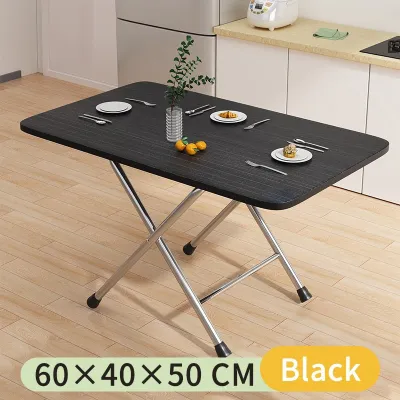
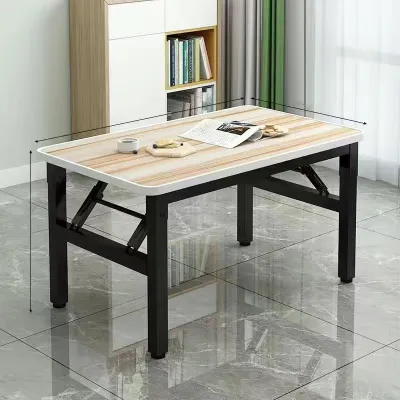
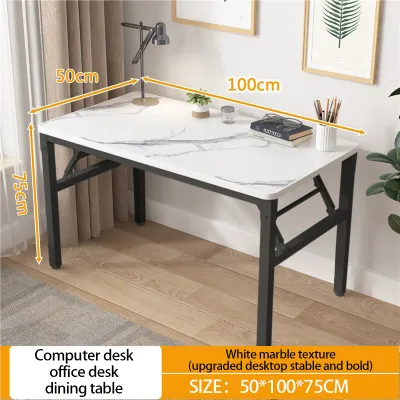
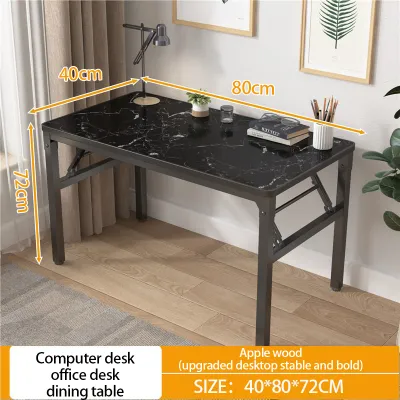
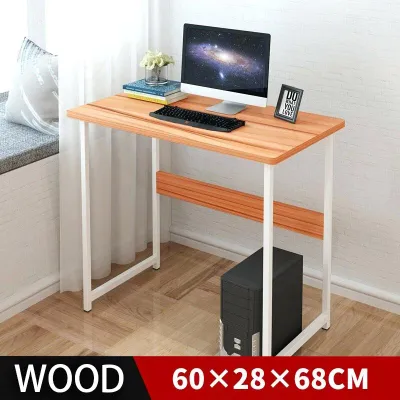
Prices are valid at publication and may change. Please refer to the product page for the latest price.
Butterfly leaf tables utilize a hidden extension leaf stored in a compartment beneath the tabletop. When you pull the two ends of the table apart, the leaf unfolds like wings and locks into place. This design keeps the extension clean, protected from dust, and completely out of sight when the table is collapsed. The trade-off is a more complex mechanical system with hinges and tracks that require regular inspection and smooth alignment. It typically offers excellent stability because the leaf is supported by the main frame of the table.
Removable extension leaves require separate storage when they are not in use. To expand the table, you pull the ends apart, insert one or two loose leaves into the center gap, and lock the table back together. This mechanism provides a highly robust and seamless surface when fully expanded, often supporting the largest seating configurations. The primary drawback is the need for dedicated storage space for the loose leaves, which must be kept in a safe, dry environment to prevent warping.
Seating configurations scale differently depending on the mechanism you choose. A standard drop-leaf might start as a compact four-seater and expand to seat six or eight. A butterfly leaf table often starts as a comfortable six-seater and extends to accommodate eight or ten people. Removable leaf systems offer the greatest flexibility, allowing you to adjust the table in increments—such as starting at six seats, adding one leaf for eight, and a second leaf for ten.
Space Planning and Clearance for Fully Expanded Tables
To ensure a comfortable dining experience, you must measure your dining room with the table fully expanded. A general rule of thumb is to maintain a minimum clearance of 90 centimeters between the edge of the expanded table and the nearest wall, cabinet, or doorway. This space allows guests to pull out their chairs and sit down without feeling cramped. For high-traffic areas or to allow someone to walk behind seated guests comfortably, aim for a clearance of 120 centimeters.

Calculate the total footprint by factoring in the depth of your dining chairs. Standard dining chairs require about 50 to 60 centimeters of depth when tucked in, but they need an additional 50 centimeters of clearance when pulled out for seating. Multiply this by the number of chairs along each side to ensure your room can accommodate the physical footprint of ten seated individuals without blocking major pathways or colliding with other furniture.
Before finalizing your purchase, trace the delivery path from your home’s entrance to the dining area. Measure the width and height of all doorways, narrow hallways, stairwells, and elevator cabins. Large expandable tables, even when flat-packed, often feature heavy, long main frames or pre-assembled central pedestals that cannot navigate tight corners. Confirming these dimensions beforehand prevents the frustration of a delivery that cannot physically enter your home.
Evaluating Stability and Weight Capacity for Large Gatherings
A table hosting six to ten people must withstand significant weight, from heavy serving platters to guests leaning on the edges. Inspect the leg placement; tables with legs positioned at the outermost corners generally offer superior stability when fully extended compared to central pedestal designs, which can become top-heavy if the base is not sufficiently weighted. Look for robust cross-bracing beneath the tabletop and secure locking mechanisms that hold the extension tracks firmly in place to prevent accidental sliding.
Always locate the manufacturer’s official weight capacity specifications before purchasing. A reliable expandable table should specify both the concentrated weight limit for individual sections and the total distributed weight capacity. Ensure the table can support a fully laden spread of food, dinnerware, and serving dishes across its entire length, especially on the extended leaves which are naturally more vulnerable to leverage forces.
Do not assume a table is durable simply because it is labeled as solid wood or heavy-duty metal. The overall stability depends heavily on the quality of the joints and hardware. Examine the joinery—mortise and tenon joints or reinforced metal brackets are far more durable than simple wood screws or glue. Check the quality of the hinges, slides, and alignment pins; high-quality, rust-resistant hardware is essential in humid environments to ensure the expansion mechanism operates smoothly for years.
Choosing Durable Surfaces and Finishes for Daily Family Meals
Daily family meals, especially with large groups, expose the tabletop to spills, heat, and physical wear. Treated solid wood offers classic beauty and can be refinished if damaged, but it requires regular sealing and is sensitive to extreme humidity changes. High-pressure laminates are highly practical, offering excellent resistance to moisture and stains while being easy to wipe clean. Tempered glass provides a modern look and is highly resistant to liquid damage, but it requires frequent wiping to remove fingerprints and must be handled carefully to avoid chipping along the edges.
Check the manufacturer’s care instructions regarding heat and scratch resistance. In many households, hot serving pots and serving dishes are placed directly on the table. While some engineered surfaces offer basic heat resistance, always verify if trivets or heat pads are recommended. Look for scratch-resistant coatings on laminates and veneers to ensure that sliding plates and utensils do not leave permanent marks over time.
Pay close attention to the seams where the extension leaves meet the main tabletop. When the table is fully expanded, these seams should align perfectly without any noticeable gaps or height differences. Uneven seams not only compromise stability but also act as traps for food crumbs, dust, and spilled liquids. High-quality tables feature alignment pins and under-table latches that pull the seams tightly together, making cleanup straightforward and preventing moisture from seeping into the inner core of the table.
Final Pre-Purchase and Delivery Checklist
Double-check the manufacturer’s spec sheet for both the fully collapsed and fully expanded dimensions. Map these measurements onto your dining room floor using painter’s tape or newspaper templates. This physical layout helps you visualize how much space remains for movement when hosting a full house of ten people, ensuring you do not accidentally overcrowd your living area.
Determine the assembly complexity before the table arrives. Large expandable tables are heavy and often require at least two people to assemble safely. Check if the package includes all necessary tools or if you will need specific equipment like a drill or socket wrench. If the mechanism is pre-installed, verify if any calibration or lubrication is required before the first use.
Carefully review the warranty terms provided by the retailer or manufacturer. Because expandable tables rely on moving parts, ensure the warranty explicitly covers the hinges, extension tracks, alignment pins, and locking mechanisms, rather than just the structural frame. A comprehensive warranty on these moving components provides peace of mind that the table will remain functional through hundreds of expansions and contractions.
Frequently Asked Questions (FAQ)
How do I prevent removable extension leaves from warping over time?
To prevent removable leaves from warping, store them in a climate-controlled environment away from direct sunlight, air conditioning vents, and areas with high humidity fluctuations, such as damp storage rooms or laundry areas. Store the leaves flat, with the finished side facing up, or vertically on a padded surface to prevent warping from uneven weight distribution. Avoid leaning them against walls at sharp angles, as gravity can cause the wood or engineered core to bow over time. Using a protective storage bag can also shield the surfaces from scratches and dust.
Can I add extra chairs to a fully expanded 10-seat table for special occasions?
While it is tempting to squeeze extra guests around the table, doing so carries structural and comfort risks. Exceeding the manufacturer’s recommended seating capacity can overload the table’s edges, especially on extended leaves that lack direct leg support. Additionally, adding extra chairs reduces the legroom and elbow room for each guest, leading to an uncomfortable dining experience. Before attempting to add temporary seating, check the table’s physical stability, ensure the weight remains evenly distributed, and verify that there is still sufficient clearance behind the chairs for safe movement.
Community discussion
Share your experience or ask a question. Comments are reviewed before publication.