
Selecting the right headboard for queen size bed setups requires balancing physical dimensions, bed frame compatibility, material suitability for your local climate, and room clearance. A headboard is not merely a decorative backdrop; it serves as a functional barrier that protects your wall, supports your posture when sitting up, and anchors the visual design of your bedroom. Making an incorrect choice can lead to alignment issues with your existing frame, cramped walking paths, or materials that degrade quickly under local environmental conditions.
To find a headboard that fits your space and lifestyle, you must evaluate how the piece attaches to your bed, how its materials handle humidity, and whether its physical footprint matches your room’s layout. By taking precise measurements and assessing your daily habits, you can select a headboard that is both visually proportional and structurally secure.
Measure for the Right Headboard for Queen Size Bed Dimensions and Visual Proportions
Before browsing styles, you must establish your target dimensions based on standard bedding measurements. A standard queen mattress in the Philippines typically measures 60 inches wide by 75 inches long (152 cm by 190 cm). To ensure the headboard frames the bed beautifully without looking cramped, the headboard should generally be 2 to 4 inches wider than the mattress. This means a total headboard width of 62 to 64 inches is ideal. This extra width creates a clean visual border and prevents your bedding from rubbing directly against the wall, reducing paint wear and friction.
Products mentioned in this guide

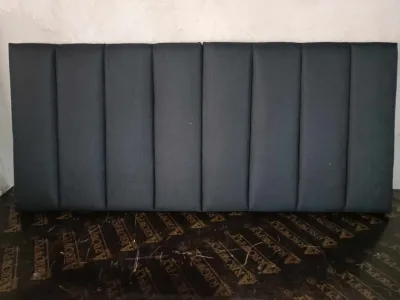
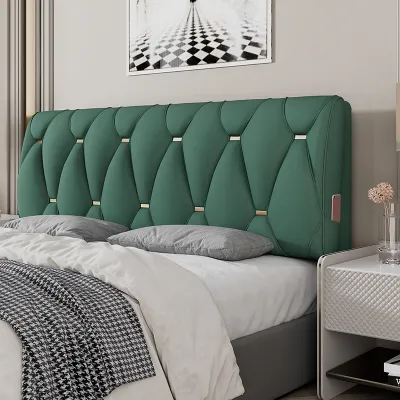
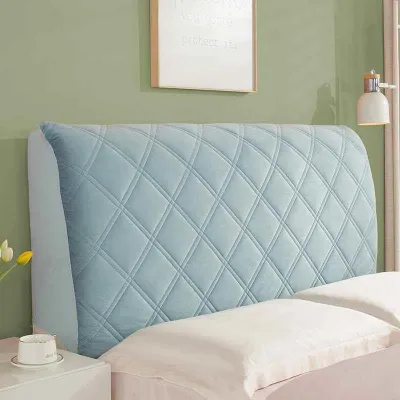
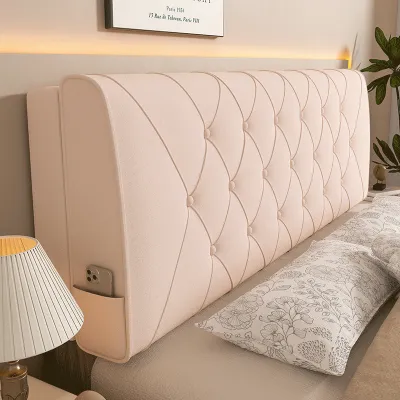
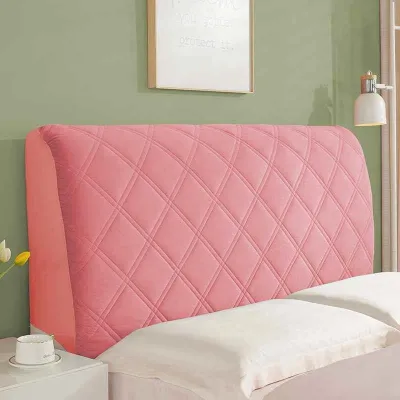
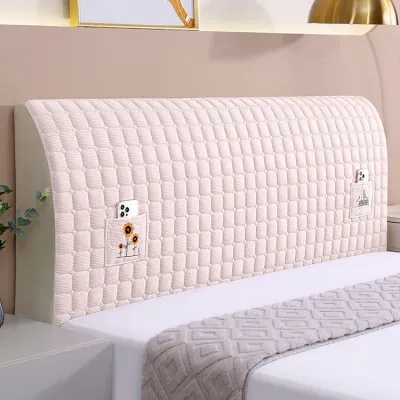
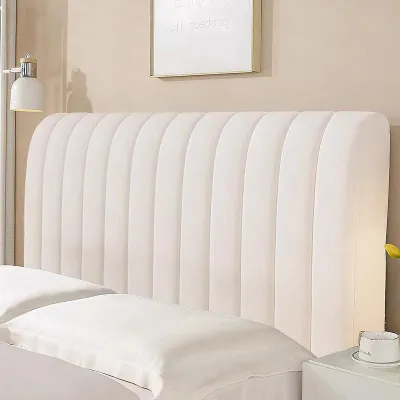
Prices are valid at publication and may change. Please refer to the product page for the latest price.
Height is the next critical dimension to calculate. The total height of your headboard should complement your bedroom’s ceiling height and existing wall fixtures. For standard 2.4-meter to 2.7-meter ceilings, a visible headboard height of 14 to 24 inches above the top of the mattress provides a balanced look. If you have exceptionally high ceilings, you can opt for a taller statement piece, but you must verify that it will not block wall outlets, light switches, window frames, or mounted artwork. Always measure from the floor to your lowest wall fixture to determine your maximum height limit.
Thickness and depth are frequently overlooked but heavily influence room flow. A standard panel headboard is usually 2 to 3 inches thick, whereas deep-tufted or storage-style headboards can range from 6 to 10 inches in depth. Every inch of headboard thickness pushes your entire bed frame further into the room. In compact urban apartments or condominiums, this shift can severely restrict walking paths at the foot of the bed or make it difficult to reach items on your bedside tables. Measure your remaining floor space carefully to ensure a thick headboard will not create a bottleneck.
Finally, consider doorway and lift access before finalizing your purchase. A large, solid headboard must be able to navigate tight corridors, stairwells, and elevator doors during delivery. If your building has a small passenger lift, a modular, KD (knock-down), or wall-mounted headboard that arrives in smaller packaging is often a much safer choice than a single, fully assembled oversized panel.
Diagnose Your Bed Frame for Compatibility and Attachment
Not every headboard can attach to every bed frame. To prevent compatibility issues, you must inspect your current bed base to identify its structural connection points. Look closely at the head of the bed frame for pre-drilled bolt holes, slot brackets, or hook-on slots. If these connection points are present, measure the exact distance between the center of the left and right mounting holes to ensure they align with the mounting slots on your prospective headboard.

Understanding the three primary mounting methods will help you narrow down your options:
- Frame-Attached Headboards: These bolt directly to the back of your existing bed frame. They rely on the frame's stability, making them highly secure as long as the bolt patterns match. They are ideal if you want a cohesive, single-unit look and plan to rearrange your room layout occasionally.
- Wall-Mounted Headboards: These hang directly on the wall using interlocking brackets or French cleats. Because they do not touch the bed frame, they are highly stable and eliminate any wobbling or squeaking. However, they require permanent wall drilling and are more difficult to reposition.
- Freestanding Headboards: These stand on the floor on their own legs and are sandwiched tightly between the mattress base and the wall. While they are incredibly easy to install without tools, they rely on the weight of the bed to stay upright and may wobble slightly if the bed is shifted.
If your bed frame is a solid-back platform bed, a simple divan base, or completely lacks mounting brackets, you do not have to buy a new frame. Instead, look for freestanding or wall-mounted alternatives. These options allow you to enjoy the aesthetic of a headboard without needing physical connection points on the bed frame itself.
For wall-mounted units, stability and safety must be your top priorities. In the Philippines, residential walls are commonly constructed from concrete, hollow blocks, or drywall. If you are mounting a heavy wood or upholstered headboard onto drywall, you must locate the wooden or metal wall studs and anchor the brackets directly into them; relying solely on plastic drywall anchors can lead to structural failure. For concrete or masonry walls, ensure you use high-quality masonry drill bits and heavy-duty concrete wall plugs (tox screws) to handle the weight safely.
Choose Materials and Styles Suited for Your Space and Climate
Your choice of material defines both the visual character of your bedroom and the amount of maintenance required. In a tropical, high-humidity climate, materials behave differently than they do in dry environments. You must evaluate how each material handles moisture, dust, and daily wear before making a decision.
- Upholstered Headboards: These offer a soft, luxurious feel that is highly comfortable for sitting up in bed. However, in humid environments, untreated fabrics can trap moisture, leading to mold, mildew, or dust mite accumulation. If you prefer upholstery, check the manufacturer's care labels for moisture resistance and prioritize tightly woven performance fabrics, linen blends, or synthetic polyesters that dry quickly.
- Faux Leather (PU or PVC): Faux leather provides a sleek, modern look and is incredibly easy to wipe clean with a damp cloth. However, low-quality faux leather can crack, peel, or become sticky when exposed to consistent tropical heat and humidity. If choosing faux leather, look for high-grade polyurethane (PU) with UV-resistant finishes and keep it out of direct sunlight.
- Solid Wood: Wooden headboards bring natural warmth and rustic charm to a bedroom. Local hardwoods like acacia, tanguile, or mahogany are highly durable but must be properly sealed with a polyurethane or lacquer topcoat. Raw or untreated wood can warp, crack, or attract wood-boring insects (bukbok) when exposed to seasonal humidity changes. Always verify that the wood has been kiln-dried and sealed.
- Engineered Wood (MDF or Particle Board): This is a highly budget-friendly option available in many contemporary designs. However, standard engineered wood is highly susceptible to moisture absorption. If the edges are not perfectly sealed, humidity can cause the material to swell, bubble, and lose its structural integrity. Check that all edges have high-quality edge-banding and avoid placing these headboards against damp exterior walls.
- Metal Headboards: Typically made of iron, steel, or brass, metal headboards offer excellent durability and a minimalist, open profile that allows air to circulate freely. They do not trap dust or moisture, making them an excellent low-maintenance choice for humid climates. To prevent rust, ensure the metal has a powder-coated or rust-resistant painted finish.
To maintain a cohesive bedroom aesthetic, align the headboard’s style with your existing furniture. A tufted fabric headboard complements classic, transitional, or glam interiors, while a clean-lined wooden or metal spindle headboard fits perfectly into Scandinavian, industrial, or minimalist spaces. Matching the wood tones or metal finishes of your headboard with your nightstands and wardrobe will create a unified, intentional design.
Identify Functional Needs and Room Clearance Limits
Your daily habits should dictate the functional features of your headboard. If you frequently read, work on a laptop, or watch television in bed, a standard flat wooden or metal headboard may feel uncomfortable against your back. For active sitting, look for a taller headboard with thick padding, or choose an ergonomically angled design that supports your natural spinal curve.
If your bedroom is small or lacks space for traditional bedside tables, a functional storage headboard can maximize your floor plan. Many modern headboards feature built-in shelving, integrated LED reading lights, USB charging ports, or hidden drop-down compartments. While highly convenient, these features add significant physical depth to the headboard, often extending 8 to 12 inches from the wall.
Before purchasing a deep storage headboard, map out your entire room layout to prevent clearance issues. Use painter’s tape on the floor to mark the extended footprint of the bed with the new headboard installed. Verify the following clearances:
- Walking Paths: Ensure you have at least 60 cm (24 inches) of walking space around the foot and sides of the bed.
- Door Swings: Check that the bedroom door and closet doors can swing fully open without hitting the mattress or frame.
- Drawer Access: If you have a wardrobe or under-bed storage drawers, make sure they have enough clearance to open completely.
Pre-Purchase Self-Check Checklist
Before finalizing your purchase, use this diagnostic checklist to ensure you have gathered all necessary measurements and verified compatibility:
- Width Match: Is the headboard between 62 and 64 inches wide to fit your 60-inch queen mattress properly?
- Height and Fixture Clearance: Have you measured the height of your wall outlets, switches, and windows to ensure the headboard won't block them?
- Frame Compatibility: Have you checked your bed frame for brackets, or confirmed that you are buying a freestanding/wall-mounted model that matches your frame type?
- Wall Material and Anchoring: Do you have the correct tools and wall plugs (masonry anchors for concrete, stud finders for drywall) to mount the headboard safely?
- Climate and Care: Have you verified that the material is sealed, treated, or easy to clean in high-humidity conditions?
- Room Flow and Delivery: Have you confirmed that the headboard's thickness won't block walking paths, and that the packaged box can fit through your doorways and elevator?
If you answered “yes” to all of these points, you are ready to proceed with your purchase. If your bed frame lacks brackets, focus your search on freestanding or wall-mounted models. If your room dimensions are highly irregular, have awkward wall projections, or feature non-standard layouts, consider consulting a local carpenter or interior professional for a custom-built solution.
Frequently Asked Questions (FAQ)
Can I use a larger headboard on a queen size bed?
While a headboard that is 2 to 4 inches wider than your mattress is standard, using a significantly larger headboard—such as one designed for a king-size bed—is generally not recommended. A king headboard (typically 78 to 80 inches wide) will overhang a queen bed by nearly 10 inches on each side. This mismatch often looks visually disproportionate, leaves unsightly gaps where the frame attaches, and can block adjacent nightstands, wall outlets, or light switches. Stick to queen-specific dimensions or custom-built panels for a clean, balanced look.
How high should the headboard sit above the mattress?
For standard ceilings, a visible headboard height of 14 to 24 inches above the top of your mattress is the ideal rule of thumb. This height ensures that the headboard remains visible when you prop up your sleeping pillows, while keeping the overall proportions of the bed balanced within the room. If you prefer to sit up and lean against the headboard, measure your personal sitting height from the top of the mattress to your head to ensure the headboard is tall enough to support your upper back and neck.
What if my bed frame has no headboard brackets?
If your bed frame lacks pre-drilled holes or mounting brackets, you have two practical options. First, you can purchase a freestanding headboard that stands on its own legs; the weight of your mattress and bed base will press it firmly against the wall, keeping it stable without bolts. Second, you can choose a wall-mounted headboard that hangs on French cleats. If you select a wall-mounted design, ensure you anchor the mounting brackets securely into your wall studs or use heavy-duty masonry anchors if mounting directly onto a concrete wall.
Community discussion
Share your experience or ask a question. Comments are reviewed before publication.