
Finding the ideal workspace for a compact condominium can be a challenge, especially when your kitchen and dining areas share the same footprint. A foldable table heavy duty stainless steel model offers an excellent solution, providing a hygienic, durable surface for meal preparation that can easily transition into a dining bar or fold away entirely when you need extra floor space. The best option for your home is one that fits your specific layout dimensions, features a robust locking mechanism to prevent wobbling, and uses high-quality steel that resists the moisture of a busy kitchen.
By focusing on precise measurements, structural integrity, and material quality, you can select a versatile piece of furniture that enhances both the functionality and modern aesthetic of your open kitchen.
Mapping Your Condo Kitchen Layout and Clearance Requirements
Before purchasing any folding furniture, you must carefully evaluate the physical limits of your condo kitchen. Open-concept layouts require careful planning to ensure that a new table does not block essential pathways or interfere with the operation of nearby appliances.
Products mentioned in this guide
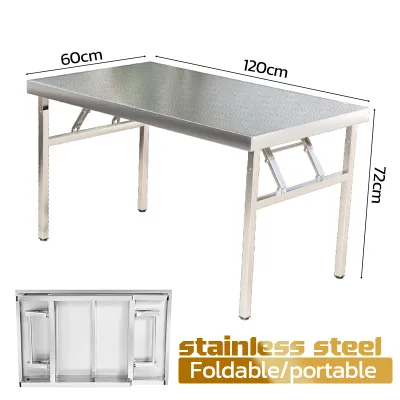
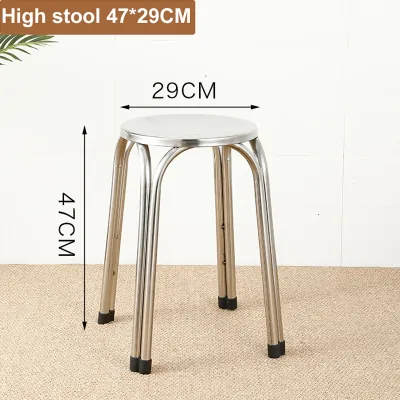
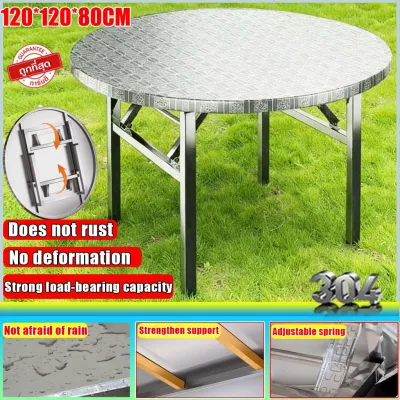
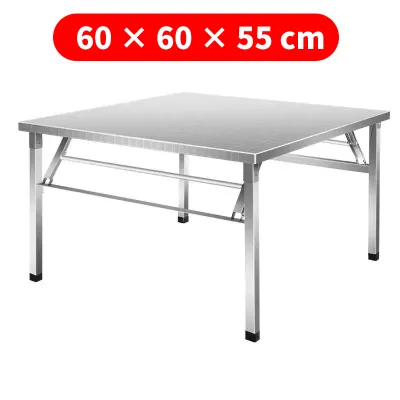
Prices are valid at publication and may change. Please refer to the product page for the latest price.
Start by measuring the exact floor area where you plan to position the table when it is fully unfolded. You should maintain a clearance of at least 60 to 90 centimeters around all active sides of the table to allow for comfortable movement, especially when carrying hot dishes or working near a hot stove.
Next, measure the dimensions of the table when it is completely folded. If you intend to store the table in a narrow gap—such as between a refrigerator and a wall, or inside a utility closet—verify that the folded thickness, including any protruding hinges, brackets, or wheels, fits comfortably within that space.
Traffic flow is another critical consideration in shared cooking and dining zones. To prevent bottlenecks, observe how family members move through the space during peak meal times, and choose a table placement that keeps the main walkway clear.
Positioning the table parallel to your main kitchen counter can create a highly functional temporary island for food prep. Alternatively, placing it perpendicular to a wall allows it to serve as a convenient breakfast bar or dining table while keeping the center of the room open.
Selecting the Right Stainless Steel Finish and Design Features
The surface material and design details of your table directly impact its safety, durability, and daily usability. Because this table will serve dual purposes as a food preparation station and a dining area, selecting the right specifications is essential.

When browsing options on an online marketplace, always check the manufacturer’s product specifications for food-safe material grades. High-grade stainless steel alloys are highly recommended for kitchen environments because they offer excellent resistance to corrosion and rust, which is particularly important in humid tropical climates.
Pay close attention to the edge treatments and corner designs of the tabletop. In tight condo spaces where people frequently walk past, sharp metal corners pose a constant safety hazard; look for tables with rounded bullnose edges or safety-capped corners to prevent painful bumps.
The choice between adjustable leveling feet and locking casters depends on your flooring and how often you plan to move the table. If your condo has slightly uneven tile floors, adjustable leveling feet allow you to stabilize the table by turning individual feet until the surface is perfectly level.
If you prefer mobility, look for models equipped with heavy-duty locking casters. Ensure the wheels are made of non-marring materials like polyurethane or rubber to protect delicate vinyl, laminate, or engineered wood floors from scratches and scuff marks.
Verifying Stability, Load Limits, and Folding Hardware
A folding table must feel completely secure and stable when you are performing heavy kitchen tasks like chopping vegetables, kneading dough, or operating small appliances. Evaluating the structural design before buying is the best way to avoid a shaky workspace.
Always read the detailed product specifications for the maximum static and dynamic weight capacities rather than relying on vague marketing claims. A high-quality table will clearly state how many kilograms it can safely support when stationary and when in motion.
Inspect the folding hardware, including the hinge mechanisms, locking pins, and support brackets. Look for heavy-duty steel hinges that lock securely into place with a distinct click, ensuring the legs cannot fold or collapse accidentally while the table is in use.
The underlying frame design plays a vital role in preventing lateral movement. Tables with reinforced cross-bracing or thick metal gussets under the tabletop offer significantly better stability, preventing the table from swaying or wobbling during active food preparation.
Investing in a structurally sound table, which may cost several thousand Pesos (₱), ensures long-term safety and performance, saving you from the frustration of a flimsy workspace that compromises your kitchen safety.
Daily Cleaning and Long-Term Care for Kitchen Prep Surfaces
To keep your stainless steel table looking sleek and professional, you must establish a gentle and consistent cleaning routine. Proper maintenance protects the metal’s protective surface layer and prevents premature wear.
For daily cleaning, simply mix a few drops of mild dishwashing liquid with warm water. Wipe down the surface using a soft microfiber cloth, always rubbing in the direction of the polished metal grain to avoid creating dull spots or fine scratches.
Avoid using abrasive scrubbing pads, steel wool, or harsh chemical cleaners containing chlorine bleach. These abrasive materials scratch the smooth surface of the steel, stripping away its natural resistance to rust and making it much harder to clean in the future.
Because tap water can contain minerals that leave white spots or scale on metal surfaces, never allow water to air-dry on the table. Always dry the surface immediately with a clean, dry microfiber towel after cleaning to maintain a spotless, reflective finish.
Frequently Asked Questions (FAQ)
Can a foldable stainless steel table support heavy kitchen appliances?
Yes, a high-quality foldable stainless steel table can support common kitchen appliances, provided you verify the manufacturer’s specific load ratings before placement. Always distribute the weight of heavy items like microwaves, stand mixers, or ovens evenly across the center of the table rather than concentrating the load on one edge or corner. Additionally, avoid operating appliances that produce strong vibrations, such as food processors or blenders, while the table is on casters or if the locking mechanisms are not fully engaged, as this can cause the table to shift.
Is it safe to cut food directly on a stainless steel table surface?
It is not recommended to cut food directly on a stainless steel tabletop. Using knives directly on the steel will quickly dull your knife blades and leave deep scratches on the table’s surface. These scratches not only ruin the polished aesthetic of the metal but also create microscopic grooves where food particles and bacteria can accumulate, making the table much more difficult to sanitize thoroughly over time. Always use a dedicated plastic, wood, or composite cutting board for all chopping and slicing tasks.
Community discussion
Share your experience or ask a question. Comments are reviewed before publication.