
Selecting the right wardrobe involves balancing durability, storage capacity, and environmental resistance. While traditional wooden wardrobes are popular, they often struggle with issues like warping, mold, and pest infestations in tropical environments. A high-quality metal cabinet heavy duty for clothes offers a robust, long-lasting alternative that stands up to heavy loads and challenging climates. To find a model that truly delivers on its heavy-duty promise, you must look beyond basic aesthetics and evaluate specific engineering details, material treatments, and structural configurations.
Investing in a heavy-duty metal wardrobe requires a clear understanding of what makes steel furniture durable. From the thickness of the metal sheets to the specialized coatings that prevent rust during the humid monsoon season, every detail impacts the lifespan of your furniture. By focusing on key quality indicators, internal storage configurations, and safe installation practices, you can select a cabinet that protects your garments and provides reliable service for decades.
Key Quality Indicators to Ensure Durability and Strength
Steel Thickness and Gauge
The foundational strength of any metal wardrobe depends on the thickness of the steel sheets used in its construction. When browsing specifications, look closely at the steel gauge or thickness measurements provided by the manufacturer. In sheet metal, a lower gauge number indicates thicker, more robust steel. For heavy-duty applications, cabinets constructed from steel ranging between 18-gauge and 22-gauge offer excellent resistance to denting and structural bowing. Thinner steel, such as 24-gauge or higher, is more susceptible to flexing under the weight of heavy winter coats, denim, or stacked storage boxes. Always verify the steel thickness on the manufacturer’s technical specification sheet before purchasing, as visual inspections alone can be deceptive.
Products mentioned in this guide
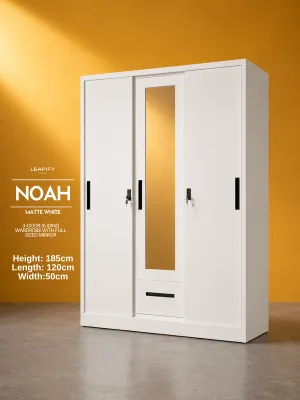

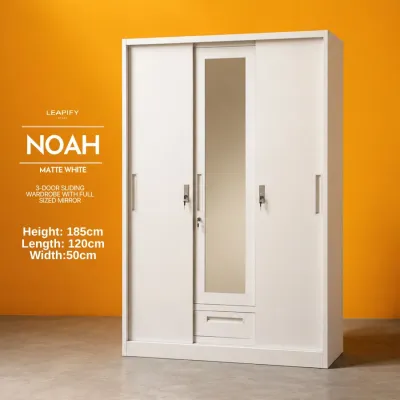
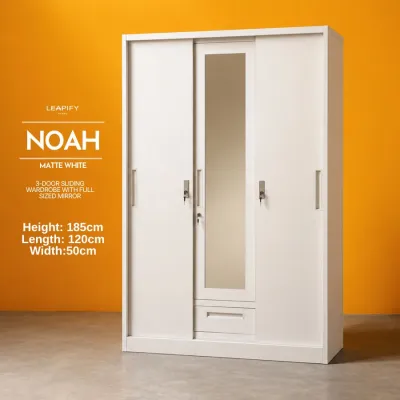
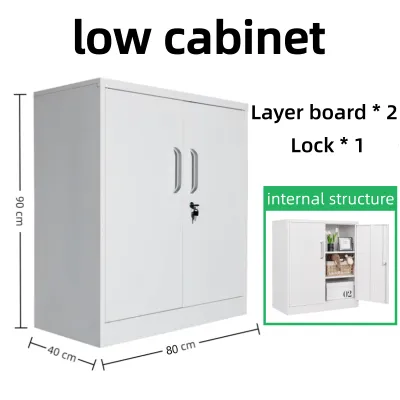
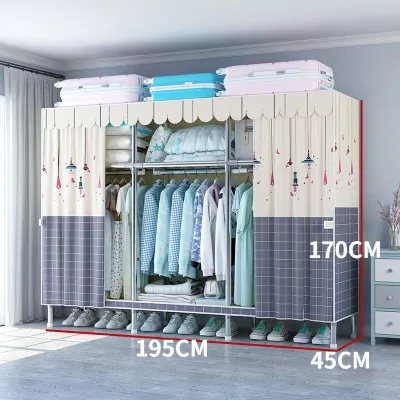
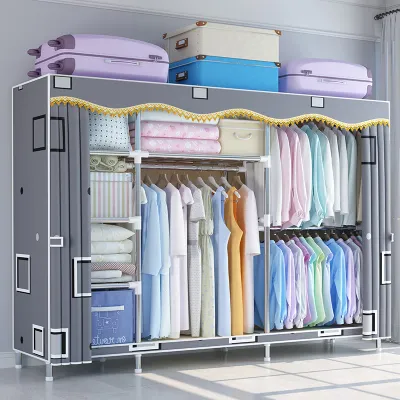
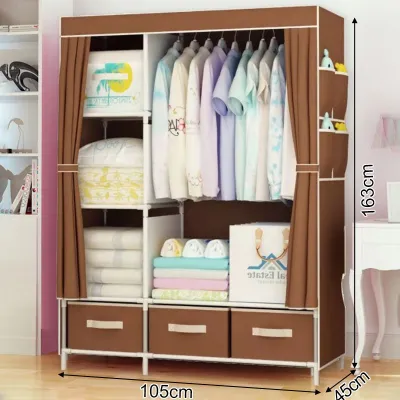
Prices are valid at publication and may change. Please refer to the product page for the latest price.
Surface Treatment and Rust Prevention
In a tropical climate characterized by high humidity and salt-laden air, unprotected steel will inevitably oxidize and rust. To prevent this, a heavy-duty cabinet must feature a high-quality surface treatment. Electrostatic powder coating is the industry standard for durable metal furniture. This process involves applying a dry powder to the steel and curing it under heat to create a hard, non-porous barrier that is far more resistant to scratching, chipping, and moisture than standard liquid paint. When evaluating a cabinet, check the product description for terms like “powder-coated finish” or “anti-rust pre-treatment.” Inspect the physical unit or detailed product photos, paying close attention to the consistency of the coating along the edges, interior corners, and seams where rust often starts.
Structural Joints and Welding
A metal cabinet is only as strong as the joints holding it together. Heavy-duty models rely on a combination of precision welding and high-strength bolted connections to maintain structural integrity. Continuous welds or closely spaced spot welds along critical load-bearing seams prevent the frame from twisting or shearing when fully loaded. Additionally, look for cabinets that incorporate reinforcement ribs—bended metal channels welded to the interior of the back and side panels. These ribs distribute weight evenly and prevent the large flat sheets of metal from oil-canning, which is the popping sound made when thin metal flexes in and out.
Weight Capacity Labels
Avoid relying on generic marketing terms like “ultra-strong” or “heavy-duty” without concrete data to support them. Reputable manufacturers provide explicit weight capacity ratings for both individual shelves and the overall cabinet structure. A true heavy-duty wardrobe shelf should comfortably support a static load of at least 50 to 80 kilograms without visible sagging. The overall cabinet capacity should scale accordingly, often reaching 300 kilograms or more for multi-compartment units. Always cross-reference these ratings with your intended storage needs, keeping in mind that folded linens, heavy denim, and storage organizers can accumulate weight quickly.
Internal Features That Maximize Clothing Storage and Protection
Hanging Rod Strength and Adjustability
The hanging rod is often the first component to fail in a poorly constructed wardrobe. For a heavy-duty setup, the rod should be made of thick-walled steel or chrome-plated iron rather than thin aluminum or plastic. Examine the mounting brackets that secure the rod to the cabinet walls; they should be bolted or welded directly to the frame rather than suspended by flimsy plastic clips. If the cabinet width exceeds 90 centimeters, verify if the manufacturer includes a center support bracket to prevent the rod from bowing downward under the weight of densely packed hangers.

Adjustable Shelving Systems
Your storage needs will inevitably change over time, making fixed shelving a major limitation. Look for cabinets that feature adjustable shelving systems utilizing heavy-duty steel support pins or vertical slotted tracks. This design allows you to raise or lower individual shelves in small increments, maximizing vertical space for bulky items like bedding, shoes, or specialized storage bins. Ensure that the shelf support clips lock securely into the tracks so they cannot be accidentally dislodged when sliding heavy items in and out of the cabinet.
Ventilation and Moisture Control
Enclosing organic materials like cotton, wool, and leather inside an airtight metal container can trap ambient moisture, leading to mold, mildew, and musty odors. This risk is particularly high during the rainy season in the Philippines, when indoor humidity levels soar. To protect your garments, select a metal cabinet equipped with built-in ventilation features. Slanted louvers stamped into the doors, perforated metal panels, or small mesh vents allow continuous air circulation. This passive airflow helps equalize internal and external humidity levels, keeping your clothes fresh and dry.
Drawer Mechanisms and Hardware
If your chosen configuration includes drawers, the quality of the moving hardware is just as important as the steel frame. Low-quality drawers on simple plastic rollers will quickly stick, bind, or derail under moderate loads. Look for cabinets equipped with full-extension, ball-bearing drawer slides. These slides ensure smooth, quiet operation even when the drawer is filled to capacity. Additionally, check for built-in drawer stops that prevent the drawer from pulling completely out of the cabinet frame, reducing the risk of injury or spilled belongings.
Recommended Cabinet Configurations for Different Wardrobe Needs
Full-Hanging Configuration for Long Garments and Suits
A full-hanging configuration is designed primarily for individuals who need to store a large volume of long garments, formal wear, or business attire. This layout maximizes vertical hanging space by dedicating the entire height of the cabinet—or a significant portion of it—to one or two long hanging rods.
- Applicability: This setup is ideal for professionals, performers, or anyone with an extensive collection of long dresses, coats, suits, and delicate fabrics that must remain hung to prevent creasing.
- Key Features to Verify: Ensure the vertical clearance from the rod to the bottom of the cabinet is at least 120 to 150 centimeters. The hanging rod must be supported by heavy-duty end brackets, and the top panel of the cabinet should be reinforced to handle the concentrated downward pull.
- Limitations: This configuration offers minimal space for folded clothing, undergarments, or small accessories, meaning you will likely need to supplement it with separate dresser drawers or hanging fabric organizers.
Mixed Shelving and Drawer Configuration for Everyday Wear
For general household use, a mixed configuration offers the most versatile storage solution. This layout typically divides the cabinet interior into several distinct zones, combining a medium-length hanging rod with multiple adjustable shelves and built-in drawers.
- Applicability: Perfect for families or individuals who need to store a diverse wardrobe consisting of t-shirts, jeans, folded sweaters, undergarments, and daily accessories.
- Key Features to Verify: Look for a configuration where the shelves can be easily rearranged or completely removed if you need to adjust the balance between hanging and folded storage. Verify that the drawers are positioned at an ergonomic height and feature smooth ball-bearing slides.
- Limitations: Because the interior space is shared among different storage types, the maximum hanging length is reduced, making it difficult to store long dresses or full-length coats without folding them at the bottom.
Secure Locking Configuration for Shared or Commercial Spaces
When a wardrobe is placed in a shared living arrangement, office, dormitory, or semi-public space, security becomes a primary concern. A secure locking configuration utilizes reinforced steel doors and specialized locking mechanisms to protect personal belongings and valuable items.
- Applicability: Highly recommended for boarding houses, shared apartments, staff changing rooms, or home offices where sensitive documents or expensive equipment are stored alongside clothing.
- Key Features to Verify: Look for a three-point locking system, which secures the door at the top, bottom, and center with a single turn of the key. Evaluate the quality of the lock cylinder and check if the handle design supports secondary padlocks or digital keypad upgrades for keyless entry.
- Limitations: High-security locking systems and reinforced doors increase the overall weight and cost of the cabinet. Additionally, mechanical locks require careful key management, while digital locks require periodic battery replacements.
Space Planning and Safe Installation Checklist
Measuring Available Space and Clearances
Before finalizing your purchase, you must measure the physical dimensions of the intended installation site with high precision. Do not rely on visual estimates. Measure the available width, depth, and ceiling height, taking note of any baseboards, wall moldings, light fixtures, or electrical outlets that might obstruct the cabinet. Ensure you leave at least 5 to 10 centimeters of clearance at the top and sides of the cabinet to allow for proper air circulation and to make the installation process manageable. Additionally, measure the swing path of the cabinet doors to guarantee they can open fully without striking nearby walls or other furniture.
Delivery Access and Pathway Checks
Because heavy-duty metal cabinets are exceptionally heavy and rigid, transporting them to their final location requires careful planning. If the cabinet is delivered fully welded and assembled, you must map out the entire delivery pathway. Measure the width and height of all doorways, narrow hallways, stairwell corners, and elevator cabins to confirm the unit can physically pass through. For flat-packed models, verify that the individual packages can be safely maneuvered through tight spaces. Failing to perform these checks beforehand can result in costly return shipping fees or damage to your home’s walls and door frames.
Floor Leveling and Anti-Tip Safety
An uneven floor can cause a heavy metal cabinet to tilt slightly, which puts uneven stress on the frame and causes the doors to misalign, bind, or swing open on their own. Choose a cabinet equipped with adjustable leveling feet, which allow you to compensate for minor floor slopes. Furthermore, due to their height and weight, tall metal wardrobes present a serious tip-over hazard if they are overloaded or if someone attempts to climb them. It is highly recommended to anchor the cabinet securely to the wall using an anti-tip safety kit. For concrete or masonry walls common in Philippine homes, use appropriate expansion shields and heavy-duty screws to ensure a solid anchor.
Assembly Requirements
When purchasing a flat-pack metal cabinet, prepare the necessary tools and assistance before starting the assembly process. Steel panels are heavy and can have sharp edges before they are fully joined, so wearing protective work gloves is highly recommended. You will generally need a rubber mallet to tap joints into place without denting the powder coating, as well as a high-quality screwdriver. Because of the weight and size of the panels, assembling a heavy-duty metal wardrobe is almost always a two-person job. If you lack the physical strength, tools, or time required for a safe assembly, consider hiring professional installation services from the retailer.
Frequently Asked Questions (FAQ)
Can a heavy-duty metal cabinet rust in a humid climate?
Yes, a metal cabinet can rust if it is subjected to high humidity without proper surface protection or maintenance. To prevent rust, you must ensure the cabinet has a high-quality, continuous electrostatic powder coating, which acts as a barrier against moisture. For long-term maintenance, avoid placing the cabinet directly against damp exterior walls, wipe up any liquid spills immediately with a dry microfiber cloth, and periodically check for deep scratches that expose raw steel. If you find a scratch, clean the area and apply a matching anti-rust touch-up paint promptly to seal the metal.
Is a metal cabinet better than wood for storing clothes?
Whether metal is better than wood depends on your specific environment and storage priorities. Metal cabinets offer superior resistance to pests like termites (anay) and do not warp, crack, or rot when exposed to high humidity, making them highly practical for tropical climates. They also tend to have higher weight capacities and are easier to clean and sanitize. On the other hand, solid wood wardrobes offer natural aesthetic warmth, insulation against extreme temperature shifts, and can be easily refinished to match changing home decor. If durability, pest resistance, and low maintenance are your primary goals, a heavy-duty metal cabinet is generally the superior choice.
Community discussion
Share your experience or ask a question. Comments are reviewed before publication.