
A heavy duty military hammock offers exceptional durability and comfort, but bringing this rugged gear into a residential setting requires a thoughtful approach to space and safety. Whether you want to lounge on a breezy high-rise balcony or under the shade of garden trees, you must balance the hammock’s high-capacity design with the physical constraints of your home. Success depends on verifying structural load limits, measuring your available clearance, and choosing the appropriate mounting method for your specific environment.
Assessing Space and Structural Constraints in Your Outdoor Area
Before purchasing any gear, you must accurately measure your designated outdoor area to ensure the hammock can hang and swing safely. Begin by measuring the total distance between your intended anchor points. A standard gathered-end military hammock typically requires a hanging distance that is slightly longer than its flat length to achieve the ideal sag angle.
Beyond the linear distance, you must account for the swing radius and lateral clearance. Ensure there is a clear zone of at least one to two meters on either side of the hammock’s centerline. This prevents you from colliding with balcony railings, concrete walls, potted plants, or outdoor furniture while getting in, getting out, or gently swaying.
Products mentioned in this guide
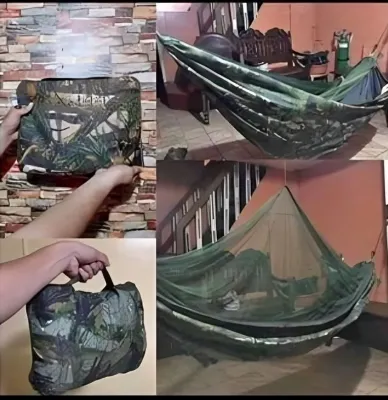
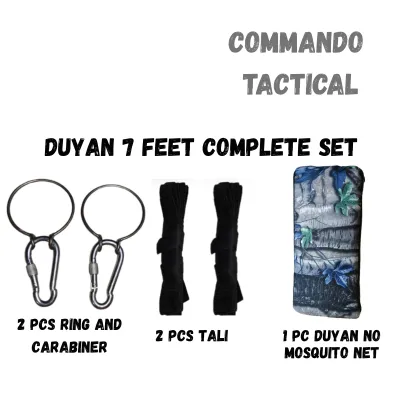

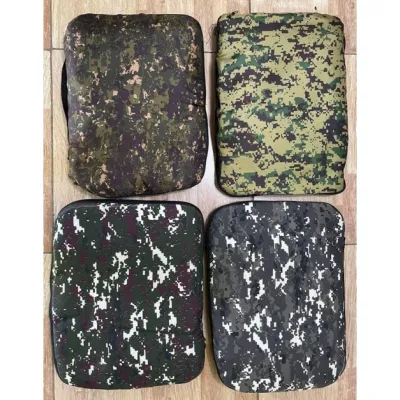
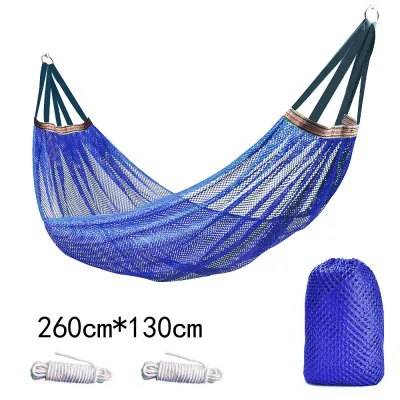
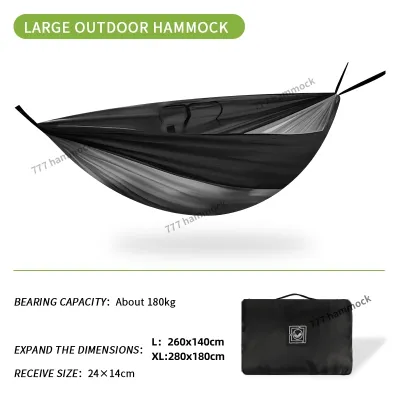
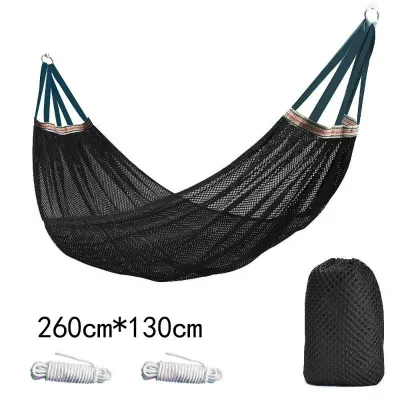

Prices are valid at publication and may change. Please refer to the product page for the latest price.
Vertical clearance is equally critical for safe entry and exit. When occupied, the lowest point of the hammock should sit at a comfortable height, typically around 45 to 60 centimeters above the floor. Remember that fabrics stretch under load, so you must calculate your hanging height with this downward deflection in mind.
Evaluating structural limits is paramount, especially on residential balconies. Concrete balconies and high-rise structures have strict live-load and dead-load limits. You must verify your building’s structural guidelines and weight restrictions before installing any heavy-duty setup, as the dynamic force of a swinging adult exerts significantly more stress than static weight.
For garden installations, look for solid, load-bearing structures or mature, healthy trees. Avoid anchoring to decorative pillars, hollow brick walls, or light wooden fences, as these materials are not engineered to withstand lateral pulling forces.
Finally, compare the spatial footprint of a freestanding stand against fixed suspension points. A heavy-duty metal stand provides excellent cross-scenario compatibility and requires no permanent modifications, but its wide base can quickly consume a small balcony’s floor space. Conversely, fixed wall anchors or tree straps preserve floor space but require permanent structural integrity or specific natural anchors.
Verifying Heavy Duty Construction and Military-Style Features
To ensure your hammock can truly handle demanding conditions, you must look past marketing buzzwords and verify the actual material specifications. True military-style hammocks rely on high-density fabrics designed to resist tearing and abrasion. Check the manufacturer’s product tag for materials like high-denier ripstop nylon or heavy-duty canvas.

Inspect the weave of the fabric closely. Ripstop nylon is characterized by a reinforcing grid pattern of thicker threads interwoven at regular intervals, which prevents small punctures from turning into large tears. If the product description lacks a specific denier rating or material type, treat it as a standard recreational model rather than a heavy-duty option.
Stitching patterns are the primary point of failure under heavy loads. Look for triple-stitched seams along the main body and heavily reinforced bartack stitching at the end loops where the suspension connects. These reinforced zones distribute weight evenly and prevent the fabric from unraveling under tension.
Hardware quality is just as vital as fabric strength. Examine the carabiners, suspension straps, and any included spreader bars to ensure they match the hammock’s rated capacity. High-quality setups utilize climbing-grade aluminum or heavy-duty steel carabiners rather than cheap, lightweight novelty clips.
Suspension straps should be wide, non-stretch polyester webbing rather than thin nylon ropes. Wide straps distribute the load across a larger surface area, which is crucial for both structural anchors and tree trunk protection. Check that the straps feature multiple reinforced adjustment loops for easy height calibration.
Understand how different design variations affect your space and comfort. Traditional gathered-end military hammocks bunch at the ends, creating a cocoon-like feel that requires a deeper sag and more vertical clearance. Bridge-style hammocks use spreader bars to hold the fabric flat, offering a flatter sleeping surface but requiring a wider, more rigid hanging footprint.
Choosing Safe Mounting Options for Balconies and Gardens
Selecting the right mounting method depends entirely on your local environment and whether you are permitted to make structural modifications. For apartment balconies or rented properties, a freestanding hammock stand is often a highly practical and secure solution. This zero-drill option eliminates the risk of damaging building walls or violating tenancy agreements.
When choosing a stand, verify its base width, material stability, and maximum weight rating on the manufacturer’s label. Look for powder-coated steel frames with wide, non-slip feet that prevent tipping on smooth balcony tiles. Ensure the stand’s dimensions align with your balcony’s footprint while leaving enough room for safe movement around it.
For garden setups, tree and pillar suspension offers a natural and space-saving alternative. Always perform a thorough visual check of any tree you plan to use. The tree must be mature, healthy, and free of rot, deep cracks, or dead branches that could fall.
Protect the environment by using wide tree-saver straps rather than bare ropes or chains, which can cut into the bark and kill the tree. Follow the manufacturer’s guidelines regarding minimum trunk diameter—typically at least 15 to 20 centimeters—and ensure the straps are positioned securely above head height to maintain a safe hanging angle.
If you decide to install permanent wall anchors on a balcony or patio, proceed with extreme caution. Drilling into concrete, brick, or ceiling joists requires a professional assessment to locate structural studs and avoid damaging utility lines. If you are unsure of your wall’s composition or load capacity, stop immediately and consult a qualified contractor.
Never attempt to anchor a heavy-duty hammock to drywall, plaster, or decorative wooden trim. These materials lack the shear strength required to support a suspended human body, and attempting to use them can result in severe structural damage and personal injury.
Managing Weather Exposure and Routine Maintenance
The tropical climate in the Philippines presents unique challenges for outdoor furniture, including high humidity, intense sunlight, and heavy seasonal rainfall. To protect your investment, you must carefully interpret the weather-resistance labels on your hammock. Look for manufacturer specifications detailing UV-resistant coatings, water-repellent finishes, and anti-mildew treatments.
Even the most rugged military-grade fabrics will degrade over time if left exposed to the elements indefinitely. Establish a routine maintenance schedule to prolong the life of your gear. Periodically brush off dry leaves, dust, and debris, and wash the fabric using mild soap and cool water according to the care label instructions.
Avoid using harsh chemical detergents, bleach, or high-pressure washers, as these can strip away protective coatings and weaken the synthetic fibers. Always allow the hammock to air dry completely in a shaded, well-ventilated area before packing it away.
Proper storage is critical during the heavy rain and typhoon seasons. Never store a damp hammock in a closed bag, as this creates a breeding ground for mold, mildew, and unpleasant odors. Store the dry fabric and metal hardware in a cool, dry indoor space when not in use to prevent rust and fabric rot.
Frequently Asked Questions (FAQ)
Can I hang a heavy duty hammock on a standard apartment balcony railing?
No, you should never hang a heavy-duty hammock from a standard apartment balcony railing. Railings are engineered to withstand outward leaning forces, not the intense, concentrated lateral pull generated by a suspended hammock. Attaching a hammock to a railing can cause structural failure, leading to severe falls and property damage. If you cannot verify the structural integrity of your balcony walls or do not have professional anchors installed, always default to a sturdy, freestanding hammock stand.
Do military-style hammocks typically include integrated bug nets for garden use?
Some military-inspired hammocks feature integrated bug nets to protect against mosquitoes and other insects, but this is not a universal standard. You must carefully verify the product specifications and packaging details on the manufacturer’s label before purchasing. If you select a model with an integrated net, inspect the zipper quality and seam reinforcement, as these are common wear points. For models without built-in netting, you can often purchase a separate, independent bug net canopy that slides over your existing suspension system.
Community discussion
Share your experience or ask a question. Comments are reviewed before publication.