
The ideal Japandi foldable double sofa bed combines Scandinavian functionalism with Japanese rustic minimalism. This means looking for low-profile wooden frames, clean and unadorned silhouettes, and textured, neutral-toned upholstery like linen or cotton blends in oatmeal, soft gray, or warm white. The style relies on visual lightness and structural simplicity, ensuring the piece serves as a comfortable daily seating anchor and a practical sleeping surface without cluttering your living space.
In a tropical climate like the Philippines, where humidity and warmth are constant factors, selecting the right materials and design is crucial. A bulky, heavily padded sofa bed can make a room feel cramped and stuffy. Instead, a streamlined, foldable double sofa bed with an elevated wooden base allows air to circulate, keeping both the room and the furniture fresh. By focusing on minimalist lines, natural textures, and smooth folding mechanisms, you can find a versatile piece that maintains a serene, airy atmosphere in your home.
Understanding the Japandi Aesthetic for Sofa Beds
Japandi style is a harmonious fusion of two distinct design philosophies: Scandinavian comfort and Japanese rustic minimalism. The Scandinavian approach emphasizes warmth, comfort, and cozy functionality, while the Japanese philosophy finds beauty in simplicity, natural materials, and uncluttered spaces. When these two concepts meet in living room furniture, they produce pieces that are highly practical yet deeply calming to look at.
Products mentioned in this guide
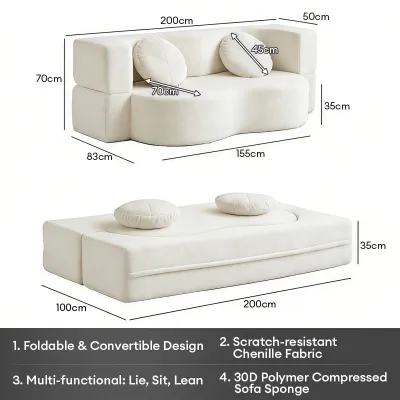

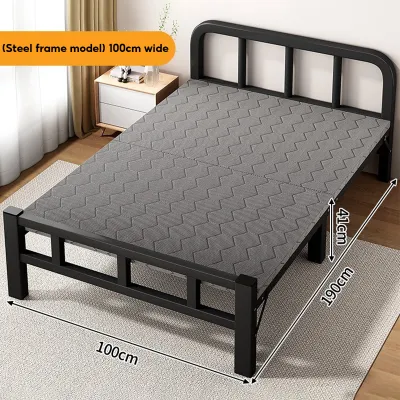

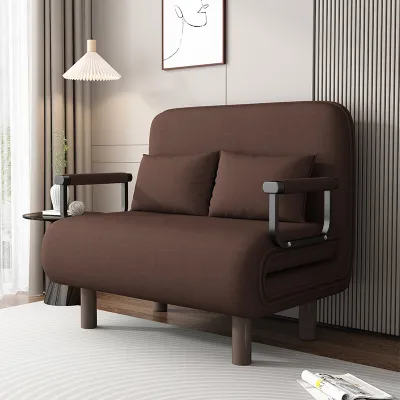
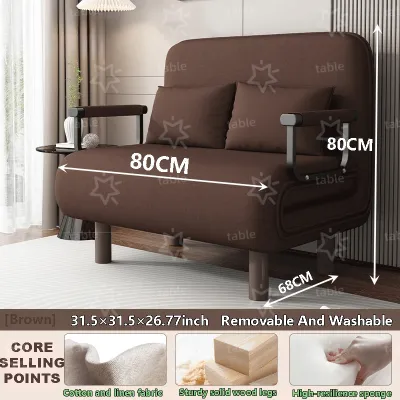
![[Manila 24-hour Boat] 88/108/128/158*78*85CM Foldable Sofa Bed with Storage Cabinet Dual Purpose Small Unit Living Room Lazy Person Sofa Single/Double/Queen Size with Roller Sofa Bed Side Pocket Multi-functional Telescopic Bed 2 Free Throw Pillows](https://img.lazcdn.com/g/p/97417428c04a59ff3f75ec882c347f3f.jpg_400x400q80.jpg_.webp)

Prices are valid at publication and may change. Please refer to the product page for the latest price.
A foldable double sofa bed is an excellent candidate for this aesthetic because it embodies the core principle of functional minimalism. In many homes, space is at a premium, making multi-functional furniture a necessity rather than a luxury. However, traditional sofa beds are often heavy, bulky, and visually dominant, which can disrupt the peaceful flow of a minimalist room.
To align with Japandi principles, a sofa bed must maintain visual lightness. This means avoiding thick, overstuffed armrests, heavy skirts that touch the floor, or intricate tufting and decorative stitching. The silhouette should be clean and straightforward, allowing the natural beauty of the materials to stand out.
The dual role of the piece is central to its design. During the day, it serves as a refined, comfortable sofa that invites relaxation without dominating the room’s layout. At night, it transitions smoothly into a double bed, offering a supportive sleeping surface for guests or daily use. This transformation should feel effortless, preserving the room’s serene atmosphere throughout the day and night.
In tropical environments, this balance of form and function is especially important. High humidity can make heavy, dense furniture feel oppressive. A Japandi-style sofa bed, with its clean lines and breathable materials, helps create an open, breezy environment that feels cool and inviting even on the warmest afternoons.
Essential Design Features to Look For
When shopping for a foldable double sofa bed, specific design elements will help you identify pieces that fit the Japandi aesthetic. The first feature to look for is a low-profile base. Grounded furniture is a hallmark of traditional Japanese design, creating a sense of stability and openness by leaving more vertical space free in the room.

Clean, straight lines are equally important. Look for frames with square or gently rounded edges rather than ornate curves or complex geometries. The armrests, if present, should be slim and understated, or omitted entirely to maximize the sleeping surface and enhance the minimalist look.
Color plays a vital role in establishing a calming atmosphere. The Japandi palette relies heavily on neutral, earthy tones that reflect the natural world. Warm whites, soft grays, oatmeal, sand, and muted natural greens are ideal choices. These colors reflect light beautifully, helping to make smaller living rooms feel larger and more open.
Avoid stark, cold whites or overly dark, heavy colors that can make the furniture feel like a visual obstacle. Instead, aim for soft, warm neutrals that blend seamlessly with your walls and other decor. This creates a cohesive, low-contrast environment that promotes relaxation.
Visible natural textures are another essential feature. Exposed wooden legs, a subtle timber frame accent, or a woven fabric cover add warmth and character without creating visual clutter. The texture of the wood grain and the weave of the fabric provide tactile interest, replacing the need for decorative patterns or bright colors.
When evaluating these features, consider how they work together. A sofa bed with a light oak frame, slim tapered legs, and a textured oatmeal fabric cover beautifully captures the balance of Scandinavian warmth and Japanese simplicity. It feels grounded yet light, simple yet incredibly inviting.
Space Planning and Functional Verification
Before purchasing a foldable double sofa bed, careful space planning is essential to ensure the piece fits your home and functions properly. Start by measuring your available floor space in two distinct configurations: when the sofa is fully closed for seating, and when it is fully extended into a double bed.
Use painter’s tape to outline both footprints on your living room floor. This physical representation helps you visualize how much clearance remains for walking paths, side tables, and other furniture. Ensure there is at least 60 centimeters of clear space around the extended bed so guests can get in and out easily without bumping into walls or other items.
Do not forget to measure the delivery path. In many residential buildings or multi-story homes, tight doorways, narrow staircases, and small elevator cabins can present significant obstacles. Check the manufacturer’s packaging dimensions against your entryways to confirm the boxed furniture can safely reach your living room.
The folding mechanism itself requires close inspection. A high-quality Japandi sofa bed should transition between configurations smoothly and without requiring excessive physical force. Look for mechanisms that glide easily, whether they use a click-clack system, a pull-out drawer design, or a fold-out frame.
If possible, test the mechanism in a showroom to evaluate its ease of use. If you are shopping online, look for detailed video demonstrations or user manuals that illustrate the folding process step-by-step. A mechanism that feels stiff, noisy, or overly complicated can quickly become a source of frustration in your daily routine.
Finally, verify the structural specifications directly from the manufacturer’s data sheet. Check the maximum weight capacity for both the seating and sleeping configurations to ensure it can safely accommodate two adults. Look for details on the frame construction—such as solid wood or reinforced metal—and the mattress support system, which should provide even, sag-free support across the entire surface.
Evaluating Natural Materials and Upholstery
The materials used in your sofa bed determine not only its appearance but also its durability and comfort in a tropical climate. Solid wood is the preferred choice for Japandi furniture frames and accents. Look for light-colored woods like oak, ash, beech, or rubberwood, which offer excellent strength and a beautiful, subtle grain.
When checking wood finishes, opt for matte or satin coatings rather than high-gloss varnishes. A matte finish preserves the natural look and feel of the timber, aligning with the appreciation for raw, unrefined textures. High-gloss finishes can look synthetic and reflect light harshly, disrupting the soft, diffused ambiance of a Japandi room.
Upholstery fabric is another critical consideration, especially in warm, humid regions. Natural-blend fabrics like linen-cotton mixes are highly breathable, allowing heat and moisture to dissipate quickly. This prevents the sticky, uncomfortable feeling often associated with synthetic leather or heavy velvet upholstery during hot seasons.
Examine the weave density of the fabric. A tight, flat weave offers better durability and resistance to snagging while maintaining a clean, smooth appearance. Avoid loose, chunky knits that can easily trap dust, pet hair, or dirt, making maintenance more difficult over time.
Always read the manufacturer’s care instructions before making a decision. Light-colored fabrics are beautiful, but they require regular upkeep to remain in pristine condition. Check if the fabric has been treated for basic stain resistance, and verify whether the cushion covers are removable and machine-washable or if they require professional dry cleaning.
Avoid materials that clash with the natural focus of Japandi design. Heavily patterned fabrics, shiny synthetic polyesters, and faux leathers with a plastic-like sheen should be avoided. Instead, let the natural variations in the wood grain and the subtle texture of the woven fabric provide the visual interest.
Sourcing and Verifying Product Specifications
When you are ready to shop, whether through online furniture stores or physical showrooms, verifying product specifications is an effective way to ensure a successful purchase. Do not rely solely on promotional photos, which can sometimes use clever lighting and angles to make a piece look larger or more premium than it is.
Always request or locate detailed dimension diagrams from the seller. These diagrams should show the exact height, width, and depth of the sofa, as well as the extended bed length and the height of the sleeping surface from the floor. Having these precise measurements allows you to plan your layout with confidence.
Review the material composition list carefully. Ensure that any wood described as “solid” is indeed solid timber rather than thin veneers over particleboard, especially in high-stress areas like the legs and support rails. If the product description is vague, contact the customer service team to ask for clarification on the specific materials used.
Inquire about the delivery and assembly process. Some foldable double sofa beds arrive fully assembled, while others require significant setup, particularly for the folding metal frames or wooden slats. Confirm whether the delivery service includes in-home assembly or if you will need to assemble the piece yourself using basic tools.
Carefully read the return policies and warranty terms before finalizing your order. A reliable warranty should cover the structural frame and the folding mechanism for a reasonable period, as these are the components subject to the most wear and tear. Understanding what is covered—and what is excluded—gives you peace of mind and protects your investment.
By taking the time to verify these details, you can select a high-quality, beautiful Japandi foldable double sofa bed that enhances your living room’s aesthetic while providing reliable comfort and functionality for years to come.
Frequently Asked Questions (FAQ)
Can I use a mattress topper on a foldable sofa bed?
Yes, you can use a mattress topper to add extra comfort, but you must consider the storage and folding trade-offs. Most foldable sofa beds are designed with precise clearances, meaning you cannot fold the bed back into a sofa with a thick mattress topper still attached. You will need to remove the topper, roll or fold it up, and store it separately in a closet or storage chest when the bed is not in use. Attempting to force the sofa bed closed with a topper inside can misalign the folding mechanism, strain the hinges, and cause permanent structural damage to the frame.
How do I protect light-colored Japandi upholstery?
Protecting light-colored fabrics in a busy home requires a combination of preventive care and prompt maintenance. Always check the manufacturer’s fabric care label for approved cleaning methods and suitable stain removers before applying any liquid treatments. To protect high-wear areas like the seat cushions and armrests, drape a textured, neutral-toned throw blanket or place linen cushions over them; this adds beautiful, layered texture to your Japandi decor while shielding the fabric underneath. Additionally, position your sofa bed away from windows that receive intense, direct sunlight, as prolonged exposure to UV rays can cause natural fibers to weaken and light dyes to fade or yellow over time.
Community discussion
Share your experience or ask a question. Comments are reviewed before publication.