
Living in urban Philippine spaces, such as modern condominiums and compact townhouses, requires a thoughtful approach to interior design. The challenge is maximizing every square meter of floor space without sacrificing style or comfort. Japandi design—a harmonious fusion of Japanese minimalism and Scandinavian warmth—offers an elegant solution to this spatial puzzle. It emphasizes clean lines, natural materials, and a clutter-free environment that promotes a sense of calm and mindfulness.
Integrating a highly functional piece of furniture like a foldable sofa bed into a Japandi-style living room requires careful planning. A sofa bed must serve as a comfortable daily seat, a supportive guest bed, and a visual anchor that enhances the room’s serene aesthetic. By evaluating key design elements, spatial constraints, material durability, and mechanical stability, you can select a piece that seamlessly blends utility with organic beauty.
This guide provides a comprehensive framework to help you identify, measure, and select the perfect Japandi foldable sofa bed for your compact living space, ensuring your home remains a peaceful and functional sanctuary.
Products mentioned in this guide
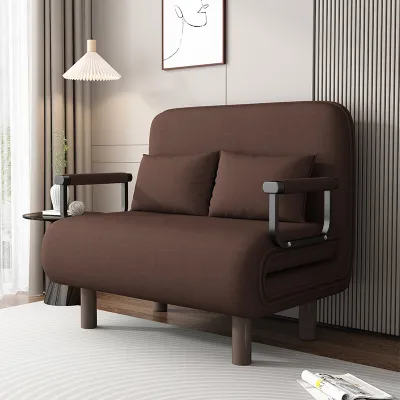
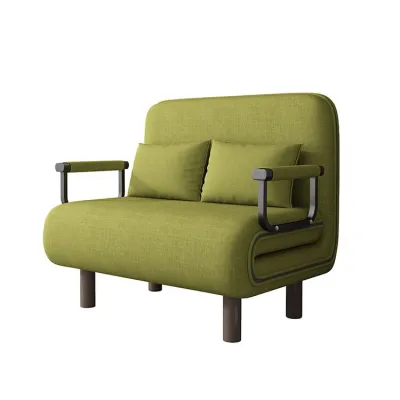
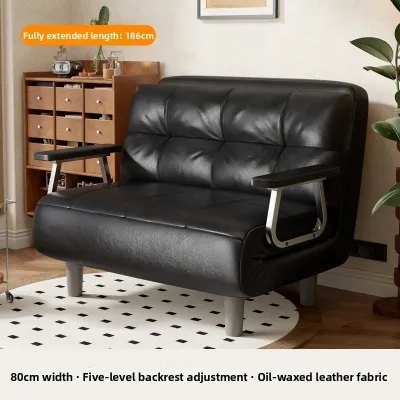
![[Manila 24-hour Boat] 88/108/128/158*78*85CM Foldable Sofa Bed with Storage Cabinet Dual Purpose Small Unit Living Room Lazy Person Sofa Single/Double/Queen Size with Roller Sofa Bed Side Pocket Multi-functional Telescopic Bed 2 Free Throw Pillows](https://img.lazcdn.com/g/p/6b1f7448cee77492697016c498ba8b44.jpg_400x400q80.jpg_.webp)
Prices are valid at publication and may change. Please refer to the product page for the latest price.
Identifying True Japandi Aesthetics in Sofa Beds
Distinguishing authentic Japandi design from generic minimalist furniture requires a keen eye for detail when browsing catalogs or visiting local showrooms. While both styles value simplicity, generic minimalism can sometimes feel cold and industrial. Japandi design, on the other hand, infuses warmth, texture, and organic imperfection into the space, creating a cozy yet disciplined environment.
To identify a true Japandi silhouette, look for low-profile designs with clean, uncluttered lines. The sofa bed should sit relatively close to the floor, which helps create the illusion of higher ceilings and a more open atmosphere in small rooms. Avoid bulky, overstuffed cushions or excessively rounded armrests that dominate the visual field. Instead, prioritize streamlined profiles where the backrest and seat cushions maintain a balanced, geometric proportion.
Color selection is equally critical in establishing a Japandi aesthetic. The color palette should draw inspiration from nature, focusing on warm, earthy neutrals that reflect natural light. Opt for shades of oatmeal, soft beige, warm gray, sand, or muted olive green. These tones establish a soothing backdrop and make a small living room feel larger and more inviting. Avoid stark, clinical whites or heavy, dark colors that can make a compact room feel closed in.
Natural wood accents are a hallmark of Japandi style, bridging the gap between Scandinavian functionality and Japanese organic warmth. Look for visible wood grain on the sofa bed’s legs, base frame, or armrests. Light-colored woods such as rubberwood, ash, or light oak are excellent choices because they add organic texture without darkening the room. Ensure the wood has a matte or low-sheen finish rather than a high-gloss varnish, which can detract from the natural, rustic feel of the piece.
Measuring Space and Clearance for Small Layouts
Before committing to a specific foldable sofa bed, precise spatial planning is essential. A common mistake is purchasing a piece that fits comfortably as a sofa but completely blocks the room when converted into a bed. To avoid this, you must measure your living room in two distinct configurations: as a daily seat and as a fully extended bed.

Start by measuring the maximum width, depth, and height available in your living room. When the sofa bed is folded, ensure there is sufficient space for side tables, floor lamps, or indoor plants without crowding the walls. Next, calculate the footprint of the sofa bed when it is fully extended. Map out this extended footprint on your floor using painter’s tape to visualize how much physical space the bed will occupy during the night.
Walkway clearance is a vital consideration for daily comfort and safety. When the sofa bed is fully extended, you should maintain a clear pathway of at least 50 to 60 centimeters around the sides and foot of the bed. This ensures that guests or family members can move around the room, access the bathroom, or reach the balcony without having to climb over the mattress. If your layout includes a coffee table, consider lightweight or nesting designs that can be easily moved to the side when converting the sofa.
Finally, do not overlook the delivery path. Many urban residents in the Philippines face the frustration of purchasing a beautiful piece of furniture only to find it cannot fit through the building’s service elevator or turn the corner in a tight stairwell. Measure the height and width of your front door, hallway corners, elevator doors, and ceiling heights. Checking these dimensions beforehand ensures a smooth delivery and installation process.
Evaluating Upholstery and Frame Materials
The tropical climate of the Philippines presents unique challenges for furniture preservation, particularly regarding high humidity and ambient moisture. When selecting a foldable sofa bed, evaluating the durability and breathability of the upholstery and frame materials is crucial for long-term satisfaction.
For upholstery, prioritize breathable fabric weaves that allow air circulation. Heavy velvet, thick synthetic leather, or dense microfiber can trap heat and moisture, making sitting or sleeping uncomfortable during warm, humid afternoons. Textured linen blends, cotton-polyester mixes, and woven fabrics are ideal because they offer tactile warmth while remaining cool to the touch. Check the manufacturer’s specifications for stain resistance and cleanability, especially if you have pets or young children.
When inspecting the wooden elements of the frame, verify the type of finish used. Untreated or poorly sealed wood can absorb moisture from the air, leading to warping, mold growth, or structural weakness over time. Look for wood components that have been properly sealed with a protective, water-resistant matte polyurethane or natural oil finish. This protective layer shields the wood from humidity while preserving the natural beauty and texture of the grain.
Always review the care labels and manufacturer guidelines to ensure the maintenance routine matches your lifestyle. Some sofa beds feature removable, machine-washable cushion covers, which are highly practical for maintaining a fresh, clean environment in dusty urban areas. If the covers are not removable, verify the recommended cleaning methods, such as spot cleaning with a damp cloth or professional upholstery cleaning, to keep the fabric looking pristine.
Assessing Folding Mechanisms and Structural Stability
A foldable sofa bed must balance its sleek, minimalist design with robust mechanical functionality. The folding mechanism determines how easily the sofa transitions into a bed and how much physical effort is required for daily operation. Understanding the trade-offs between different mechanisms will help you choose the right model for your needs.
Click-clack mechanisms are popular for their simplicity and low-profile design. To convert the sofa, you tilt the seat forward until you hear a click, then lay the backrest flat. While highly convenient, click-clack models often require a few centimeters of clearance behind the backrest, meaning you cannot place the sofa completely flush against the wall unless you are willing to pull it forward during conversion. This is an important consideration for tight layouts.
Pull-out mechanisms feature a hidden frame and mattress that roll out from underneath the seat cushions. These models often provide a more traditional bed height and a dedicated mattress, making them highly comfortable for sleeping. However, they tend to be heavier, contain more moving metal parts, and require more physical effort to operate. Ensure the rolling mechanism operates smoothly and does not scratch your flooring.
Futon-style frames are highly aligned with Japanese minimalist traditions, involving a simple fold-out design where the cushions rest directly on the floor or a low wooden platform. These designs are lightweight, have fewer mechanical parts to break, and offer a very low-profile aesthetic. However, they provide less elevation from the ground, which may not be suitable for individuals who prefer a traditional bed height or have difficulty standing up from low positions.
Regardless of the mechanism, check the manufacturer’s stated weight capacity and mattress thickness. A thicker mattress generally offers better support but must be balanced against the sleek, low-profile look of Japandi design. Inspect the joint reinforcements, leg stability, and the smoothness of the folding action. Look for reinforced metal-on-metal connections or solid wood dowels rather than simple plastic brackets, as these ensure the frame remains stable and squeak-free over years of use.
Building Your Japandi Sofa Bed Shortlist
When you are ready to make a decision, compiling a structured shortlist will help you compare available options from local showrooms and online furniture retailers. This systematic approach ensures you do not make an impulse purchase based solely on appearance.
Start by establishing your non-negotiable criteria. This should include your absolute maximum dimensions for both configurations, your preferred folding mechanism, and your aesthetic requirements, such as a specific wood tone or fabric color. Having these criteria clearly defined allows you to quickly filter out options that do not meet your spatial or functional needs.
Next, verify the assembly requirements for each model on your shortlist. Some sofa beds arrive fully assembled, while others require extensive DIY setup. If you are not comfortable assembling furniture, check if the retailer offers professional assembly services upon delivery. If you plan to assemble it yourself, verify if the necessary tools are included in the package or if you will need to prepare your own tools.
Finally, review the return policies, warranty terms, and budget. A solid warranty on the folding mechanism and frame is a strong indicator of structural quality and manufacturer confidence. Compare the total cost, including delivery and assembly fees, in Philippine Pesos (₱). Investing in a high-quality, durable piece with a reliable mechanism is often more cost-effective in the long run than choosing a cheaper, less stable alternative that may need replacement after a short period.
Frequently Asked Questions (FAQ)
Can a Japandi sofa bed provide adequate support for daily sleeping?
While minimalist, low-profile sofa beds are excellent for occasional guests, daily use requires careful consideration of support and comfort. Japandi designs often feature thinner foam cushions to maintain their sleek, streamlined appearance. For daily sleeping, look for models that feature high-density foam or pocket spring support to maintain proper spinal alignment. If the aesthetic model you prefer has a thinner mattress, you can significantly improve comfort by adding a high-quality, removable mattress topper. This topper can be rolled up and stored in a closet during the day, preserving the sofa’s daytime minimalist look while providing the necessary orthopedic support at night. Whenever possible, visit a local showroom to test the bed configuration in person, checking for hard spots or uneven joints.
How do I maintain natural wood accents on a sofa bed in a humid environment?
Natural wood elements, such as rubberwood, ash, or oak legs and armrests, require proper care to withstand tropical humidity. Always follow the manufacturer’s specific cleaning and conditioning instructions. Perform regular visual checks for signs of moisture damage, such as wood swelling, cracking, discoloration, or a sticky texture on the finish. To protect the wood, position the sofa bed away from direct air conditioner drafts, which can cause rapid temperature changes and wood movement. Avoid placing the furniture directly against damp exterior walls. Dust the wood regularly with a dry, soft microfiber cloth, and avoid using harsh chemical cleaners or excessive water, which can strip away the protective sealant and expose the wood to moisture.
Community discussion
Share your experience or ask a question. Comments are reviewed before publication.