
Quick Answer: Material Selection Strategy
During the heavy downpours and intense humidity of the rainy season, choosing a folding table requires looking beyond basic material labels. While aluminum and high-density plastics are popular choices for wet environments, their actual performance depends heavily on protective surface treatments, specialized hardware finishes, and explicit manufacturer specifications.
Selecting the right table involves balancing key trade-offs between structural weight, long-term durability, and the amount of maintenance you are willing to perform. Lightweight tables are easy to move when a sudden storm hits, but they must still offer enough structural stability to withstand gusty winds and heavy use.
Before making a purchase, always verify whether the product is rated specifically for outdoor or high-humidity environments. Relying solely on a material’s name can lead to premature failure if the joints, fasteners, or protective coatings are not designed to resist constant moisture exposure.
Products mentioned in this guide
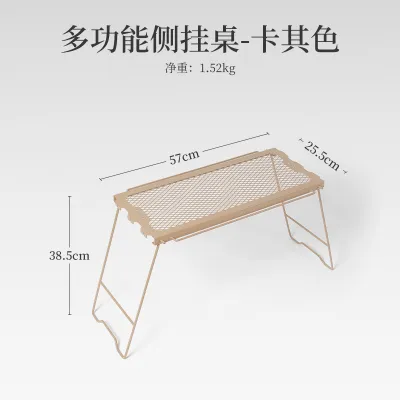
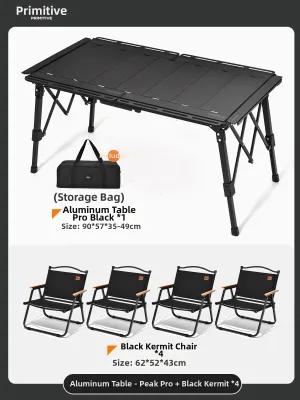
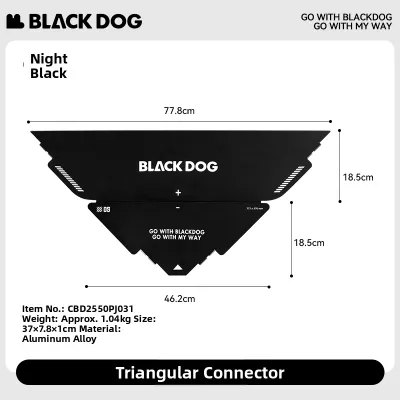
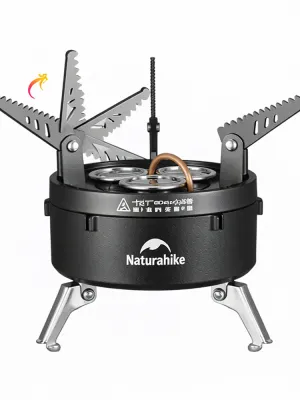
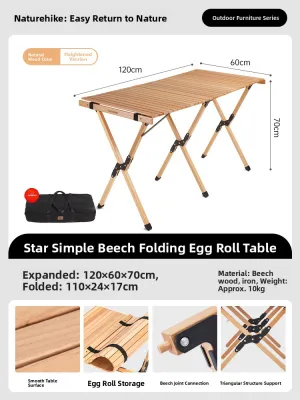
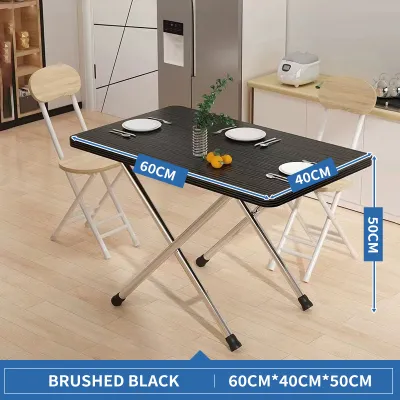
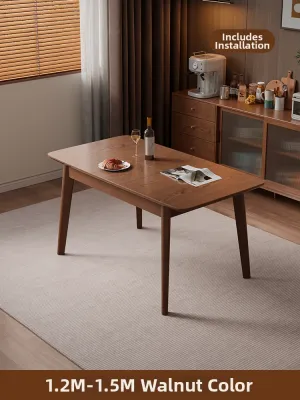
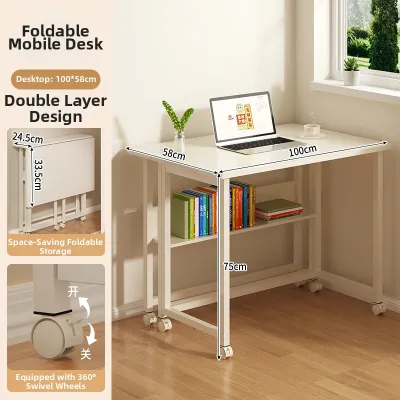
Prices are valid at publication and may change. Please refer to the product page for the latest price.
Aluminum and Steel Frame Verification
Metal frames provide excellent structural integrity, but their resistance to wet weather varies dramatically based on how the metal is treated. When evaluating metal folding tables, inspect the product specifications for clear indications of protective finishes such as powder-coating, hot-dip galvanization, or anodizing. These treatments create a barrier that prevents oxygen and water from reaching the underlying metal, which is crucial for preventing rust.

Unprotected steel will corrode rapidly when exposed to rain, while untreated aluminum can develop unsightly oxidation. Powder-coating is highly effective for steel frames, as it bakes a durable polymer layer onto the metal surface. For aluminum, anodizing thickens the natural oxide layer, making it highly resistant to corrosion while maintaining a lightweight profile.
Do not limit your inspection to the flat surfaces of the frame; the most vulnerable areas are often hidden. Carefully examine welded joints, seams, and the open ends of hollow tubes where water can easily collect. If these areas lack proper coating or sealing, moisture will pool inside, causing silent, internal structural decay that eventually leads to sudden frame failure.
Additionally, verify the manufacturer’s stated weight capacity and stability ratings to ensure the frame can handle your intended loads. A frame that bends or flexes under pressure can crack its protective coating, exposing the raw metal underneath to moisture and initiating the rusting process.
Plastic, Resin, and Composite Surface Checks
Plastic and resin surfaces are highly popular for rainy-season use because they do not rust, but they are not entirely immune to weather-related degradation. When shopping, look for high-density polyethylene (HDPE) or specialized outdoor resins that are explicitly labeled as UV-stabilized. Without UV stabilizers, prolonged exposure to sunlight between rain showers can cause the plastic to become brittle, crack, and lose its structural strength.
Inspect the tabletop construction to ensure it features seamless molding or fully sealed edges. Seams and gaps in multi-piece tabletops can trap water, creating a breeding ground for mold, mildew, and bacteria in warm, humid climates. Some high-quality outdoor tables feature subtle drainage channels or slightly sloped surfaces that prevent water from pooling on the top during heavy downpours.
The ease of cleaning is another critical factor to consider when evaluating resin surfaces. Review the manufacturer’s care guidelines to ensure the material does not require specialized or harsh chemical cleaners. Some plastics can degrade or discolor when exposed to strong solvents, so a surface that can be cleaned with mild soap and water is ideal for long-term maintenance.
Composite materials, which blend wood fibers and plastics, offer a natural look but require careful inspection of their binding agents. Ensure the composite is fully sealed on all sides, including the underside, to prevent moisture from penetrating the wood fibers and causing the tabletop to swell or warp.
Treated Wood and Wood-Alternative Requirements
Wood folding tables offer a classic aesthetic, but they demand the highest level of scrutiny and maintenance in wet climates. If you prefer natural wood, verify that the product has been treated with a high-quality water-repellent sealant, marine-grade varnish, or pressure-treatment process. These treatments penetrate the wood pores or create a hard shell that prevents water absorption.
Be prepared for the ongoing maintenance commitment that natural wood requires. Even the best factory sealants wear down over time due to moisture, temperature fluctuations, and physical wear. You must be willing to periodically sand and re-apply protective sealants according to the manufacturer’s recommended schedule to prevent warping, splitting, and rot.
Storage conditions for wood tables are exceptionally strict compared to metal or plastic alternatives. When not in use during the rainy season, wood tables must be stored in a dry, well-ventilated area to prevent mold growth. If left folded in a damp, enclosed space, the trapped moisture can quickly ruin the finish and compromise the wood’s structural integrity.
Wood-alternative materials, such as synthetic lumber or high-pressure laminates, can provide a similar look with significantly less maintenance. However, you must still verify that the core materials and edge bands are completely waterproof, as any moisture penetration can cause the internal layers to delaminate and swell.
Critical Hardware and Structural Inspections
A folding table is only as reliable as its moving parts, which are often the first components to fail when exposed to moisture. When examining a table, closely inspect the hinges, locking pins, and folding joints. These critical hardware pieces should be constructed from rust-resistant materials such as stainless steel, solid brass, or metals with heavy, weather-resistant coatings.
Standard steel hardware will quickly seize up or snap if allowed to rust, rendering the entire table useless even if the tabletop and frame remain in perfect condition. Look for hardware that is securely bolted rather than riveted, as bolted connections are easier to inspect, tighten, and maintain over time.
Pay close attention to the table’s feet and leg caps. These components should be made from durable, non-slip, and water-resistant materials like heavy-duty rubber or dense plastic. Leg caps prevent the metal frame from making direct contact with wet ground, which stops moisture from wicking up into the hollow legs and causing internal rust.
Evaluate the folding action and locking mechanisms under normal conditions. Keep in mind that high humidity can cause certain materials, especially wood and some plastics, to expand slightly. The locking mechanisms must have enough clearance to operate smoothly and lock securely even when the materials undergo minor thermal or moisture-related expansion.
Finally, confirm that all structural fasteners, such as screws and bolts, are either recessed into the frame or completely sealed. Exposed screw heads can collect small pools of water, leading to localized rust that can stain your clothes, damage the surrounding material, and eventually compromise the table’s safety.
Space, Size, and Usage Planning
Selecting the right moisture-resistant folding table requires careful planning of your physical space and functional needs. Before purchasing, measure the exact area where you plan to set up the table, ensuring you leave adequate clearance for chairs, walkways, and nearby structures. It is also vital to measure your doorways, hallways, and stairwells to guarantee you can easily transport the table to its storage location.
Calculate your required weight capacity based on how you intend to use the table. If you plan to use it for heavy outdoor dining setups, potted plants, or workshop tools, you will need a robust frame with a high load rating. For light crafts, casual snacks, or temporary workspace, a lighter, more portable model may be more practical.
While budget-friendly options under ₱1,500 are widely available on online marketplaces, investing in a model with certified weather-resistant hardware can save you replacement costs in the long run. Consider the folded dimensions and overall weight of the table, especially if you need to move it quickly when a sudden rainstorm begins. A table that is too heavy or awkward to fold single-handedly may end up left in the rain, accelerating its wear.
Storage space is a critical factor during the wet months. Ensure you have a designated, dry area in your home, garage, or covered patio that can accommodate the folded dimensions of the table. Storing the table off the ground on a shelf or pallet can further protect it from rising dampness and floor-level moisture.
Rainy Season Maintenance and Storage Practices
Even the most weather-resistant folding table requires proper care to maximize its lifespan during periods of heavy rain and high humidity. Establish a routine of wiping down the table and drying it thoroughly after every exposure to rain, heavy condensation, or accidental spills. Removing standing water prevents the formation of water spots, mold, and localized corrosion.
When storing the table during the wet season, avoid placing it directly on damp concrete floors, which can transfer moisture into the legs. Elevate the table slightly using wooden blocks or store it on a raised shelf. Ensure the storage area has adequate air circulation to prevent humid air from becoming trapped around the folded table, which can encourage mold growth.
Regularly inspect your folding table for early warning signs of material failure or wear. Look for stiff hinges, bubbling paint or powder-coating, hairline cracks in plastic surfaces, or soft spots in wood. If you notice any of these signs, stop using the table immediately and consult the manufacturer’s guidelines for repair or replacement options.
Avoid using tight, non-breathable plastic covers for long-term storage, as they can trap humidity underneath and create a greenhouse effect that accelerates rust and mold. Instead, use breathable fabric covers or simply store the table in a well-ventilated indoor space where air can flow freely around all components.
Frequently Asked Questions (FAQ)
Can I leave a weather-resistant folding table outside all year?
Even tables labeled as highly weather-resistant should not be left outdoors indefinitely. Continuous exposure to heavy rain, intense tropical sun, and fluctuating humidity levels will inevitably accelerate the degradation of protective coatings, plastics, and wood sealants. To prolong the lifespan of your table, always fold and store it in a sheltered, dry location when it is not in use, and consult the manufacturer’s warranty terms regarding permanent outdoor placement.
How do I remove early signs of rust from metal folding joints?
If you notice minor surface rust forming on metal joints or hardware, address it immediately to prevent structural damage. Use a gentle, non-abrasive cleaning method, such as a soft brush or cloth dipped in mild soapy water, to clean the area, and dry it completely with a clean towel. Avoid using harsh steel wool or abrasive chemicals that can strip away the remaining protective coating, and consult the manufacturer’s instructions before applying any aftermarket rust converters, paints, or lubricants.

Community discussion
Share your experience or ask a question. Comments are reviewed before publication.