
Choosing a multifunctional bar table for your patio can transform a simple outdoor area into a dynamic space for dining, working, and entertaining. The ideal table balances versatile features—such as adjustable heights, convertible tabletops, and integrated cooling compartments—with the structural integrity needed to withstand outdoor environments. By focusing on how these features interact with your specific space and local climate, you can select a piece that offers genuine utility rather than unnecessary complexity.
Assessing Your Patio Space and Table Dimensions
Before evaluating specific features, you must determine the physical limits of your patio or balcony. Start by measuring the footprint of the area where the table will stand, ensuring there is at least 90 centimeters of clear walkway space around all sides. This clearance allows guests to pull out bar stools comfortably and move around the table without feeling crowded. If your patio features low-hanging eaves, pergolas, or outdoor umbrellas, measure the vertical clearance to ensure the bar table—especially when adjusted to its maximum height—does not interfere with overhead structures.
Do not overlook the logistics of getting the table to its final destination. Measure the width of your doorways, stairwells, and elevator cabins to confirm that the packaged or pre-assembled table can pass through during delivery. Once on the patio, the table must remain stable on uneven surfaces like stone pavers, outdoor tiles, or wooden decking. Look for models equipped with adjustable leveling feet, which allow you to compensate for minor ground slopes and prevent annoying wobbles during use.
Products mentioned in this guide
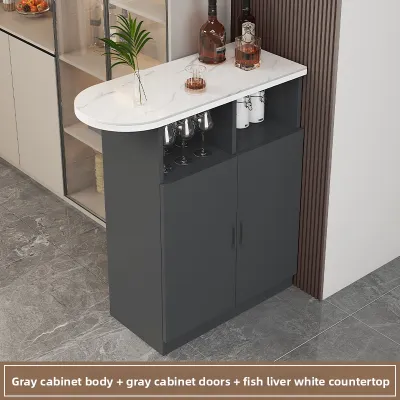
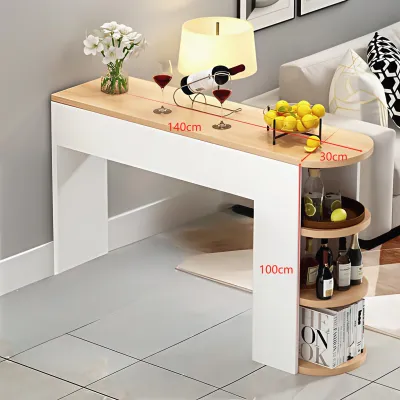
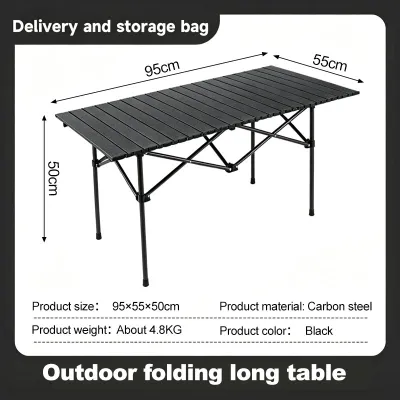
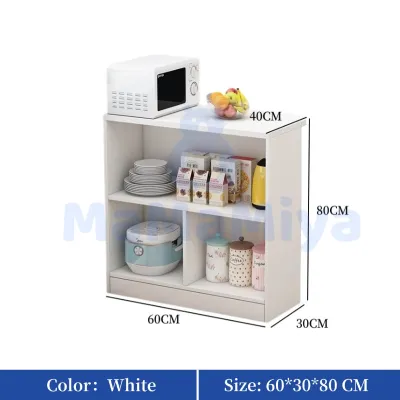
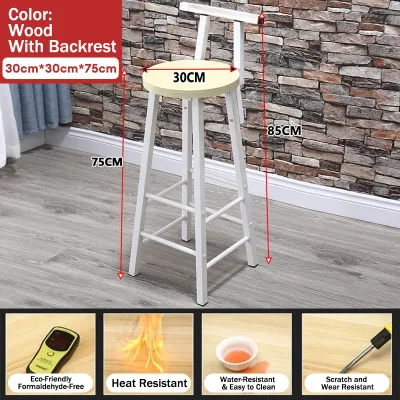
Prices are valid at publication and may change. Please refer to the product page for the latest price.
Decoding Core Multifunctional Features
Multifunctional designs often sound impressive on paper, but their real-world utility depends on how well their mechanical parts handle daily use and outdoor exposure.

Adjustable Height and Convertible Surfaces
Tables with adjustable height mechanisms allow you to transition from a standard dining height to a standing bar height. When evaluating these models, inspect the lifting mechanism—whether it uses a gas-lift piston, a manual crank, or a simple locking pin system. Manual locking pins are generally the most reliable for outdoor use because they have fewer moving parts that can fail over time. Ensure that all locking pins and collar clamps are made of rust-resistant materials like stainless steel to prevent them from seizing up in humid weather.
Convertible surfaces, such as drop-leaf panels or slide-out extensions, can quickly expand your serving area when hosting larger groups. However, every hinge and joint represents a potential point of weakness. Check that the support brackets feel sturdy when fully extended and do not sag under light pressure. If you only plan to use the table for casual morning coffees or occasional evening drinks, highly complex convertible mechanisms may add unnecessary maintenance and cleaning challenges without offering much practical benefit.
Built-in Storage and Cooling Compartments
An integrated cooler or storage bin is a highly sought-after feature for outdoor entertaining, keeping drinks cold and within arm’s reach. To ensure this feature is practical rather than a hassle, look closely at the drainage system. A high-quality built-in cooler must feature a secure, threaded drainage plug at the lowest point of the compartment, allowing you to empty melted ice easily without tipping the entire table.
Examine the seals around the storage lid to verify they prevent rainwater and insects from entering the compartment when closed. The hinges on these lids should be heavy-duty and rust-proof, as they will face frequent moisture from both the ice inside and the humid air outside. If you prefer a low-maintenance setup, simple open shelving or slatted storage racks beneath the tabletop may be a more practical choice than an insulated cooler, as they do not require regular draining, drying, or seal maintenance.
Evaluating Materials and Weather Resistance
Outdoor furniture must endure intense sunlight, heavy rain, and high humidity. Rather than relying solely on broad material names like wood or metal, read the manufacturer’s specifications for explicit weather-resistance treatments. For instance, look for aluminum frames that are powder-coated to resist rust, or synthetic resin wicker that is specifically labeled as UV-resistant to prevent cracking and fading under the sun.
Inspect the construction quality at the joints and welds. Smooth, continuous welds are less likely to trap moisture and develop rust than spot-welded joints. If the table features a wooden surface, check if it requires periodic sealing or oiling to maintain its water resistance. Understanding these maintenance requirements beforehand helps you choose a material that fits your willingness to perform routine upkeep, such as applying protective covers during heavy downpours or the off-season.
Matching Features to Your Outdoor Routine
To get the most value out of your investment, prioritize features that align with your actual hosting habits. If you frequently host large weekend gatherings, a table with an integrated cooler and expandable leaves will likely see constant use. Conversely, if you primarily use your patio as a quiet personal retreat or a remote workspace, a stable, height-adjustable table with built-in power cord routing or simple storage shelves may be far more useful.
Avoid paying a premium for complex features you are unlikely to use. Every additional moving part, specialized compartment, or unique material blend can increase the retail price in ₱. By focusing your budget on high-quality structural materials and a few highly relevant features, you ensure that your multifunctional bar table remains a durable, functional centerpiece of your patio for years to come.
Frequently Asked Questions (FAQ)
Do adjustable bar tables wobble more than fixed-height ones?
Adjustable bar tables can sometimes exhibit more movement than fixed-height models due to the tolerance required in the telescoping joints. To minimize wobble, look for tables with a heavy, wide base and a robust locking mechanism that secures the central column tightly. Always check the manufacturer’s weight capacity ratings for both the lowest and highest positions, and consider testing the table in person or reviewing the return policy of your furniture retailer before finalizing your purchase.
How do I maintain a bar table with a built-in cooler?
Maintaining an integrated cooler requires regular cleaning to prevent mold and mildew growth. After each use, open the drainage plug to empty all water, wipe the interior dry with a clean cloth, and leave the lid open until the compartment is completely dry. Avoid using harsh chemical cleaners that could degrade the rubber seals; instead, use mild dish soap and warm water. When the table is not in use, protect it with a breathable, weather-resistant cover to keep debris out of the drainage system and protect the seals from UV damage.
Community discussion
Share your experience or ask a question. Comments are reviewed before publication.