
Furnishing a compact condominium or studio apartment in major Philippine cities requires a thoughtful approach to space management. In these cozy urban dwellings, traditional bedroom furniture sets can quickly overwhelm the room, leaving little space to walk comfortably. Standard bedside tables are often too blocky or wide, restricting movement and making the sleeping area feel unnecessarily cramped.
Repurposing a living room side table to serve as a bedside night stand offers an elegant and highly practical solution. These tables are originally designed to sit alongside sofas and armchairs, meaning they naturally feature narrower profiles, lighter frames, and more versatile shapes. This shift in perspective allows you to maximize your floor layout without sacrificing the convenience of a dedicated bedside surface.
By opting for a side table instead of a traditional nightstand, you gain access to a wider variety of designs that fit easily into tight corners. Whether you need a slender metal frame to slide next to a platform bed or a nesting option that adapts to your daily routine, this versatile furniture swap opens up fresh design possibilities for small spaces.
Products mentioned in this guide
![Nightstand / Side Table with Drawer and Open Shelf [Modern Night Stand for Bedroom Living Family Room]](https://img.lazcdn.com/g/p/74be9d8f1d8f80a26f7c320cd4ea2a42.jpg_400x400q80.jpg_.webp)

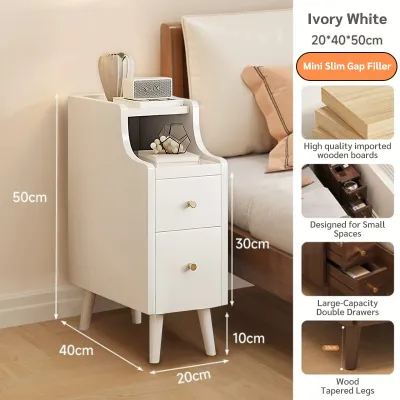
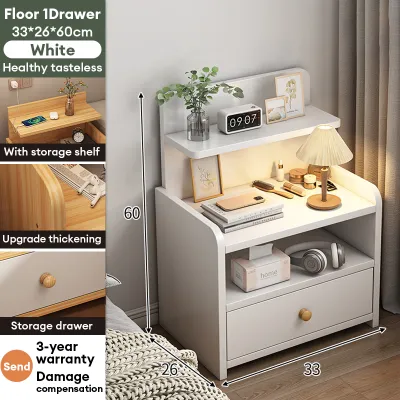
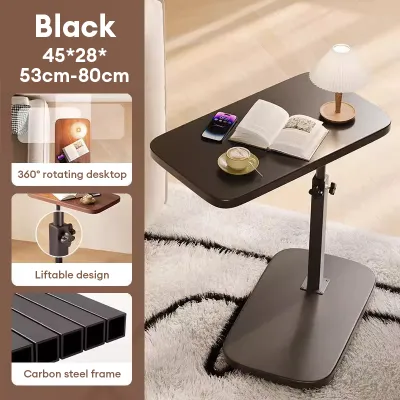
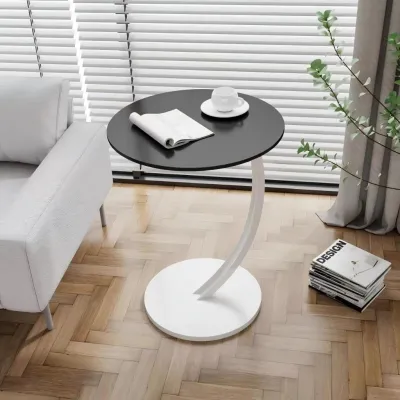
Prices are valid at publication and may change. Please refer to the product page for the latest price.
Finding the Ideal Night Stand Dimensions for Your Bedside Space
To ensure your repurposed side table functions perfectly, you must select the correct height, width, and depth relative to your bed. Ergonomic comfort is the most critical factor when choosing a bedside surface. The top of your night stand should sit level with, or slightly below, the top of your mattress, with an ideal target of 2 to 4 inches (approximately 5 to 10 centimeters) lower than the mattress surface. This height difference allows you to reach for items naturally from a lying position without straining your back or accidentally knocking things over.
To determine your target height, measure from the floor to the top of your mattress. Be sure to perform this measurement while your bed is fully dressed, including any thick mattress toppers, quilted protectors, or plush bedding layers. These additions can easily increase your bed’s overall height by several inches, which directly impacts the table height you require.
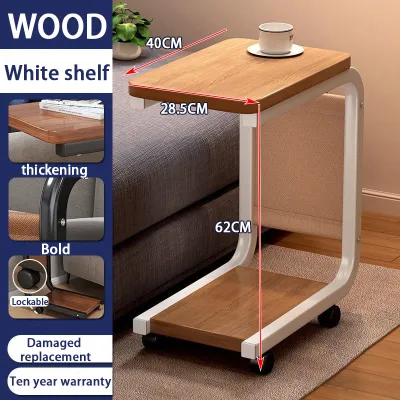
Width is equally important for maintaining visual balance. A table that is too wide will crowd the bed and make the adjacent wall feel cluttered, while a table that is too narrow might look lost. For twin or full-size beds, a compact side table with a width of 12 to 16 inches (30 to 40 centimeters) provides ample space for essentials. For queen-size beds, you can scale up to a width of 18 to 20 inches (45 to 50 centimeters), provided you have sufficient clearance on either side of the frame.
In narrow condo layouts, depth is often the most restrictive dimension. A deep table will protrude past the head of the bed, narrowing the primary walking path and making it difficult to access wardrobes or balconies. Look for shallow-depth side tables measuring between 12 and 15 inches (30 to 38 centimeters) deep. This keeps the walkway clear while still providing enough room for a small lamp, a phone, and a glass of water.
| Mattress Height (Floor to Top) | Recommended Side Table Height | Suitable Bed Scenario |
|---|---|---|
| 18 to 20 inches (45 to 50 cm) | 16 to 18 inches (40 to 45 cm) | Low-profile platform beds, minimalist studio layouts |
| 21 to 24 inches (53 to 61 cm) | 18 to 22 inches (45 to 55 cm) | Standard condo bed frames, medium-thickness mattresses |
| 25 to 28 inches (63 to 71 cm) | 22 to 26 inches (55 to 66 cm) | High-profile beds, thick orthopedic mattresses with toppers |
Space-Saving Styles and Designs for Compact Rooms
When square footage is at a premium, the structural style of your side table plays a major role in how spacious your bedroom feels. Wall-mounted or floating side tables are excellent options for exceptionally tight spaces. By eliminating legs entirely, these designs free up valuable floor area, creating an open aesthetic and making daily sweeping or mopping much easier. Before installing a floating shelf, always check your condo’s wall construction; partition walls made of gypsum board require stud-finding, while concrete walls require appropriate masonry plugs to ensure a secure, stable mount that can support your items.

Visual lightness is another design strategy that helps small rooms feel larger. Solid, blocky wooden furniture blocks natural light and can make a small condo bedroom feel dark and claustrophobic. Instead, look for side tables featuring slender metal legs, open wire frames, or transparent materials like tempered glass or acrylic. These designs allow light and sightlines to pass directly through the piece, minimizing its visual impact while maintaining full functionality.
Your choice between hidden storage and open shelving should depend on your specific storage needs. If you need to hide daily clutter like charging cables, medications, or sleep masks, a side table with a single drawer or a small cabinet door is highly beneficial. However, if you prefer a clean, minimalist look and only need a spot to stack a book or two, an open-tiered table with multiple shelves offers easy access and a lighter visual profile.
Many modern side tables come equipped with multi-functional features that are incredibly useful in small spaces. Look for designs with built-in USB charging ports or power outlets, which eliminate the need for messy extension cords trailing across your floor. Other practical features include nesting side tables that can be stacked together when not in use, or tables with pull-out trays that temporarily extend your surface area when you need extra space.
How to Measure and Plan Your Bedside Layout
Careful planning and precise measurements are essential before purchasing any furniture for a small condo. To maintain comfortable movement throughout the day, aim for at least 24 inches (approximately 60 centimeters) of clear walking space between the edge of your bed and the nearest wall or parallel furniture. If your walkway is narrower than this, you will likely find yourself bumping into the corners of the table when moving around the room in the dark.
Next, identify any potential physical obstructions in the bedside area. Check the swing radius of wardrobe doors, bedroom doors, and low-hanging window sills to ensure the table will not block their movement. Additionally, locate your wall-mounted air conditioning units to ensure they do not drip condensation near your electronics, and check the placement of electrical outlets. Your table should sit close enough to an outlet for easy device charging without pinching or bending the power cords against the wall.
Many modern condo units feature prominent baseboards or skirting boards along the bottom of the walls. If your side table has a solid back or wide-set legs, these baseboards can prevent the table from sitting flush against the wall, leaving an awkward gap where small items can easily fall. Look for tables with recessed back legs or a cantilevered frame that accommodates baseboards, allowing the tabletop to align perfectly flush with the wall surface.
Managing cables in tight spaces is essential for both safety and aesthetics. When a side table is squeezed into a narrow gap, power cables for lamps and phone chargers can easily become pinched, creating a potential electrical hazard. Plan your cord routing by selecting tables with built-in cable management slots, or use adhesive cable clips to secure wires along the back of the table legs, keeping them neat, organized, and out of walkways.
Common Sizing and Placement Mistakes to Avoid
One of the most common errors is purchasing a side table based solely on its visual appeal without verifying its height relative to the mattress. A table that is significantly taller than your bed makes it awkward to reach for items while lying down and increases the risk of knocking things off the edge. Conversely, a table that is too low requires you to bend down uncomfortably, which can strain your back or neck over time.
Another frequent mistake is ignoring the depth and width dimensions of the bedside area. A side table that is too deep will protrude into your primary walking path or block access to adjacent closet doors, creating a daily source of frustration. Always measure the maximum allowable depth and width of your bedside space, keeping in mind that you need to comfortably open any nearby drawers or wardrobe doors.
Overlooking the visual weight of the furniture can also impact the feel of your room. In tropical climates like the Philippines, where natural light and airflow are highly valued, heavy, dark-colored block furniture can make a room feel stuffy and cramped. Opt for lighter finishes, open frames, or elevated legs to keep the space feeling fresh and breezy.
Finally, many condo dwellers forget to measure the journey the furniture must take before it even reaches the bedroom. High-rise condo buildings often have narrow service elevators, tight hallway corners, and standard-sized doorways. Before ordering a fully assembled side table, check the delivery dimensions and ensure the package can easily clear these tight spaces. If access is restricted, look for flat-packed furniture that you can assemble directly inside your bedroom.
Frequently Asked Questions (FAQ)
Can I use a round side table as a nightstand?
Yes, round side tables are excellent for tight bedroom layouts. Their lack of sharp corners makes them much safer to navigate around in a small room, reducing the risk of painful bumps in the dark. They also soften the straight lines of the bed and walls, creating a more relaxed visual flow. However, keep in mind that round tables offer less usable surface area than square or rectangular options, so you may need to limit the size of your bedside lamp or opt for a wall-mounted sconce instead.
What if my bed is too high for standard side tables?
If you have a high-profile bed or a thick mattress topper, standard living room side tables might feel too low. To resolve this, look for taller accent tables, telephone stands, or plant stands, which naturally have higher profiles. Alternatively, you can install a wall-mounted floating shelf at the exact height of your mattress, or add screw-on furniture risers to the legs of a standard side table, provided the modification does not compromise the table’s stability.
How much weight can a floating side table hold?
The weight capacity of a floating side table depends heavily on its design, the quality of its mounting brackets, and the wall material it is anchored to. Generally, a properly installed floating shelf can hold between 10 to 25 pounds (approximately 4.5 to 11 kilograms). To ensure safety, always consult the manufacturer’s specific load capacity guidelines. Avoid mounting floating furniture onto hollow drywall or gypsum board without finding a solid wooden stud or using specialized heavy-duty hollow wall anchors. For concrete or masonry walls typical in Philippine condos, use high-quality wall plugs and screws to ensure a secure, stable hold.
Community discussion
Share your experience or ask a question. Comments are reviewed before publication.