
Selecting the right single bed frame with foam for a compact condominium bedroom requires balancing physical dimensions, visual weight, and daily functionality. In high-rise urban developments where floor space is at a premium, a bulky or poorly planned bed can quickly make a room feel cramped and restrict your movement. By focusing on slim-profile frames, matching the mattress thickness to the room’s scale, and verifying delivery pathways, you can create a comfortable sleeping area that preserves valuable floor space.
In tropical climates like the Philippines, high humidity levels also mean your choice of bed frame and foam must support adequate ventilation. A well-chosen platform or low-profile frame paired with a high-density foam mattress not only maximizes the usable square footage of your bedroom but also ensures a clean, breathable, and comfortable sleep environment.
Measuring Your Condo Bedroom for a Single Bed Frame
Before browsing online marketplaces or visiting local furniture showrooms, you must establish the exact physical boundaries of your bedroom. Begin by measuring the total length and width of the room using a metal measuring tape. Sketch a basic floor plan to map out where the bed will sit, keeping in mind that a standard single mattress in the local market typically measures 36 inches by 75 inches. The frame itself will always require a slightly larger footprint than the mattress, so you must account for these extra centimeters in your layout.
Products mentioned in this guide
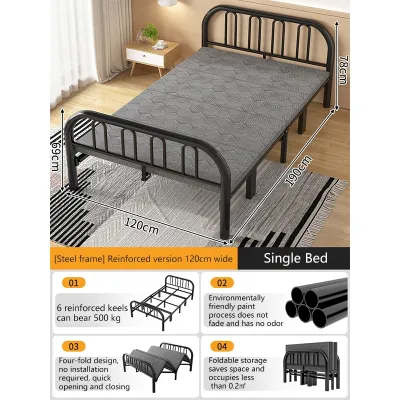

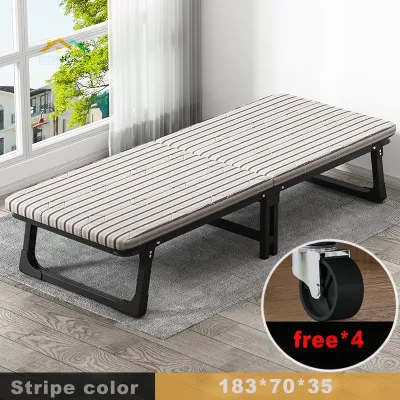
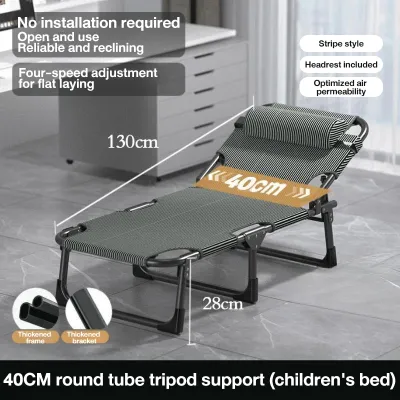
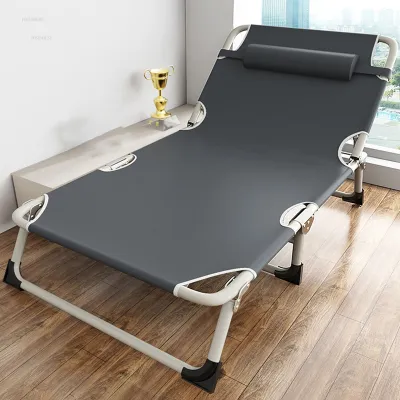


Prices are valid at publication and may change. Please refer to the product page for the latest price.
Next, identify all potential physical obstacles within the room. Built-in wardrobes are standard features in many modern condominiums, and their doors require a specific swing clearance to open fully. Measure the distance from the wardrobe doors to your proposed bed position to ensure you can access your clothes without obstruction. Additionally, locate all wall-mounted electrical outlets, light switches, and air conditioning units. A tall headboard can easily block outlets or interfere with the airflow from a low-hanging air conditioner, so verify these heights before making a purchase.
Finally, do not overlook the logistical journey of the bed frame from the delivery truck to your bedroom. High-rise living introduces strict spatial constraints outside your unit. Measure the height, width, and depth of your building’s service elevator, as well as the clearance of tight corridor corners and the main entry doorway of your unit. Flat-packed metal or wooden frames that assemble inside the room are highly practical solutions for navigating these tight common areas, whereas fully assembled solid frames may present significant delivery challenges.
Matching Foam Thickness and Frame Profiles to Room Size
To prevent your bedroom from feeling visually crowded, you must balance the height of your foam mattress with the profile of the bed frame. Standard single bed frames come in various designs, ranging from minimalist metal platforms to thick upholstered panels. Upholstered or wooden panel frames often feature significant overhangs that extend several inches beyond the mattress edge. In a tight condo bedroom, these extra inches can restrict walkways, making a slim-profile frame that sits flush with the mattress a much more efficient choice.

Foam mattresses are highly favored for small spaces because they do not require a bulky box spring, but their thickness must be chosen carefully. A very thick foam mattress, such as one measuring 10 to 12 inches, placed on a standard-height frame can dominate a small room visually and block natural light if positioned near a window. For compact spaces, a high-density foam mattress with a thickness of 4 to 6 inches often provides excellent support while keeping the overall bed height low. This lower profile maintains open sightlines across the room, creating an illusion of a larger, more airy space.
When evaluating frames, always check the manufacturer’s specifications for weight capacity and foam compatibility. Foam mattresses require consistent, flat support to maintain their shape and prevent sagging over time. Ensure the frame is designed to handle the combined weight of the mattress and the sleeper. If you opt for a wooden frame, do not assume the wood species alone guarantees durability; instead, inspect the quality of the protective finish against tropical humidity, check the sturdiness of the corner joints, and follow the manufacturer’s care instructions to ensure long-term stability.
Selecting Space-Optimizing Frame Features
An efficient bed frame in a small condo should do more than just hold a mattress; it should actively contribute to the room’s storage capacity. Raised platform frames offer valuable under-bed clearance that can be utilized for storing seasonal items, extra linens, or luggage. Before purchasing, check the vertical clearance from the floor to the bottom of the side rails. Ensure you have enough clear floor space beside the bed to easily slide storage bins or drawers in and out without hitting walls or other furniture.
Low-profile platform frames are excellent for eliminating visual clutter. By supporting the foam mattress directly on a solid or closely slatted surface, these frames keep the bed close to the ground. This design is particularly beneficial in condos with lower ceilings, as it maximizes the vertical space between the bed and the ceiling, making the entire room feel less confined.
Additionally, pay close attention to structural stability and floor protection. Condo units frequently feature delicate flooring materials such as laminate, engineered wood, or polished ceramic tiles. Look for bed frames equipped with rubberized feet or felt pads to prevent scratching and scuffing during assembly or daily use. Check that the frame’s joints are secured with high-quality bolts or reinforced brackets, as secure connections prevent the frame from shifting or squeaking on hard, level floors.
Avoiding Common Space-Planning and Sizing Mistakes
One of the most common mistakes when furnishing a small bedroom is ignoring the natural flow of movement, also known as the traffic path. Placing a single bed frame too close to an entry door or a balcony exit can restrict movement and create a daily inconvenience. Always ensure that the main pathway through the room remains clear and that the bed does not obstruct window latches, curtains, or wall-mounted fans.
Another frequent error is confusing mattress sizes with total frame dimensions. A frame advertised as fitting a “single mattress” can vary wildly in its actual external measurements depending on the design. Upholstered headboards, decorative footboards, and wide side rails can add substantial length and width to the bed’s footprint. Always base your room layout on the outer dimensions of the frame provided by the manufacturer, rather than the standard mattress size.
Lastly, always consult your condominium’s property management office before scheduling a delivery or attempting any assembly. Many high-rise buildings have strict guidelines regarding delivery hours, elevator reservations, and noise restrictions. If you plan to anchor a headboard to a wall, verify the location of internal utility conduits with building maintenance to avoid damaging electrical wiring or plumbing lines hidden behind the concrete walls.
Frequently Asked Questions (FAQ)
Can I use a thick foam mattress on a slatted single bed frame?
Yes, you can use a thick foam mattress on a slatted frame, but you must verify the spacing between the slats. Most foam mattress manufacturers recommend that the slats be spaced no more than 3 inches (approximately 7.5 centimeters) apart. If the gaps between the slats are too wide, the flexible foam can sag into the openings under your body weight. This lack of uniform support can lead to premature wear of the mattress, physical discomfort, and may even void your mattress warranty. If your frame has wide slats, you can resolve this by placing a solid bunkie board or a thin sheet of plywood over the slats to create a flat, supportive surface.
How much walking space should I leave around a single bed in a small condo?
For comfortable daily movement, aim to leave a minimum clearance of 60 centimeters (approximately 24 inches) on the active sides of the bed. This clearance allows you to walk comfortably, change the bedsheets easily, and open wardrobe doors or drawers without obstruction. If your condo bedroom is exceptionally tight, you can optimize the layout by pushing one side of the single bed frame directly against a wall. This layout consolidates the remaining floor space into a single, wider walkway, though you should ensure this placement does not block electrical outlets, light switches, or air conditioning vents.

Community discussion
Share your experience or ask a question. Comments are reviewed before publication.