
Living in a compact studio apartment or a high-rise condo in urban centers like Metro Manila, Cebu, or Davao requires a thoughtful approach to interior design. With typical studio units ranging from 18 to 28 square meters, every piece of furniture must justify its footprint. A single-size foldable sofa bed is one of the most efficient investments you can make for these tight spaces, serving as a comfortable seat for daytime lounging or working, and transforming into a private sleeping surface at night. However, finding a model that balances comfort, durability, and space efficiency requires looking closely at specific design details.
The challenge of small-space living is not just about fitting furniture inside the room, but maintaining a comfortable flow of movement. A sofa bed that is too bulky can make a studio feel cramped and restrict daily activities, while a model that is too flimsy will fail to provide the restful sleep needed for a productive day. To make the right choice, you must evaluate how the unit operates in both its folded and unfolded states, how its materials respond to the local tropical climate, and how easily it can be delivered and assembled within a typical condo building.
Measuring Space Clearances for Single-Size Footprints
Before browsing online marketplaces or visiting local showrooms, you must take precise measurements of your available floor space. A standard single-size sofa bed typically features a sleeping surface width of 90 to 100 centimeters and an extended length of 180 to 190 centimeters. When folded into a sofa, the depth of the unit usually ranges from 80 to 95 centimeters. You must ensure that your room can accommodate both configurations without creating physical bottlenecks.
Products mentioned in this guide
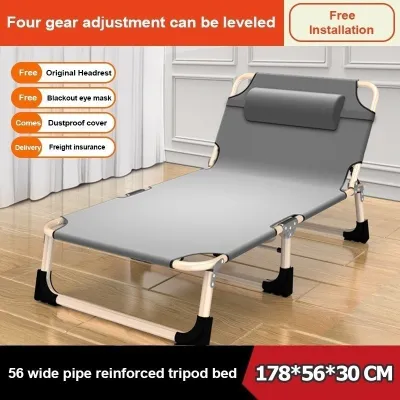
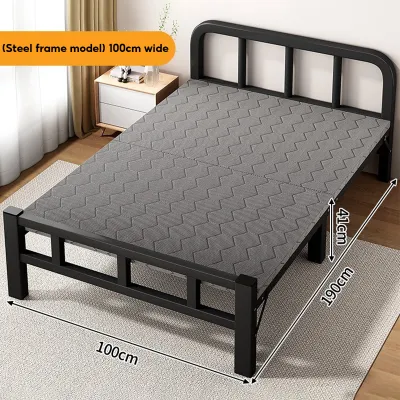
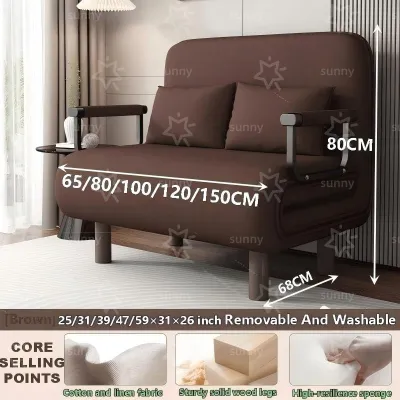
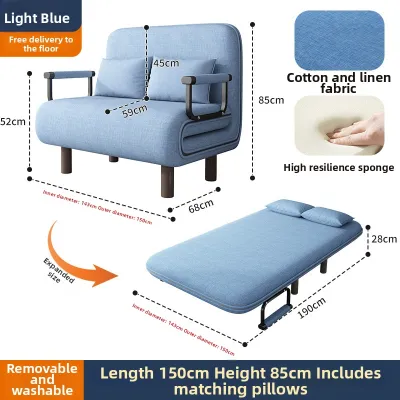
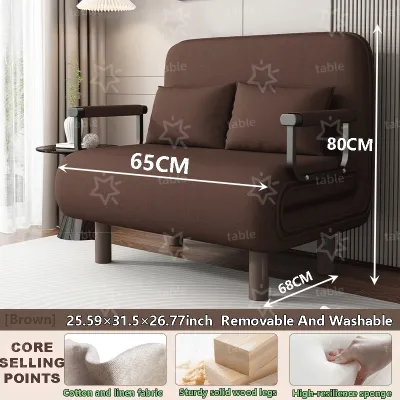
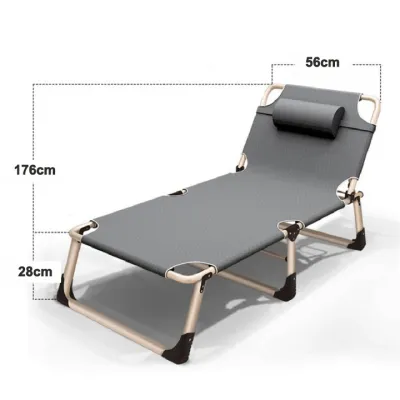
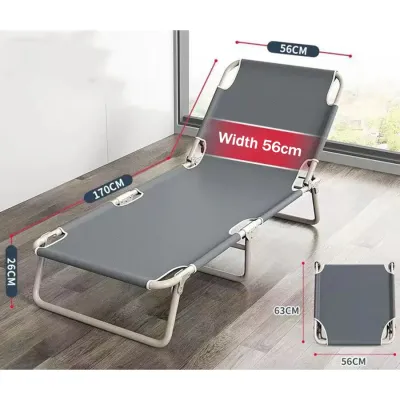

Prices are valid at publication and may change. Please refer to the product page for the latest price.
Clearance around the extended bed is critical for daily comfort and safety. Aim to maintain a walking path of at least 50 to 60 centimeters on at least one side of the bed when it is fully deployed. This open space allows you to get in and out of bed easily and prevents you from feeling trapped against the wall. If the bed is placed in a tight corner, make sure you can still access essential areas of the room without having to climb over the mattress.
Verify that the fully extended bed does not block the swing paths of doors, wardrobes, or cabinets. In many Philippine condo layouts, the main entrance, bathroom door, and built-in closets are positioned close to the living area. A deployed sofa bed that blocks a closet door or prevents the bathroom door from opening fully will quickly become a major daily inconvenience. Use masking tape on your floor to map out the exact dimensions of the fully extended bed to visualize these potential obstructions before making a purchase.
Additionally, consider the specific clearance requirements of different folding mechanisms. Click-clack designs require you to leave a gap of 10 to 15 centimeters between the back of the sofa and the wall so the backrest can tilt backward before flattening. Pull-out drawer styles extend forward, requiring clear floor space in front of the sofa, while vertical fold-out options might require clearance for high headboards or wall-mounted shelves. Finally, check that the sofa bed does not block wall outlets, light switches, or air conditioning vents, as you will need easy access to these fixtures daily.
Do not forget to measure the height of the sofa bed when folded, especially if you plan to place it under a low window sill or a wall-mounted television. A high backrest can block natural light or interfere with your viewing angle. Furthermore, consider the “unfolding path” itself. If you have to move a heavy coffee table, a side table, or a large area rug every single night just to deploy the bed, the daily routine will quickly become exhausting. Opt for lightweight surrounding furniture that can be easily shifted aside.
Matching Frame Mechanisms and Mattresses to Sleep Frequency
The frequency of use dictates the type of folding mechanism and mattress quality you need. If the sofa bed is intended for daily sleep, the ease of conversion is paramount. A mechanism that requires excessive physical effort or complex folding sequences will quickly become a daily frustration in a busy household.

Click-clack mechanisms are popular for their simplicity, requiring a simple push of the backrest until it clicks, followed by a smooth fold down into a flat surface. While highly convenient, these models often feature a split down the center of the sleeping surface, which can cause discomfort over time. Pull-out trundle or drawer-style mechanisms slide forward from under the seat cushion, offering a flat sleeping surface but introducing more moving parts that can wear down with daily friction.
Futon-style frames fold flat using a simple hinge system and rely on a single, continuous mattress. This design eliminates the center seam issue but requires a flexible mattress that can bend repeatedly without losing its structural integrity. For daily use, look for heavy-duty metal hinges or reinforced wooden pivot points that operate smoothly without squeaking or sticking.
The mattress filling directly impacts sleep quality and spinal support. High-density polyurethane foam is a reliable choice for daily use, as it resists sagging and conforms to body contours. In tropical climates like the Philippines, high humidity can trap heat in standard memory foam; choosing open-cell foam or models with breathable fabric covers helps mitigate heat retention during warm nights.
Innerspring or pocket coil mattresses offer excellent support and airflow, but they are less common in single-size foldable designs due to the physical limitations of folding metal coils. If you select a coil-based model, verify that the coils are individually pocketed to minimize motion transfer and noise. For occasional guest use, a medium-density foam mattress of at least 10 to 12 centimeters in thickness is generally sufficient to prevent sleepers from feeling the underlying support structure.
Pay close attention to the placement of support bars and frame gaps. In poorly constructed sofa beds, thin metal support bars can press directly into the mattress under a sleeper’s weight, leading to back pain. Check that the frame features a solid platform, closely spaced wooden slats, or a thick protective barrier between the metal support grid and the mattress.
If you choose a click-clack model with a noticeable center seam, consider investing in a separate, rollable mattress topper. A 2-inch topper made of latex or high-density foam can be laid over the extended sofa bed to bridge the gap and provide a uniform sleeping surface. This topper can be rolled up and stored in a closet during the day, significantly improving your sleep quality without compromising the sofa’s daytime appearance.
Inspecting Build Quality and Weight Stability
A durable sofa bed must withstand both the static weight of sitting and the dynamic weight of sleeping. Inspecting the frame materials is the first step in assessing long-term stability. Solid wood frames, such as those made from kiln-dried hardwoods, offer excellent structural integrity but can be heavy and susceptible to moisture damage if not properly sealed against tropical humidity.
Metal alloy frames, particularly those with powder-coated finishes, provide high strength-to-weight ratios and excellent resistance to rust and pests. Examine the joint reinforcements at high-stress folding points. Look for thick metal brackets, heavy-duty bolts instead of simple wood screws, and clean welds along metal seams, as these areas bear the brunt of the force during daily conversions.
Base stability is crucial to prevent the unit from tipping when a sleeper rolls near the edge. When fully extended, the bed should rest on multiple points of contact with the floor. Check that the fold-out legs are positioned near the outer corners of the sleeping surface and are equipped with non-slip, non-marking floor protectors to prevent damage to your condo’s tiles or laminate flooring.
Review the manufacturer’s specified weight limits to ensure the unit can safely support the intended user. A standard single-size sofa bed should ideally support a static weight of at least 100 to 120 kilograms. Keep in mind that dynamic weight—such as sitting down heavily or tossing and turning—exerts more force than lying still, so choosing a frame with a generous safety margin is always advisable.
Inquire about the warranty terms for the structural components. A reliable manufacturer often provides separate warranty coverage for the frame and mechanism, distinct from the fabric or foam warranty. This coverage serves as a good indicator of the manufacturer’s confidence in the durability of their folding hardware.
If you are testing a unit in a physical showroom, perform a few simple stability checks. Sit on the very edge of the extended bed to see if the opposite end lifts off the floor or if the frame flexes excessively. Shake the backrest gently when it is in the sofa position to check for loose joints or wobbling. A high-quality frame should feel solid and silent, without any noticeable swaying or creaking.
Maximizing Utility with Space-Saving Features
In a small studio or condo, furniture must often perform multiple roles. Many modern single-size sofa beds incorporate built-in storage compartments beneath the seat cushion or within the pull-out drawer. This hidden storage is ideal for stowing away pillows, bedsheets, blankets, and seasonal items, keeping your living area free of clutter during the day.
Upholstery fabric selection is critical for both maintenance and comfort in a warm, humid climate. Synthetic blends, such as polyester or nylon, offer high stain resistance and durability, making them easy to clean with a damp cloth. However, ensure the weave is breathable to prevent a sticky, uncomfortable seating experience during the summer months.
Natural fibers like cotton or linen blends provide superior breathability and a soft texture, but they are more prone to staining and may require professional cleaning or removable, washable slipcovers. If you have pets or are prone to spills, look for fabrics treated with water-repellent coatings or opt for a model with fully removable and machine-washable covers.
Consider the overall weight of the unit and whether it features lockable casters. A lightweight frame or one equipped with smooth-rolling wheels allows you to easily reposition the sofa bed for floor cleaning, rearranging the room, or accommodating guests. Ensure that any casters can be securely locked in place to prevent the bed from shifting or rolling unexpectedly while you sleep.
Pay attention to the design of the armrests. Some single-size sofa beds feature wide, heavily padded armrests that can add 20 to 30 centimeters to the overall width of the unit without increasing the actual sleeping surface. For ultra-small spaces, look for armless designs or models with thin, streamlined wooden or metal armrests. This maximizes the usable seating and sleeping area while keeping the overall footprint as compact as possible.
Final Pre-Purchase and Delivery Checklist
Before finalizing your purchase from an online marketplace or a local showroom, you must plan the delivery logistics. Many condo buildings in the Philippines have strict rules regarding delivery times and elevator usage. Measure the height, width, and depth of your building’s service elevator, as well as the clearance of tight stairwell turns and your apartment’s front door frame.
Verify the assembly requirements of the sofa bed. Some units are delivered fully assembled, while others require extensive setup of the frame, hinges, and legs. Check if the package includes all necessary tools, or if you will need your own screwdriver and wrench. If you are not comfortable with DIY assembly, inquire if the retailer offers professional installation services upon delivery.
Finally, carefully review the return policies, trial periods, and defect coverage. Purchasing furniture online carries the risk of the item not fitting your space or feeling different than expected. Ensure the retailer provides a clear window for reporting manufacturing defects, and understand who covers the shipping costs if a return or exchange becomes necessary.
Additionally, check if the retailer offers a trial period, which is increasingly common for online furniture brands. A trial period of 30 to 100 nights allows you to test the sofa bed in your own home and return it if it does not meet your comfort standards. Be sure to read the fine print regarding the condition of the returned item and any restocking fees that may apply.
Frequently Asked Questions (FAQ)
Can a single-size foldable sofa bed comfortably accommodate an adult every night?
Yes, an adult can sleep comfortably on a single-size foldable sofa bed every night, provided the mattress is of high quality and the frame offers adequate support. For daily use, prioritize a high-density foam mattress with a thickness of at least 10 to 12 centimeters to prevent bottoming out. Additionally, ensure the frame utilizes a solid platform or closely spaced wooden slats rather than thin metal bars, which can cause discomfort and back strain over time.
How do I prevent the mattress from sliding off the frame when folded out?
To prevent the mattress from shifting or sliding off the frame when extended, you can use non-slip mattress grippers or rubberized pads placed directly between the frame and the mattress base. Many manufacturers include built-in velcro straps, fabric pockets, or metal retaining brackets at the foot of the bed to secure the mattress in place. If your model lacks these features, attaching heavy-duty adhesive velcro strips to the frame and the underside of the mattress cover provides a simple, non-damaging solution.
Community discussion
Share your experience or ask a question. Comments are reviewed before publication.