
When setting up a dedicated study corner for your child, choosing the right toddler tower chair requires looking beyond the features of a standard kitchen helper. A study-safe tower chair must offer precise seat and footrest adjustability, a stable and tip-resistant base footprint, proper clearance to slide under a standard desk, and durable, easy-to-clean materials that withstand both creative spills and tropical humidity. Selecting a model with these specific features ensures your child remains comfortable, focused, and safe during drawing, writing, or reading activities.
While many parents initially consider repurposing a kitchen helper tower, a dedicated study environment demands different structural and ergonomic specifications. Transitioning from active, standing-focused kitchen tasks to seated learning requires careful evaluation of how the chair interacts with a standard desk. By focusing on key dimensions, stability mechanisms, and material finishes, you can create an inviting and ergonomic workspace that grows alongside your toddler.
Shifting from Kitchen to Study: Why Desk Specs Matter
Kitchen helper towers are primarily designed to elevate standing toddlers to standard counter heights, which typically range from 36 inches. In contrast, a child’s study desk or a standard writing desk sits much lower, usually between 28 and 30 inches. Attempting to use a standing kitchen tower at a lower desk can force the child into an awkward, hunched posture or position them too high to work comfortably.
Products mentioned in this guide
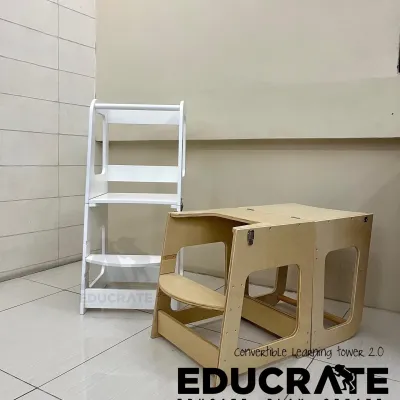
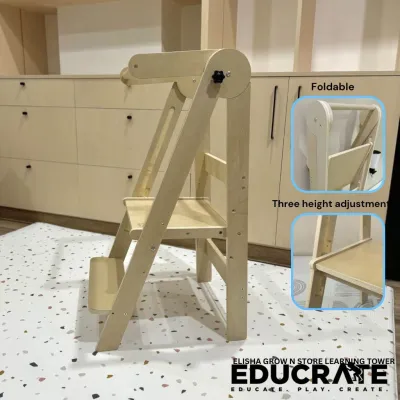
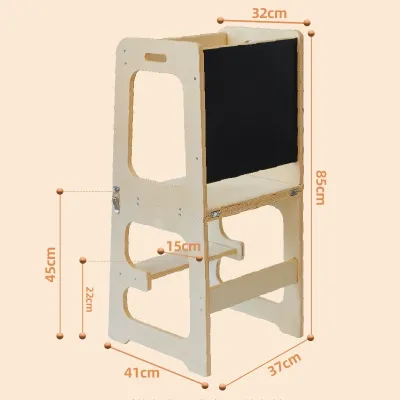
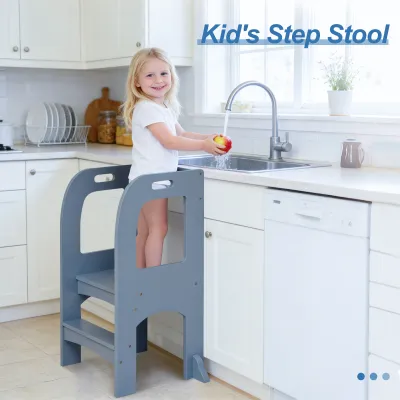
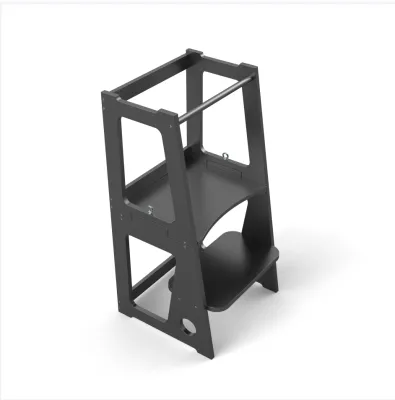
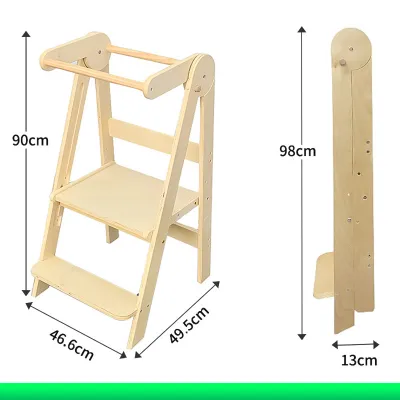
Prices are valid at publication and may change. Please refer to the product page for the latest price.
The duration of use also differs significantly between these two environments. While kitchen tasks are usually brief and highly active, study sessions require the child to remain seated or semi-seated for longer periods. This extended duration demands proper ergonomic support, including a contoured backrest and a supportive seat pan, to prevent fatigue and restlessness.
Before placing any tower chair in a study corner, it is essential to check the manufacturer’s documentation for approved use cases. Some models are strictly certified for standing assistance and lack the structural configurations required for safe, seated desk work. Verifying these specifications beforehand prevents posture issues and ensures the chair supports active learning safely.
Stability and Base Design for Active Learning
Toddlers are naturally active, often shifting weight, leaning forward, or reaching for art supplies while seated at a desk. To prevent tipping, a study tower chair must feature a wide, stable base footprint that distributes weight evenly. Look for designs that incorporate anti-tip outriggers or extended feet, which provide additional lateral stability when the child moves side to side.

The type of flooring in your study room also plays a critical role in stability. Polished hardwood, smooth ceramic tiles, and vinyl planks—common in many Philippine homes—can be slippery if the chair lacks proper grip. Verify that the chair comes equipped with non-slip, non-marking rubber pads or felt feet to keep the unit firmly in place while protecting your floors from scratches.
Always check the manufacturer’s stated weight capacity and structural limits rather than relying on visual estimates of sturdiness. Solid wood constructions often support higher weight limits, but they must be backed by official product specifications. Keep in mind that while a wider base offers superior stability, it also occupies more floor space, so you must balance tipping resistance with the physical limits of your study corner.
Adjustability Features for Proper Desk Alignment
An ergonomic study setup requires the child’s elbows to rest comfortably on the desk surface at a 90-degree angle, with their feet flat on a supportive surface. To achieve this alignment as your child grows, look for a toddler tower chair with multiple seat height increments. Fine adjustability allows you to lower the seat gradually to match the fixed height of your study desk.
Equally important is an adjustable footrest that prevents the child’s legs from dangling, which can restrict circulation and cause discomfort. The footrest should move independently of the seat, allowing you to maintain a proper 90-degree bend at the knees and hips. Check the product specifications to ensure the adjustment intervals are small enough to accommodate minor growth spurts.
When evaluating adjustable models, consult the product manual to verify the locking mechanisms and safety hardware. Look for heavy-duty bolts, metal safety pins, or recessed locking channels that prevent the seat or footrest from slipping out of place during use. Avoid designs with loose-fitting slots that could wobble or shift when your child climbs onto the chair.
Desk Clearance and Spatial Footprint
Before purchasing a toddler tower chair, measure your existing study desk to ensure a seamless fit. Check the underside clearance height, as well as the width between the desk legs, to confirm the chair’s base and armrests can slide completely underneath. A chair that cannot tuck under the desk forces the child to lean forward, straining their back and neck.
You must also choose between a fixed-base design and a model with wheels. While wheels make it easier to slide the chair in and out, they must feature reliable, pressure-activated safety locks that engage automatically when weight is applied. For smooth tile or wood floors, a fixed-base model with felt glides often provides a more stable and predictable learning environment.
Additionally, account for the physical space required for your child to climb into and out of the chair safely. The surrounding area should remain clear of walls, bookshelves, or sharp furniture corners. Ensuring there is ample clearance around the chair prevents accidental bumps and allows your child to develop independence in their study space.
Surface Materials and Focus-Friendly Design
The materials and finishes of a study chair directly impact both its durability and your child’s ability to focus. Look for non-slip seat surfaces or textured finishes that prevent the child from sliding forward while working. Matte or satin finishes are generally preferable to high-gloss coatings, as they reduce distracting light reflections from desk lamps.
In tropical climates where humidity can be high, selecting the right material finish is crucial for longevity. Look for sealed solid wood or high-density birch plywood treated with non-toxic, water-resistant lacquers that resist warping and moisture absorption. These wipeable surfaces make it easy to clean up spilled water, watercolor paints, clay residue, and crayon marks without damaging the underlying material.
Finally, consider the visual design of the chair and how it integrates into the study environment. Neutral wood tones, soft pastels, or muted whites help create a calming atmosphere that encourages concentration. Highly stimulating patterns or bright, neon colors can distract a young child from their tasks, so opting for minimalist designs is often the most effective choice for a dedicated learning space.
Frequently Asked Questions (FAQ)
Can a standard kitchen toddler tower be used for a study desk?
Most standard kitchen toddler towers are designed specifically for standing at high countertops and are too tall to fit under a standard study desk. Using them in a seated study environment can lead to poor posture or tipping hazards if the child tries to sit on a platform meant only for standing. Always check the manufacturer’s guidelines to see if the tower has an approved lower-seated configuration before placing it at a desk.
At what age is a toddler tower chair appropriate for desk learning?
A toddler tower chair is generally appropriate when a child can climb into the seat independently and sit upright without support, which often occurs around 18 to 24 months. However, developmental readiness varies for every child. You should always consult the specific product manual for the manufacturer’s recommended age, height, and weight limits to ensure a safe learning setup.

Community discussion
Share your experience or ask a question. Comments are reviewed before publication.