
Finding the right outdoor furniture in the Philippines requires a realistic understanding of the local climate. When you are shopping for a bench with storage cabinet to place in your garden, patio, or yard, you cannot treat it like standard indoor furniture. The combination of torrential monsoon rains and intense tropical humidity will quickly destroy poorly chosen materials. To protect your investment and keep your gardening tools, cushions, and outdoor accessories safe, you must prioritize materials and construction features engineered specifically to handle high moisture levels and intense sun exposure.
The ideal garden storage bench must serve a dual purpose: it must provide stable, comfortable seating while keeping its interior compartment dry and mold-free. While many products claim to be “weatherproof,” true durability under Philippine conditions depends on specific material treatments, smart ventilation, and rust-proof hardware. By understanding what to look for, you can avoid the common pitfalls of wood rot, rusted hinges, and warped frames, ensuring your outdoor storage remains functional and beautiful for years to come.
Understanding the Tropical Climate Challenge
The Philippine climate presents a unique set of challenges for any outdoor furniture. With a wet season that brings heavy rainfall and typhoons, followed by dry months of intense, direct sunlight, materials are constantly expanding, contracting, and absorbing moisture. High ambient humidity, which often hovers above 80 percent, means that even when it is not raining, the air itself carries enough moisture to promote rapid degradation.
Products mentioned in this guide
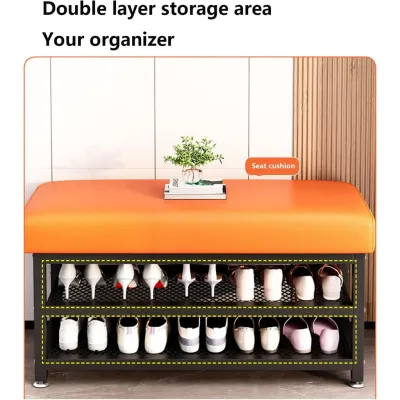
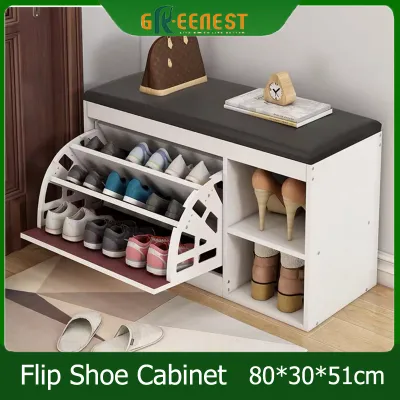
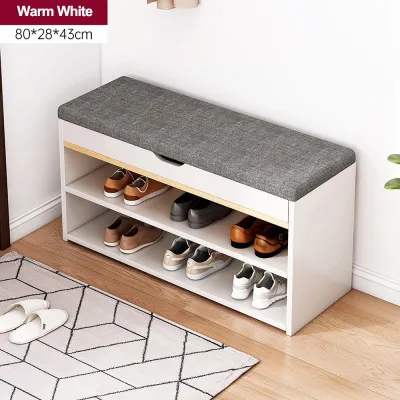
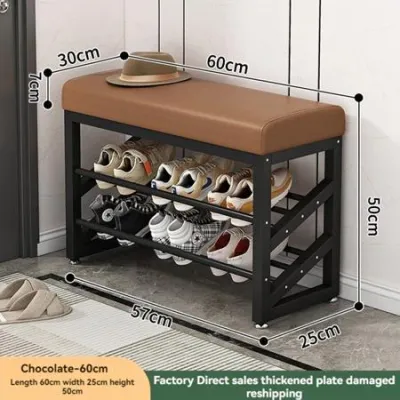
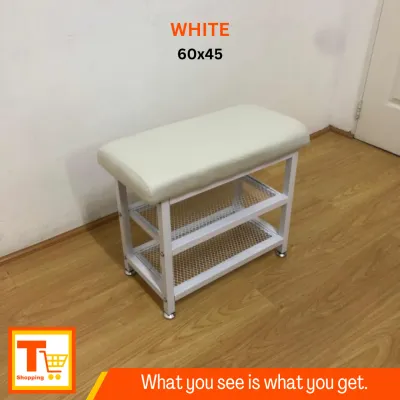
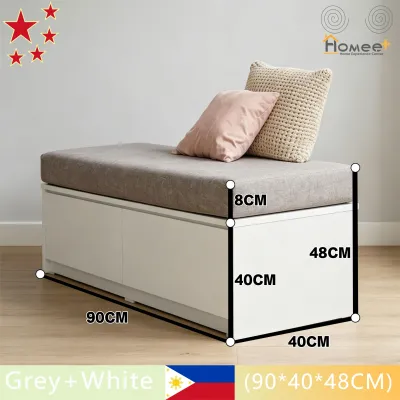
Prices are valid at publication and may change. Please refer to the product page for the latest price.
When moisture becomes trapped inside an outdoor storage enclosure, it creates a highly destructive microclimate. Standard metals will oxidize and rust, leaving unsightly stains and eventually failing structurally. Wood that is not properly treated will absorb water, causing it to swell, warp, split, and eventually rot. Furthermore, the dark, damp interior of a sealed storage bench becomes a perfect breeding ground for mold, mildew, and fungal growth, which can ruin fabric cushions, degrade plastic tools, and cause wooden handles to decay.
To survive these harsh conditions, a bench with storage cabinet must do more than just block falling rain. It must be designed to shed water efficiently from its exterior surfaces while managing the humidity levels inside the cabinet. Achieving this balance requires a combination of high-quality, moisture-resistant materials and smart structural engineering that allows air to circulate without letting rainwater penetrate the storage space.
Evaluating Frame and Body Materials for a Bench With Storage Cabinet
When browsing online marketplaces or local furniture showrooms, you will encounter a wide variety of materials. However, a generic material name like “wood” or “metal” is never enough to guarantee outdoor durability. You must look deeper into the manufacturer’s specifications to verify the exact treatments, protective coatings, and care requirements of the product. Let’s examine the three most common material categories and how to evaluate them for tropical environments.

Synthetic Resins and Heavy-Duty Plastics
Synthetic resin and high-density polyethylene (HDPE) are highly popular choices for outdoor storage due to their inherent resistance to water. Unlike natural materials, plastic cannot absorb moisture, meaning it will never rot, swell, or rust. This makes it exceptionally low-maintenance and highly effective at keeping heavy rain away from your stored items.
However, not all plastics are created equal. When selecting a resin bench, you must verify that the material is labeled as “UV-stabilized” or “UV-resistant” in the product specifications. The intense tropical sun can degrade standard plastics, breaking down the chemical bonds and causing the material to become brittle, fade, and eventually crack under weight. Additionally, look for double-wall construction. Single-wall plastic panels are prone to sagging and warping over time, especially when subjected to the weight of multiple seated adults or heavy garden tools stored inside.
While resin is highly waterproof, it has one major drawback: it is completely non-porous. A fully sealed plastic bench will trap heat and humidity inside, creating a greenhouse effect. If you choose a synthetic resin bench, it is vital to ensure it features built-in ventilation to allow trapped moisture to escape.
Treated Hardwoods and Modified Woods
For many homeowners, nothing matches the natural beauty and warmth of real wood in a garden setting. If you prefer a wooden bench, you must avoid softwoods like pine or standard indoor engineered woods like MDF and plywood, which will disintegrate rapidly when exposed to tropical humidity. Instead, focus on dense, oil-rich hardwoods such as teak, shorea, or eucalyptus.
Even premium hardwoods require specific verification. Check the product specifications for factory-applied water-repellent preservatives, marine-grade varnishes, or pressure-treated ratings designed for ground or outdoor contact. These treatments help the wood resist water penetration and fungal decay. Always check the manufacturer’s care label to understand the required maintenance; most wooden outdoor furniture will need to be re-sealed or oiled once or twice a year to maintain its protective barrier.
Before purchasing, verify if the product comes with an explicit outdoor moisture warranty. If the manufacturer does not specify that the wood and its joint adhesives are rated for wet outdoor environments, it is best to look elsewhere.
Powder-Coated and Galvanized Metals
Metal frames offer unmatched structural strength and a sleek, modern aesthetic, but they are highly vulnerable to the corrosive effects of salt air and high humidity. To prevent your bench from turning into a rusted eye-sore, you must look for specific rust-prevention treatments rather than simple painted finishes.
The gold standard for outdoor metal is hot-dip galvanization or baked powder coating. Powder coating involves electrostatically applying a dry powder to the metal, which is then cured under heat to form a tough, continuous protective skin. This barrier is far more resistant to moisture, chipping, and scratching than standard liquid paint. Aluminum is also an excellent choice, as it naturally resists rust better than steel, though it should still be powder-coated for maximum durability.
When inspecting a metal bench, pay close attention to the joints, welds, and seams. These are the areas where moisture is most likely to collect and initiate rust. Ensure all joints are fully welded and sealed. Keep in mind that deep scratches can compromise the protective powder coat, exposing the raw metal beneath to the humid air. If a scratch occurs, you must apply a rust-inhibiting primer or touch-up paint immediately to prevent localized corrosion from spreading.
Critical Construction Features for Waterproofing and Ventilation
The materials you choose are only as good as the construction details that hold them together. To ensure your bench with storage cabinet successfully protects your gardening tools and outdoor gear, look for these critical structural features before making your final decision.
Lid Seals and Overhangs
The lid or seat of the bench is your primary line of defense against falling rain. Look for a design where the lid extends slightly past the edges of the storage box, creating an overhang that sheds water away from the opening. The hinges should be protected by a raised lip or deflector to prevent water from seeping through the joints. For maximum protection, look for benches that feature rubber gaskets or weather-stripping seals along the inner rim of the lid, which compress when closed to form a tight moisture barrier.
Ventilation Mechanisms
Without proper airflow, the interior of your storage bench will trap humid air, leading to condensation, mold, and rusted tools. High-quality outdoor benches address this by incorporating hidden ventilation grilles, baffled vents, or slatted lower sections. These features are designed to allow continuous air circulation while preventing driving rain from entering the compartment. Breathable storage is especially important if you plan to store damp items, such as garden hoses or wet work gloves.
Hardware and Fasteners
A bench’s structural integrity is only as strong as its smallest components. Cheap screws, hinges, and latches will rust rapidly in a tropical climate, leading to structural failure and staining the body of the bench. Always verify that all hardware is made of stainless steel (preferably 304 or 316 grade) or heavily galvanized metal. If the manufacturer’s product description does not explicitly state that the hardware is rust-proof, contact the seller or manufacturer to verify before buying.
Base and Feet
Water pooling on your patio or garden floor can quickly rot the bottom of your storage bench. To prevent this, choose a model with elevated feet or a raised bottom panel that keeps the base of the storage compartment at least a few centimeters off the ground. This elevation prevents bottom-up water wicking and allows air to flow underneath the bench, helping the ground dry quickly after a heavy downpour. If placing the bench on an uneven surface, adjustable levelers are a valuable feature to ensure stability.
Sizing, Placement, and Space Verification Before Buying
Before committing to a purchase, it is essential to perform a thorough space and logistical check. Outdoor furniture must fit your physical environment and your lifestyle, adhering to safety and usability standards.
First, measure the available footprint in your garden, patio, or balcony. Do not just measure the space required for the bench when closed. You must account for the clearance needed to fully open the cabinet doors or flip up the seat lid. Ensure that when the bench is fully open, it does not block narrow walkways, doorways, or emergency escape routes.
Next, verify the internal storage dimensions against the actual items you intend to store. If you plan to keep long-handled tools like shovels, rakes, or bulky items like pool covers and cushions, check the interior length, width, and depth specifications. Many double-walled resin benches have significantly smaller internal dimensions than their external footprints suggest.
You must also verify the manufacturer’s stated weight capacities. Because this furniture serves a dual purpose, look for two separate ratings: the maximum seating capacity (to ensure it can safely support the weight of multiple adults) and the internal storage weight limit. Overloading the storage compartment can cause the bottom panel to bow, compromising the door seals and letting moisture in.
Finally, plan the delivery and assembly logistics. Measure all gates, doorways, narrow hallways, and elevator doors along the path from your street to the final outdoor location. Whether the bench is delivered fully assembled or flat-packed in a large box, you must ensure it can be safely transported through your home or garden gates without damaging the product or your property.
Routine Maintenance to Extend Lifespan in Wet Conditions
Even the most durable, weather-resistant bench with storage cabinet requires regular care to survive the intense Philippine wet season. Implementing a simple, routine maintenance schedule will significantly extend the lifespan of your furniture and protect the items stored inside.
Regular Cleaning
At least once a month, wipe down the exterior and interior surfaces of your bench with mild, non-abrasive soap and warm water. Use a soft cloth or sponge to remove dirt, pollen, fallen leaves, and organic debris. If left unchecked, these organic materials can trap moisture against the surface, degrade protective finishes, and encourage the growth of mold and algae. Always consult the manufacturer’s care label before using any specialized cleaning products, as harsh chemicals can strip away protective UV coatings or wood sealants.
Moisture Management
During dry, sunny days, make it a habit to open the storage cabinet doors or lift the seat lid for a few hours. This simple action allows fresh air to circulate, drying out any condensation that may have accumulated during humid nights. Use this time to inspect your stored tools and accessories for early signs of rust or mold, allowing you to address any issues before they cause permanent damage.
Surface Care
For wooden benches, monitor the condition of the finish. Perform a simple water droplet test: splash a few drops of water onto the wood surface. If the water beads up, the finish is still intact; if it quickly soaks into the wood, it is time to lightly sand the surface and reapply a manufacturer-approved outdoor wood oil, sealer, or marine varnish. For metal frames, inspect the joints and high-wear areas for paint chips or scratches. Apply a rust-inhibiting primer and touch-up paint immediately to prevent moisture from creeping under the remaining finish.
Placement Adjustments
If extreme weather conditions or typhoons are forecasted, take proactive steps to protect your bench. If possible, move the bench under a covered lanai, carport, or into a secure garage. If the bench is too heavy to move, secure it with a high-quality, fitted, breathable outdoor furniture cover. Ensure the cover is tied down securely to withstand high winds, but leave a small gap at the bottom to allow air circulation, preventing ground moisture from becoming trapped underneath.
Frequently Asked Questions (FAQ)
Can I leave cushions on the bench during the rainy season?
No, it is highly recommended to store fabric cushions indoors or in a separate, fully sealed dry bin during the wet season. Even if the cushions are labeled as water-resistant, prolonged exposure to heavy tropical rain and high humidity will eventually saturate the fabric, leading to deep-seated mold and mildew. If you choose to leave cushions out temporarily, ensure they are made with quick-dry polyurethane foam and covered in high-performance, UV-resistant outdoor fabrics, and dry them thoroughly in the sun after any rain.
How do I stop gardening tools from rusting inside a plastic storage bench?
Because plastic benches do not breathe naturally, they easily trap ambient humidity. To protect your metal gardening tools, always wipe them completely dry to remove dirt and moisture before placing them inside. You can also place reusable silica gel desiccant packs or moisture-absorbing canisters inside the cabinet to actively pull humidity from the air. Additionally, ensure you choose a bench model that features built-in ventilation grilles to promote continuous airflow.
Is it safe to assemble a wooden storage bench directly on soil or grass?
No, placing a wooden storage bench directly on soil, grass, or wet turf is highly unsafe for the longevity of the wood. The constant contact with ground moisture will cause water to wick upward into the legs and base, leading to rapid wood rot, structural instability, and fungal decay. It also makes the wood highly vulnerable to subterranean termites and other wood-boring insects. Always place your bench on a solid, level, well-draining surface such as concrete patio tiles, stone pavers, a gravel bed, or use heavy-duty rubber riser feet to isolate the wood from direct ground contact.
Community discussion
Share your experience or ask a question. Comments are reviewed before publication.