
When camping during the rainy season in the Philippines, your gear faces a relentless combination of heavy downpours, high ambient humidity, and warm tropical temperatures. Choosing a camping table that can withstand these harsh conditions is the difference between a reliable piece of outdoor furniture and a warped, rusted liability that ends up in a landfill after a single season. To ensure your table survives the wet months, you must prioritize materials that naturally resist moisture or are treated with high-quality protective coatings.
The most resilient camping tables for this climate feature anodized aluminum or powder-coated steel frames paired with high-density polyethylene (HDPE) or specially treated synthetic tabletops. While natural materials like bamboo and wood offer a classic aesthetic, they require intensive maintenance to prevent mold and warping in high-humidity environments. By understanding how different materials interact with moisture and knowing what structural details to inspect, you can make an informed purchase that keeps your campsite functional and organized, even when the weather turns severe.
How High Humidity and Rain Affect Camping Gear
The Philippine rainy season brings unique environmental challenges that can rapidly degrade outdoor furniture. High humidity levels mean that moisture is constantly present in the air, even when it is not actively raining. This persistent dampness prevents gear from drying quickly, creating an ideal breeding ground for mold, mildew, and fungal growth on porous surfaces. When rainwater pools on a table, it can seep into microscopic cracks, causing materials to swell, delaminate, or lose their structural integrity over time.
Products mentioned in this guide
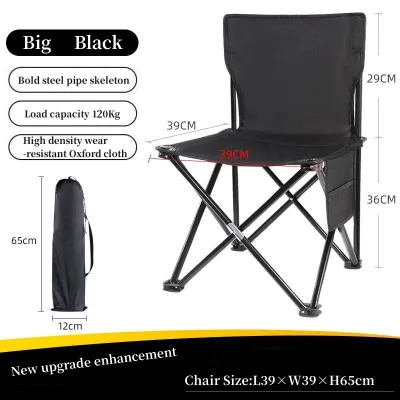
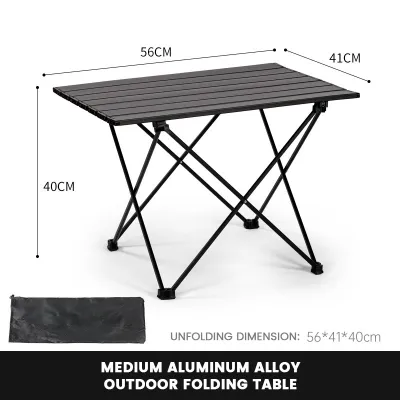
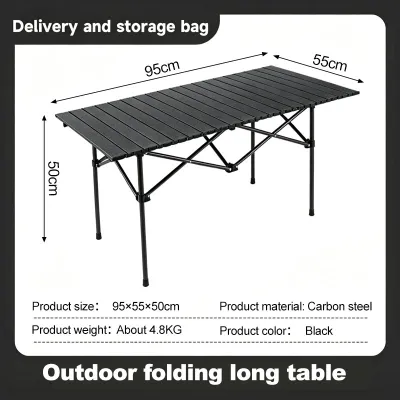
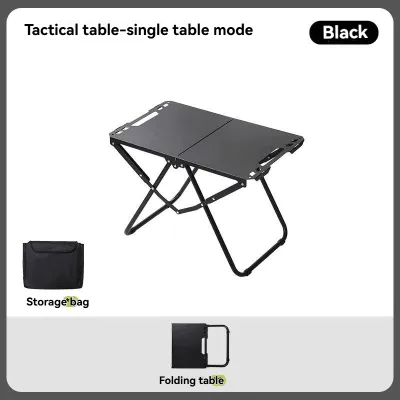
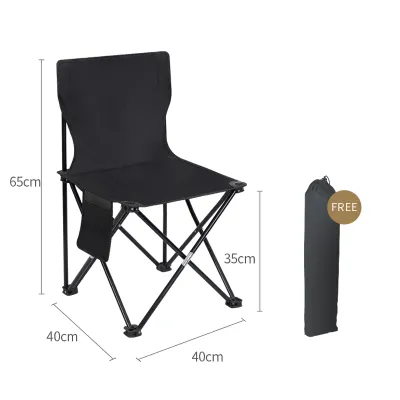
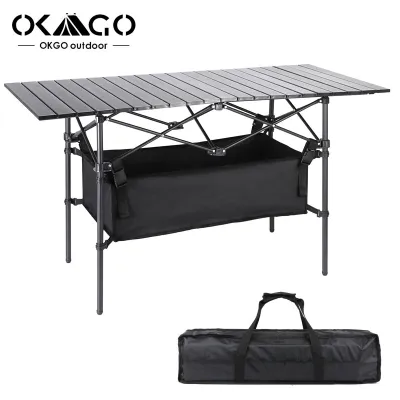
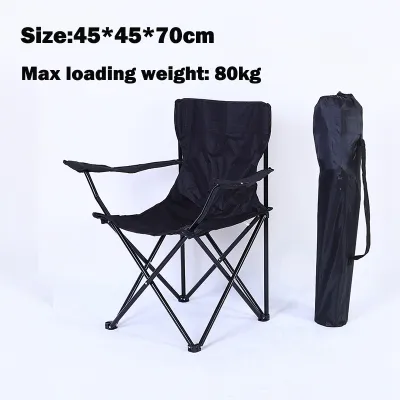
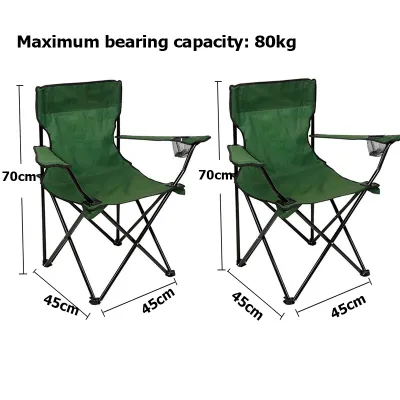
Prices are valid at publication and may change. Please refer to the product page for the latest price.
For metal components, the combination of water and oxygen triggers oxidation, commonly known as rust. In tropical climates, this process is accelerated by warm temperatures and, in coastal areas, by salt-laden air. Untreated ferrous metals like standard steel will begin to corrode within days of exposure to wet conditions. Even non-ferrous metals like aluminum can suffer from pitting and surface degradation if they lack proper protective finishes or are subjected to standing water for extended periods.
Many products on the market are labeled with generic terms like “waterproof,” “weather-resistant,” or “rust-proof.” However, these marketing claims can be highly misleading. True weather resistance depends on the specific chemical composition of the materials, the quality of their surface treatments, and the physical design of the table. To find a table that actually holds up, you must look past the buzzwords and evaluate the technical specifications of the frame, tabletop, and hardware.
Evaluating Frame Materials for Moisture Resistance
The frame is the backbone of your camping table, bearing the weight of your cooking gear, food, and personal items. When selecting a frame material for wet-weather camping, you must balance weight, strength, and resistance to oxidation. A heavy table might offer excellent stability in a storm, but it can be a hassle to transport through muddy campsites. Conversely, an ultra-lightweight table might be easy to carry but could lack the structural integrity needed to withstand strong winds and heavy rain.

It is important to remember that a material’s name alone does not guarantee its performance in the field. For example, not all aluminum frames are equally resistant to corrosion, and not all steel frames will rust immediately. The manufacturing quality, wall thickness of the tubing, and application of protective coatings are what ultimately determine how well a frame will endure the rainy season. Evaluating these factors before buying will help you avoid structural failures during your outdoor adventures.
Aluminum and Alloy Frames
Aluminum is widely considered the gold standard for camping table frames due to its exceptional strength-to-weight ratio and natural resistance to corrosion. When aluminum is exposed to air, it naturally forms a thin, microscopic layer of aluminum oxide on its surface. This layer acts as a protective barrier, preventing oxygen from reaching the underlying metal and stopping the deep, destructive rust that plagues iron-based metals. This makes aluminum tables highly reliable for wet-weather camping.
However, raw aluminum is still susceptible to cosmetic pitting and surface dulling, especially when exposed to acidic rainwater or salty coastal breezes. To prevent this, look for frames that have been anodized or powder-coated. Anodizing is an electrochemical process that thickens the natural oxide layer, making it harder and more durable. Powder coating applies a dry thermoplastic powder that is cured under heat to create a thick, protective skin. Both treatments significantly enhance the frame’s resistance to environmental wear.
Another critical detail to inspect on aluminum frames is the design of the hollow tubing. Water can easily enter the tubes through open ends, joint holes, or rivet points during a heavy downpour. If this water becomes trapped inside, it can cause internal corrosion and weaken the frame from the inside out. Ensure the table you choose has securely sealed tube ends, high-quality plastic end caps, or integrated drainage holes that allow trapped moisture to escape easily.
Steel Frames and Coating Requirements
Steel frames are favored by many campers because of their superior strength, high load capacity, and generally lower price point compared to premium aluminum. A sturdy steel table is less likely to tip over in strong gusts of wind, making it a stable platform for heavy camp stoves. However, steel is highly vulnerable to moisture. If untreated steel is exposed to the humid air of the Philippine rainy season, it will rapidly oxidize, leading to structural weakness and unsightly orange rust stains.
If you choose a steel-framed camping table, you must verify that the metal has been treated with a high-quality protective finish. The most common and effective treatment for outdoor steel is a heavy-duty powder coating. This process creates a continuous, non-porous barrier that blocks water and oxygen from reaching the steel. Galvanized steel, which is coated with a protective layer of zinc, also offers excellent rust resistance, though it is less common in lightweight camping furniture.
When evaluating a steel frame, pay close attention to the weld points, joints, and folding mechanisms. These areas are highly susceptible to coating failure because the powder coat can crack or wear away during repeated folding and unfolding. Once the protective layer is compromised, even a tiny scratch can allow moisture to penetrate and start the rusting process. Inspect these high-friction zones regularly and choose tables with smooth, thick coatings that show no signs of chipping or bubbling.
Wood, Bamboo, and Synthetic Alternatives
Natural wood and bamboo camping tables are highly popular for their warm, organic look and aesthetic appeal in campsite photos. However, these materials are inherently porous and behave like sponges when exposed to high humidity and rain. Untreated wood and bamboo will absorb moisture from the air, causing the fibers to swell, warp, and split. Over time, this trapped moisture leads to rot and the growth of black mold, which can ruin the table’s appearance and structural integrity.
If you are set on a natural wood or bamboo table, it must be thoroughly sealed with a marine-grade polyurethane, varnish, or water-resistant oil. This protective sealant must be reapplied regularly to maintain its effectiveness. For most campers looking for a low-maintenance option during the rainy season, synthetic alternatives are a much more practical choice. High-density polyethylene (HDPE) and other engineered plastics are completely impervious to water, meaning they will never rot, warp, or support mold growth.
While synthetic materials excel in wet conditions, they do have a vulnerability: ultraviolet (UV) radiation from the sun. Even during the rainy season, the tropical sun in the Philippines can be incredibly intense between rain showers. Over time, UV rays can break down the chemical bonds in plastics, causing them to become brittle, fade, and crack. When choosing a synthetic table, look for materials that are specified as UV-resistant or UV-stabilized to ensure they can handle both the rain and the sun.
Inspecting Hardware, Joints, and Tabletop Surfaces
While the frame and tabletop materials are crucial, the smaller components of a camping table are often the first to fail in wet weather. The hardware—including screws, bolts, rivets, and hinges—holds the entire structure together. If these small parts are made from cheap, untreated metals, they will rust quickly, making the table difficult or impossible to fold. Look for tables that use stainless steel, brass, or specially coated hardware to ensure smooth operation even after exposure to heavy rain.
Another common issue is galvanic corrosion, which occurs when two different metals come into contact in the presence of moisture. For example, if steel screws are used to secure an aluminum frame, the aluminum can corrode rapidly around the screw holes when wet. High-quality manufacturers prevent this by using compatible metals or inserting non-conductive plastic washers between different metal components. Inspecting these connection points before buying can save you from premature structural failures.
The design of the tabletop surface also plays a major role in how the table handles water. Solid tabletops, such as those made from single sheets of plastic or sealed wood, are excellent for keeping items stable, but they can allow water to pool on the surface during a downpour. If the table is not perfectly level, this pooled water can spill over the edges or seep into the joints. Slatted or mesh tabletops, on the other hand, allow rainwater to drain through immediately, preventing pooling and speeding up the drying process. However, slatted designs can trap food crumbs and debris, requiring more careful cleaning.
Finally, pay close attention to the edge sealing of the tabletop. If the table uses a composite material, such as medium-density fiberboard (MDF) with a plastic laminate veneer, the edges must be completely sealed. If water penetrates the edge seams, the inner composite core will absorb the moisture, swell up like cardboard, and ruin the table. For wet-weather camping, it is generally safer to avoid composite wood materials entirely and stick to solid plastic, aluminum, or fully sealed natural wood.
Routine Care and Storage for Humid Conditions
Proper maintenance is essential to extend the lifespan of your camping table, regardless of the materials it is made from. After a rainy camping trip, your table will likely be covered in moisture, mud, and organic debris. Leaving the table folded up and wet in your car or storage room is a recipe for rapid degradation. As soon as you return home, wipe down the entire table with a clean, dry cloth to remove standing water, dirt, and any acidic residues from rainwater or spilled food.
Allowing the table to dry completely is the most critical step in preventing mold and rust. Even if the table looks dry, moisture can remain trapped in the folding joints, hollow tubes, and hinge mechanisms. Set the table up in a well-ventilated, shaded area—such as a covered patio or garage—and let it air-dry for at least 24 to 48 hours before folding it for long-term storage. Avoid leaving it in direct, intense sunlight to dry, as this can cause unnecessary UV wear on plastic parts or warp natural wood.
When storing your camping table during the off-season or between trips, choose a dry, elevated location. Avoid storing it directly on concrete floors in basements or outdoor sheds, as concrete can draw moisture from the ground and create a damp microclimate around your gear. If you use a storage bag or cover, ensure it is made from a breathable fabric rather than sealed plastic. A sealed plastic bag will trap any residual humidity inside, creating a greenhouse effect that accelerates rust and mold growth.
Regularly inspect your table for early signs of wear and tear. Look for chipped powder coating on steel frames, loose screws, or small spots of surface rust. Addressing these minor issues early can prevent them from turning into major structural failures. For example, a small scratch on a steel frame can be cleaned and touched up with a rust-inhibiting paint to stop the corrosion from spreading.
Evaluating Product Specifications and Labels Before Purchase
When shopping for a camping table on online marketplaces or in local outdoor specialty stores, you must learn to read between the lines of product descriptions. Instead of relying on generic claims like “heavy-duty” or “all-weather,” look for specific technical details. Check if the aluminum frame is anodized or powder-coated, and verify if the steel frame has a rust-resistant coating. If the product description does not specify the material treatments, it is safer to assume they are basic and may require extra care.
Always review the manufacturer’s care instructions and warranty terms before making a decision. A manufacturer that offers a clear, detailed guide on how to clean and maintain the table is more likely to have designed a product built to last. Be aware that many warranties do not cover environmental damage caused by improper storage or prolonged exposure to extreme weather, highlighting the importance of your own routine maintenance.
Don’t forget to assess the table’s folded dimensions and weight in relation to your transport and storage setup. A large, sturdy table is great at the campsite, but if it is too heavy to carry comfortably or too bulky to fit in your car trunk alongside your other gear, it will quickly become a burden. Look for tables that fold down compactly into a carrying case or have integrated handles, making them easy to transport through wet and muddy terrain.
Ultimately, choosing the right camping table for the Philippine rainy season is a balance between upfront cost, maintenance effort, and expected lifespan. While a cheap, basic table might save you money initially, it may need to be replaced after just one wet season. Investing in a table made from high-quality, corrosion-resistant materials like anodized aluminum or UV-stabilized HDPE will save you money and frustration in the long run, ensuring you have a reliable surface for many outdoor adventures to come.
Frequently Asked Questions (FAQ)
Can I leave my camping table outside overnight during the rainy season?
Even if your camping table is highly weather-resistant, it is not recommended to leave it exposed to the elements overnight during the rainy season. Overnight condensation, sudden downpours, and high humidity can cause water to pool in folding joints and hollow frame tubes, accelerating wear on protective coatings. To prolong the life of your table, bring it under a secure shelter, such as a tent vestibule, tarp canopy, or car awning, when it is not actively in use.
How do I remove early signs of rust from a metal camping table?
If you notice minor surface rust on a steel frame, address it immediately to prevent it from spreading. Gently scrub the affected area with a soft-bristled brush, a fine abrasive pad, or a crumpled piece of aluminum foil dipped in water to remove the loose rust. Once the surface is clean and completely dry, apply a thin layer of rust-inhibiting primer and touch-up paint that matches the frame’s finish. Avoid using harsh chemical rust removers, as they can strip away the surrounding protective powder coating and damage nearby plastic joints.
Community discussion
Share your experience or ask a question. Comments are reviewed before publication.