
Selecting the right wood for a large family sofa in the Philippines requires balancing structural strength with resistance to high humidity and local pests. For a 3-5 seater or L-shaped sectional that must withstand both heavy daily use and tropical moisture, there is no single universal wood type, but rather a set of material standards and construction practices to look for. Dense hardwoods and properly treated engineered woods stand up best to the twin challenges of sagging under weight and warping in the humid air.
To make a lasting investment, you must look beyond the fabric or leather exterior and inspect the underlying frame. A sofa that warps or succumbs to termites within a few years is a costly mistake, especially for large households where the furniture serves as the central hub for daily life. By understanding how different wood types behave in tropical climates and how joints are secured, you can confidently choose a sofa frame that remains stable, level, and pest-free for years to come.
Assessing Wood Durability for Tropical Conditions
The climate in the Philippines presents unique challenges for wooden furniture, as high relative humidity can cause wood fibers to swell, shrink, and warp over time. When shopping for a large family sofa, your first step should be to review the manufacturer’s technical specifications regarding wood density and hardness. Hardness is often measured using the Janka scale, which indicates how well a wood species resists denting and wear. While you do not need to memorize specific numbers, asking retailers for hardwoods with higher density ratings is a reliable way to ensure the frame can support a large family without bowing.
Products mentioned in this guide
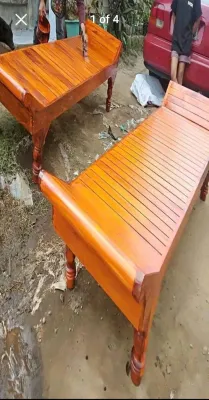
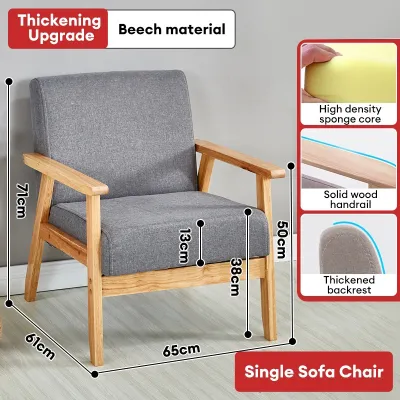
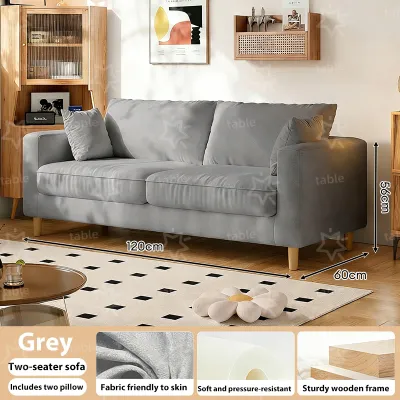
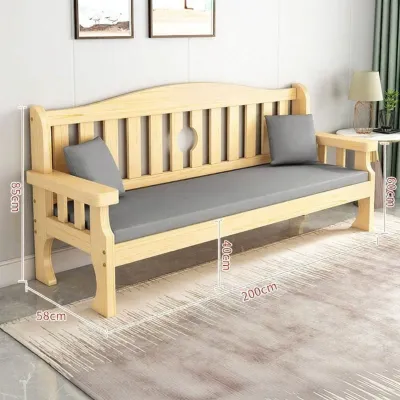
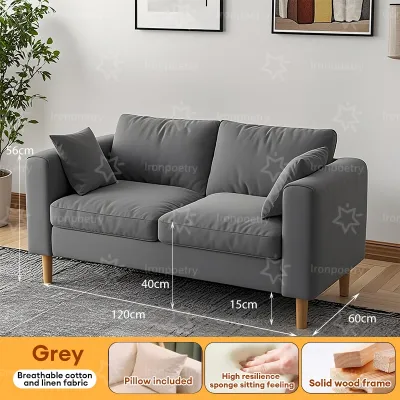
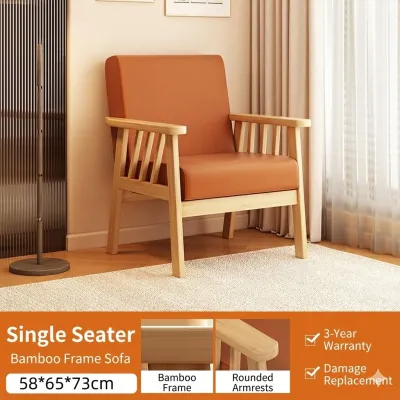
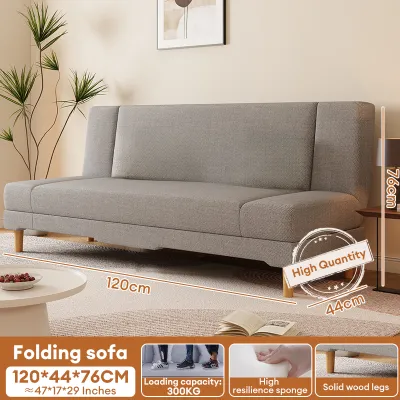
Prices are valid at publication and may change. Please refer to the product page for the latest price.
Moisture control during manufacturing is another critical factor in preventing future warping. High-quality furniture makers subject their timber to a kiln-drying process, which carefully extracts moisture under controlled conditions before the frame is assembled. When browsing options, look for product labels or specifications that explicitly state the wood has been kiln-dried. This process stabilizes the wood cells, making the finished frame far less likely to expand or contract dramatically when exposed to seasonal humidity shifts in your living room.
In addition to moisture, tropical climates are highly conducive to fungal growth and wood-boring insects like termites. Untreated wood can quickly become compromised, leading to structural failure that is difficult and expensive to repair. To protect your investment, verify whether the sofa frame has received factory-applied anti-fungal and termite-resistant treatments. Reputable manufacturers often provide documentation or certifications of these protective coatings on their product labels, giving you peace of mind that the internal structure is shielded from hidden pest damage.
Evaluating Structural Integrity for Large and L-Shaped Sofas
A 3-5 seater or L-shaped sectional sofa experiences significant physical stress, particularly in a lively household with children or frequent guests. The thickness of the frame members and the quality of the joinery determine whether the sofa will sag or wobble over time. When evaluating a sofa, inquire about the frame’s thickness; robust frames typically utilize thick, solid wood rails rather than thin slats. Furthermore, examine how the joints are connected. High-quality frames rely on traditional woodworking joints, such as double-doweled joints, mortise-and-tenon connections, or corner blocks glued and screwed into place, rather than simple staples or nails.

Before making a purchase, always check the manufacturer’s official weight capacity labels and structural warranties. A reliable manufacturer will clearly state the maximum load the sofa can safely support, which is especially important for modular or extended sectional configurations. A comprehensive structural warranty on the frame is also a strong indicator of the manufacturer’s confidence in their materials and construction methods. Avoid frames that carry short-term or highly restricted warranties, as these may not hold up to the demands of a large family.
Finally, practical logistics must guide your decision before the sofa even arrives at your home. Large sectional frames can be incredibly difficult to maneuver through tight spaces. Take precise measurements of your living room’s available floor space, but do not stop there. You must also measure the height and width of all entryways, hallway corners, stairwells, and elevator doors through which the sofa must pass during delivery. If your access routes are restricted, consider a modular sofa design that can be delivered in smaller, manageable sections and assembled directly in your living space.
Comparing Common Wood Categories for Sofa Frames
When selecting a sofa frame, you will generally choose among three main material categories: solid hardwoods, engineered woods, and softwoods. Each category offers distinct characteristics regarding durability, weight, and cost, meaning the best choice depends on your household’s specific priorities and budget.
Solid hardwoods are widely regarded as the gold standard for structural longevity. These woods come from slow-growing, broad-leaved trees, resulting in a dense grain structure that naturally resists wear, joint loosening, and sagging. While solid hardwood frames represent a higher initial financial investment and make the sofa significantly heavier to move, their exceptional durability means they can easily last for decades if properly maintained. For a large family seeking a permanent centerpiece for their living room, the long-term value of a solid hardwood frame often justifies the upfront cost.
Engineered wood, particularly high-grade plywood or laminated veneer lumber, offers a modern and highly stable alternative. Unlike solid wood, which can warp along its natural grain lines when humidity fluctuates, high-grade engineered wood is constructed by bonding multiple layers of wood grain in alternating directions. This cross-grain structure provides excellent dimensional stability, making it highly resistant to warping in tropical climates. However, engineered wood can be vulnerable to moisture damage if the edges are left exposed to direct spills or standing water, so it is crucial to verify that the manufacturer has sealed the frame properly.
Softwoods, which come from fast-growing evergreen trees, are often used in budget-friendly sofa frames. While these materials make sofas lighter and more affordable, they are generally less dense than hardwoods. Over time, softwood frames are more susceptible to denting, wood splitting, and joint loosening under heavy, repeated loads. If you choose a softwood frame to fit a specific budget, ensure that the critical stress points are reinforced with metal brackets or hardwood corner blocks to prevent premature structural sagging.
Inspecting and Maintaining Your Wood Sofa Frame
Ensuring your sofa frame remains in peak condition begins the moment it is delivered to your home. Before the delivery team leaves, perform a thorough visual and tactile inspection of the sofa. If the frame is partially exposed or has a removable bottom cover, look closely at the joints and corners. Check for any visible cracks in the wood, uneven finishes, or loose screws. Gently shake the frame from the side to test its stability; any noticeable wobbly movement, squeaking, or creaking sounds indicate weak joints or improper assembly that should be addressed immediately with the retailer.
Once the sofa is in place, routine maintenance is essential to protect the wood from the humid tropical environment. Maintain consistent ambient conditions in your living room by utilizing strategic ventilation, ceiling fans, or air conditioning to keep air circulating. If your home experiences exceptionally high humidity during the rainy season, operating a dehumidifier in the living room can help stabilize the indoor environment. When cleaning, avoid using wet cloths that can leave standing moisture on the wood; instead, use a dry or slightly damp microfiber cloth to remove dust, and promptly wipe up any accidental liquid spills.
Over years of heavy family use, even the sturdiest frames may eventually require attention. If you notice a joint beginning to loosen, a support slat sagging, or a squeak developing, assess whether the fix is straightforward, such as tightening an accessible screw. However, for complex structural issues, deep cracks, or signs of pest activity, avoid attempting major DIY repairs that could void your warranty or compromise the sofa’s safety. In these situations, stop use and consult the manufacturer or a qualified furniture repair professional to restore the frame’s integrity safely.
Frequently Asked Questions (FAQ)
Is engineered wood safe for large family sofas?
Yes, high-grade engineered wood is safe and highly reliable for large family sofas, provided it meets specific quality standards. Look for frames constructed from multi-layered plywood with a thickness of at least 1.8 centimeters (or approximately 3/4 inch) rather than thin particleboard or low-density fiberboard. When engineered wood of this caliber is reinforced with solid wood corner blocks and secure joinery, it offers excellent resistance to warping and can easily support the weight of a large family. Always verify the manufacturer’s weight capacity rating to ensure the specific model is rated for heavy-duty use.
How can I tell if a wood frame has been properly treated for termites?
The most reliable way to verify termite treatment is to check the manufacturer’s product documentation, specifications, or warranty details for explicit mentions of chemical pressure-treatment or insect-resistant coatings. Visually, treated wood may sometimes exhibit a slight tint or carry specific stamps from timber treatment facilities. When purchasing, ask the retailer directly for proof of pest-resistance certification. Avoid buying frames made from untreated, low-density softwoods from unverified sources, as these are highly vulnerable to termite infestations in tropical climates.
Community discussion
Share your experience or ask a question. Comments are reviewed before publication.