
Finding a reliable heavy-duty hammock (locally known as a duyan) for your garden or balcony in the Philippines requires balancing comfort with structural resilience. Our tropical climate brings intense heat, high humidity, and sudden torrential rains, all of which can rapidly degrade standard outdoor fabrics and hardware. A true heavy-duty hammock must not only support substantial weight safely but also withstand these harsh environmental factors over years of exposure. To make an informed purchase, you must look beyond marketing buzzwords and evaluate the specific materials, construction techniques, and installation requirements that ensure long-term safety and comfort.
Choosing the right setup involves understanding how different materials react to moisture and sunlight, as well as how to safely anchor the hammock in your specific living space. Whether you are looking to create a peaceful reading nook on a high-rise condo balcony or a relaxing lounging spot under the shade of garden trees, verifying the technical specifications of your equipment is the most critical step. By focusing on structural integrity, material durability, and proper installation practices, you can enjoy a safe and relaxing outdoor retreat that lasts for many seasons.
Key Criteria for Selecting Heavy-Duty Hammocks
When evaluating heavy-duty hammocks, the weight capacity rating is the first specification you should examine, but it must be interpreted with caution. Manufacturers typically provide a static weight limit, which represents the maximum weight the hammock can hold when completely still. However, real-world use involves dynamic weight—the force exerted when you sit down, shift positions, or gently swing. To ensure a safe setup, it is highly recommended to choose a hammock with a weight capacity that exceeds your actual requirements by a generous safety margin, particularly if you plan to share the space with family members or pets.
Products mentioned in this guide
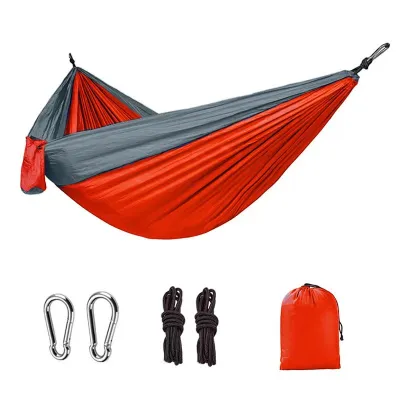
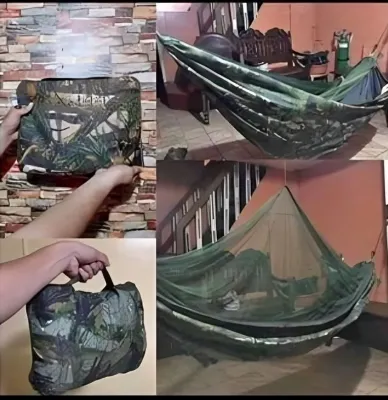
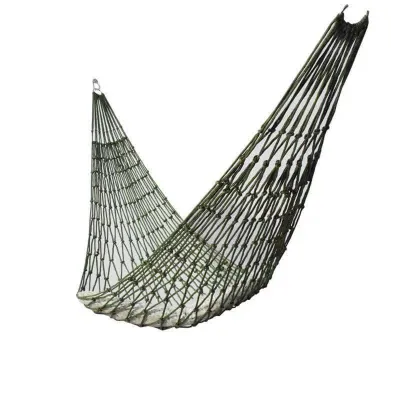
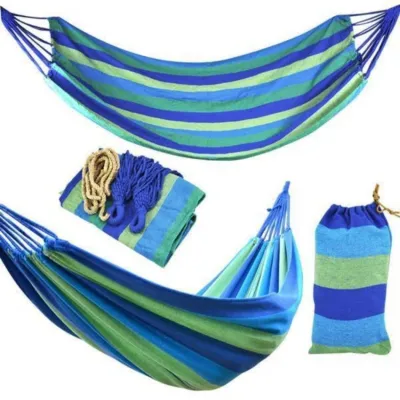
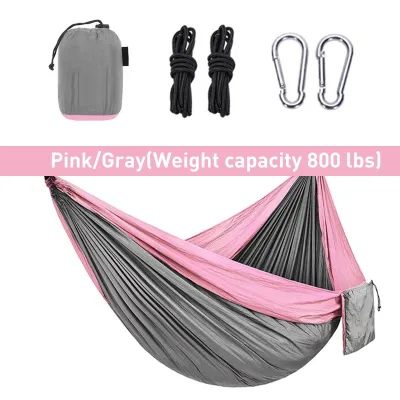
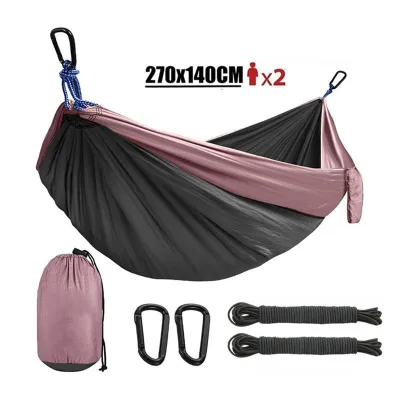
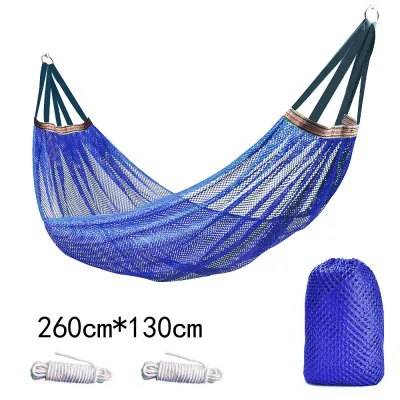
Prices are valid at publication and may change. Please refer to the product page for the latest price.
The choice of fabric plays a decisive role in both the durability and comfort of your hammock under tropical conditions. Cotton is a traditional favorite because it is highly breathable, soft to the touch, and conforms comfortably to the body during warm afternoons. However, cotton fibers absorb moisture easily and dry slowly, making them highly susceptible to mold, mildew, and rot when exposed to the high humidity and frequent rains of the Philippines. For a low-maintenance outdoor setup, synthetic materials like polyester and high-density nylon are generally more practical. Polyester resists UV fading, dries quickly, and maintains its strength when wet, while high-denier parachute nylon offers an exceptional strength-to-weight ratio and is highly resistant to tearing.
Beyond the main fabric body, the quality of the ropes and end loops determines the overall structural integrity of the hammock. Heavy-duty models often feature multi-strand polyester or nylon ropes woven into thick, dense cords that resist stretching over time. Look for hammocks with reinforced loop ends, which are sometimes encased in metal or durable plastic thimbles to prevent friction wear where the rope meets the carabiner. If the hammock utilizes a spreader bar to keep the fabric flat, inspect the bar’s material and construction. The spreader bar should be made of dense, weather-treated hardwood or powder-coated metal, with smooth, countersunk holes that prevent the suspension ropes from chafing against sharp edges.
Finally, the mounting hardware must be robust enough to handle both the weight load and environmental exposure. Look for heavy-duty carabiners and O-rings made of stainless steel or hot-dip galvanized steel, which provide excellent resistance to rust and corrosion in humid or coastal environments. Avoid lightweight aluminum carabiners unless they are explicitly rated for climbing or structural loads. Checking the product labels for specific material grades and load ratings will help you avoid low-quality hardware that could fail unexpectedly under tension.
Adapting to Your Space: Garden vs. Balcony Setups
Before purchasing a heavy-duty hammock, you must carefully measure your available space to ensure a proper fit and safe clearance. Traditional gathered-end hammocks require a deeper sag to be comfortable, meaning they need more vertical clearance and a shorter horizontal distance between anchor points. In contrast, spreader-bar hammocks must be kept under higher tension to remain flat, requiring a wider horizontal span but less vertical height. As a general rule, the distance between your mounting points should be at least one to two meters longer than the total length of the hammock, allowing sufficient room for suspension straps or chains to achieve a safe hanging angle.

Balcony installations present unique structural and spatial constraints that require careful planning. If you live in a condominium or apartment, you must consult your building administration and review the community guidelines before installing any permanent anchors. Drilling into structural concrete columns or balcony railings is often strictly prohibited due to safety and structural integrity concerns. Furthermore, decorative balcony railings are never designed to support lateral tension and should never be used as mounting points. If permanent wall or ceiling mounting is not permitted, a freestanding heavy-duty steel hammock stand is the safest and most practical alternative. Ensure the stand’s footprint fits comfortably within your balcony dimensions without blocking doorways, emergency exits, or natural airflow.
For garden installations, mature trees offer the most natural and sturdy mounting points, but they must be selected with care. Only anchor your hammock to healthy, living trees with a trunk diameter of at least 15 to 20 centimeters. Avoid trees with signs of rot, deep cracks, dead branches, or loose soil around the roots, as these indicators suggest the tree may not support a heavy load safely. To protect the trees from damage, never use nails, screws, or thin ropes that can cut into the bark and disrupt the tree’s nutrient flow. Instead, use wide, heavy-duty tree protection straps made of polyester webbing, which distribute the weight over a larger surface area and prevent friction damage to the bark.
If your garden lacks suitable trees, you can install dedicated wooden or metal posts, or use an outdoor-rated freestanding stand. When installing posts, they must be sunk deep into the ground and secured with concrete to withstand the lateral forces exerted by an occupied hammock. Additionally, consider the microclimate of your garden; placing your hammock in an area with partial shade will protect the fabric from prolonged exposure to intense afternoon sunlight, which can degrade synthetic fibers over time, while also providing a cooler, more comfortable lounging environment.
Building Your Shortlist: What to Verify Before Purchasing
When compiling a shortlist of heavy-duty hammocks from online marketplaces or local home improvement stores, it is essential to verify the technical specifications rather than relying on generic marketing claims. Look for detailed product descriptions that explicitly state the fabric’s denier rating (for nylon) or canvas weight (for cotton), as well as the specific type of metal used in the hardware. High-quality manufacturers will often provide information regarding UV-stabilization treatments and water-repellent coatings, which are crucial for extending the lifespan of the hammock in the intense Philippine sun and rain.
Another critical factor to verify is the manufacturer’s warranty and return policy. A reliable heavy-duty hammock should come with a clear warranty that covers structural defects, seam failures, and hardware corrosion for a reasonable period. Review the terms to understand what is covered and what actions might void the warranty, such as leaving the hammock outdoors permanently or exceeding the rated weight capacity. Additionally, check if the brand or retailer offers replacement parts, such as extra suspension straps, carabiners, or replacement ropes. Having access to official replacement parts ensures you can maintain your setup safely without having to purchase an entirely new hammock if a single component wears out.
Customer reviews and user feedback are invaluable resources for assessing the real-world durability of a hammock. When reading reviews on ecommerce platforms, look past the initial impressions and search for feedback from users who have owned the product for several months or even years. Pay close attention to comments regarding fabric stretching, color fading, or rust formation on the metal components. If multiple reviews mention that the seams began to unravel after a few uses or that the hammock sagged excessively under normal weight, it is a strong indication that the product may not meet true heavy-duty standards.
Safe Installation and Ongoing Maintenance
Proper installation is paramount to ensuring a safe and enjoyable hammock experience. When mounting your hammock, aim for a hanging angle of approximately 30 degrees between the suspension strap and the ground. This angle provides the ideal balance of tension and sag, reducing the stress on both the anchor points and the hammock fabric while preventing the hammock from bottoming out. The lowest point of the occupied hammock should hang roughly 30 to 50 centimeters above the ground, allowing you to get in and out easily and safely. If you are drilling into concrete walls or wooden beams to install anchor bolts, always use a high-quality hammer drill and the correct size of masonry or wood bits, and consider consulting a professional contractor to ensure the structure can bear the load.
Regular maintenance and routine inspections are essential for preventing accidents and extending the lifespan of your heavy-duty hammock. Before each use, take a few moments to inspect the entire setup for signs of wear and tear. Check the fabric for small tears, punctures, or thinning areas, particularly near the end loops and seams where stress is concentrated. Examine the suspension ropes for fraying, loose knots, or fiber degradation, and inspect all metal hardware for rust, hairline cracks, or deformation. If you detect any signs of damage or wear, do not use the hammock until the compromised components have been replaced.
To protect your hammock from the elements, establish a consistent cleaning and storage routine. During the rainy season, typhoons, or prolonged periods of non-use, it is best to take the hammock down and store it in a dry, indoor space. If the hammock becomes wet from a sudden downpour, hang it fully open in a shaded, well-ventilated area to dry completely before folding and storing it. Storing a damp hammock can lead to the rapid growth of mold and mildew, which not only causes unpleasant odors and unsightly stains but can also weaken the fabric fibers over time, compromising its heavy-duty rating.
Frequently Asked Questions (FAQ)
Can I hang a heavy-duty hammock on a standard balcony ceiling?
Hanging a heavy-duty hammock from a balcony ceiling is highly risky and should only be attempted after verifying the structural integrity of the building. Most modern residential balconies and condominiums in the Philippines utilize hollow concrete blocks, plasterboard, or lightweight ceiling panels that are not designed to support the dynamic lateral and vertical loads of a hanging hammock. To safely mount a hammock to a ceiling, you must locate solid, load-bearing concrete beams and use specialized heavy-duty expansion anchors designed specifically for structural concrete. Because drilling into structural elements often violates building codes and condominium association rules, using a freestanding heavy-duty steel hammock stand is generally the safest, non-destructive alternative for balcony spaces.
How do I clean a heavy-duty hammock after prolonged outdoor exposure?
To clean your heavy-duty hammock, always start by checking the manufacturer’s care label for specific washing instructions, as some materials may be machine-washable while others require hand washing. For hand washing, lay the hammock flat on a clean patio or lawn, wet it thoroughly with cool water, and gently scrub the fabric using a soft-bristled brush and a mild, biodegradable soap or specialized outdoor fabric cleaner. Avoid using harsh detergents, bleach, or fabric softeners, as these chemicals can strip away protective UV-resistant and water-repellent coatings. Rinse the hammock thoroughly with clean water to ensure all soap residue is removed, as leftover soap can attract dirt and promote mold growth. Finally, hang the hammock to air-dry completely in a well-ventilated, shaded area, ensuring it is fully dry before folding or storing it to prevent mold and hardware rust.
Community discussion
Share your experience or ask a question. Comments are reviewed before publication.