
Choosing the right heavy-duty storage rack in the Philippines requires balancing structural strength with the environmental challenges of a tropical climate. High humidity, seasonal rains, and limited space in residential garages mean that standard shelving units often fall short, leading to sagging shelves, rust, or structural instability. To safely organize bulky items like automotive tools, spare tires, outdoor equipment, and household supplies, you must select a system designed to handle substantial weight while resisting moisture-induced wear.
Assessing Your Garage Space and Storage Needs
Before purchasing any shelving unit, a precise assessment of your garage footprint is essential. Begin by measuring the available floor width, depth, and total vertical clearance up to the ceiling. In many homes in the Philippines, garages are multi-functional spaces that may also house water pumps, laundry areas, or dirty kitchens. Be sure to identify and map out permanent obstructions such as electrical panels, water meters, wall-mounted outdoor air conditioning units, and swinging gates or doors. You must also account for the clearance required to park your vehicle comfortably and open its doors or trunk without striking the storage racks.
Next, categorize the items you plan to store by their physical dimensions, weight, and how often you need to access them. Heavy, bulky items like portable generators, car jacks, spare tires, and large plastic storage bins require deep shelves with high weight capacities. Lighter items, such as gardening hand tools, car care products, and seasonal decorations, can occupy higher shelves. Grouping these items beforehand allows you to determine the exact shelf depth—typically ranging from 45 to 60 centimeters—and the overall height of the rack needed to maximize vertical space without overloading individual tiers.
Products mentioned in this guide
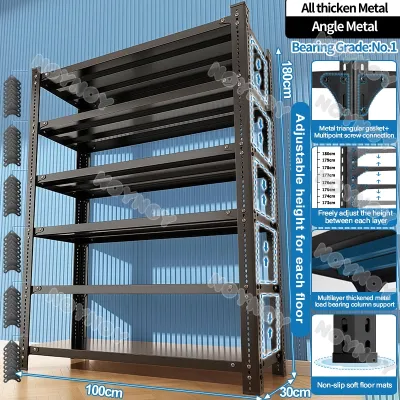
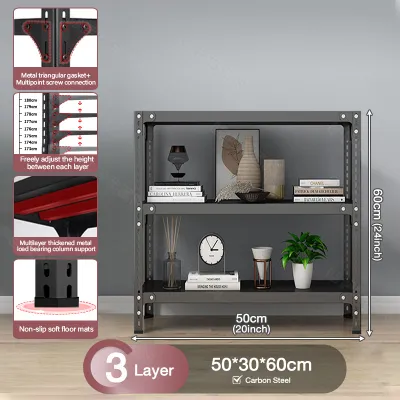
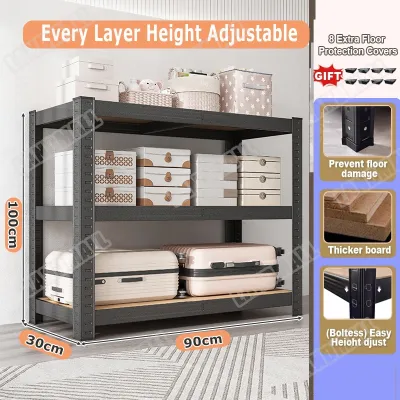
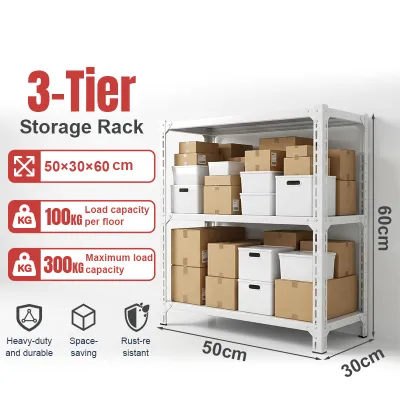
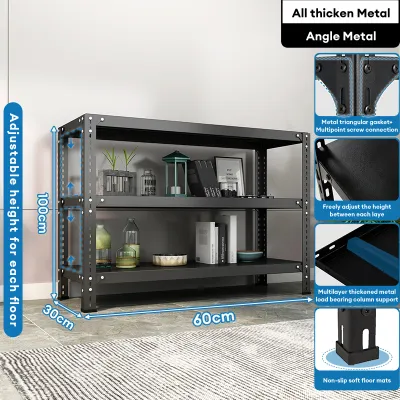
Prices are valid at publication and may change. Please refer to the product page for the latest price.
Finally, plan for safe aisle clearance and loading zones within your garage layout. A heavy-duty rack is only useful if you can safely lift items off the shelves without straining your body or colliding with nearby walls and vehicles. Ensure there is sufficient clear space in front of the rack to allow for comfortable bending, lifting, and maneuvering of bulky goods. If your garage is semi-open or exposed to the elements, position the racks away from the outer edges where wind-driven rain could saturate stored items or accelerate corrosion on the shelving frame.
Key Features to Look for in Heavy-Duty Racks
Evaluating the structural specifications of a storage rack requires looking past marketing buzzwords and focusing on verified manufacturer ratings. The most critical specification is the load capacity, which is typically expressed as a weight limit per shelf under a Uniformly Distributed Load (UDL). A UDL rating assumes that weight is spread evenly across the entire shelf surface rather than concentrated in a single spot. Never assume a rack is heavy-duty simply because it is made of metal; always verify the exact load rating on the product label or specification sheet to ensure it matches your heaviest items.

The design of the frame and its support mechanisms determines how well the rack handles shifting or uneven loads. Look for racks featuring heavy-gauge steel uprights and robust horizontal beams, such as Z-beams or C-channels, which resist twisting and bending under stress. Cross-bracing along the sides or back of the unit adds significant lateral stability, preventing the rack from swaying or leaning when you place items on it. Additionally, examine the joint connections; boltless keyhole locking systems are highly popular for their ease of assembly and structural rigidity, as the weight of the shelf naturally locks the beams tighter into the upright posts.
Shelf deck materials must be chosen based on the specific items you plan to store and the environmental conditions of your garage. Wire mesh decks are highly recommended for tropical climates because they allow air to circulate freely, reducing moisture buildup and preventing mold or mildew on stored goods. They also allow light to pass through, making it easier to see items on higher shelves, and do not collect dust as quickly as solid decks. Solid steel decks provide a smooth, continuous surface ideal for small parts or items that might slip through wire gaps, but they can trap moisture underneath if not properly ventilated. Avoid untreated medium-density fiberboard (MDF) or plywood decks in damp environments, as they absorb humidity, swell, sag, and eventually rot under heavy loads.
Adjustability is another key feature that determines the long-term utility of your storage system. Opt for racks that allow you to adjust the shelf heights in small increments, typically every few centimeters. This flexibility ensures you can customize the spacing to fit exceptionally tall items, like pressure washers or storage drums, without wasting valuable vertical space above them. Boltless designs are particularly advantageous here, as they allow you to reposition shelves over time without needing specialized tools or completely dismantling the entire structure.
Safety and Installation Requirements for Bulky Items
Safe installation of heavy-duty storage racks begins with a thorough inspection of the garage floor. Many residential garages in the Philippines feature concrete floors that are intentionally sloped to facilitate water drainage during heavy rains or car washing. Placing a tall, heavy storage rack on a sloped surface creates an immediate tipping hazard. Use a spirit level to check the floor levelness along the footprint of the rack, and utilize heavy-duty metal shims or adjustable leveling feet to ensure the upright posts stand perfectly vertical.
Anchoring the rack to a solid wall is a non-negotiable safety step for any unit storing bulky or top-heavy items. Most heavy-duty racks include pre-drilled holes in the upright posts or come with dedicated wall-anchoring brackets. In typical local construction, garage walls are made of concrete hollow blocks finished with plaster. To secure the rack, you must use appropriate masonry expansion bolts or sleeve anchors drilled directly into the concrete, rather than standard plastic wall plugs or nails, which can easily pull out under lateral force. If anchoring to a drywall or light-gauge steel stud wall, ensure the mounting screws penetrate directly into the structural studs.
Proper weight distribution is fundamental to maintaining the structural integrity and stability of your shelving unit. Always place your heaviest, most awkward items—such as spare tires, toolboxes, and machinery—on the lowest shelf, ideally resting directly on or just above the floor level. This practice lowers the overall center of gravity of the rack, making it significantly less prone to tipping. As you move up the rack, place progressively lighter items on each subsequent shelf, and avoid overloading any single tier beyond its rated capacity.
While many heavy-duty racks are marketed as DIY-friendly, you must recognize when a project exceeds basic assembly skills and requires professional assistance. If your installation involves modifying the rack structure, cutting beams, or anchoring to structurally compromised walls, stop and consult the manufacturer’s guidelines or hire a qualified contractor. Attempting to modify a rack’s load-bearing components without professional guidance can compromise its structural integrity, void the warranty, and lead to catastrophic failure or injury.
Building Your Shortlist: Where to Shop and What to Verify
Sourcing reliable heavy-duty storage racks requires a systematic approach to navigating local hardware suppliers and online marketplaces. When browsing ecommerce platforms, filter your searches to prioritize verified official brand stores or local distributors who provide comprehensive product specifications. Avoid listings that use generic terms like “super strong” or “indestructible” without providing concrete measurements, material grades, and certified load capacities. Reading customer reviews can offer valuable insights, but focus on feedback that mentions long-term durability, assembly experiences, and how the product arrived packaged.
Before finalizing any purchase, cross-reference the online product description with the official manufacturer website or user manual. Ensure that the dimensions listed—especially the outer depth and width—match your measured garage space exactly, keeping in mind that some racks have protruding rivets or corner protectors that add a few millimeters to the overall footprint. Verify that the load ratings are clearly defined per shelf rather than as a vague total capacity for the entire unit, as some low-quality products inflate their total capacity while using weak shelf decks that sag under concentrated weight.
Logistics and delivery require careful planning when ordering oversized, heavy items like steel shelving units. Because these products are packaged in long, extremely heavy flat packs, standard courier services may have strict weight or size limitations. Confirm with the seller whether they offer gate-to-door delivery or if you will need to assist the courier in unloading the packages at your property line. Additionally, check the seller’s return policy and warranty terms specifically for shipping damage, as heavy steel components can sometimes get scratched or bent during transit, which can compromise their rust resistance and structural fit during assembly.
Frequently Asked Questions (FAQ)
How can I prevent metal storage racks from rusting in humid conditions?
Preventing rust on metal storage racks in the humid climate of the Philippines requires regular inspection and proactive maintenance. Periodically examine the entire frame, paying close attention to joint connections, shelf edges, and the base of the upright posts where moisture tends to collect. If you spot any scratches, chips, or exposed metal in the powder-coated or galvanized finish, clean the area immediately with a wire brush and apply a rust-inhibiting touch-up paint or primer according to the manufacturer’s instructions.
Environmental controls within your garage also play a vital role in managing surface corrosion. Ensure your garage has adequate ventilation, such as open vents, louvers, or exhaust fans, to keep air moving and prevent humid air from stagnating around the metal frames. Avoid placing the racks directly against damp concrete walls or on floors prone to pooling water; instead, leave a small gap of at least 5 centimeters between the rack and the wall, and consider placing rubber moisture barriers or plastic feet under the upright posts to isolate them from ground moisture.
Is it safe to add wheels or casters to a heavy-duty storage rack?
Adding wheels or casters to a heavy-duty storage rack is only safe if the manufacturer has explicitly designed, rated, and provided a compatible caster kit for that specific model. Modifying a stationary rack by adding aftermarket wheels can severely compromise its structural integrity and safety. Casters drastically reduce the overall load capacity of the unit—often by half or more—because the weight is concentrated on small wheel axles rather than distributed across flat, stable footplates resting on the floor.
Furthermore, mobile racks have a much higher center of gravity and are highly susceptible to tipping, especially when being moved across uneven garage floors or sloped driveways. If your rack is approved for casters, always install them according to the manufacturer’s instructions, ensure the heaviest items remain on the bottom shelf, and lock the caster brakes whenever the rack is stationary. Never attempt to move a loaded rack over thresholds, cords, or sloped surfaces, as sudden stops can cause the entire unit to tip forward.
Community discussion
Share your experience or ask a question. Comments are reviewed before publication.