
Dense local hardwoods like acacia and mahogany, alongside sturdy woven fibers like rattan, make the most practical and aesthetically pleasing materials for a high table in a modern Filipino living room. While hardwoods provide the essential weight and structural stability required for elevated furniture, woven elements introduce organic texture and warmth that soften clean, contemporary lines. Selecting the right material involves balancing these natural characteristics with robust internal framing, protective finishes, and your household’s daily routine.
By focusing on how these materials are treated, joined, and supported, you can find an elevated table that withstands tropical humidity while serving as a functional centerpiece. Whether you use it as a casual breakfast nook, a work-from-home station, or a divider in an open-concept space, the right material choice ensures your high table remains safe, durable, and visually cohesive.
Evaluating Local Hardwood Options for Your High Table
High tables naturally have a higher center of gravity than standard coffee tables or dining sets, making structural stability your primary safety concern. Dense local hardwoods, such as acacia, mahogany, or responsibly sourced narra, provide the substantial base weight required to keep an elevated table stable during daily use. This weight prevents the table from wobbling or shifting when you lean against the surface or place heavy items on top.
Products mentioned in this guide
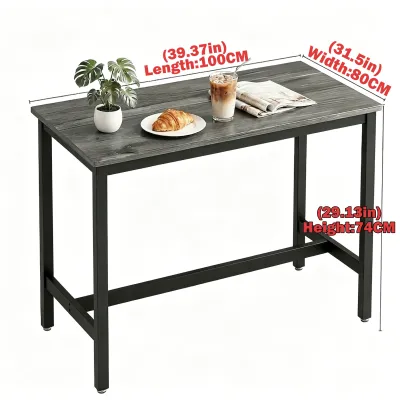
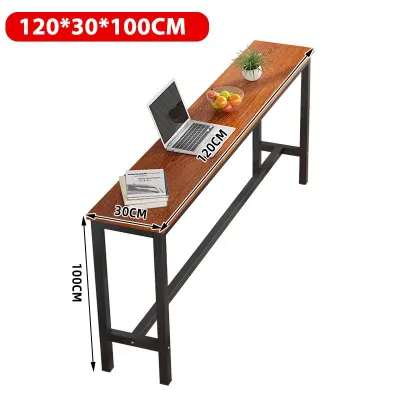
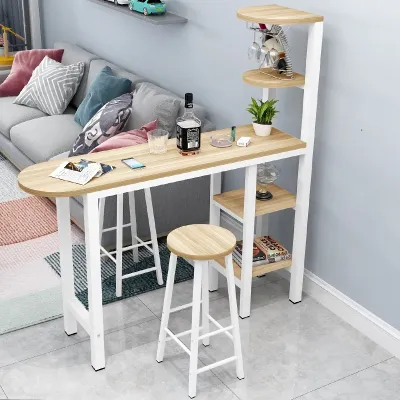
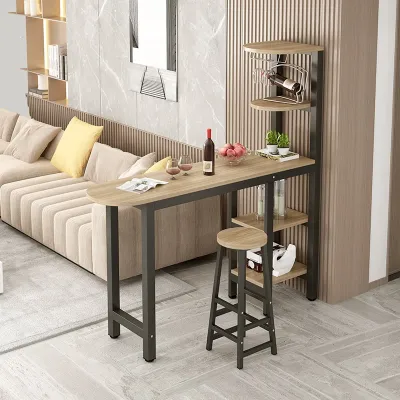
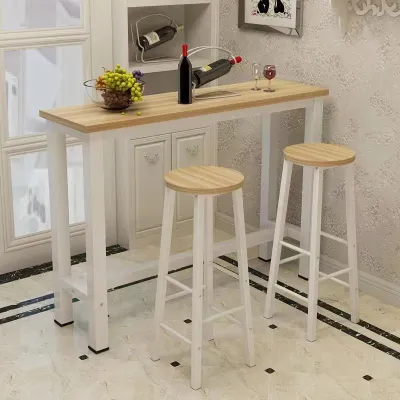
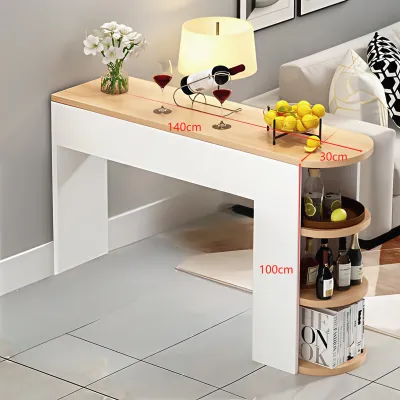
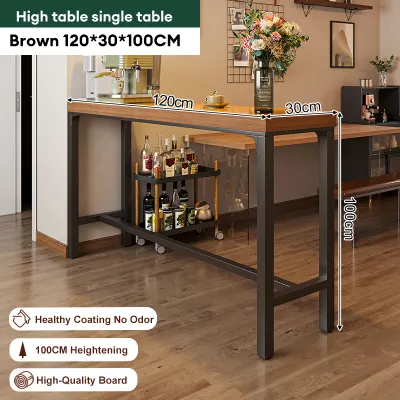
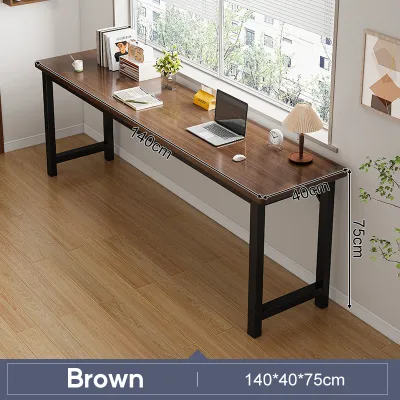
Prices are valid at publication and may change. Please refer to the product page for the latest price.
When selecting a hardwood high table, evaluate how the grain patterns and finishes align with your living room’s design. Modern minimalist and industrial aesthetics benefit from clean, straight grains and matte or satin protective sealants. These modern finishes highlight the natural warmth and unique character of the wood without the heavy, high-gloss look associated with traditional rustic furniture.
Always check the manufacturer’s specifications for load capacity and joint construction before making a decision. High tables require robust joinery, such as mortise-and-tenon joints or reinforced steel brackets, to handle lateral pressure. Additionally, verify that the table legs include adjustable levelers or non-slip floor protectors to safeguard your living room tiles or hardwood flooring from scratches and uneven surfaces.
Assessing Woven and Cane Materials for Modern Designs
Woven materials like rattan, cane, and bamboo bring a distinct tropical warmth and texture to a modern living room. However, because these materials are lightweight and flexible, they cannot support the structural demands of an elevated high table on their own. To ensure safety and longevity, look for designs where woven elements serve as decorative panels, lower shelves, or wraps around a solid internal frame.

A high table utilizing rattan or bamboo should feature a core frame made of powder-coated steel, iron, or solid hardwood. This hybrid construction provides the necessary rigidity and weight at the base while showcasing the intricate texture of local weaving on the tabletop border or leg details. This combination of materials prevents the table from feeling top-heavy or structurally weak.
Living rooms in tropical climates experience significant fluctuations in humidity, which can affect natural fibers over time. Unsealed rattan and bamboo can absorb moisture, leading to mold, or dry out and crack under direct sunlight or continuous air conditioning. Check the manufacturer’s care instructions to ensure the fibers have been treated with a moisture-resistant lacquer or protective sealant.
To maintain a contemporary look, choose woven high tables that feature geometric shapes, slim profiles, and clean lines. Combining a woven rattan lower shelf with a sleek matte-black metal frame and a glass or solid wood top prevents the piece from looking overly rustic. This balance creates a sophisticated modern Filipino aesthetic that feels light and airy.
Matching Material Choices to Your Living Room Routine
Your daily household routine should dictate whether you choose a sealed hardwood or a woven fiber high table. Sealed hardwoods are highly resilient and easy to maintain, requiring only a quick wipe with a dry or slightly damp microfiber cloth to clean up spills. This makes them ideal if your high table doubles as a casual dining spot, a home bar, or a daily work-from-home desk.
In contrast, woven surfaces require more detailed maintenance to keep dust and crumbs from settling into the crevices. Cleaning these materials usually involves gentle vacuuming with a brush attachment or using a soft-bristled brush. If your household is busy and fast-paced, a solid wood surface will generally save you maintenance time and withstand daily wear more effectively.
Safety is another major consideration, particularly in active households with children or pets. High tables are more prone to tipping if bumped or leaned on. To mitigate this risk, select a table with a wider base footprint or a heavier pedestal design, and place the table against a wall or behind a sofa rather than in a high-traffic pathway.
Finally, ensure the material and color palette of your high table harmonize with your existing living room furniture. If your space features cool gray tones and metal accents, a high table with a dark acacia top and black steel legs bridges the gap between industrial and local styles. For warmer, neutral spaces, light oak finishes paired with natural cane accents create a cohesive, inviting feel.
Verifying Craftsmanship and Structural Integrity Before Purchase
Before finalizing your purchase, a physical inspection of the high table’s craftsmanship is essential to guarantee long-term durability. Gently shake the table from the top to check for any swaying or loose joints. The legs should feel firmly anchored to the tabletop apron, with no visible gaps, shifting, or creaking at the connection points.
Examine the underside of the table to verify how the joints are secured. High-quality local furniture utilizes dowels, screws, and corner blocks rather than simple staples or glue. If the table features a woven design, ensure the weaving is tight, uniform, and free of loose ends that could unravel or snag delicate clothing.
Read the product labels or consult the maker regarding material treatments. Ensure the wood or fiber has been properly kiln-dried to prevent warping in humid weather, and check for non-toxic pest-control treatments. Take note of any specific cleaning restrictions, such as avoiding harsh chemical sprays that can strip away protective oil or wax finishes.
Lastly, measure your living room and entryways carefully to ensure the high table fits comfortably. Confirm that the table can fit through your doorways, hallways, or elevator doors during delivery. Allow at least 90 to 100 centimeters of clearance around the table for seating and easy movement, ensuring the height of the table leaves about 25 to 30 centimeters of space below the tabletop for comfortable legroom.
Frequently Asked Questions (FAQ)
How do I prevent a high table made of natural materials from tipping over?
To prevent a high table from tipping, prioritize designs that feature a wide, weighted base or legs that flare outward slightly. Placing the heaviest items on lower shelves, if the table has them, also helps lower the center of gravity. Always check the manufacturer’s stability guidelines, place the table on a completely level floor surface, and consider anchoring the frame to a wall if you live in an active household or an earthquake-prone area.
Can woven local materials withstand daily use in a modern living room?
Yes, woven local materials like rattan and cane can withstand daily use, provided they are built around a sturdy structural frame made of metal or solid wood. Their durability depends heavily on the manufacturer’s specified weight limits and the quality of the protective sealant applied to the fibers. To maximize their lifespan, follow the care labels closely, keep the table away from direct sunlight and wet areas, and clean spills immediately with a soft, dry cloth.
Community discussion
Share your experience or ask a question. Comments are reviewed before publication.