
A small breakfast nook in a Filipino home is a cozy hub for morning coffee, quick pandesal breakfasts, and family chats. However, limited cabinet space can quickly lead to cluttered countertops and disorganized shelves. Finding the best mini cabinet organizer for this space requires a balance of smart vertical storage, moisture-resistant materials, and a clear understanding of your daily breakfast routine.
By utilizing compact, specialized organizers, you can transform deep, dark cabinet corners and underutilized vertical gaps into highly functional storage zones. This guide walks you through measuring your space, identifying your specific storage needs, and choosing the right organizer styles to keep your breakfast essentials neat, accessible, and protected from the elements.
Assessing Your Breakfast Nook Cabinet Dimensions
Before purchasing any mini cabinet organizer, accurate measurements are essential to avoid the frustration of a unit that does not fit or blocks your cabinet doors. Start by clearing out the cabinet entirely so you can access the bare interior surfaces.
Products mentioned in this guide
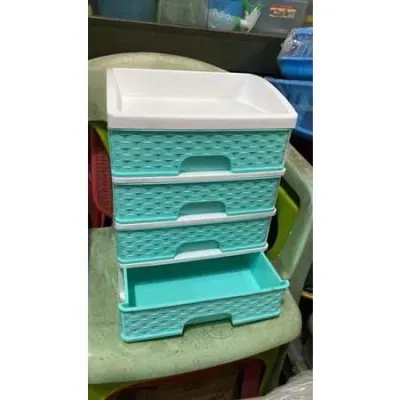
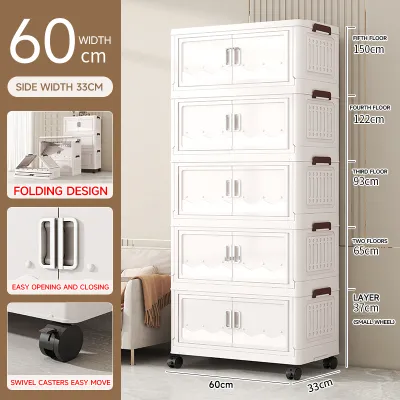
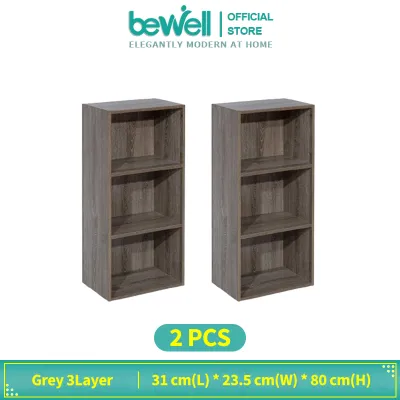
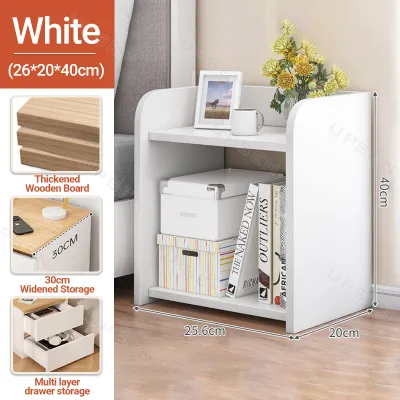
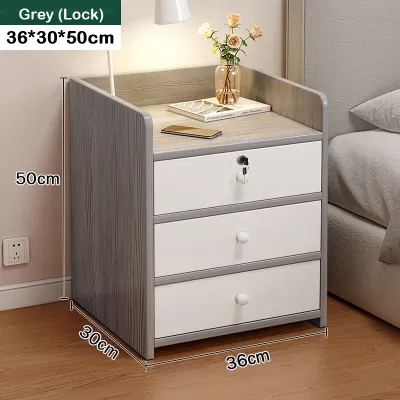
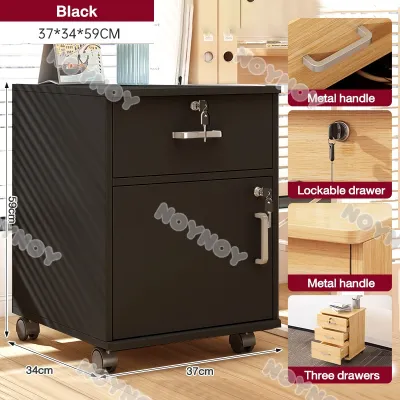
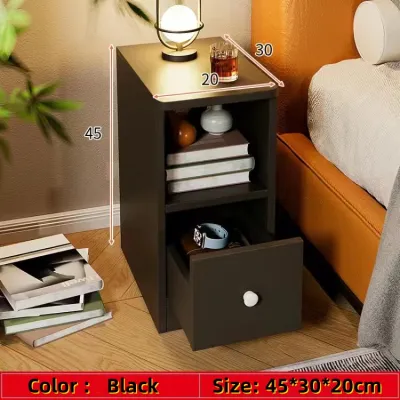
Prices are valid at publication and may change. Please refer to the product page for the latest price.
Use a reliable metal measuring tape to record the exact interior height, width, and depth of the cabinet. When measuring the width, do not just measure from wall to wall; instead, measure the narrowest point, which is often the clearance between the door hinges.
Account for any internal obstructions such as plumbing pipes, shelf support pegs, or uneven back panels. If your cabinet has a face frame, measure the actual opening size, as this is the maximum width any organizer can pass through during installation.
Check the door clearance and the swing path of the cabinet doors. Pull-out drawers or door-mounted baskets require sufficient clearance to operate without scraping against the door frame or hitting the door itself when closed.
Identify underutilized areas within your cabinets, such as the high, empty space above short mugs or the deep, dark corners of lower shelves. These dead zones are the prime candidates for specialized mini organizers like tiered risers or rotating turntables.
Key Storage Needs for a Local Breakfast Nook
A breakfast nook in the Philippines has unique storage requirements based on local culinary habits and daily routines. Grouping your morning essentials is the first step toward designing an efficient storage layout.

Keep daily items such as coffee jars, tea bags, sugar bowls, chocolate drink mixes, and bread loaves together in an easily accessible zone. Storing these items in dedicated mini organizers prevents them from scattering across the counter or getting lost behind larger pantry items.
Many local households also need to accommodate bulkier staples, such as rice dispensers, large water containers, or small appliances like blenders and sandwich makers. It is best to reserve lower, deeper cabinets for these heavy items and use mini organizers on upper shelves for supplementary goods.
Protecting dry goods from moisture and pests is a critical consideration in a tropical climate. High humidity can cause sugar to clump, crackers to go stale, and pests to find their way into unsealed packages.
When organizing your breakfast nook, separate dry ingredients from items prone to moisture exposure. Choose organizers that allow for adequate airflow, and always store open food items in airtight containers before placing them inside your cabinet organizers.
Recommended Types of Mini Cabinet Organizers
Selecting the right organizer involves matching the mechanics of the unit—whether it slides, stacks, or mounts—to the weight and frequency of use of your stored items. The following categories offer practical solutions for different cabinet layouts and storage challenges.
Pull-Out Bins and Sliding Drawers
Pull-out bins and sliding drawers are highly effective for deep or low cabinets where items easily get pushed to the back and forgotten. These organizers bring the contents of your cabinet directly to you, eliminating the need to bend down and rummage through dark shelves.
These sliding units are ideal for heavier or frequently used items, such as backup coffee jars, condensed milk cans, sugar refills, and small jars of spreads. By sliding the drawer out, you can easily see and reach everything stored inside.
Before purchasing a sliding organizer, check the manufacturer’s specified weight capacity and the smoothness of the track mechanism. A sturdy track ensures the drawer glides smoothly even when fully loaded with heavy glass jars or canned goods.
Ensure the width of the sliding bin leaves enough clearance for your cabinet doors to close completely. If your cabinet doors have interior handles or thick hinges, verify that the sliding mechanism will not catch on these parts during operation.
Stackable Shelves and Tiered Risers
Stackable shelves and tiered risers are perfect for maximizing vertical space in tall, single-shelf cabinets. Instead of stacking mugs or bowls directly on top of each other—which risks chipping—these risers create an extra platform for safe storage.
Measure the vertical gap between the cabinet shelf and the ceiling of the cabinet before choosing a riser. Ensure there is enough clearance for your tallest mugs, cereal bowls, or small pitchers to slide comfortably onto both the lower and upper levels.
Opt for adjustable or modular designs that allow you to customize the height or width of the riser. This flexibility is highly beneficial when your breakfast inventory changes or when you need to accommodate seasonal items.
Verify the stability of the riser’s legs and how the weight is distributed across the shelf. Choose models with sturdy, non-slip feet to prevent the riser from tipping or sliding when you place heavy ceramic mugs or glass jars on top.
Door-Mounted Racks and Baskets
Door-mounted racks and baskets utilize the often-overlooked space on the inside of your cabinet doors. This approach is an excellent way to free up primary shelf space for larger items while keeping small essentials within arm’s reach.
These organizers are best suited for lightweight, flat, or small items such as tea bags, individual coffee sachets, spice jars, measuring spoons, and small kitchen utensils. Keeping these small items on the door prevents them from cluttering your main shelves.
Check your cabinet door hinges to ensure they can support the added weight of a door-mounted rack. Additionally, measure the depth of the rack to confirm it will not hit the interior shelves or stored items when you close the cabinet door.
Choose between adhesive-backed or screw-mounted options based on your cabinet door material. For lightweight items on MDF or laminate doors, high-quality adhesive hooks may work well, while solid wood doors can easily accommodate small screws for a more secure mount.
Turntables and Lazy Susans
Turntables, often called Lazy Susans, provide effortless access to items stored in deep corners or high shelves. With a simple spin, items at the back of the cabinet are brought directly to the front, saving you from knocking over jars to reach what you need.
These rotating organizers are perfect for storing condiments, honey jars, coffee syrups, jam pots, and small spice containers. They keep these sticky items organized in one place, making them easy to locate during a busy morning.
Measure the diagonal clearance of your cabinet shelf to ensure the turntable can rotate fully without hitting the cabinet walls or adjacent items. A turntable that is too large will jam and defeat its purpose.
Select models with raised outer edges or non-slip surfaces to prevent small jars from sliding off as the unit spins. It is also wise to check the base material and bearing mechanism to ensure smooth rotation and easy cleaning in case of spills.
Material Selection and Tropical Kitchen Maintenance
The tropical climate in the Philippines, characterized by high humidity and warm temperatures, requires careful consideration when choosing materials for your cabinet organizers. Selecting the wrong material can lead to rust, mold, or warping over time.
Coated wire organizers offer excellent airflow, which helps prevent moisture buildup, but you must check that the coating is durable and rust-resistant. If the protective coating chips, the underlying metal can quickly rust in humid conditions.
Bamboo is a popular, natural choice that adds warmth to your kitchen, but it requires a moisture-resistant finish to prevent mold growth. If you choose bamboo, ensure it is properly sealed and avoid using it in damp areas under the sink.
Acrylic and BPA-free plastics are highly durable, moisture-proof, and easy to clean, making them excellent choices for tropical kitchens. They do not rust or harbor mold, and their transparent design allows you to see your stored items at a glance.
Establish a routine cleaning schedule to keep your organizers in top condition. Wipe down plastic and acrylic units with mild soap and water to remove sticky coffee rings, syrup drips, or dust, and dry them thoroughly before placing them back in the cabinet.
Installation, Safety, and Final Checks
Proper installation and safety checks ensure your mini cabinet organizers function reliably without damaging your cabinetry or causing accidents. Taking a few extra precautions during setup can save you time and money in the long run.
Use non-slip shelf liners or small silicone bumpers under lightweight organizers to keep them from shifting when you open or close the cabinet doors. This simple step prevents scratches on your shelves and keeps your items stable.
Avoid overloading door-mounted racks or pull-out drawers beyond their recommended weight limits. Excess weight can strain cabinet hinges, cause doors to sag, or damage the drawer slides, leading to costly repairs.
If your organizer requires drilling into the cabinet walls or shelves, proceed with caution. Stop installation and consult a qualified professional if you suspect there may be hidden electrical wiring or plumbing pipes behind the cabinet panels, or if drilling might compromise the structural integrity of your furniture.
Frequently Asked Questions (FAQ)
Can I use tension rods to create custom dividers in my breakfast nook cabinets?
Yes, tension rods can be a creative way to organize lightweight, cylindrical items like rolls of aluminum foil, plastic wrap, or reusable water bottles. They can be placed vertically to keep cutting boards or small trays upright.
However, tension rods are not suitable for supporting heavy items like canned goods, ceramic mugs, or stacked plates. Always check the interior surface of your cabinet; tension rods may slip on highly glossy laminate finishes or leave indentations on soft wood veneers if tightened excessively.
How do I prevent acrylic organizers from scratching my wooden cabinet shelves?
To protect your wooden cabinet shelves from scratches caused by hard acrylic edges, apply clear felt pads or small silicone bumpers to the bottom corners of the organizer. This creates a soft, protective barrier that absorbs friction.
Alternatively, you can lay down a high-quality, washable shelf liner before placing the organizers inside. The liner not only protects the wood from scratches but also catches any spills, making cleanup much easier.
Community discussion
Share your experience or ask a question. Comments are reviewed before publication.