
Creating a minimalist living room often feels like a balancing act between achieving a clean, uncluttered aesthetic and maintaining a comfortable, functional home. Selecting the right Mod Living furniture pieces involves focusing on low-profile silhouettes, modular configurations, and hidden storage options that prioritize clean lines and functional simplicity over ornamental excess. By choosing items that serve multiple purposes and respect the natural flow of your home, you can establish a serene environment that feels both spacious and welcoming.
Minimalism is not merely about having fewer things; it is about ensuring that the things you do own are highly functional and visually cohesive. When you begin curating your living space, every furniture selection must be intentional. A single misplaced, oversized couch or an overly ornate coffee table can easily disrupt the visual harmony of the entire room. By understanding how to identify and place key pieces, you can transform your living area into a peaceful retreat that maximizes both style and utility.
What design principles define a minimalist living room when selecting Mod Living furniture?
A minimalist living room relies on the principles of functional simplicity, clean geometric lines, a restrained color palette, and the deliberate preservation of negative space. When selecting Mod Living pieces, these principles translate to choosing furniture with streamlined profiles and multi-functional designs that serve a clear purpose without creating visual noise. By focusing on these core elements, you can ensure that each item contributes to a sense of calm and order rather than cluttering the room.
Products mentioned in this guide
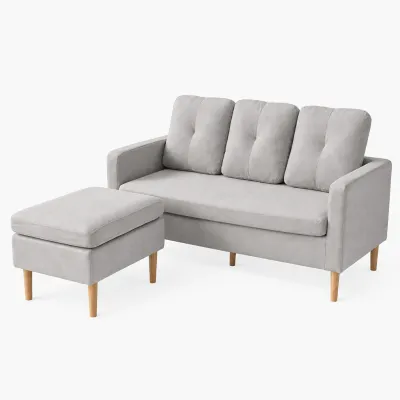
1 Lazada user ratings
👔Style: Good 🛏️Comfort: Good The product was delivered very quickly—great! I really like it. It’s okay; assembly is easy, and it looks nice. …Read full reviewShow less
👔Style: Good 🛏️Comfort: Good The product was delivered very quickly—great! I really like it. It’s okay; assembly is easy, and it looks nice. The pillow might be a bit flat at first, but I’ll wait for it to regain its shape—it could improve. Overall, it’s pretty good.
Prices are valid at publication and may change. Please refer to the product page for the latest price.
Clean lines form the structural foundation of minimalist design. Look for furniture that features straight edges, gentle curves, and an absence of ornate carvings, tufting, or busy patterns. This structural simplicity allows the eye to move smoothly across the room without getting caught on distracting details. When browsing furniture options, prioritize pieces with flat surfaces, hidden hardware, and simple geometric forms that align with the architectural lines of your home.
A neutral color palette is equally vital for establishing a cohesive, minimalist backdrop. Shades of white, cream, gray, beige, and soft earth tones help furniture blend seamlessly with your walls and floors, making the entire room feel more expansive. Instead of relying on bright colors or loud patterns for visual interest, minimalist spaces use subtle variations in texture and material finishes to create depth. For instance, pairing a matte wooden table with a smooth, flat-weave fabric sofa adds tactile variety without disrupting the color harmony.
Finally, the role of negative space—the empty areas around and between your furniture—cannot be overstated. In minimalist design, empty space is treated as an active design element rather than a void to be filled. Leaving breathing room around your seating and storage pieces prevents the layout from feeling cramped and allows the design of each individual item to stand out. This approach is particularly beneficial in modern urban homes, where maximizing the perception of space is essential for comfort.
Which types of Mod Living sofas best anchor a minimalist living room?
Low-profile modular sofas and streamlined multi-seater couches with slim armrests are the most effective options for anchoring a minimalist living room. These designs keep the visual weight close to the floor, which helps maintain an open sightline across the entire living space. By choosing a sofa with a clean, horizontal orientation, you establish a strong focal point that does not dominate or crowd the room.

Low-profile frames are highly effective for creating an illusion of higher ceilings and a more open vertical space. When a sofa sits low to the ground, it leaves more wall space exposed above it, which immediately makes the room feel airier. This style is particularly useful in apartments or homes with standard ceiling heights, as it prevents the main seating area from feeling blocky or imposing.
Modular configurations offer exceptional flexibility, allowing you to customize the seating arrangement to match the exact dimensions of your room. Instead of buying a rigid, oversized sectional that dictates the entire layout, modular pieces can be separated, rearranged, or scaled down to preserve open floor space. This adaptability ensures that your seating remains highly functional, whether you are hosting guests or enjoying a quiet evening alone. When selecting a modular setup, look for pieces with secure, hidden connector brackets to ensure the individual sections remain stable and aligned during daily use.
Streamlined armrests and legs play a crucial role in reducing the physical and visual footprint of your sofa. Bulky, rolled arms add unnecessary width without providing extra seating space, whereas slim, straight armrests maximize the usable cushion area while keeping the overall dimensions compact. Additionally, sofas with slender, exposed legs lift the base of the couch slightly off the floor. This allows light to pass underneath the furniture, which visually lightens the piece and enhances the overall sense of spaciousness in the room.
When selecting upholstery, prioritize neutral, solid-colored fabrics that resist visual clutter and are easy to maintain. Flat-weave polyesters, linen blends, and smooth leathers are excellent choices that offer a clean appearance. It is important to remember that a material’s name alone does not guarantee its durability or resistance to wear. Always check the fabric’s care instructions, rub count specifications, and the manufacturer’s details regarding frame construction and joint stability to ensure your investment withstands daily use.
Which Mod Living table and storage designs keep a living room uncluttered?
Coffee tables with integrated, concealed storage and low-slung media consoles with closed cabinetry are essential for keeping a minimalist living room free of daily clutter. Choosing pieces with geometric bases or nesting capabilities allows you to maintain clean surfaces while preserving essential storage. By keeping everyday items out of sight, these designs help sustain the clean, uninterrupted lines that define the minimalist aesthetic.
Concealed storage is a critical feature for managing items like remote controls, charging cables, magazines, and board games. While open shelving can look appealing in curated photos, in daily life it often becomes a magnet for clutter, which quickly disrupts a minimalist theme. Opting for coffee tables with hidden drawers or lift-top compartments allows you to store these necessities within arm’s reach while keeping the tabletop completely clear. Similarly, media consoles with solid sliding doors or push-to-open cabinets hide electronic components and wiring, presenting a clean, uniform facade to the room.
Nesting tables and geometric bases offer smart space-saving solutions for smaller living areas. Nesting coffee tables consist of two or three tables of varying heights that slide neatly underneath one another when not in use. This allows you to free up valuable floor space for daily activities and easily expand your surface area when entertaining guests. Tables with slender geometric bases, such as thin metal frames or open wire designs, provide structural stability while allowing light and air to pass through, maintaining a sense of visual lightness.
Cohesive material finishes are vital for preventing visual fragmentation in your living room. When selecting coffee tables, side tables, and media consoles, aim for matching or complementary finishes, such as matte wood veneers, powder-coated metals, or tempered glass. Mixing too many different wood grains, metal colors, or high-gloss surfaces can make the room feel disjointed and busy. Instead, stick to one or two dominant finishes that coordinate with your sofa and flooring to create a unified, harmonious look.
How should you arrange Mod Living minimalist furniture to maximize negative space?
To maximize negative space, arrange your Mod Living furniture away from the walls to create a floating layout, and ensure clear, unobstructed pathways throughout the room. Establishing a single focal point, such as a low-profile sofa or a large window, prevents multiple pieces from competing for attention. This deliberate arrangement ensures that the room feels balanced, orderly, and easy to navigate.
A floating layout involves pulling your main seating pieces away from the perimeter walls rather than pushing them flat against the plaster. Even leaving a gap of 10 to 15 centimeters behind a sofa or armchair can create a sense of depth and airiness, making the room feel larger than it actually is. In larger living rooms, placing the entire seating group in the center of the space defines a clear conversation area while leaving the surrounding perimeter open and free of obstacles.
Ensuring clear traffic flow is essential for a comfortable and functional living room. As a general guideline, maintain a clear walking path of at least 60 to 90 centimeters between major furniture pieces, such as the distance between your sofa and coffee table, or the path leading to an entryway. This prevents the space from feeling cramped or difficult to navigate, reinforcing the minimalist feeling of effortless ease and simplicity.
Establishing a single focal point helps anchor the room and guides the eye naturally when entering the space. Arrange your primary seating to face this central element, whether it is a low-profile media console, a fireplace, or a large window with a view. Avoid scattering decorative items or accent chairs randomly around the room, as this creates multiple competing visual points that can make the space feel chaotic. By keeping the arrangement focused and balanced, you allow the negative space to act as a calming frame for your furniture.
What specifications and care details must you verify before ordering Mod Living furniture?
Before finalizing your order, you must verify the exact finished dimensions of the furniture against your room’s layout and measure all entryways, doorways, and stairwells to ensure safe delivery. Additionally, reviewing the manufacturer’s material care instructions and joint stability specifications will help ensure the pieces remain durable in your specific home environment. Taking these practical steps prevents delivery complications and ensures that your new furniture fits your lifestyle as well as it fits your aesthetic.
Measuring your physical space is the most critical step in the pre-purchase process. Do not rely solely on how a piece looks in online photographs or showroom displays, as these environments often have much larger proportions than a typical residential living room. Use painter’s tape to outline the exact dimensions of the sofa, coffee table, and media console on your floor. This physical template allows you to check if you have preserved adequate walking paths and if the scale of the furniture feels appropriate for the room.
Equally important is verifying the delivery path from the delivery vehicle to your living room. In many homes in the Philippines, tight corridors, narrow doorways, low ceilings, and small elevator cabins can present significant obstacles during delivery. Measure the height and width of every doorway, hallway turn, and stairwell that the furniture must pass through. If you live in a condominium or apartment building, check the elevator dimensions and any building policies regarding furniture deliveries to avoid unexpected issues on delivery day.
Finally, review the specific material care instructions and structural details of each piece. Minimalist furniture relies on clean, pristine surfaces to maintain its aesthetic appeal, meaning scratches, stains, or sagging cushions will be highly visible. Check the manufacturer’s guidelines for cleaning the upholstery and maintaining the wood or metal finishes. Verify the assembly conditions, load capacity, and joint construction—such as the use of sturdy dowels, screws, or corner blocks—to ensure the furniture offers long-term stability and performance in your home.

Community discussion
Share your experience or ask a question. Comments are reviewed before publication.