
Creating a modern home bar table using local Philippine materials is a practical way to blend contemporary design with rich, organic textures. Native hardwoods, rattan, and bamboo each offer distinct advantages, but selecting the right option requires understanding how these natural materials perform in a tropical environment. The most suitable choice must balance structural stability, resistance to high humidity, and a clean aesthetic that aligns with modern interior design principles. By focusing on material treatments, joinery, and protective finishes, you can select a functional centerpiece that stands the test of time.
Evaluating Native Hardwoods for Stability and Surface Protection
Native hardwoods like acacia, tanguile, and mahogany are frequently selected for modern bar tables due to their natural density and striking grain patterns. Because a bar table stands taller than a standard dining table, stability is your primary structural concern. Before purchasing, you must check the manufacturer’s specifications regarding the base footprint and overall weight capacity to ensure the table remains steady when guests lean against it or place heavy items on the surface.
You should also inspect how the joints are reinforced beneath the tabletop. Well-crafted modern designs often utilize mortise-and-tenon joinery, dowels, or heavy-duty metal brackets hidden from view. Avoid tables that rely solely on simple glue or basic screws, as the natural expansion and contraction of wood in the humid Philippine climate can loosen these connections over time, leading to a dangerous wobble.
Products mentioned in this guide
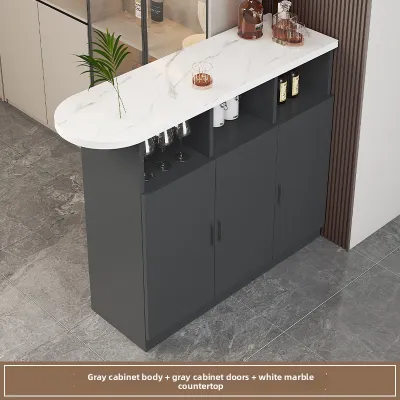
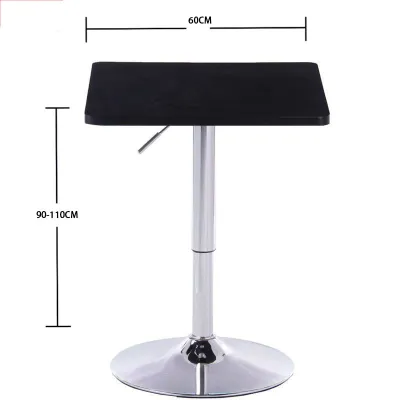

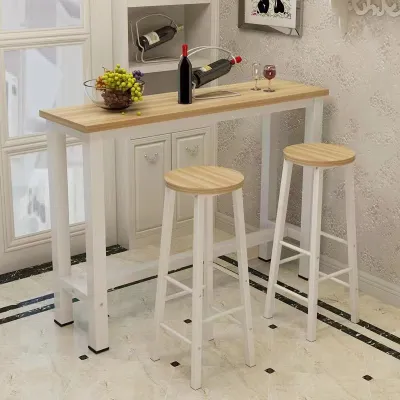
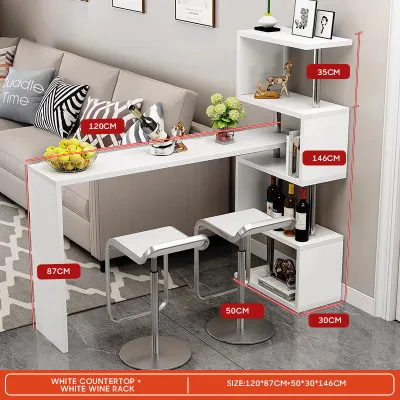
Prices are valid at publication and may change. Please refer to the product page for the latest price.
Moisture protection is another critical factor for any bar surface where cold drinks and accidental spills are common. You must verify what type of sealant has been applied to the wood. Look for polyurethane, lacquer, or specialized water-resistant oils that create a reliable barrier against liquids. Unsealed or poorly finished wood will quickly develop unsightly water rings, swell, or warp under the humid conditions typical of local homes.
From an aesthetic standpoint, the grain pattern should complement the clean, minimalist lines of modern design. Acacia offers dramatic, contrasting swirls that can serve as a bold visual centerpiece, while tanguile provides a more uniform, subtle texture that fits seamlessly into minimalist or industrial interiors. Ask the maker about matte or satin finish options, which highlight the wood’s natural beauty without the dated look of high-gloss varnishes.
Assessing Rattan and Bamboo for Aesthetic and Structural Roles
Rattan and bamboo are iconic local materials that bring an airy, tropical warmth to a modern home bar table. However, because these materials are naturally flexible or hollow, they have inherent structural limitations when used as primary load-bearing elements. To ensure long-term durability, look for designs that pair rattan or bamboo with a rigid internal frame made of steel, solid hardwood, or engineered metal. This hybrid construction provides the necessary strength while showcasing the natural texture of the fibers.

When examining a bamboo or rattan bar table, review the product labels or ask the manufacturer about their treatment processes. Raw, untreated tropical fibers are highly susceptible to powderpost beetles, locally known as bukbok, as well as mold growth fueled by high humidity. Ensure the material has undergone proper curing, kiln-drying, and chemical or natural pest-resistance treatments before it was assembled into furniture.
The quality of the craftsmanship directly impacts both the durability and the modern aesthetic of the piece. For rattan, inspect the tightness of the weave; loose strands can easily snag clothing, trap dust, and unravel over time. For bamboo, look for smooth node treatments where the segments meet, ensuring there are no sharp edges, cracks, or splintering fibers that could compromise the table’s structural integrity.
Modern design favors clean lines and refined textures over rustic, bulky shapes. A modern bar table utilizing these materials often features tight, geometric weaving patterns rather than loose, traditional designs. A protective top coat, such as a clear acrylic or polyurethane spray, is essential to seal the fibers, prevent moisture absorption, and make the surface easy to wipe down after a gathering.
Critical Inspection and Maintenance Standards for Local Materials
Before finalizing your purchase, perform a thorough physical inspection of the bar table to verify its build quality. Gently shake the table from the top to assess its center of gravity and check for any immediate swaying. A stable bar table should have a weighted base or wide-set legs that prevent tipping, especially if you plan to place heavy glassware, decanters, or bar tools on the surface.
Examine the connection points where the legs meet the tabletop. If the table combines different materials—such as a hardwood top on a rattan base—ensure the fasteners are secure and do not pinch or stress the natural fibers. Any visible gaps, uneven seams, or squeaking sounds when pressure is applied are early indicators of poor craftsmanship that will likely worsen under daily use.
Long-term maintenance requires adhering strictly to the manufacturer’s care guidelines to preserve the material’s integrity. Avoid using harsh chemical cleaners, abrasive scrubbing pads, or bleach, which can strip away protective sealants and damage natural fibers. Instead, use a soft, slightly damp microfiber cloth for daily dusting, and wipe up spills immediately to prevent moisture from penetrating the wood or weave.
Keep a close eye on how the materials adapt to your home’s microclimate over the seasons. Early warning signs of material stress include fine hairline cracks in hardwood, loosening joints, or a dulling, flaky finish. If you notice these signs, consult the manufacturer or a local furniture restoration professional to reapply a protective topcoat before deeper structural damage occurs.
Aligning Material Choices with Your Space and Usage Habits
Selecting the right material also depends heavily on the physical layout of your living space and your delivery access. Measure your designated bar area carefully, leaving at least 90 to 120 centimeters of clearance around the table for comfortable traffic flow and stool placement. Additionally, verify the dimensions of your doorways, hallways, and elevator cabins to ensure the fully assembled table can be delivered safely into your home.
Your daily habits should dictate the specific finishes and edge profiles you choose. If your bar table will host frequent social gatherings with wet glassware, a solid hardwood top with a rounded or chamfered edge is highly practical, as sharp edges are more prone to chipping and finish wear. If the table is primarily a decorative accent or a quiet morning coffee spot, the delicate textures of rattan or bamboo may suit your lifestyle well.
Ultimately, the right choice balances your aesthetic vision with your willingness to perform regular maintenance. While a solid hardwood table offers unmatched longevity and easy refinishing, it requires a stable indoor environment away from direct sunlight. Rattan and bamboo offer a lighter, more flexible design statement but require gentle handling and routine inspections to keep the fibers pristine in our tropical climate.
Frequently Asked Questions (FAQ)
Can rattan or bamboo support a heavy stone or glass bar top?
Rattan and bamboo alone cannot safely support heavy materials like marble, granite, or thick tempered glass without structural reinforcement. If you desire a stone or glass top, the table must feature a robust internal frame made of steel or solid hardwood that bears the actual weight. Always check the manufacturer’s official load ratings and assembly instructions to verify that the base is engineered to support the specific weight of your chosen tabletop.
How do I verify if a native hardwood is legally and sustainably sourced?
To ensure your hardwood bar table does not contribute to illegal logging, ask the furniture maker or retailer for official documentation regarding the origin of the timber. In the Philippines, legitimate manufacturers should be able to provide permits or certificates of origin showing compliance with local forestry regulations. If a seller cannot verify where the wood was harvested or refuses to provide clear documentation, it is best to halt the purchase and look for a transparent, certified supplier.
Community discussion
Share your experience or ask a question. Comments are reviewed before publication.