
Choosing the right platera furniture depends on balancing the physical weight, height, and visibility of your prized possessions. Fine china requires secure, dust-free shelving with protective glass doors and specialized plate grooves to prevent delicate porcelain from sliding. In contrast, displaying religious icons or family heirloom statues demands deeper shelves, generous vertical clearance, and dedicated low-heat lighting to create a respectful, prominent focal point.
By evaluating your primary display goals, you can select a cabinet design that offers both structural integrity and aesthetic harmony. Whether you need to protect fragile dinnerware from tropical humidity or showcase tall spiritual figures, understanding these design differences ensures your platera serves as a safe and beautiful centerpiece in your home.
Understanding the Core Design Differences for Your Display Needs
Every display cabinet serves a dual purpose of preservation and presentation, but the structural requirements shift dramatically depending on what you place inside. Fragile plates, teacups, and saucers require a design focused on stability, dust prevention, and organized spacing. Because dinnerware is often stacked or lined up, the cabinet must offer features that prevent lateral movement and minimize the risk of accidental chips or cracks.
Products mentioned in this guide
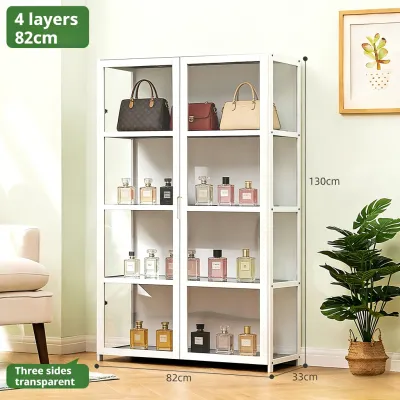
Prices are valid at publication and may change. Please refer to the product page for the latest price.
Religious icons, statues, and spiritual shrines require a completely different spatial layout. These items are typically three-dimensional, tall, and heavy, requiring significant depth and vertical clearance rather than narrow, closely spaced shelves. The visual focus is also different; while china benefits from clean, ambient light, icons often require directional lighting to highlight intricate details and painted finishes without casting harsh shadows.
When choosing a platera, you must evaluate three key variables: shelf adjustability, door style, and integrated lighting. A cabinet designed solely for dinnerware might feature fixed, grooved shelves and full-glass doors to maximize visibility. A versatile platera intended for mixed use or spiritual displays benefits from adjustable shelving heights, solid lower cabinets for storage, and built-in wiring channels for safe illumination. The primary use will ultimately dictate the overall silhouette, material choice, and finish of the furniture.
Displaying Fine China: Protection, Spacing, and Door Styles
To display fine china safely, shelf spacing and adjustability are your primary considerations. Heavy stacks of dinner plates require robust support, while delicate teacups and tall serving tureens need varying vertical clearances. Opting for a platera with adjustable shelving allows you to customize the interior layout, preventing you from crowding items together and risking damage when reaching for a specific piece.

Door styles play a critical role in protecting your collection from environmental factors. Glass-front doors are highly recommended for fine china because they provide continuous visibility while shielding delicate porcelain from dust, grease, and airborne moisture. In tropical climates where humidity can cause dust to cling to surfaces, enclosed glass cabinets significantly reduce the frequency of cleaning. Open shelving, while modern and easily accessible, is better reserved for everyday dinnerware that is washed and rotated frequently.
When inspecting a platera, pay close attention to the shelf material and surface design. Look for wooden shelves featuring integrated plate grooves—shallow parallel channels carved into the wood—which allow you to stand plates upright securely for display. If the shelves are made of tempered glass, verify that they are thick enough to support the weight of stacked ceramics and feature non-slip rubber shelf rests to prevent any shifting.
Showcasing Religious Icons: Lighting, Depth, and Reverence
Displaying religious statues and spiritual icons requires careful attention to cabinet depth and height clearance. Many traditional statues feature wide bases or intricate backdrops that require a deeper shelf than standard dinner plates. Measure the tallest and widest icons in your collection before shopping, ensuring there is at least several centimeters of clearance around each piece so the display does not look cramped or disrespectful.
Lighting is essential for creating a warm, reverent atmosphere around spiritual displays, but it must be implemented safely. Integrated LED strip lights or top-mounted spotlights are excellent for highlighting the details of your icons. However, you must ensure the light sources do not generate excess heat. Traditional wooden statues, painted plaster, and delicate fabrics can warp, fade, or crack when exposed to constant heat from older halogen bulbs. Low-voltage, cool-to-the-touch LED fixtures are the safest choice for preserving these valued items.
The background and finish of your platera should complement the solemnity and colors of your icons. Rich, warm wood stains like mahogany, walnut, or dark oak provide a classic, respectful backdrop that highlights gold leaf and traditional paint colors. If your icons are modern or minimalist, a lighter wood finish or a neutral painted interior can make the figures stand out clearly without distracting from their spiritual significance.
Modern Decor and Mixed Displays: Flexibility and Open Designs
If your goal is to display a curated mix of modern decor, art pieces, books, and occasional dinnerware, flexibility is key. A platera with fully adjustable or entirely removable shelves allows you to adapt the interior space as your collection evolves. This adaptability is particularly useful for accommodating irregularly shaped modern vases, tall sculptural art, or oversized coffee table books that do not fit into standard shelf heights.
To maintain a clean and uncluttered aesthetic, look for a platera design that balances open display areas with closed storage. A popular and highly functional configuration features glass doors or open shelving on the upper half, with solid wooden doors or drawers on the lower half. This layout allows you to showcase your most beautiful decorative items at eye level while concealing everyday household clutter, table linens, and extra serving utensils below.
Coordinate the material, hardware, and finish of your platera with your existing interior style to ensure it acts as a cohesive design element. For contemporary spaces, a platera with clean lines, matte black metal hardware, and a minimalist profile works beautifully. For transitional or rustic homes, a cabinet featuring distressed wood finishes and classic brass hardware adds warmth and character to the room.
Verifying Space, Clearances, and Structural Safety Before Purchase
Before finalizing your purchase, you must verify that the platera will physically fit into your home and can be delivered safely. Measure the designated floor space and ceiling height, keeping in mind any baseboards, light fixtures, or wall moldings that might interfere with the cabinet’s placement. Additionally, measure all doorways, hallways, stairwells, and elevator entries along the delivery path to ensure the furniture can be transported into your living space without getting stuck.
Weight capacity and structural stability are critical safety factors, especially when displaying heavy ceramic collections or solid wood statues. Check the manufacturer’s specifications for the maximum weight limit per shelf. Solid wood plateras generally offer superior load capacity compared to engineered wood alternatives. Ensure the cabinet joints are reinforced with screws or dowels rather than simple staples, as sturdy construction prevents the shelves from sagging over time under the weight of your display.
Finally, prioritize household safety by reviewing anchoring requirements. Tall, heavy display cabinets pose a serious tip-over hazard, particularly in households with active children or pets. Always secure your platera to the wall using high-quality anti-tip straps or brackets. If you are mounting the cabinet against concrete or masonry walls, ensure you use the correct wall anchors and screws to create a permanent, stable connection that prevents accidental tipping.
Frequently Asked Questions (FAQ)
How do I prevent glass cabinet doors from showing fingerprints and smudges?
To keep your platera’s glass doors looking pristine, always check the manufacturer’s care label for approved cleaning methods. Use a clean, lint-free microfiber cloth paired with a mild glass cleaner or a simple mixture of water and white vinegar. Avoid spraying the cleaner directly onto the glass, as excess liquid can seep into the wooden frames or metal hinges, potentially causing warping or corrosion over time. Instead, spray the cleaner onto the cloth first, then wipe the glass in a consistent circular motion.
Can I install aftermarket lighting in a platera that did not come with it?
Yes, you can install aftermarket lighting, but you must first check the cabinet’s material heat tolerance and warranty conditions. Drilling holes for wiring can void your warranty or weaken the structural integrity of thin back panels. A safe, non-destructive alternative is to use battery-operated or rechargeable LED puck lights equipped with adhesive backing. These low-heat lights can be easily attached to the underside of shelves without drilling, allowing you to highlight specific items safely and efficiently.
Community discussion
Share your experience or ask a question. Comments are reviewed before publication.