
Selecting a coffee tables and chairs set crafted from local materials like rattan and bamboo is one of the most effective ways to bring warmth, texture, and cultural identity into a modern living space. In the Philippines, where tropical design naturally complements the warm climate, these indigenous materials have transitioned from traditional patio staples to sophisticated indoor centerpieces. By blending the organic, hand-woven textures of rattan and bamboo with clean, contemporary silhouettes, you can create a living room that feels both deeply rooted in local heritage and aligned with modern minimalist aesthetics.
When shopping for these sets, the key is to look for pieces that respect the natural strength of the fibers while incorporating modern structural elements. Rattan, known for its flexibility and solid core, can be bent into elegant, sweeping curves, while bamboo offers exceptional tensile strength and a clean, linear look. Together, they form lightweight, durable, and visually airy furniture sets that open up smaller living rooms and add organic character to larger, open-plan spaces.
Understanding Modern Filipino Design in Coffee Table and Chair Sets
Modern Filipino design is defined by a thoughtful dialogue between heritage craftsmanship and contemporary minimalism. Historically, rattan and bamboo furniture featured heavy, ornate patterns that could easily overwhelm a modern, streamlined room. Today, local designers are reimagining these materials by contrasting traditional weaving techniques with sleek, minimalist frames. For instance, a coffee table might feature a delicate, hand-woven top supported by a clean-lined, powder-coated metal base, creating a striking balance between industrial precision and organic warmth.
Products mentioned in this guide
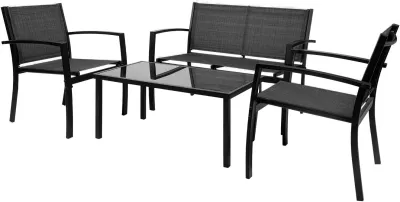

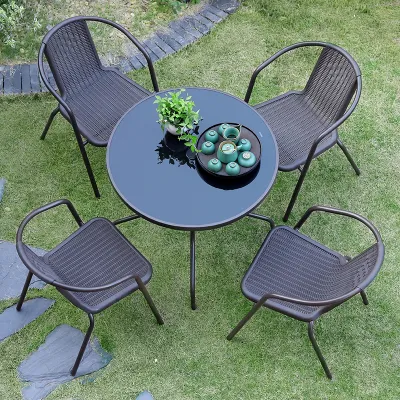
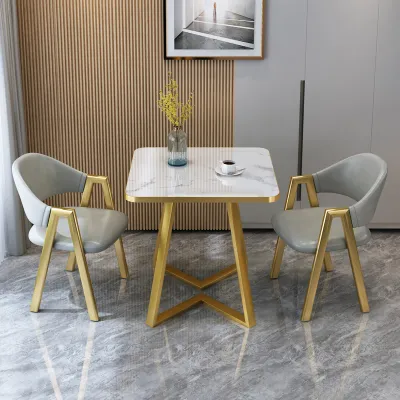
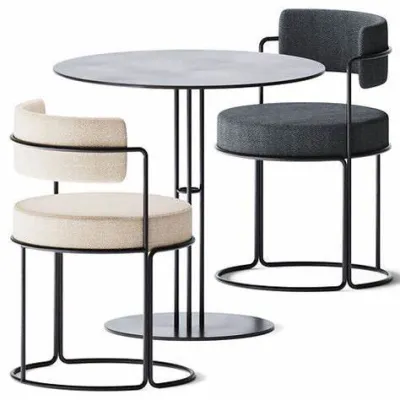
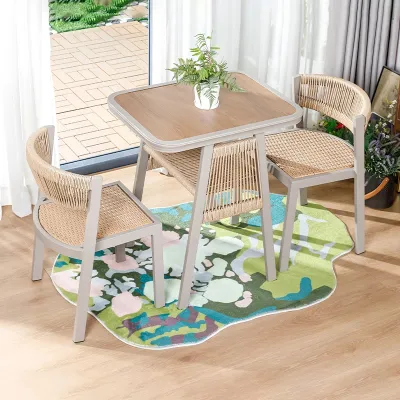
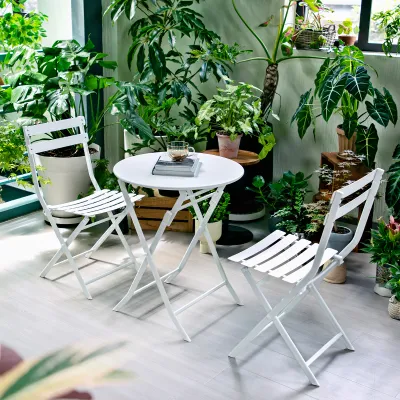
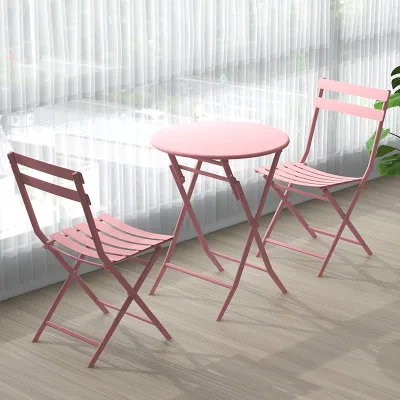
Prices are valid at publication and may change. Please refer to the product page for the latest price.
One of the most celebrated elements in this design movement is the use of traditional weaving patterns, such as solihiya—a classic sunburst weave that provides both structural support and breathability. Incorporating a solihiya accent chair alongside a solid bamboo coffee table introduces a beautiful play of light and shadow into the room. This open weave prevents the furniture from looking visually heavy, making it an excellent choice for maintaining an airy feel in compact urban homes.
Achieving visual balance with these natural materials also relies heavily on your choice of upholstery and styling. To keep the look modern, pair woven rattan chairs with neutral, high-texture fabrics like linen, canvas, or cotton-blend upholstery in shades of cream, sand, terracotta, or olive green. These earthy tones ground the natural fibers, while the contrast between the smooth fabric and the textured weave adds depth to your seating area without relying on loud colors or busy patterns.
When building your living room setup, it is crucial to distinguish between authentic, high-quality local craftsmanship and mass-produced synthetic imitations. Authentic local pieces showcase natural variations in color, visible growth nodes on bamboo, and slight irregularities in hand-woven patterns that give each piece character. Mass-produced synthetic alternatives, often made from plastic-based fibers, lack the warmth, breathability, and structural integrity of genuine natural materials, and they fail to support the local weaving communities that keep these traditional crafts alive.
Essential Selection Criteria for Rattan and Bamboo Furniture
Evaluating the quality of natural material furniture requires a close inspection of the construction methods and joint structures. Because rattan is a solid-core vine, high-quality frames are bent using steam and secured at the joints with heavy-duty screws or dowels. These joints should then be tightly wrapped in peeled rattan strips or leather bindings to conceal the hardware and provide secondary reinforcement. Avoid sets where the joints are held together primarily by staples, glue, or loose plastic wrapping, as these will quickly loosen and squeak under daily use.

Bamboo furniture requires a different structural check due to its hollow nature. Look for sets that utilize precise mortise-and-tenon joints or sturdy wooden dowels to connect the poles. The nodes of the bamboo should be smoothly sanded, and the ends of the poles should be capped or sealed to prevent moisture from entering the hollow interior. Shake the furniture gently before purchasing; any noticeable wobbling, flexing, or creaking indicates weak joinery that may not withstand long-term household use.
Surface treatments are another critical factor in ensuring the longevity of your coffee table and chair set. Because natural fibers are susceptible to moisture and wear, check the manufacturer’s labels to verify that the pieces have been treated with protective coatings. A high-quality set should feature a clear polyurethane, lacquer, or natural wax finish that seals the fibers against spills and humidity while preserving the natural grain. Run your hands over the surfaces to check for rough patches, splinters, or loose fiber ends that could snag clothing or irritate skin.
Finally, always verify the weight capacity and structural integrity of the seating options in the set. While rattan and bamboo are remarkably lightweight, they must be engineered correctly to support daily weight. Look for chairs that feature double-braced legs or reinforced under-seat framing. Checking the manufacturer’s specifications for maximum weight limits ensures that the set is fully capable of handling regular use by family members and guests alike.
Building Your Shortlist: Matching Sets to Living Room Needs
To find the perfect coffee table and chair set, you must first assess your specific spatial constraints and how you plan to use the space. For compact apartments and urban condominiums, space-saving designs are essential. Nesting coffee table sets—where smaller side tables or woven stools slide completely underneath the main coffee table—provide excellent flexibility. This allows you to keep the floor area clear for daily traffic and easily pull out extra seating or surface space when hosting guests.
In contrast, spacious, open-plan living areas can accommodate larger, more substantial furniture arrangements. For these layouts, consider modular sets that feature low-slung rattan sectional frames paired with a wide, circular bamboo coffee table. The low profile of these sets maintains clear sightlines across the room, while the modular nature allows you to rearrange the seating to suit different occasions, from family movie nights to larger social gatherings.
If you are designing a formal lounge or receiving area, look for statement centerpiece sets that showcase mixed-material designs. A coffee table featuring a polished glass or local marble top paired with a beautifully bent rattan base serves as an elegant focal point. Complement this with two high-backed solihiya accent chairs. The combination of smooth, cold surfaces like glass or stone with the warm, organic texture of woven wood creates a sophisticated, curated look that elevates the entire room.
As you build your shortlist, compare options across official brand stores, local design studios, and authorized artisanal retailers in the Philippines. Prices for high-quality, hand-crafted sets can vary significantly based on the complexity of the weave and the materials used. When comparing prices in ₱, factor in the cost of delivery, warranty coverage, and whether the set arrives fully assembled or requires professional installation. Investing in a well-made set from a reputable local maker ensures better durability and directly supports local weaving communities.
Space Planning and Practical Checks Before Buying
Before finalizing your purchase, it is vital to perform precise spatial measurements to ensure the furniture fits comfortably in your home and can be delivered without issue. Because high-quality rattan and bamboo frames are often constructed as solid, non-demountable pieces, they cannot be flat-packed for delivery. Measure the width and height of all doorways, hallway corners, stairwells, and elevator cabins along the delivery route to guarantee that the pieces can be safely transported into your living room.
Once inside the room, the layout must allow for comfortable movement and natural traffic flow. As a general rule of space planning, maintain a clearance of 30 to 45 centimeters between the edge of the coffee table and the front of the chairs or sofa. This distance provides ample legroom while keeping drinks, books, and remote controls within easy reach. Additionally, ensure that the height of the coffee table is roughly equal to or slightly lower than the seat height of your chairs, which typically ranges between 40 and 45 centimeters.
Another practical consideration is floor protection. The raw, cut ends of rattan poles and bamboo legs can be abrasive and may scratch delicate hardwood, laminate, or polished tile floors over time. Inspect the bottom of the furniture legs to see if they include built-in plastic glides or rubber caps. If they do not, plan to install heavy-duty felt pads or custom rubber tips to protect both your flooring and the base of your furniture from wear and moisture during floor cleaning.
Care and Maintenance for Woven and Natural Materials
Preserving the beauty and structural integrity of natural rattan and bamboo requires a consistent, gentle maintenance routine tailored to the local tropical climate. Dust is the primary enemy of woven furniture, as it can settle deep into the crevices of the weave and attract moisture. Use a soft-bristled brush, a feather duster, or a vacuum cleaner equipped with a soft brush attachment to clean the woven sections weekly. Follow this by wiping the entire set down with a slightly damp microfiber cloth to remove surface grime, taking care not to saturate the fibers.
Managing environmental factors is crucial in the Philippines, where high humidity and intense sunlight can affect natural materials. Excess moisture can encourage the growth of mold and mildew in the tight weaves of your furniture. To prevent this, ensure your living room is well-ventilated, and use a dehumidifier during the rainy season if the space tends to trap moisture. Conversely, avoid placing your set in direct, harsh sunlight, as prolonged exposure to UV rays can dry out the natural oils in rattan and bamboo, leading to fading, brittleness, and cracking.
Over time, even well-maintained furniture may show signs of wear, such as loose bindings or minor surface scratches. For minor scuffs, applying a thin coat of natural furniture wax or a matching wood touch-up marker can restore the finish. However, if you notice significant structural issues, such as deep cracks in the main support poles, unraveling structural joints, or severe sagging in the woven seats, avoid attempting complex DIY repairs. In these cases, it is best to contact the original manufacturer or consult a professional local furniture restorer who specializes in natural fibers to ensure the piece is repaired safely and correctly.
Frequently Asked Questions (FAQ)
Can rattan and bamboo furniture be placed outdoors?
Natural, untreated rattan and bamboo furniture sets are designed strictly for indoor use or fully enclosed, dry spaces like sunrooms. Because these natural fibers are highly porous, exposure to rain, high humidity, and direct sunlight will cause them to warp, rot, develop mold, and split over time. If you wish to achieve a similar tropical look for an open patio, balcony, or garden, look for outdoor-specific sets made from synthetic polyethylene (PE) rattan or specially treated, weather-resistant bamboo designed to withstand the elements.
How do I prevent woven seats from sagging over time?
To prevent woven seats, such as those featuring solihiya or split-bamboo weaves, from sagging, always distribute weight evenly across the surface. Avoid standing on the seats or placing heavy, concentrated loads on a single spot, which can stretch or snap the fibers. Using firm, high-density foam seat cushions is highly recommended, as they distribute your body weight evenly across the entire woven support structure. Finally, always adhere to the manufacturer’s specified weight limits to maintain the original tension of the weave.
Community discussion
Share your experience or ask a question. Comments are reviewed before publication.