
Selecting a camping table foldable outdoor setup that can withstand the intense Philippine rainy season requires a close look at material science and structural design. The combination of heavy downpours, persistent high humidity, and warm tropical temperatures creates an aggressive environment where unprotected metals rust rapidly and porous surfaces harbor mold. To ensure your outdoor gear survives the wet months without seizing, warping, or degrading, you must prioritize non-porous tabletops, corrosion-resistant frames, and robust hardware. By understanding how different materials interact with moisture, you can make an informed investment that remains reliable trip after trip.
How the Rainy Season Impacts Foldable Outdoor Camping Tables
During the wet season, outdoor gear faces far more than occasional splashes. Rainwater easily penetrates the smallest gaps in a table’s structure, pooling inside hollow legs, folding joints, and screw threads. Because the air remains highly humid even after the rain stops, this trapped moisture cannot evaporate quickly, leading to prolonged wet conditions that accelerate chemical oxidation.
Porous materials like untreated wood or low-grade fiberboards absorb this ambient moisture directly from the air. This absorption causes the fibers to swell, weaken, and eventually warp, ruining the flat surface of your tabletop. Non-porous materials, while immune to swelling, still suffer if water is allowed to sit on their surfaces or within their structural channels for extended periods.
Products mentioned in this guide
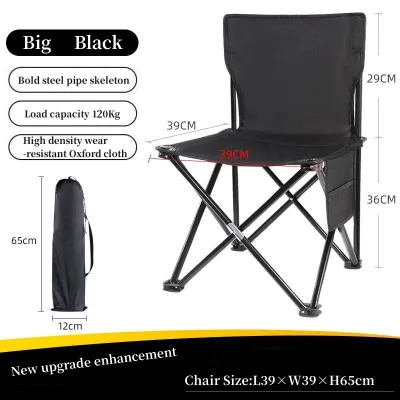
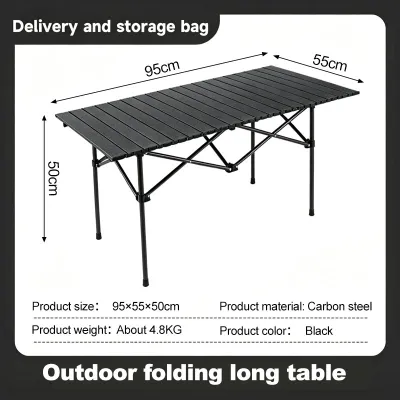
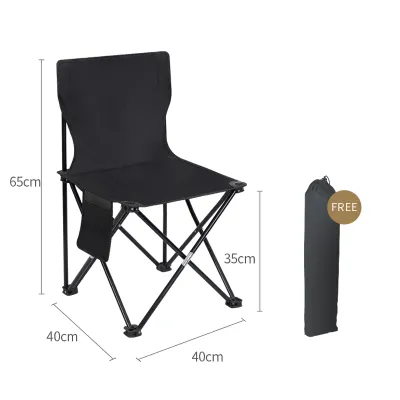
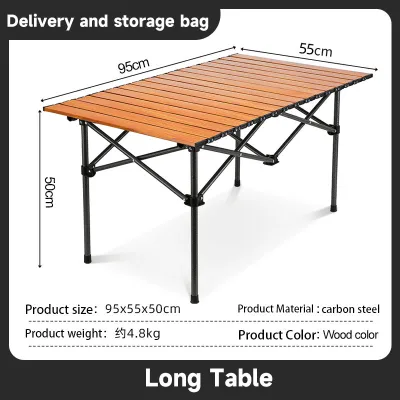
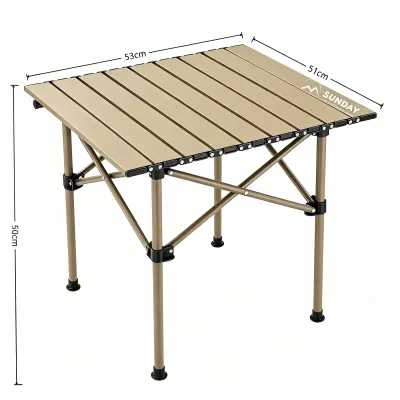
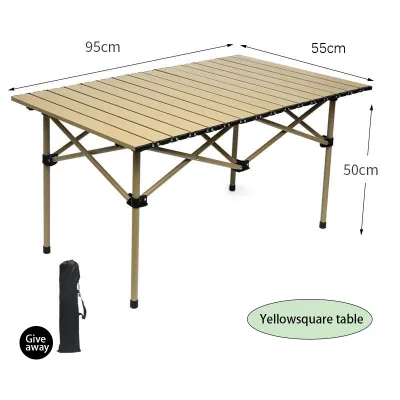
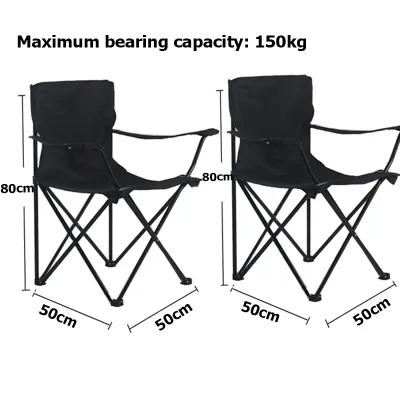
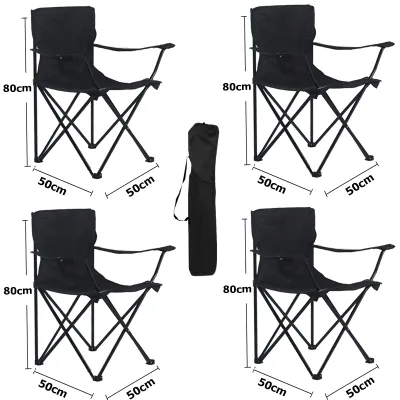
Prices are valid at publication and may change. Please refer to the product page for the latest price.
The transition from heavy downpours to sudden tropical heat further compounds the damage. This cycle of wetting and heating creates a greenhouse effect inside storage bags or tight folds, promoting rapid mold growth and fungal decay. Understanding these environmental stressors is the first step in selecting a table engineered to survive the elements.
Furthermore, rainwater in tropical regions can carry atmospheric pollutants and organic matter that increase its acidity. When this slightly acidic water sits on metal surfaces, it acts as an electrolyte, speeding up the electrochemical reaction that causes rust. This makes immediate water shedding and rapid drying critical design features for any outdoor furniture used during this time of year.
Evaluating Tabletop Materials for Moisture and Mold Resistance
The tabletop is your first line of defense against falling rain, making its material composition critical for long-term durability. Non-porous options, such as high-density polyethylene (HDPE) plastics and aluminum slats, offer the highest resistance to water penetration. These materials do not absorb moisture, meaning they will not warp, rot, or support mold growth even when left wet.

When evaluating aluminum tabletops, look for roll-up or folding slat designs that allow water to drain freely through the gaps rather than pooling on the surface. For plastic tabletops, inspect the underside structural ribbing; high-quality designs feature molded channels that prevent water from trapping underneath. If you prefer composite materials, check the manufacturer’s specifications for resin-bound options that explicitly state water-resistance ratings.
Natural wood and bamboo tabletops present a higher risk in wet climates due to their organic, porous nature. While sealed bamboo is popular for its aesthetic appeal, any scratch or chip in the protective polyurethane or lacquer coating allows moisture to seep into the fibers. Once water penetrates the sealant, the wood swells, causing the protective coating to flake off and exposing the table to rapid rot and deep-seated mold.
Before purchasing, inspect the edges and seams of the tabletop carefully. Low-quality tables often use edge-banding to cover composite wood cores; these seams are highly vulnerable to water ingress, which causes the core to swell and split. Opt for solid, single-mold plastics or continuous metal sheets where there are no laminated layers to separate under wet conditions.
Additionally, consider the thermal properties of the tabletop material. Aluminum can become quite hot under direct tropical sunlight once the rain clears, whereas high-density plastics maintain a more moderate temperature. However, aluminum offers superior resistance to heat from camp stoves and hot cookware, making it a highly versatile choice if you plan to cook directly on the table surface.
Comparing Frame Materials and Finishes for Rust Prevention
The structural integrity of your camping table foldable outdoor frame depends entirely on the metal used and its protective finish. Aluminum frames are highly favored for tropical outdoor use because aluminum naturally forms a protective oxide layer that resists deep structural rust. However, not all aluminum is equal; anodized aluminum frames undergo an electrochemical process that thickens this protective layer, offering superior resistance to scratches and moisture.
Steel frames are common due to their high load capacity and affordability, but they are highly susceptible to rust if left unprotected. When considering a steel frame, verify that it features a thick, even powder coating rather than a simple liquid paint finish. Powder coating involves baking a dry powder onto the metal at high temperatures, creating a hard, continuous barrier that resists chipping and moisture penetration.
Inspect the frame’s weld points and joints with extra care, as these are the most common failure points for protective coatings. During the welding process, the metal is heated intensely, which can leave microscopic pores or uneven surfaces where powder coating might not adhere perfectly. Any tiny pinhole in the coating allows moisture to reach the underlying steel, starting a rust cycle that spreads beneath the paint.
Stainless steel is another option, though less common in lightweight folding tables due to its weight. If you choose a table with stainless steel components, check the product specifications for marine-grade or high-chromium alloys, which offer excellent resistance to wet environments. Avoid low-grade steel frames that rely solely on thin chrome plating, as this plating easily scratches off, exposing the raw steel to rapid corrosion.
It is also wise to check the thickness of the frame tubing. Thinner metal tubes are more susceptible to structural failure if rust does begin to develop internally. A slightly thicker gauge of aluminum or treated steel provides a safety margin, ensuring the table remains stable and safe to use even after multiple seasons of exposure to wet weather.
Hardware, Joints, and Structural Vulnerabilities
While the main frame and tabletop might resist moisture, the small hardware components—such as hinges, rivets, screws, and brackets—are often the first parts to fail. Manufacturers sometimes use high-quality aluminum for the frame but cut costs by using standard carbon steel for the connecting hardware. These small parts quickly rust, seizing the folding mechanisms and making the table impossible to open or close.
When selecting a table, look for hardware made of stainless steel, brass, or heavy-duty nylon. These materials do not rust and maintain their smooth operation even after repeated exposure to heavy rain. If the hardware is coated steel, check that the coating is uniform and does not show signs of flaking or rust right out of the box.
The design of the folding joints also plays a major role in water management. Avoid complex joint designs with deep, enclosed recesses that act as cups, trapping rainwater and debris. Instead, look for open-hinge designs that allow water to drain straight through and air to circulate freely around the moving parts.
Ensure that the folding mechanisms operate smoothly without relying on heavy grease or wet lubricants. In outdoor environments, wet lubricants attract dirt, sand, and organic debris, creating an abrasive paste that wears away protective coatings and traps moisture against the metal. Dry-film lubricants or self-lubricating nylon bushings are much better suited for wet-season camping.
Pay attention to the feet of the table legs as well. Table legs that end in open metal tubes can sink into wet mud, filling the interior of the frame with damp soil that is difficult to clean out. Look for tables equipped with wide, durable plastic or rubber feet that seal the bottom of the tubes and distribute the weight evenly on soft, wet ground.
Rainy Season Maintenance, Drying, and Storage Practices
Proper maintenance is essential to extend the lifespan of your foldable camping table, especially during the relentless wet season. After every outdoor trip, make it a habit to thoroughly clean the table to remove mud, salt residue, and organic matter. Use a soft cloth and mild, pH-neutral soapy water, avoiding harsh chemical cleaners or abrasive scrubbers that can scratch anodized finishes or strip powder coatings.
Once clean, the table must be dried completely before it is folded and packed away. Wipe down every surface, paying close attention to the inside of hollow legs, folding joints, and screw threads where water tends to linger. If possible, leave the table fully unfolded in a well-ventilated, shaded area for several hours to ensure all internal moisture evaporates.
Never store a damp table inside its carrying bag or in a sealed plastic container, as this traps moisture and creates a perfect breeding ground for mold and rust. Store the table in a dry, elevated indoor space away from direct sunlight, which can degrade plastic components over time. If you must store it in a garage or outdoor shed, ensure the area is well-ventilated and the table is kept off the concrete floor to prevent moisture wicking.
Periodically inspect the table for any signs of wear, such as chipped paint, loose rivets, or stiff joints. Addressing these minor issues early prevents them from turning into structural failures during your next camping trip. Refer to the manufacturer’s care instructions for approved maintenance steps and recommended protective sprays that are safe for your specific table materials.
For long-term storage during the off-season, consider applying a thin layer of silicone-based protective spray to the metal joints and hardware. This creates an extra barrier against ambient humidity without attracting excessive dirt. Always ensure the spray is compatible with the table’s materials, particularly if there are plastic or rubber parts nearby that could degrade when exposed to certain solvents.
Frequently Asked Questions (FAQ)
Can I leave my foldable camping table outside overnight during the rainy season?
It is not recommended to leave your foldable camping table outside overnight during the rainy season, even if it is made of highly water-resistant materials. Overnight condensation, sudden downpours, and pooling water can seep into internal frame cavities and hardware joints, accelerating rust and mold growth. To preserve the table’s structural integrity and smooth folding mechanisms, always fold it and store it under a secure shelter, tent vestibule, or inside your vehicle overnight.
How do I remove early signs of rust from the table's metal frame?
To treat early signs of surface rust on a metal frame, start by gently cleaning the affected area with a soft brush or a non-abrasive pad dipped in a mild vinegar solution to dissolve the rust. Once the surface rust is removed, rinse the area thoroughly with clean water and dry it completely with a clean towel. To prevent the rust from returning, apply a thin coat of a rust-inhibiting primer or a matching outdoor metal touch-up paint, following the manufacturer’s instructions to seal the exposed metal.
Are bamboo or wood tabletops suitable for heavy rain if they are sealed?
While sealed bamboo or wood tabletops can handle light rain and occasional spills, they are not ideal for prolonged exposure to heavy rainy season conditions. High humidity and temperature fluctuations cause natural wood to expand and contract, which eventually creates microscopic cracks in the sealant. Once water penetrates these cracks, it leads to warping, rotting, and deep mold stains that are difficult to remove. For heavy rain environments, non-porous materials like aluminum or high-density plastics are much more reliable and require far less maintenance.
Community discussion
Share your experience or ask a question. Comments are reviewed before publication.