
Selecting a portable folding table that can survive the relentless downpours and thick humidity of the tropical rainy season requires a close look at material science. The most rust-resistant combination for a portable table folding frame is anodized aluminum or high-grade stainless steel, paired with a high-density polyethylene (HDPE) tabletop. While many tables claim to be weather-resistant, the frequent rain and high ambient moisture of the season will quickly find the weak points in inferior metals and protective coatings. Understanding how these materials interact with water, especially at the folding joints and hardware connections, is the key to choosing a table that remains stable and functional year after year.
Understanding Rust Risks in High Humidity and Rain
During the rainy season, outdoor furniture faces a double threat: direct exposure to heavy downpours and the constant, invisible presence of high ambient humidity. While a sudden shower coats the flat surfaces of a table, gravity causes this water to run down and collect in the lowest points. The real danger often lies not on the open tabletop, but within the tight spaces of the folding joints, hinges, and hollow frame tubes where water cannot easily evaporate. This trapped moisture creates a microenvironment of continuous dampness, which is far more destructive than a brief wetting followed by quick drying.
In tropical climates like that of the Philippines, this risk is amplified by elevated temperatures. Heat acts as a catalyst for chemical reactions, significantly accelerating the oxidation process that turns iron into rust. When oxygen, water, and iron-based metals meet under warm, humid conditions, the electrochemical reaction occurs at a much faster rate than in cooler, drier climates.
Products mentioned in this guide
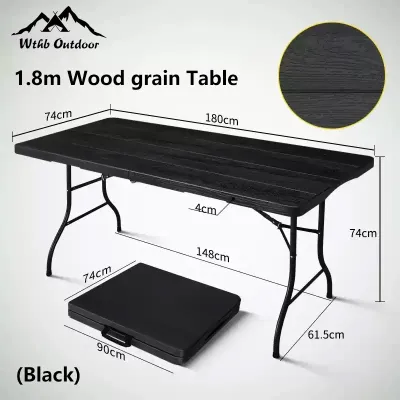
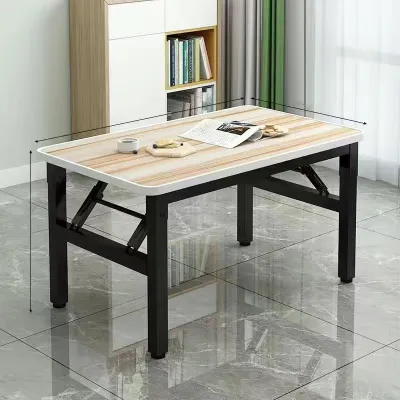
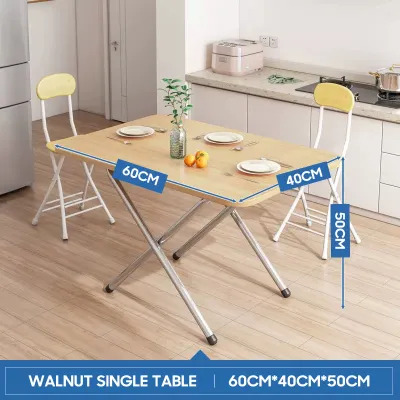
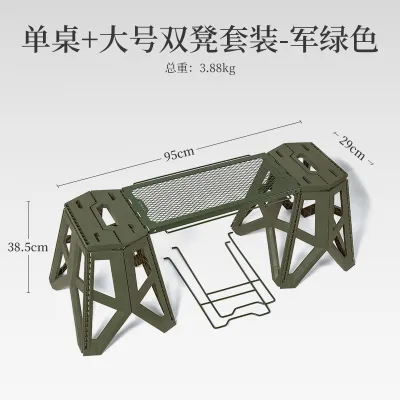
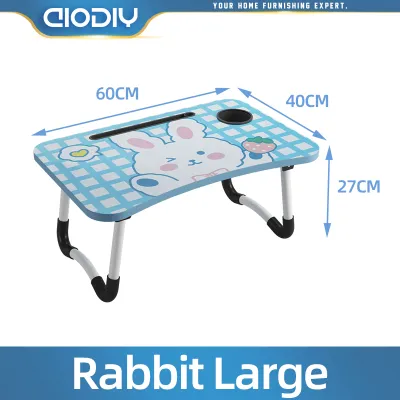
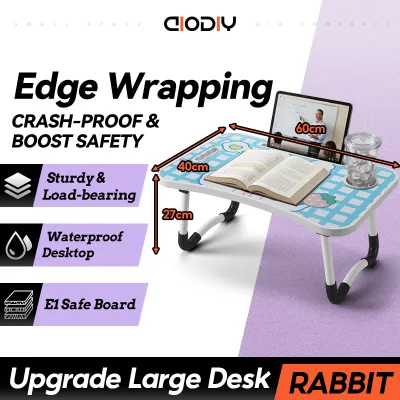
Prices are valid at publication and may change. Please refer to the product page for the latest price.
To protect your investment, you must learn to spot the early warning signs of corrosion before they compromise the structural integrity of the table. Look closely at the joints and welded areas for tiny bubbles or blisters forming beneath the paint or powder coating. This bubbling indicates that moisture has already penetrated the protective layer and oxidation is beginning to lift the finish. Other early indicators include a fine, powdery orange or white residue around screw holes, a slight discoloration of the metal, or a sudden stiffness when attempting to fold or unfold the frame.
Evaluating Frame Materials for Rust Resistance
The frame serves as the backbone of any portable folding table, bearing the weight of your items and maintaining stability on uneven ground. When evaluating frames for wet-weather performance, you will primarily choose between aluminum alloys, stainless steel, and coated carbon steel or iron. However, the raw material itself is only part of the equation; you must also assess how the frame is constructed. The thickness of the metal tubing, the quality of the welds, and the design of the folding joints play a critical role in how well the table resists the mechanical stresses of folding while keeping moisture out of its interior.

Aluminum and Stainless Steel Options
Aluminum is highly favored for portable tables because of its lightweight nature and its inherent resistance to traditional red rust. When aluminum is exposed to oxygen, it naturally forms a microscopic, self-healing layer of aluminum oxide that shields the underlying metal from further degradation. For the best performance during the rainy season, check product specifications for anodized aluminum. Anodization is an electrochemical process that thickens this natural oxide layer, making it highly resistant to scratching and environmental wear. However, keep in mind that while aluminum does not rust, it can undergo a process called pitting or white oxidation when exposed to highly acidic rain or salty coastal air.
Stainless steel is another premium option, offering exceptional strength and corrosion resistance. This resistance comes from the inclusion of chromium, which forms a passive protective barrier on the surface. When shopping, verify whether the manufacturer specifies the grade of stainless steel used. Marine-grade stainless steel (such as 316) or high-quality consumer grades (such as 304) offer superior protection compared to lower-grade alloys. Be cautious of tables labeled simply as “steel” with a shiny finish, as these are often standard carbon steel with a thin, decorative chrome plating. This plating can easily flake off when subjected to the friction of folding joints, exposing the vulnerable steel underneath to rapid rusting.
Coated Steel and Iron Considerations
Carbon steel and iron frames are widely available and offer excellent structural rigidity at a lower price point, but they require robust protective coatings to survive wet conditions. The most common defense is powder coating, a process where dry plastic powder is electrostatically applied to the metal and cured under heat to form a hard, continuous skin. When inspecting a powder-coated table, look for a thick, uniform finish with no visible pinholes or thin spots, particularly around complex bends and welded joints. Galvanized steel, which features a protective zinc coating, is another highly durable option that provides sacrificial protection to the underlying iron.
Despite these protective layers, coated steel frames have inherent vulnerabilities. The constant friction of folding and unfolding the table can wear away the coating at pivot points, exposing bare metal to the air. Welds are also common failure points, as the welding process can create microscopic crevices and rough surfaces where coatings do not adhere perfectly. If a scratch or chip occurs, moisture will quickly find its way to the steel beneath, causing rust to spread horizontally under the remaining coating. If you choose a coated steel frame, you must inspect it regularly and have a touch-up protocol ready, using rust-inhibiting paint to seal any exposed metal immediately.
Selecting Weather-Resistant Tabletop Materials
While the frame keeps the table standing, the tabletop must withstand direct exposure to falling rain without warping, cracking, or trapping water against the metal structure. Non-porous materials are the gold standard for rainy-season use. High-density polyethylene (HDPE) is an exceptionally durable plastic that does not absorb water, resists stains, and can be molded with textured surfaces to prevent items from slipping. Another excellent non-porous option is tempered glass, which allows water to shed off completely and is easy to wipe dry, though it adds significant weight to a portable design.
Wood and wood-composite tabletops, such as medium-density fiberboard (MDF) or particleboard, require extreme caution. Even if these materials are labeled as water-resistant, they rely entirely on their outer sealants or laminate layers to keep water out. Once moisture penetrates a seam or a screw hole, the wood fibers will swell, causing the tabletop to warp, delaminate, and rot. If you prefer the aesthetic of wood, look for solid, naturally oily hardwoods like teak or eucalyptus, and ensure they are treated with a high-quality marine-grade sealant.
Beyond the material itself, pay close attention to how the tabletop attaches to the frame. Avoid designs where the tabletop creates deep channels, lips, or recessed screw pockets that can collect and hold standing water. The ideal design allows water to drain freely off the edges of the table, preventing capillary action from drawing moisture into the tight spaces between the tabletop and the metal frame.
Structural and Hardware Checks for Folding Mechanisms
A portable table is only as reliable as its moving parts. While a frame might be made of rust-resistant aluminum, manufacturers sometimes cut costs by using standard steel for the smaller hardware components. Before purchasing, verify the material of the hinges, pins, rivets, and locking brackets. These components bear the brunt of the mechanical stress during setup and teardown, and if they rust, the entire table can become unusable. Look for hardware made of stainless steel, brass, or heavily galvanized steel to ensure smooth operation even after exposure to rain.
Another critical factor to watch for is galvanic corrosion. This chemical phenomenon occurs when two dissimilar metals, such as aluminum and standard steel, come into direct contact in the presence of an electrolyte like rainwater. The contact initiates an electrochemical reaction that rapidly corrodes the more active metal (usually the aluminum frame around the steel screw). To prevent this, high-quality tables use non-conductive washers, plastic sleeves, or specialized coatings to physically isolate different metals from one another at connection points.
Regularly test the folding action of the table during the rainy season. If you feel grinding, resistance, or hear squeaking, it is a sign that dirt, grit, or early corrosion is building up inside the joints. Ensure that the locking mechanisms engage securely without requiring excessive force, as forced operation can scratch protective coatings and accelerate wear.
Maintenance and Storage During the Rainy Season
To maximize the lifespan of your folding table, establish a consistent maintenance routine during the wet months. After outdoor use, clean the table to remove dirt, mud, and organic debris. These substances act like sponges, holding moisture against the frame and tabletop long after the rain has stopped. Use a soft cloth or sponge with mild, pH-neutral soapy water to clean all surfaces. Avoid abrasive scrubbing pads, steel wool, or harsh chemical cleaners, as these can scratch anodized aluminum, strip protective wax, or wear down powder coatings.
Drying the table thoroughly before folding it is perhaps the most critical step in preventing rust. Folding a damp table traps water inside the joints, leg channels, and under-table support structures, creating a humid microclimate that is highly conducive to corrosion. Wipe down every part of the frame, paying special attention to the hinges, underside crevices, and telescoping leg joints. If your table has hollow metal tubes, tilt it to allow any water that may have seeped inside to drain out completely.
When storing the table, choose a dry, well-ventilated indoor area, such as a utility room, closet, or covered garage. Avoid storing portable furniture under tight-fitting plastic tarps or in unventilated plastic bags, as these trap rising ground moisture and create a greenhouse effect that accelerates rust. Instead, store the table upright in a position that allows air to circulate freely around all its components. If you must store it in a semi-exposed area like a carport, elevate the feet off the damp ground using rubber pads or wooden blocks to prevent moisture from wicking up the legs.
Frequently Asked Questions (FAQ)
Can I leave my folding table outside during heavy rain?
While high-quality folding tables made of anodized aluminum or HDPE are designed to withstand temporary exposure to rain, leaving them outdoors continuously during the rainy season is not recommended. Prolonged exposure to standing water and constant high humidity accelerates the wear of protective coatings and allows water to seep into hollow frame tubes and tight folding joints. Over time, this trapped moisture can lead to internal corrosion, mold growth, and stiff mechanisms. For the best longevity, set up the table for your activity and store it in a dry, sheltered location when not in use.
How do I treat existing rust spots on a portable table?
If you notice minor surface rust on a steel frame or white oxidation on aluminum, address it immediately to prevent it from spreading. Begin by gently cleaning the affected area with a soft-bristled brush or a non-abrasive nylon pad to remove loose rust flakes and dirt. For steel frames, consult the manufacturer’s guidelines before applying a rust converter or a specialized metal primer to neutralize the remaining oxidation. Once the area is clean and dry, apply a matching rust-inhibiting touch-up paint or a thin layer of protective silicone lubricant to seal the metal and restore the barrier against moisture.
Community discussion
Share your experience or ask a question. Comments are reviewed before publication.