
Quick Guide: What Makes a Table Survive the Rainy Season?
Choosing the right outdoor portable folding table for the Philippine wet season requires looking beyond simple marketing labels. During the months of the southwest monsoon (Habagat), outdoor furniture faces prolonged exposure to heavy downpours, pooling water, and relative humidity levels that frequently exceed 80 percent. In these intense tropical conditions, generic claims of being “waterproof” or “weatherproof” are rarely enough to guarantee long-term durability.
To find a table that actually survives years of rainy seasons without warping, rotting, or rusting, you must understand that material names alone do not dictate performance. A table’s lifespan is determined by the quality of its protective finishes, the integrity of its joints, and its overall structural design. Moisture easily penetrates microscopic gaps in poorly applied paint or unsealed joints, leading to rapid structural failure from the inside out.
When evaluating options for your patio, garden, or outdoor business setup, focus on four critical elements: high-grade protective coatings, sealed frame ends, hardware compatibility, and smart tabletop drainage. By verifying these manufacturer specifications rather than relying on material names alone, you can select a folding table that remains stable and functional through the heaviest tropical storms.
Products mentioned in this guide
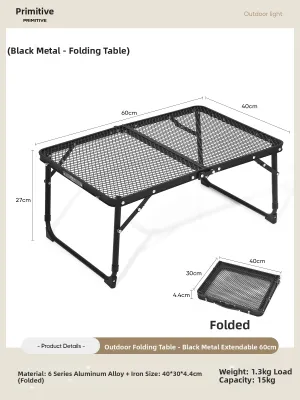
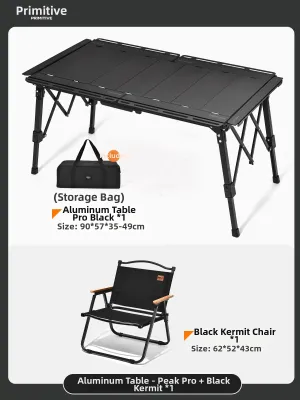
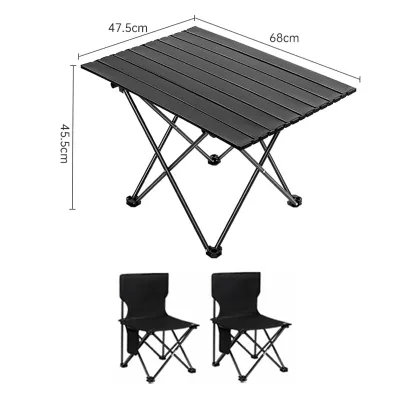
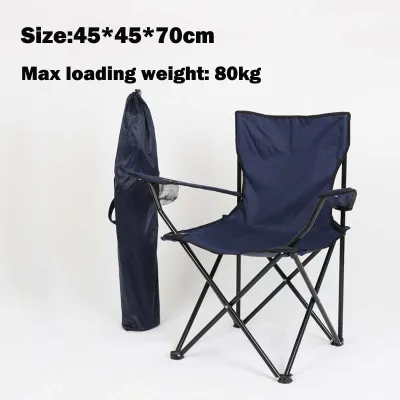
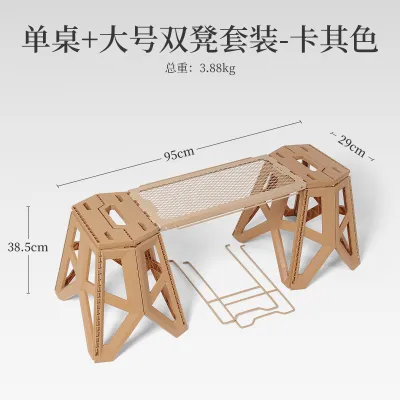
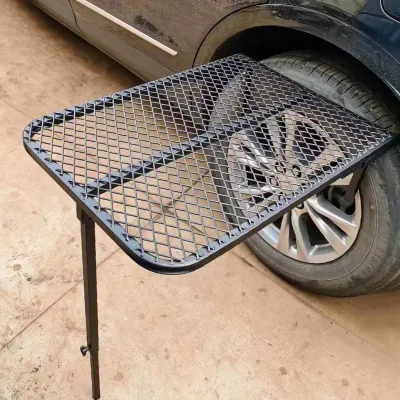
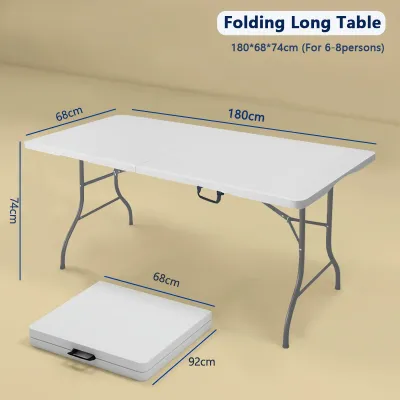
Prices are valid at publication and may change. Please refer to the product page for the latest price.
Evaluating Frame Materials for High Humidity and Heavy Rain
The frame of an outdoor portable folding table serves as its structural backbone, bearing weight while remaining in direct contact with wet ground. In the Philippines, where sudden downpours can quickly flood outdoor spaces, the frame material must resist both surface rust and structural weakening. Rather than looking for a single “perfect” material, buyers should evaluate frames based on verifiable specifications, protective treatments, and joint construction.

While budget-friendly folding tables on major online marketplaces typically range from ₱1,500 to ₱4,000, the difference in durability within this price band often comes down to the frame’s protective finish. Before making a purchase, always inspect the manufacturer’s labels for specific weather-resistance ratings, coating thicknesses, or rust-warranty terms to protect your investment.
Metal Frames: Aluminum, Steel, and Iron
Steel and iron frames are highly valued for their exceptional weight capacity and wind resistance, making them excellent choices for busy outdoor dining setups or commercial stalls. However, raw steel and iron have virtually no natural resistance to rust when exposed to persistent tropical moisture. To survive the rainy season, these metals must be treated with robust industrial barriers, such as multi-layer powder coating, electro-coating (e-coating), or hot-dip galvanization.
When choosing a steel or iron frame, inspect the entire surface for a smooth, uniform finish. Even a minor scratch or chip from daily folding can allow moisture to reach the underlying carbon steel, leading to rapid rust that bubbles the paint and compromises the frame’s structural integrity. If you plan to fold and transport the table frequently, a powder-coated steel frame requires careful handling to prevent these protective layers from chipping.
Aluminum is a highly popular alternative for portable tables because it is lightweight, easy to carry, and naturally resistant to red rust. When aluminum is exposed to air, it forms a microscopic oxide layer that shields the metal from deep corrosion, making it highly suitable for high-humidity and coastal environments. However, aluminum is not entirely maintenance-free; it can still develop white, powdery surface oxidation if left wet for extended periods.
Furthermore, aluminum frames are highly susceptible to galvanic corrosion if they are assembled with incompatible hardware, such as untreated carbon steel screws or rivets. When rainwater acts as an electrolyte between these two different metals, the aluminum around the joint degrades rapidly. To prevent this, check the product specifications to ensure the table utilizes stainless steel or brass fasteners, or that non-conductive synthetic washers separate the metal components.
Non-Metal Frames: Plastics, Resins, and Woods
Non-metal frames offer a distinct advantage in wet climates because they are completely immune to rust, eliminating one of the most common causes of outdoor furniture failure. High-density plastics and synthetic resins are highly favored for portable tables because they are lightweight, affordable, and easy to clean. However, low-grade plastics can degrade quickly when subjected to the intense heat and heavy rain cycles of the tropics.
Without proper chemical stabilization, prolonged exposure to ultraviolet (UV) radiation breaks down plastic polymers, causing the frame to become brittle, fade, and warp under load. When selecting a plastic or resin folding table, look for product labels that explicitly mention UV-inhibitors (such as UV-8 or higher) and high-impact resistance. These additives ensure the frame retains its strength and flexibility despite alternating sun and rain.
Wood frames provide a classic, premium aesthetic but require the most active maintenance to survive high humidity. To prevent wood from absorbing water, swelling, warping, and developing mold, the frame must be constructed from naturally dense, oil-rich hardwoods like teak or eucalyptus, or utilize thoroughly pressure-treated timber. Unfinished or poorly sealed softwoods will quickly rot when exposed to continuous rain.
Even high-quality wood frames must be treated with marine-grade sealants or water-repellent coatings to withstand heavy downpours. Before purchasing a wooden folding table, verify that the wood has been certified for outdoor use and review the manufacturer’s care instructions. Keep in mind that wooden frames will require you to periodically reapply protective oils or sealants to maintain their water resistance.
Selecting Weather-Resistant Tabletop Surfaces
The tabletop surface bears the direct impact of rainfall, UV rays, and daily wear, making its material composition critical to the table’s overall lifespan. High-density polyethylene (HDPE) is one of the most reliable and common materials used for the top of an outdoor portable folding table. HDPE is entirely non-porous, meaning it will not absorb water, swell, or harbor mold and mildew, which are common issues during the humid Philippine rainy season.
When shopping for HDPE tables, ensure the plastic is blow-molded with a double-wall construction for structural rigidity and contains UV-stabilized additives to prevent yellowing and cracking. For those preferring a metal tabletop, aluminum slats or powder-coated steel panels are popular options, but they require careful inspection of the edges. Raw, unsealed edges on metal panels can trap water, leading to localized rust that spreads inward under the protective coating.
Tempered glass tops offer a sleek, modern look and are completely impervious to water damage, but they add significant weight to a portable table and carry a risk of shattering if dropped during transport. If you choose glass, verify that it is secured within a protective, rust-resistant metal frame to shield the vulnerable edges from impact.
One of the most critical structural design factors for any tabletop is how it handles water accumulation. Solid, perfectly flat surfaces naturally allow water to pool during heavy downpours, which accelerates the degradation of sealants and increases the risk of water seeping into joints. In contrast, slatted designs or textured surfaces with built-in drainage channels allow rainwater to run off quickly, keeping the surface drier and reducing long-term moisture damage.
Avoid any folding tables that feature porous fabrics, untreated canvas, or internal particleboard cores, as these materials trap moisture, swell rapidly, and quickly become breeding grounds for mold.
Critical Design Features That Prevent Water Damage
Beyond raw materials, the physical engineering of an outdoor portable folding table determines how well it survives the damp Philippine climate. A table made of premium rust-resistant metals can still fail prematurely if its structural design allows water to collect inside the frame or around moving parts.
When evaluating a table, pay close attention to the ends of the metal tubes that make up the legs and frame. High-quality outdoor tables feature tightly sealed or capped tube ends, usually made of durable rubber or heavy-duty plastic, to prevent rainwater and humid air from entering the hollow interior. If water gets trapped inside these tubes, it causes internal rusting that is impossible to see until the frame structurally fails and collapses.
Additionally, inspect the folding mechanisms, hinges, and locking pins, which are the most vulnerable points for moisture retention. The best outdoor folding tables utilize stainless steel, brass, or heavily zinc-plated hardware that resists rust even when repeatedly submerged or exposed to high humidity. Ensure that the folding joints operate smoothly without tight, enclosed pockets where water can pool and remain trapped for days after a storm.
Look for designs that incorporate slightly raised feet or non-slip rubber caps on the bottom of the legs, which keep the metal frame from sitting directly in puddles on your patio or lawn. Some advanced models also feature a subtle crown or slight tilt in the tabletop panels to encourage natural water runoff, ensuring that moisture never has a chance to sit and cause damage.
Maintenance and Storage During the Rainy Season
Even the most weather-resistant outdoor portable folding table requires regular care to maximize its operational life during the harsh monsoon months. Establishing a simple, low-risk maintenance routine prevents dirt buildup, which can trap moisture against the surface and accelerate corrosion.
After any exposure to heavy rain, wipe down the tabletop and frame with a soft cloth, mild dish soap, and clean water to remove acidic rainwater residue, dirt, and organic debris. It is absolutely crucial to allow the table to dry completely in a well-ventilated area before folding and storing it, as trapping moisture inside a folded table creates a highly humid microclimate that fosters rapid mold growth and rust.
When storing the table outdoors or in a semi-sheltered area like a carport, avoid wrapping it tightly in non-breathable plastic tarps, which trap rising ground moisture and condensation inside. Instead, use high-quality, breathable, waterproof furniture covers that allow air to circulate while keeping direct rain off the table.
For long-term storage during the worst weeks of the wet season, keep the folded table off the wet ground in a dry, shaded indoor space or storage shed. Always consult the manufacturer’s specific care guidelines before applying any aftermarket products, such as rust converters, protective waxes, or wood oils, to ensure you do not inadvertently damage the existing finishes or void your warranty.
Frequently Asked Questions (FAQ)
Can I leave my outdoor folding table outside all year round?
While many high-quality outdoor portable folding tables are marketed as weather-resistant, leaving them exposed to constant rain, extreme humidity, and intense tropical sun year-round is not recommended. Over time, continuous exposure accelerates the breakdown of UV stabilizers in plastics, degrades protective coatings on metals, and wears down wooden sealants. To maximize the lifespan of your table, fold and store it in a dry, sheltered location during prolonged periods of non-use, or protect it with a heavy-duty, breathable waterproof cover.
How do I remove early rust spots from a metal folding table?
If you notice early surface rust forming on a steel or iron frame, address it immediately using gentle, low-risk methods to prevent it from spreading. Lightly scrub the affected area with a soft-bristled brush or a mild abrasive pad dipped in a mixture of water and mild soap, taking care not to scratch the surrounding intact paint. Once the loose rust is removed, wipe the area clean, let it dry completely, and apply a small touch-up of matching outdoor-grade rust-inhibiting paint. Avoid using harsh chemical rust removers, wire wheels, or steel wool, as these aggressive tools can strip away the remaining protective coatings and worsen the problem; always check the manufacturer’s care instructions first to preserve your warranty.

Community discussion
Share your experience or ask a question. Comments are reviewed before publication.