
Moving to a new home in the Philippines—often called lipat bahay—is an exciting milestone, but it also presents the unique challenge of maximizing space in your new layout. Whether you are moving into a compact condominium in Metro Manila, a multi-story townhouse, or a provincial family home, finding the right slim storage cabinet organizer can make or break your transition. These narrow storage units are designed to slide into underutilized gaps, turning awkward corners into highly functional pantries, utility closets, or bathroom organizers. However, a slim organizer is only as good as its ability to survive the moving process and fit seamlessly into your new environment.
To ensure your investment survives the journey and serves you well, you must look beyond aesthetics. The ideal slim storage cabinet organizer must be durable enough to withstand bumpy transit, light enough to carry up narrow stairwells, and versatile enough to adapt to changing room configurations. By focusing on structural integrity, smart dimensions, and ease of assembly, you can select organizers that simplify your packing process and instantly bring order to your new home from day one.
What Makes a Slim Organizer Practical for Moving?
When preparing for a lipat bahay, the practicality of your furniture is tested long before it reaches its final spot. A slim storage cabinet organizer must be evaluated through the lens of mobility and durability. The first critical factor is how the unit’s exterior dimensions compare to the physical constraints of your moving route. Standard doorways, narrow hallways, tight elevator cabins, and winding stairwells in Philippine homes can easily block bulky furniture, but even slim units can get wedged if they are excessively tall or rigid. Choosing a unit that can navigate these tight clearances without scraping walls is essential.
Products mentioned in this guide
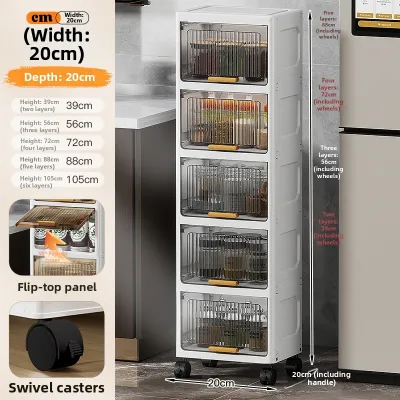

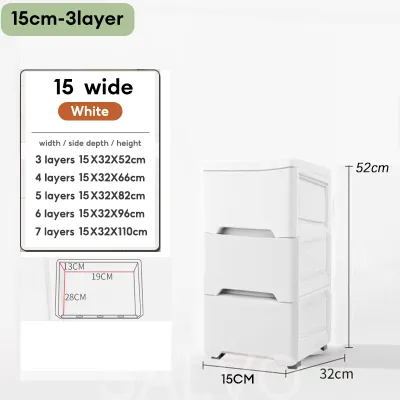
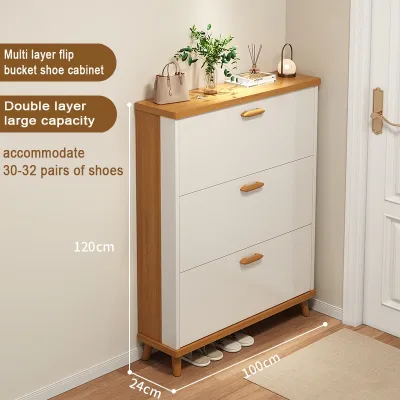
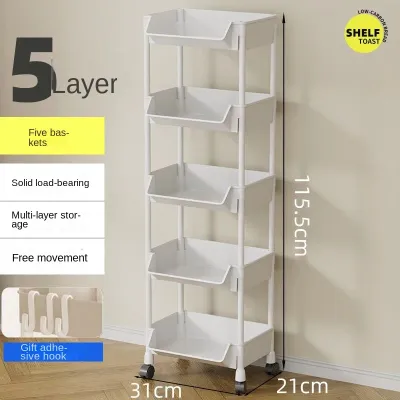
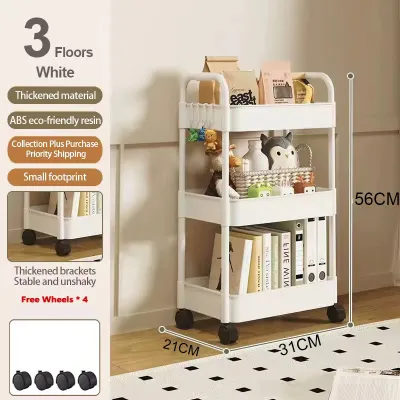
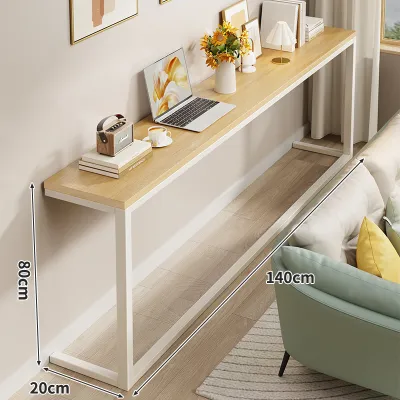
Prices are valid at publication and may change. Please refer to the product page for the latest price.
Portability is another major consideration during a move. Look for slim organizers that feature built-in handles, molded grips, or heavy-duty caster wheels. These features allow you to roll the unit directly to the moving truck or lift it safely without straining your back. If the organizer is made of lightweight materials like high-grade polypropylene plastic, it becomes significantly easier to carry up several flights of stairs, which is a common scenario in walk-up apartments or townhouses.
The ease of assembly and disassembly can save you hours of frustration during a move. Flat-packed slim cabinets or modular units that snap together without complex hardware are highly practical. If a cabinet can be easily disassembled into flat panels, it will occupy minimal space in the moving vehicle, reducing the number of trips you need to make. Conversely, if you prefer a pre-assembled unit, ensure its joints are reinforced so it does not warp or loosen under the stress of transport.
Finally, consider the resilience of the materials and joint construction. The tropical climate in the Philippines brings high humidity, which can weaken low-quality engineered wood or cause cheap metal frames to rust. During transit, your furniture will experience vibrations, sudden stops, and potential stacking pressure inside the truck. Opt for organizers with robust joints, such as interlocking plastic tabs or reinforced metal screws, and finishes that resist moisture and scratching. This ensures the unit arrives at your new home in the same functional condition it left the old one.
How to Measure Tight Spaces Before You Buy
One of the most common mistakes when purchasing a slim storage cabinet organizer is relying on visual estimation. A gap beside your refrigerator or washing machine might look wide enough, but even a discrepancy of a few millimeters can render a new organizer useless. To avoid this, you must employ precise measuring techniques. Use a metal measuring tape rather than a flexible cloth one, as metal tapes remain rigid and provide accurate straight-line measurements across deep gaps. Measure the width, depth, and height of the target space at three different points: near the floor, in the middle, and at the top, as walls and floors are rarely perfectly straight.

When measuring, you must account for hidden obstacles that reduce the usable space near the floor and walls. Baseboards, skirting boards, wall moldings, and tile trim can easily shave off one to two centimeters of width at the bottom of a gap. Additionally, look out for electrical outlets, light switches, water valves, and protruding pipes. If your slim cabinet needs to sit flush against the wall, these fixtures will dictate the maximum depth and height you can afford.
It is equally important to distinguish between the exterior footprint of the organizer and its interior storage capacity. Product listings often highlight the outer dimensions to help you fit the unit into a gap, but the actual storage shelves inside will be narrower due to the thickness of the cabinet walls and frame. If you plan to store specific items, such as large laundry detergent bottles, cooking oil canisters, or stacked spice jars, verify that the internal shelf width and height can accommodate them.
Lastly, plan for operational clearances in your new layout. A slim cabinet might fit perfectly into a narrow niche, but you must be able to access its contents. Ensure there is sufficient clearance for cabinet doors to swing open fully without hitting adjacent walls or appliances. If the organizer features pull-out drawers or sliding tiers, measure the space in front of the unit to guarantee you can pull them out completely without blocking walkways or standing in an awkward, cramped position.
Which Slim Organizer Structure Fits Your Needs?
Choosing the right structure for your slim storage cabinet organizer depends on your specific storage goals, the layout of your new home, and how often you plan to move. Rolling utility carts are an excellent choice for high-mobility areas like kitchens and bathrooms. These units typically feature multiple open tiers and smooth-rolling wheels, allowing you to slide them out of tight gaps to access items and roll them away when finished. However, they require flat, even floor clearance to operate smoothly, and you must ensure they have reliable wheel-locking mechanisms to prevent them from rolling unexpectedly on slightly sloped floors.
If you prioritize flexibility, stackable modular bins offer a highly adaptable solution. These systems consist of individual storage boxes that lock onto one another, allowing you to customize the height and configuration to match your changing needs. They are incredibly convenient for moving because you can simply unstack them, transport them as individual boxes, and reassemble them in minutes. The trade-off is that they lack a unified, rigid frame, which means they may not look as seamless as a traditional cabinet and can become unstable if stacked too high without proper support.
For a more permanent and polished look, freestanding narrow shelving units or slim wooden cabinets are ideal. These structures provide excellent vertical storage, making them perfect for holding books, pantry staples, or folded linens in narrow hallways. Because they are taller and heavier, they offer a more stable and premium feel. However, they require careful disassembly before a move to prevent structural damage, and they must be securely anchored to the wall to eliminate any risk of tipping over.
When floor space is completely unavailable, over-the-door or hanging organizers present a clever alternative. These organizers utilize the unused vertical space on the backs of pantry, bedroom, or bathroom doors. They require zero floor footprint and are incredibly easy to pack—you simply fold them up and place them in a box. However, their storage capacity is strictly limited by the weight capacity of your door hinges and the strength of the organizer’s hooks, making them unsuitable for heavy bottles or bulky household items.
How to Pack and Transport Slim Cabinets Safely
The transit phase of your lipat bahay is when your furniture is most vulnerable to damage. To protect your slim storage cabinet organizer, start by disassembling any removable components. Take out adjustable shelves, pull out drawers, and remove loose hardware like handles or pegs. Place all screws, brackets, and small fasteners into a sealable plastic bag, label it clearly with a marker, and tape the bag securely to the inside of the cabinet frame. This prevents vital parts from getting lost in the chaos of the move.
Next, protect the exterior surfaces and vulnerable edges of the organizer. Wrap the entire unit in protective materials such as bubble wrap, moving blankets, or thick corrugated cardboard, paying extra attention to the corners, which are prone to chipping. If your slim cabinet features glass panels or delicate finishes, double the wrapping layer to cushion them against sudden impacts. Secure the wrapping tightly with packing tape, ensuring the tape only touches the protective wrap and not the furniture itself to avoid leaving sticky residue or peeling off paint.
For units that cannot be fully disassembled, you must secure all moving parts to prevent them from sliding open during transit. Use high-quality stretch wrap or non-damaging painter’s tape to hold cabinet doors and drawers firmly shut. If doors swing open inside the moving truck, they can easily bend their hinges, break glass elements, or cause the entire vehicle load to shift, creating a safety hazard for the movers.
When loading the moving vehicle, treat slim, tall organizers with extra care. Because of their narrow bases, these items are inherently top-heavy and prone to falling over if left freestanding. Position them flat on their backs or sides if space permits, placing them on top of heavier, sturdier boxes to prevent them from being crushed. If they must stand upright, wedge them securely between wide, heavy furniture pieces like wardrobes or sofas, and use tie-down straps to anchor them to the walls of the truck so they cannot slide or tip during sudden stops.
Setting Up and Securing Your Organizers in the New Home
Once you arrive at your new home, the installation process begins. Before loading your slim storage cabinet organizer with household items, you must ensure it sits on a perfectly level surface. Many Philippine homes feature tiled or concrete floors that may have slight slopes or uneven grout lines. Use a bubble level to check the cabinet’s alignment. If it wobbles or tilts, adjust the built-in leveling feet if available, or place sturdy plastic shims under the base until the unit is completely stable. An uneven base puts constant structural stress on the joints, which can lead to warping over time.
Securing tall, narrow cabinets to the wall is a non-negotiable safety step, especially in households with children or pets. Because slim organizers have a narrow footprint, they have a high center of gravity and can easily tip forward if a drawer is pulled too hard or if someone climbs on the shelves. Use the anti-tip brackets or wall straps provided by the manufacturer to anchor the unit directly to a wall stud or solid concrete wall. If you are renting and cannot drill into the walls, consider using heavy-duty, damage-free adhesive furniture anchors designed for this purpose.
Smart weight distribution is another simple yet highly effective way to improve the stability of your organizer. Always place your heaviest items—such as gallon-sized liquid detergents, heavy canned goods, or stacks of plates—on the very bottom shelves. Reserve the middle and upper shelves for lightweight items like spices, paper towels, or toiletries. This lowers the overall center of gravity, making the cabinet much less likely to wobble or tip when you open the doors or drawers.
Finally, take the time to inspect the structural integrity of the organizer after reassembling it in your new space. Check all joints, screws, and fasteners to ensure they are tight and have not been stripped or loosened during the move. Verify the manufacturer’s specified load limits for each shelf and avoid overloading them, as sagging shelves can compromise the entire frame. Regular maintenance, such as tightening loose screws every few months, will keep your slim organizer safe and functional for years.
Frequently Asked Questions (FAQ)
How do I prevent a tall slim cabinet from tipping over?
To prevent a tall, slim cabinet from tipping, you should always anchor it securely to the wall using anti-tip brackets, straps, or safety anchors. Ensure the unit is perfectly level on the floor by adjusting its feet or using shims, as even a minor tilt increases the risk of a fall. Additionally, practice proper weight distribution by placing your heaviest items on the bottom shelves to lower the center of gravity, and avoid pulling out multiple drawers at the same time.
Can I keep items inside slim organizers while moving?
It is highly recommended to completely empty your slim organizers before moving. Transporting a cabinet with items inside increases its overall weight, making it harder to carry and putting immense stress on the joints and frame during transit. Loose items can shift violently inside, altering the center of gravity and causing the unit to tip over, break, or jam its drawers. The only exception is lightweight, non-fragile items packed inside secure, modular bins that are taped shut and transported separately from the main cabinet frame.
Community discussion
Share your experience or ask a question. Comments are reviewed before publication.