
Finding the right kitchen cabinets for a compact home in the Philippines requires balancing durability, space optimization, and resistance to high humidity. Aluminium kitchen cabinets have become a premier choice for small kitchens because they do not swell when exposed to moisture, resist pests like termites, and offer sleek, thin profiles that maximize every millimeter of storage. To select the best option, you must focus on precise physical measurements, smart internal configurations, and high-quality hardware that ensures smooth operation in tight quarters.
Assessing Your Compact Kitchen Layout and Clearances
Before browsing cabinet designs, you must establish the exact physical boundaries of your kitchen. Start by measuring the floor area and ceiling height at multiple points. In many Philippine condominiums and townhouses, walls are rarely perfectly plumb, and structural concrete pillars often protrude into the room. Documenting these irregularities early prevents you from ordering rigid metal units that cannot sit flush against the wall.
Next, calculate the necessary operational clearances. A small kitchen quickly becomes unusable if cabinet doors or drawers block walkways when opened. Ensure there is at least 90 to 120 centimeters of open space in front of your cabinets to allow a person to pass comfortably. Measure the swing radius of your refrigerator, oven, and microwave doors, and verify that your cabinet drawers can extend fully without colliding with these appliances or adjacent walls.
Products mentioned in this guide
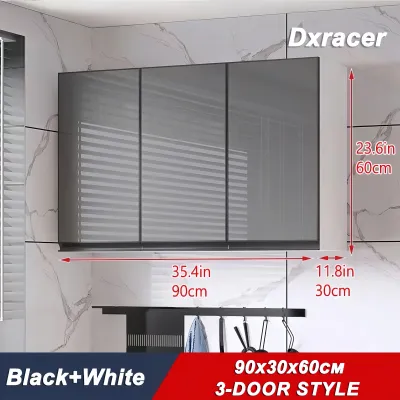
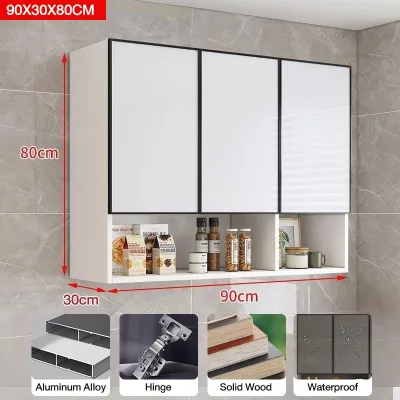
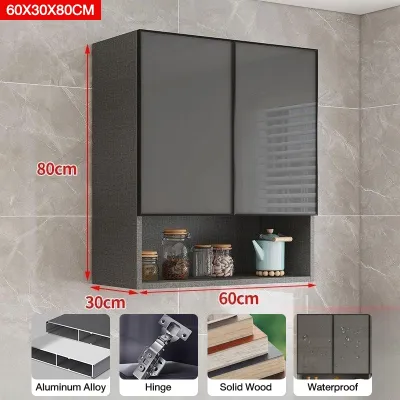
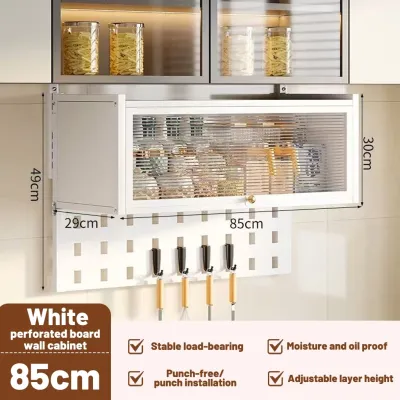
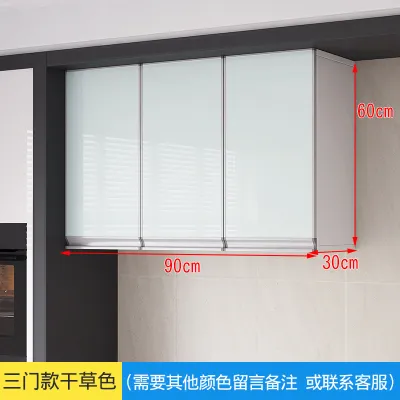
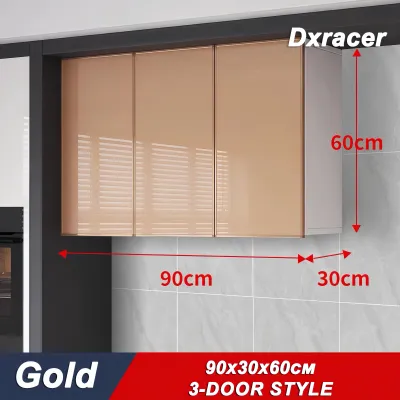
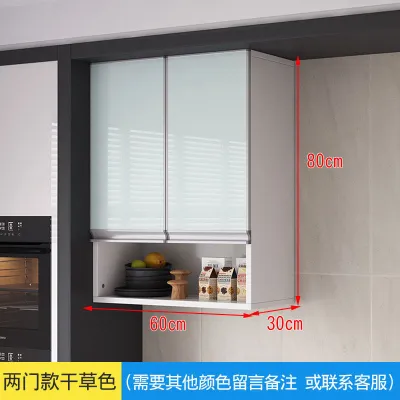
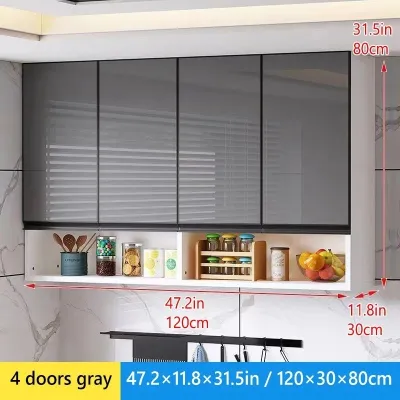
Prices are valid at publication and may change. Please refer to the product page for the latest price.
Finally, map out the fixed utility zones. Note the exact locations of plumbing lines, grease traps, electrical outlets, gas tank storage, and range hood ventilation ducts. Aluminium cabinets are highly customizable, but cutting holes for pipes or wires after fabrication can compromise their structural integrity. Identifying these zones beforehand allows you to request pre-routed service panels from your supplier, keeping your installation clean and safe.
Space-Saving Configurations for Aluminium Cabinetry
Maximizing a small kitchen layout requires shifting your storage strategy from horizontal expansion to vertical efficiency. Tall, ceiling-reaching aluminium cabinets are excellent for utilizing the often-wasted space near the ceiling. These high shelves can house seasonal items, extra cookware, or bulk pantry goods, keeping your daily-use countertops completely clear.

Corner areas in compact L-shaped or U-shaped kitchens frequently become dead zones where items are lost or unreachable. To solve this, look for aluminium cabinets equipped with integrated corner mechanisms, such as rotating carousels or articulated pull-out trays. These systems bring hidden corner contents directly into view, ensuring no storage space goes unused.
When deciding between wall-mounted and floor-standing units, consider both structural support and visual weight. Wall-mounted aluminium cabinets create an airy, open feel by keeping the floor clear, which makes a small room appear larger. However, you must verify that your walls can support the weight of both the metal frames and their contents. Floor-standing units provide robust stability for heavy pots and pans, but they occupy valuable floor space.
For ultra-compact layouts, look for specialized space-saving features like toe-kick drawers and shallow shelving. Toe-kick drawers utilize the empty space beneath lower cabinets, turning a structural gap into a flat drawer for baking sheets or placemats. Shallow shelving units, measuring just 15 to 20 centimeters deep, can be installed in narrow gaps between appliances or walls to hold spice jars, condiments, and small kitchen tools.
Evaluating Aluminium Cabinet Features for Small Spaces
Not all aluminium cabinets are manufactured to the same standard, so you must carefully evaluate material specifications before making a purchase. Examine the manufacturer’s product labels for the aluminium profile thickness and the type of surface treatment applied. Anodized or powder-coated finishes are essential in tropical climates, as they protect the metal from oxidation, salt-air corrosion, and daily wear while making the surfaces easy to wipe down.
The longevity of your cabinetry in a tight space depends heavily on its moving parts. Select high-quality, space-efficient hardware such as soft-close hinges, heavy-duty sliding tracks, and pull-down overhead racks. Sliding cabinet doors are particularly beneficial in narrow galleys because they do not swing outward into your walking path. Pull-down racks allow shorter users to access high wall cabinets safely without needing a step stool.
Internal modularity is another critical factor for small-scale storage. Look for cabinets that feature adjustable shelf peg systems and customizable drawer dividers. This flexibility allows you to reconfigure the interior layout as your storage needs change, preventing wasted vertical space between short items like cups and bowls.
Before finalizing your order, review the manufacturer’s warranty terms, delivery conditions, and assembly requirements. Some aluminium cabinets are delivered as fully welded, pre-assembled modules, while others arrive as flat-pack kits requiring on-site assembly. Confirm whether the supplier provides professional installation services, as aligning metal frames precisely requires specialized tools and expertise.
Installation and Safety Checks for Compact Layouts
Installing heavy cabinetry in a restricted space demands strict attention to structural safety. When mounting aluminium units to walls, you must verify the wall’s composition. Solid concrete or brick walls can support heavy loads when paired with expansion bolts, whereas hollow block walls or drywall partitions require specialized anchors or reinforcing studs to prevent the cabinets from pulling away from the wall.
Adequate ventilation is another critical safety consideration in compact kitchens. Built-in appliances, such as ovens, microwaves, and refrigerators, generate significant heat during operation. Ensure your cabinet layout leaves the manufacturer-recommended clearance gaps around these appliances to allow hot air to escape, preventing overheating and potential fire hazards.
Before delivery day, measure the physical path the cabinets must travel to reach your kitchen. Check the widths of all doorways, stairwells, elevator cabins, and hallway corners. Because aluminium frames are rigid and cannot be flexed around tight corners like wood or laminate, ensuring clear access is vital to avoid damage to your home or the new cabinetry.
If your installation requires moving water pipes, gas lines, or electrical outlets, do not attempt to DIY these modifications. Stop and consult a licensed plumber or electrician. Modifying utility lines in a confined space without professional oversight can lead to leaks, electrical shorts, or compliance issues with your building’s management.
Frequently Asked Questions (FAQ)
Do aluminium cabinets dent easily in high-traffic small kitchens?
Aluminium cabinets designed for kitchen use are constructed from structural alloys engineered to resist daily impacts. To ensure durability, check the manufacturer’s specifications for the profile gauge thickness; thicker profiles offer significantly higher resistance to dents and warping. You can also request a material cross-section sample from the supplier to physically inspect the rigidity of the frame. To keep the surface looking pristine, clean the panels using a soft microfiber cloth and mild soapy water, avoiding abrasive scouring pads or harsh chemical cleaners that can scratch the protective powder coating.
Can I mix aluminium cabinets with other materials to optimize my budget?
Yes, creating a hybrid kitchen layout is an excellent way to balance your budget while enjoying the benefits of aluminium. A practical strategy is to install aluminium cabinets in high-moisture zones, such as the under-sink area and around the cooking range, where water exposure and grease are common. You can then use cost-effective materials like marine plywood or melamine for the upper wall cabinets. When mixing materials, verify that the colors, textures, and edge-banding of the different units complement each other, and use identical hardware handles throughout the space to maintain a cohesive, unified design.
Community discussion
Share your experience or ask a question. Comments are reviewed before publication.