
To maximize a small Filipino kitchen, the best kitchen storage cabinets—often searched locally as a kabinit kitchen setup—are those that prioritize vertical space, offer flexible modular configurations, and feature high moisture resistance to withstand tropical humidity. Finding the right cabinet involves balancing physical footprint with smart internal organization. By focusing on smart configurations like wall-mounted units, slim pull-out pantries, and mobile carts, you can transform a cramped cooking area into an efficient, organized workspace. This guide outlines the essential steps to evaluate your space, select durable materials, and choose the ideal cabinet configuration for your home.
Assessing Your Kitchen Space and Storage Needs
Before buying any cabinet, precise measurement is your first line of defense against costly mistakes. Measure the available floor width and depth, but do not stop there. Measure the vertical clearance from floor to ceiling, and note the locations of existing fixtures like windows, light switches, electrical outlets, and plumbing lines. Ensure there is enough clearance for cabinet doors and drawers to swing or slide open fully without hitting appliances like the refrigerator, stove, or dining table. Don’t forget to measure your doorways, hallways, and stairwells to ensure the cabinet can actually be delivered into your kitchen.
Next, categorize your kitchen items by how often you use them. Daily essentials like rice cookers, plates, and cooking oil should reside in the “active zone”—typically between hip and shoulder height. Less frequently used items, such as large stockpots for family gatherings, extra pantry stock, or seasonal appliances, can go into high-reach upper shelves or deep base corners. Grouping items this way helps you determine exactly how many open shelves, drawers, and closed cabinets you need.
Products mentioned in this guide
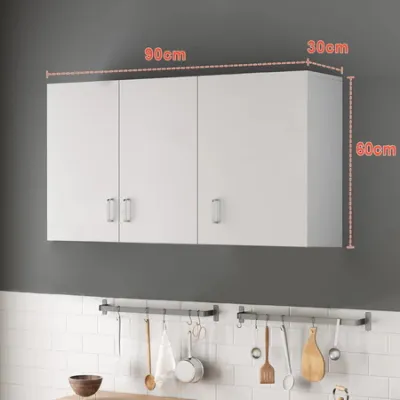
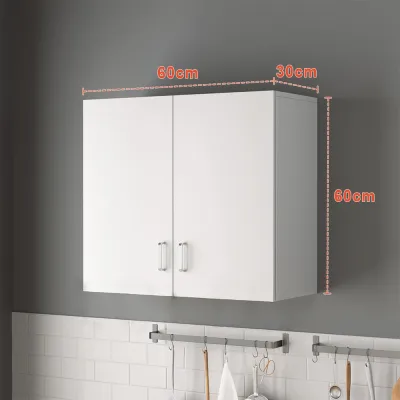
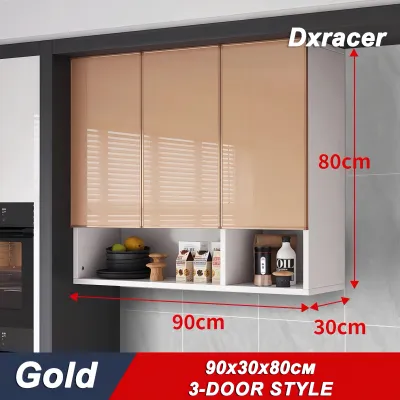
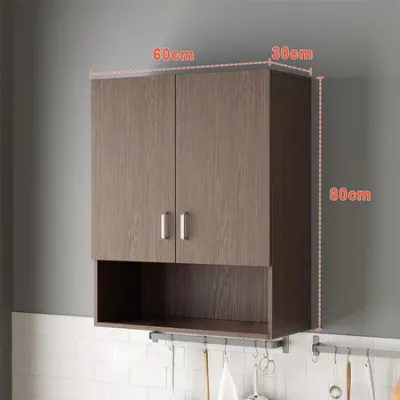
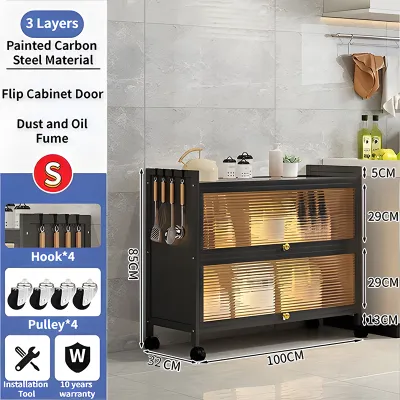
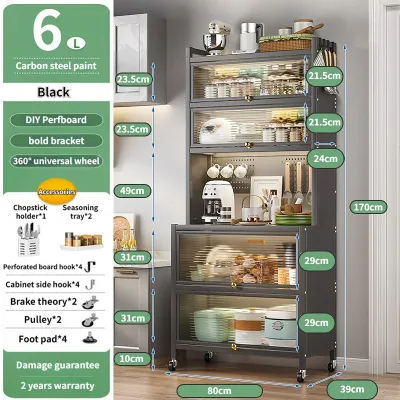
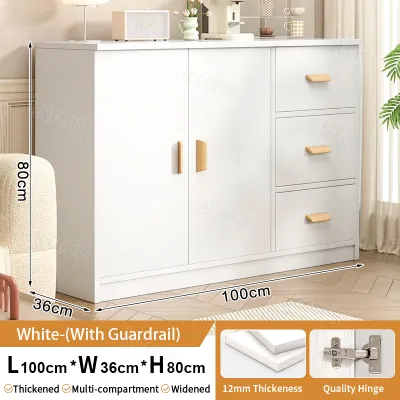
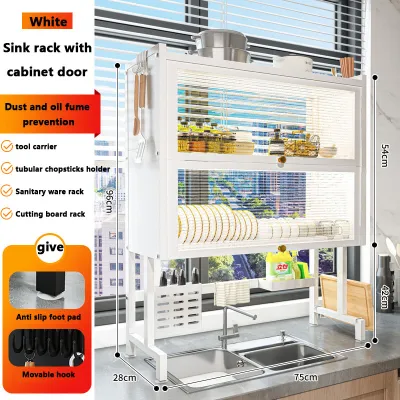
Prices are valid at publication and may change. Please refer to the product page for the latest price.
Small Filipino kitchens often feature awkward layouts, structural pillars, or narrow gaps between appliances. Instead of leaving these spaces empty, identify how specialized cabinet solutions can reclaim them. A narrow 15-centimeter gap next to a refrigerator is an ideal spot for a slim, slide-out spice rack or pantry tower, while an awkward corner can be utilized with a diagonal cabinet. Mapping out these challenging areas beforehand prevents you from purchasing standard cabinets that simply will not fit.
Key Features to Look for in Compact Kitchen Cabinets
When floor space is limited, the only way to expand your storage is upward. Look for tall pantry units that stretch toward the ceiling or modular wall cabinets that can be stacked. Utilizing this vertical space allows you to store items that are only needed occasionally, keeping your primary countertops clear for meal preparation. Tall units also draw the eye upward, making a small kitchen feel loftier and more spacious than it actually is.

Internal organization is what separates an average cabinet from a highly efficient one. Look for units equipped with pull-out shelves, lazy Susans for corner access, tiered drawer inserts, and door-mounted racks. These features prevent items from getting lost in the dark depths of deep shelves, allowing you to utilize every cubic inch of the cabinet interior. Instead of stacking plates and bowls precariously, internal organizers keep everything visible and within arm’s reach.
Multi-functional designs are incredibly valuable in compact spaces. Consider cabinets that incorporate fold-down prep tables, which provide extra workspace when needed and fold flat when not in use. Integrated appliance garages with roll-up doors can keep small appliances like blenders, air fryers, or coffee makers tucked away but easily accessible, reducing visual clutter on your main countertops. Look for designs that serve at least two purposes to maximize your investment.
Types of Space-Saving Cabinet Configurations
Wall-mounted and floating cabinets are excellent for keeping floor space completely clear. By lifting the storage off the ground, you make the kitchen feel visually larger and significantly easier to sweep and mop. This configuration is particularly useful in narrow galley kitchens where floor space is at a premium. Floating cabinets also allow you to utilize the space underneath for temporary storage, such as placing a step stool or a small trash bin.
For base storage, cabinets featuring deep, full-extension drawers are generally superior to standard swing-door cabinets with fixed shelves. Full-extension drawers pull out completely, exposing everything stored inside—even heavy pots, pans, and clay cooking vessels—without requiring you to get on your hands and knees to search the back. This setup ensures that no items are forgotten or left to gather dust in hard-to-reach corners.
Mobile kitchen carts and freestanding utility cabinets offer flexible storage and temporary prep space without the commitment of a permanent installation. These mobile units can be rolled into a corner or an adjacent room when more floor space is needed, making them highly adaptable for rental properties or changing kitchen layouts. Many carts feature lockable casters, ensuring they remain stable and secure while you chop vegetables or prep meals.
Corner spaces are notoriously difficult to access, often becoming “dead zones” where plastic containers go to disappear. Look for corner cabinet solutions equipped with diagonal doors, magic corners, or pull-out kidney-shaped shelves. These mechanisms bring the contents of the corner out into the light, maximizing storage efficiency. Utilizing these specialized corner units ensures that no valuable space is wasted in your kitchen layout.
Material and Durability Checks for Tropical Climates
The tropical climate in the Philippines presents unique challenges for furniture, particularly in high-moisture areas like the kitchen. High humidity and ambient heat can cause low-quality materials to warp, swell, or degrade rapidly. When shopping for engineered wood, medium-density fiberboard (MDF), or laminates, check the manufacturer’s specifications for moisture-resistance ratings. Look for materials specifically treated for high-humidity environments to ensure long-term durability.
Hardware quality is just as critical as the cabinet structure itself. Look for rust-resistant hinges, soft-close drawer slides, and corrosion-proof handles made of stainless steel or treated aluminum. In humid environments, cheap metal hardware can rust quickly, leading to squeaky doors, misaligned drawers, and eventual structural failure. High-quality hardware ensures that doors and drawers continue to operate smoothly even after years of exposure to kitchen steam.
Pay close attention to surface treatments, sealants, and edge banding. The edges of cabinet doors and carcasses should be tightly sealed with high-quality PVC or ABS edge banding to prevent water from penetrating the core material. This is especially important for cabinets installed near the sink or stove, where steam and water splashes are common. Inspect the joints and seams of any cabinet before purchasing to ensure there are no gaps where moisture could seep in.
Where to Source and How to Evaluate Options
When sourcing your cabinet, you will generally choose between modular, ready-to-assemble (RTA) options from furniture retailers and custom-built carpentry. Modular cabinets are cost-effective, quick to acquire, and easy to transport, but they come in fixed dimensions. Custom-built carpentry, while typically requiring a higher investment and longer lead times, allows you to design a cabinet that fits your kitchen’s exact dimensions and structural quirks perfectly. Weigh your budget against your kitchen’s specific layout needs to make the best choice.
If you choose to shop on online marketplaces or local e-commerce platforms, read customer reviews carefully and focus on structural feedback rather than shipping speed. Verify the exact shipping dimensions and weight limits listed in the product description. Ensure the seller offers a clear return or replacement policy in case the components arrive damaged or misaligned. Avoid purchasing from sellers who do not provide detailed material specifications or clear assembly instructions.
Whenever possible, visit physical showrooms to evaluate the build quality firsthand. Open and close the doors and drawers to test the smoothness of the slides and hinges. Apply gentle pressure to the sides of the cabinet to check its structural stability and ensure it does not wobble or flex under weight. Checking the finish in person also allows you to verify that the color and texture match your kitchen’s existing decor.
Installation and Safety Considerations
Proper installation is vital to prevent serious accidents, especially with heavy wall-mounted units. Before mounting any cabinet, verify the wall’s construction. If you are mounting to a drywall or plasterboard wall, locate the wall studs using a stud finder; never rely solely on drywall anchors for heavy storage. For concrete or hollow block walls, ensure you use the correct masonry anchors and drill bits. Always check that the cabinet is perfectly level during installation to prevent uneven weight distribution.
Ensure there is adequate clearance and heat dissipation around built-in appliances and active cooking zones. Cabinets installed too close to a gas stove or oven can become scorched or damaged by heat, and restricted airflow can cause appliances to overheat. Maintain the manufacturer-recommended clearance distances at all times to prevent fire hazards and ensure your appliances function efficiently.
Do not hesitate to stop a DIY installation and consult a professional carpenter or contractor if you encounter structural conflicts, such as hidden electrical wiring, plumbing pipes, or uneven walls that prevent proper leveling. A professional installation ensures the cabinet remains securely anchored and safe for daily use. Investing in professional help can save you from costly structural damage or safety hazards down the line.
Frequently Asked Questions (FAQ)
Can I install wall cabinets on hollow block walls?
Yes, you can install wall cabinets on hollow block walls, but it requires specific hardware and preparation. Standard plastic wall plugs are often insufficient for the heavy loads of kitchen storage. Instead, use heavy-duty masonry sleeve anchors or toggle bolts designed specifically for hollow concrete blocks. Before drilling, check the integrity of the wall plaster and ensure the block itself is not crumbling or structurally compromised. If the wall shows signs of deep cracking or moisture damage, consult a professional builder to assess the wall’s load-bearing capacity before proceeding with the installation.
How do I prevent mold inside kitchen cabinets?
Preventing mold in a tropical climate requires active moisture management. Ensure your kitchen has adequate ventilation by using an exhaust hood while cooking and keeping windows open to let steam escape. Regularly inspect the plumbing under your sink base cabinet for minor leaks and repair them immediately. Inside the cabinets, place commercial moisture-absorbing sachets or charcoal dehumidifiers, and avoid storing damp dishes, wet sponges, or damp cleaning cloths in enclosed spaces. Periodically open your cabinet doors during dry, sunny days to allow fresh air to circulate through the shelves.
Community discussion
Share your experience or ask a question. Comments are reviewed before publication.