
Finding the perfect hammock for a small condo balcony in the Philippines requires balancing personal comfort with strict spatial and structural realities. For most compact high-rise balconies, a freestanding hammock chair with a C-stand or a space-saving frame is the most practical and secure choice. These self-supporting designs allow you to enjoy the relaxing sway of a traditional duyan without drilling into walls, violating building policies, or compromising safety. By understanding how to evaluate your balcony’s layout and selecting the right materials, you can create a cozy outdoor retreat that fits your space perfectly.
Assessing Your Balcony Space and Structural Limits
Before purchasing any outdoor furniture, you must accurately measure the physical footprint of your balcony. Use a reliable tape measure to record the total length, width, and overhead clearance of the usable area. Remember that a hammock requires more than just its static dimensions; you must also account for the active swing radius. Ensure there is a clear clearance of at least two to three feet on all sides to prevent the duyan from colliding with concrete walls, sliding glass doors, or balcony railings during use.
Condominium living in the Philippines involves strict property management guidelines designed to maintain building safety and aesthetics. Most condominium associations strictly prohibit drilling into external walls, structural columns, or balcony ceilings, as these actions can damage hidden utility lines or compromise the building’s waterproofing membranes. Before purchasing any hanging hardware, request a copy of your building’s house rules or consult the property management office to verify what modifications are permitted on your balcony.
Products mentioned in this guide

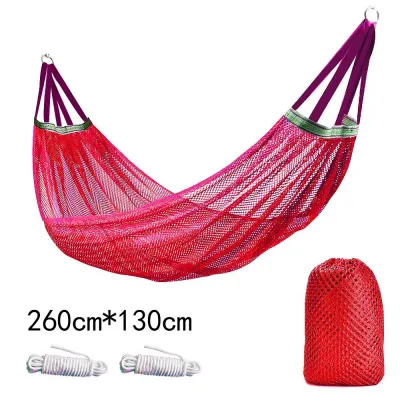
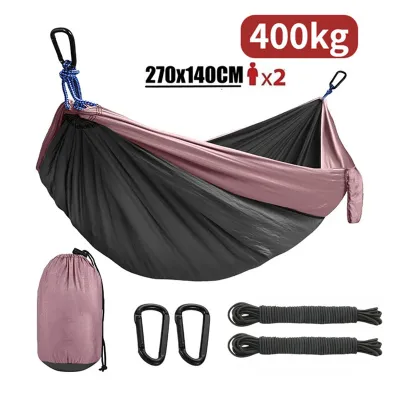
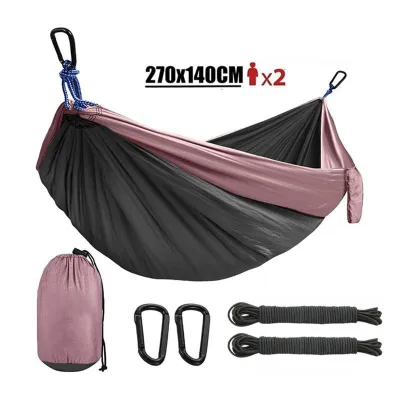
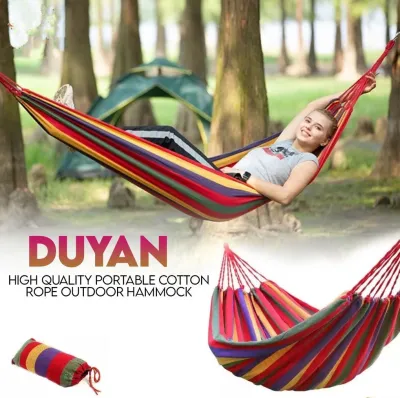



Prices are valid at publication and may change. Please refer to the product page for the latest price.
It is equally critical to evaluate the physical condition and load-bearing capacity of your balcony railings. Railings are engineered primarily as safety barriers to prevent falls, meaning they are designed to resist outward pressure rather than the continuous, dynamic lateral tension created by a swinging hammock. Attaching ropes or straps to these railings can lead to metal fatigue, weld failure, or cracked concrete anchors. Unless a structural engineer or your building’s management has officially certified your railings for load-bearing use, always assume they are unsafe for hanging a duyan.
Comparing Hammock Types for Compact Balconies
Freestanding hammocks that feature integrated metal or wooden stands are highly popular among condo residents because they require zero structural modifications. These systems sit directly on the balcony floor, making them completely independent of the building’s walls and ceilings. However, you must carefully check the total length of the stand before buying. While a traditional double-hammock stand can easily span ten feet or more—often exceeding the length of a standard studio balcony—many manufacturers now offer compact, space-saving frames designed specifically for tight outdoor areas.

For exceptionally narrow balconies or tight corners, a hanging hammock chair paired with a C-stand is often the most efficient option. Because these chairs suspend you in a semi-upright sitting position rather than a fully reclined horizontal posture, they require a significantly smaller footprint and swing radius. This vertical design allows you to tuck the stand neatly into a corner, leaving the rest of your balcony open for potted plants, a small coffee table, or foot traffic, thereby maximizing your limited outdoor living space.
Traditional gathered-end or spreader-bar hammocks—often referred to locally as a classic duyan—provide exceptional comfort but present major installation challenges in a condominium setting. These styles require two secure, distant anchor points that can withstand substantial tension. If you are searching for a traditional hommack duyan style, you must ensure you have a compatible, heavy-duty freestanding frame that can support the fabric without relying on wall mounts. Without verified, approved structural anchor points, attempting to hang a traditional duyan across a small balcony is highly risky and generally impractical.
Key Features to Check Before Buying
When selecting a balcony hammock, always verify the manufacturer’s stated weight capacity directly on the product label or specification sheet. Do not rely on general assumptions about material strength or visual thickness. The weight capacity must comfortably accommodate the user, keeping in mind that sitting down or swinging gently increases the dynamic load placed on the frame and fabric. Checking these official specifications ensures your setup remains safe and stable over time.
The tropical climate of the Philippines presents unique challenges for outdoor furniture, including intense sunlight, high humidity, and heavy seasonal rainfall. Examine the product specifications for frame materials that feature protective finishes, such as powder-coated steel or rust-resistant aluminum, which help prevent corrosion in humid environments. For the fabric, look for synthetic blends designed for outdoor use, and check the care instructions to see if the material requires specific UV-protective treatments or regular washing to prevent mold and mildew.
Space optimization is essential when managing a small balcony, making foldability and storage key considerations. Prioritize hammocks that offer quick-disassembly frames, foldable stands, or detachable fabric beds. Being able to easily break down the stand and store it indoors during typhoons or when you need the balcony space for other activities will extend the lifespan of your furniture and keep your living area versatile.
Safe Installation and Maintenance Practices
Safe enjoyment of your balcony hammock starts with strict adherence to the manufacturer’s assembly and installation instructions. Avoid using makeshift hardware, unapproved s-hooks, or non-climbing ropes to extend the reach of your setup. Every component should be assembled exactly as detailed in the manual to ensure structural stability and weight distribution work as designed.
If you encounter any ambiguity during setup, or if you are unsure whether your chosen placement complies with building safety codes, stop the installation immediately. Consult your condominium’s property management office or hire a qualified professional installer to assess the setup. Taking a cautious approach prevents costly damage to property and avoids potential fines from your building association.
Establish a regular maintenance routine to inspect your hammock for wear and tear. Periodically check the fabric for fraying, loose stitching, or thinning fibers, and examine the metal stand joints for signs of rust, loose bolts, or structural bending. This visual inspection is especially important after periods of heavy rain, high humidity, or strong winds, ensuring that any potential safety issues are caught before you sit down.
Frequently Asked Questions (FAQ)
Can I hang a traditional hammock on my condo balcony railing?
No, you should not hang a traditional hammock or duyan from your condo balcony railing. Balcony railings are engineered to withstand vertical loads and outward pressure to prevent falls, but they are not designed to handle the continuous, dynamic lateral tension and swinging motion generated by a suspended hammock. Using them as anchor points can warp the metal, crack the concrete mounts, or cause catastrophic structural failure. Always check your condominium association’s guidelines and consult property management before attempting to attach any load to your balcony railings.
How do I protect my balcony duyan from heavy rain?
To protect your balcony duyan from heavy tropical rain, use a manufacturer-approved waterproof cover when the hammock is not in use, or choose a model with an easily detachable fabric bed that you can quickly bring indoors. If the frame or fabric does get wet, allow them to dry completely in a well-ventilated area before folding, packing, or storing them away. Storing damp materials in a confined space promotes the growth of mold and mildew, which can permanently damage the fabric fibers and degrade the protective coatings on the metal frame.
Community discussion
Share your experience or ask a question. Comments are reviewed before publication.