
Selecting a bar table set for an outdoor space in the Philippines requires careful consideration of materials. The country’s tropical climate—characterized by intense, year-round solar radiation, high relative humidity, and torrential monsoon seasons—presents a harsh environment for outdoor furniture. Standard indoor materials or low-grade outdoor alternatives will quickly warp, rust, fade, or rot under these conditions.
To ensure your outdoor entertainment area remains functional and visually appealing for years, the best materials for a bar table set are powder-coated aluminum, high-density polyethylene (HDPE) synthetic wicker, and premium grade-A teak or high-quality synthetic lumber. These materials offer the necessary resistance to moisture, ultraviolet (UV) degradation, and structural instability caused by extreme weather shifts.
How the Tropical Climate Affects Outdoor Furniture
The Philippine climate exposes outdoor furniture to a relentless cycle of environmental stressors. During the dry season, the ultraviolet (UV) index frequently reaches extreme levels across the archipelago. This intense solar radiation breaks down the chemical bonds in paints, plastics, and untreated wood fibers, leading to rapid color fading, surface cracking, and structural brittleness.
Products mentioned in this guide
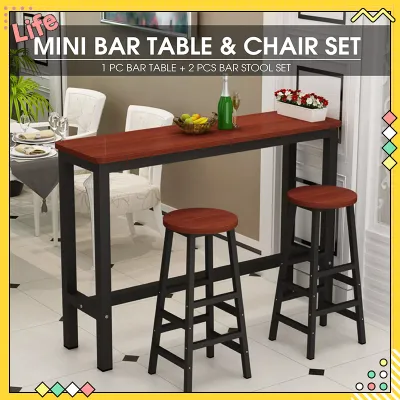
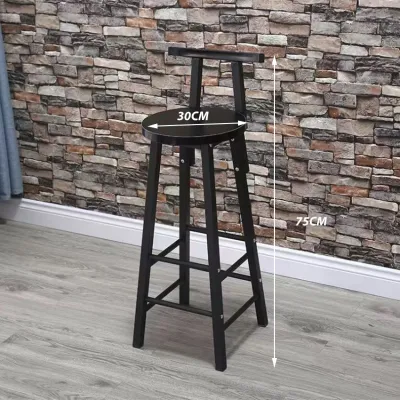
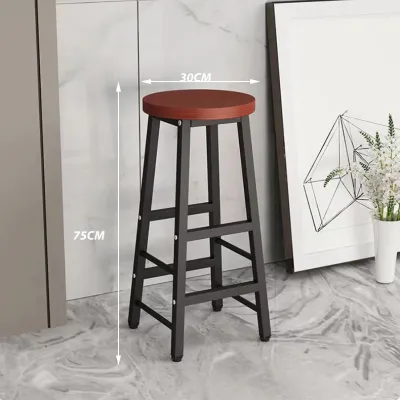
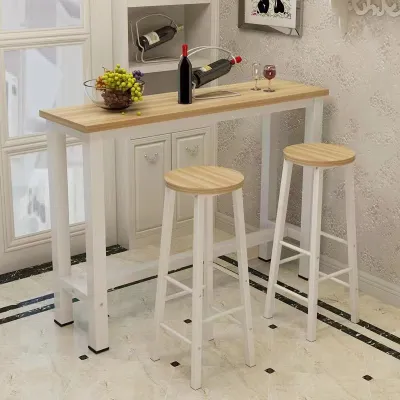
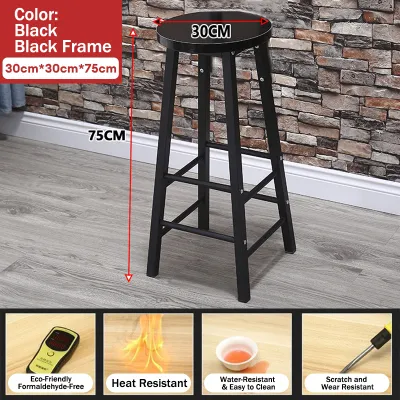
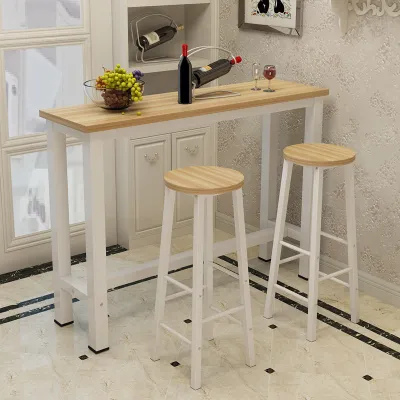
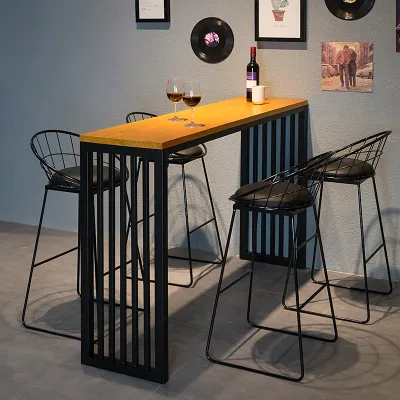
Prices are valid at publication and may change. Please refer to the product page for the latest price.
At the same time, the high ambient humidity—which averages between 70% and 80% year-round—creates a prime breeding ground for mold, mildew, and wood-boring insects. When the monsoon season (Habagat) arrives, the challenges shift from extreme heat to prolonged moisture exposure. Heavy downpours can saturate furniture for days, accelerating the oxidation of metals and causing porous woods to swell, warp, and split.
This constant shifting between soaking wet and bone-dry conditions puts immense physical stress on furniture joints and adhesives. Furthermore, thermal conductivity is a critical comfort factor for bar-height seating. Because bar table sets are elevated, users’ legs and arms frequently come into direct contact with the frame and tabletop.
Materials with high thermal conductivity, such as untreated dark metals, absorb solar heat rapidly and can become painfully hot to the touch under the midday sun. Conversely, low-conductivity materials like wood or synthetic wicker remain comfortable to use even in unshaded areas. Additionally, the elevated profile of bar stools makes them more vulnerable to wind forces, meaning material density and structural design directly impact safety during sudden tropical gusts.
Evaluating Common Bar Table Set Materials for Humid and Rainy Conditions
To choose the right bar table set, you must understand how different materials behave when exposed to high humidity and heavy rainfall. While many products are labeled outdoor-ready, their actual performance depends on their material composition, manufacturing quality, and protective finishes.

Metal Frames and Surfaces
Metal is a popular choice for bar table sets due to its modern aesthetic and structural strength, but not all metals are suited for a tropical climate. Aluminum is the gold standard for outdoor metal furniture. It is naturally rust-resistant because it forms a microscopic oxide layer that prevents deep corrosion. However, when selecting an aluminum bar table set, it is vital to check the gauge or thickness of the metal; ultra-lightweight aluminum frames can easily blow over in strong winds.
In contrast, steel and wrought iron are highly susceptible to rust if their protective coatings are compromised. Once moisture penetrates to the raw metal, oxidation spreads quickly, causing the paint to bubble and the structure to weaken. To prevent this, look for steel frames that have been galvanized (dipped in a protective zinc coating) or treated with specialized anti-rust primers before painting.
The method of coloration also matters. Standard liquid paint easily chips and flakes under UV exposure. High-quality outdoor metal furniture utilizes powder coating, a process where dry powder is electrostatically applied and baked onto the metal at high temperatures. This creates a thick, non-porous, and flexible barrier that resists chipping, scratching, and UV fading. Remember that dark-colored metal frames, such as charcoal or matte black, absorb significant amounts of heat. If your bar table set will sit in an unshaded area, plan to use outdoor cushions or position the set under an umbrella to ensure comfortable seating.
Solid Wood and Synthetic Lumber
Wood brings a warm, natural elegance to outdoor spaces, but the tropical climate is incredibly unforgiving to low-grade timber. Dense hardwoods, with teak being the premier choice, are naturally equipped to handle humid environments. Teak contains high levels of natural silica and protective oils that act as a barrier against water absorption, rot, and wood-boring insects like termites (anay). Even so, teak is not entirely maintenance-free; without periodic application of a specialized sealer, the wood will gradually oxidize to a silvery-grey color and may develop minor surface cracks over time.
Untreated softwoods, such as pine, fir, or low-grade eucalyptus, should be avoided for fully exposed outdoor areas in the Philippines. These woods absorb moisture rapidly, leading to warping, joint separation, and fungal decay within a few seasons. They also serve as an easy target for subterranean termites, which can decimate a wooden bar set in a matter of months.
For those who want the look of wood without the maintenance, synthetic lumber (often referred to as polywood or composite timber) is an excellent alternative. Made from recycled plastics like high-density polyethylene (HDPE), synthetic lumber is completely impervious to water, rot, mold, and insects. However, because plastics can degrade under intense sunlight, it is crucial to verify that the manufacturer has integrated UV stabilizers during the extrusion process. Without these stabilizers, synthetic lumber can become brittle, fade, and crack after prolonged exposure to the Philippine sun.
Wicker, Rattan, and Resin Weaves
The woven look is deeply rooted in Philippine design heritage, but there is a vast difference between indoor natural fibers and outdoor-rated synthetic materials. Natural rattan, wicker, and bamboo are highly porous. When exposed to rain and high humidity, they trap moisture within their fibers, leading to rapid mold growth, rot, and structural unraveling. Consequently, natural woven furniture should never be used in fully exposed outdoor gardens or open decks.
For outdoor spaces, synthetic weaves made from High-Density Polyethylene (HDPE) or high-grade Polyethylene (PE) resin are the industry standard. These synthetic fibers are engineered to withstand UV radiation, heavy rain, and temperature fluctuations without fading, cracking, or stretching. They mimic the texture and appearance of natural rattan while remaining completely waterproof and easy to clean.
However, the longevity of a synthetic wicker bar table set depends entirely on its hidden internal frame. Many budget-friendly sets wrap high-quality synthetic wicker around cheap, untreated carbon steel frames. Over time, moisture penetrates the weave, causing the inner steel frame to rust and weaken. Eventually, the frame will collapse or bleed rust stains onto your patio tiles, even though the outer plastic weave looks perfectly fine. Always ensure the synthetic wicker is wrapped around a powder-coated aluminum frame for maximum durability.
Key Specifications and Labels to Check Before Buying
When shopping for a bar table set, relying on material names alone is not enough. You must look closely at the manufacturing specifications, hardware, and fabric details to ensure the set can withstand the elements.
- Frame Joinery and Hardware: Inspect how the frame is put together. High-quality metal furniture features full-circumference welded joints that prevent water from entering the interior of the metal tubing. Avoid sets held together entirely by exposed screws and bolts unless those fasteners are made of marine-grade stainless steel (304 or 316 grade) or solid brass. Standard iron or low-grade steel hardware will quickly rust in humid conditions, causing "rust bleeding"—unsightly orange stains that run down the furniture legs and permanently ruin your patio floor.
- Cushion and Fabric Specs: Outdoor bar stools often come with cushions for added comfort. Standard polyester fabrics and cheap foam inserts will trap water, leading to mold, mildew, and unpleasant odors after a single rainstorm. Look for cushions covered in solution-dyed acrylic fabrics, such as Sunbrella. In solution-dyed fabrics, the pigment is added directly to the liquid polymer before the fibers are spun, ensuring the color runs through the entire thread and resists fading from intense UV rays. For the interior, specify quick-dry, open-cell polyurethane foam (often called reticulated foam). This material features an open structure that allows water to drain straight through instead of absorbing it like a sponge, allowing the cushions to dry rapidly after a heavy downpour.
- Warranty Limitations: Always read the fine print of the manufacturer's warranty. Many retail brands advertise "outdoor furniture" but exclude coverage for "weather-related wear," "fading," "rusting," or "mold growth" in their warranty terms. Look for manufacturers that offer explicit warranties on UV degradation (typically 3 to 5 years for high-quality synthetic wicker and fabrics) and structural integrity. Be aware that failing to follow the manufacturer's specific care and cleaning instructions can void your warranty.
- Weight and Wind Resistance: Because bar tables and stools are taller than standard dining sets, they have a higher center of gravity and a larger wind profile. During the monsoon season or sudden tropical depressions, lightweight furniture can easily tip over, damage your property, or become dangerous projectiles. If you live in a high-wind area or on a high-rise condominium balcony, choose heavier materials like synthetic lumber or solid teak, or ensure that lightweight aluminum frames have wide, stable bases and can be stacked or secured easily.
Matching Materials to Your Outdoor Space
Your choice of material should align with the specific microclimate and layout of your outdoor living area.
- Fully Exposed Gardens and Rooftops: If your bar table set will sit in an open garden, pool deck, or rooftop with no shade or shelter, it will face the full force of the Philippine sun and rain. For these areas, prioritize maximum weather resistance and low maintenance. Powder-coated aluminum, high-grade synthetic lumber, and premium HDPE wicker with aluminum frames are the best choices. These materials can handle constant UV exposure and heavy rains without requiring frequent sealing or structural repairs.
- Covered Patios and Balconies: If your set is destined for a covered lanai, veranda, or semi-shaded balcony, you have more flexibility. Because these areas shield furniture from direct vertical rain and midday sun, you can safely use treated hardwoods, mixed-material designs (such as a teak tabletop on an aluminum frame), or lighter synthetic weaves. However, remember that ambient humidity remains high, so anti-rust hardware and mold-resistant cushion fabrics are still essential.
- Condo Balcony Restrictions: Living in a high-rise condominium in urban centers like Metro Manila, Cebu, or Davao introduces unique challenges. High-rise balconies often experience intense wind tunnels. Before purchasing a bar table set, consult your building administration's guidelines. Many condominium associations have strict rules regarding the weight, height, and securing of balcony furniture to prevent items from falling. Additionally, ensure the furniture legs do not obstruct balcony drainage channels, which must remain clear to prevent flooding during heavy downpours.
Routine Maintenance for Tropical Weather
Even the most durable outdoor materials require regular upkeep to prolong their lifespan and keep them looking their best in a humid, tropical environment.
- Routine Cleaning: Dust, pollen, industrial soot, and acidic bird droppings can accumulate on your furniture, slowly degrading protective powder coatings and wood sealants. Clean your bar table set at least once a month by wiping it down with a soft brush or microfiber cloth and a mixture of mild dish soap and lukewarm water. Rinse thoroughly with clean water and let it air dry. Avoid using abrasive scrubbers or harsh chemical cleaners, which can scratch the surface and strip away protective finishes.
- Moisture Management: Prevent water from pooling on flat surfaces, such as the tabletop or stool seats, after a heavy rain. Wipe away standing water promptly, or tilt the table slightly during the rainy season to encourage water runoff. If your furniture sits on a wet patio, use leveling glides or plastic furniture feet to elevate the frames slightly, preventing the bottom of the legs from absorbing moisture or sitting in standing puddles.
- Storm Preparation: During the typhoon season, take proactive steps to protect your investment. When a tropical cyclone warning is issued, remove all fabric cushions and store them indoors. If your bar table set is lightweight, stack or fold the stools and move the entire set inside a garage, utility room, or covered hallway. If moving the table is not possible, secure it to a structural post or lay it flat on its side to minimize its wind profile and prevent it from tipping over.
- Hardware Checks: Twice a year, perform a quick maintenance inspection of your bar table set. Check all screws, bolts, and joints for signs of loosening caused by temperature fluctuations. Tighten any loose hardware using the appropriate tools. To prevent metal fasteners from seizing or rusting due to high humidity, apply a thin layer of marine-grade protective lubricant, such as silicone spray or anti-seize compound, to the threads.
Frequently Asked Questions (FAQ)
Can I leave my bar table set outside during the typhoon season?
While high-quality, weather-resistant frames can physically withstand heavy rain, leaving a bar table set fully exposed during a typhoon is highly discouraged. The elevated height and lighter weight of bar stools make them highly susceptible to strong winds, turning them into dangerous projectiles that can shatter sliding glass doors, damage property, or cause personal injury. When a storm warning is active, always move removable cushions indoors and secure, stack, or relocate the table and stools to a safe, sheltered area.
Is it necessary to use furniture covers in the Philippines?
Yes, using high-quality, breathable outdoor furniture covers is highly recommended to protect your bar table set from intense UV rays, heavy rain, and falling debris when not in use. However, you must avoid cheap, non-breathable plastic tarps. In the hot and humid Philippine climate, non-breathable covers trap ambient moisture and condensation underneath, creating a greenhouse effect that accelerates mold growth, wood rot, and metal corrosion. Choose covers made from breathable, water-resistant fabrics with built-in vents to allow moisture to escape.
Community discussion
Share your experience or ask a question. Comments are reviewed before publication.