
Selecting the ideal modern Kimdelin table involves balancing contemporary design sensibilities with the practical demands of a tropical home. In the Philippines, where residential spaces range from airy, open-plan suburban houses to compact urban condominiums, furniture must serve a clear functional purpose while contributing to a cohesive aesthetic. By focusing on refined geometric weaves, mixed-material construction, and appropriate spatial proportions, you can find a piece that elevates your living room while ensuring long-term durability.
Evaluating modern rattan furniture requires looking beyond traditional associations of rustic, heavy bentwood. Today’s designs prioritize visual lightness, structural integrity, and architectural lines that complement modern lifestyles. Understanding how these elements interact with the local environment allows you to make an investment that remains beautiful and structurally sound for years to come.
Why Modern Rattan Suits the Contemporary Filipino Living Room
Traditional Filipino homes have long embraced rattan, but older designs often featured heavy, bulky silhouettes that dominated a room. Modern design reinterprets this classic material by introducing slender frames, open weaves, and minimalist geometries. This shift transforms rattan from a rustic, nostalgic choice into a sophisticated design element that feels fresh and sophisticated.
Products mentioned in this guide
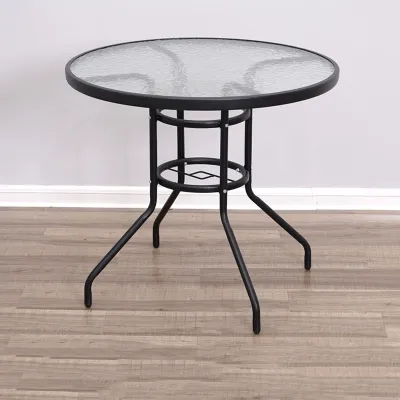
Prices are valid at publication and may change. Please refer to the product page for the latest price.
In the warm, humid climate of the Philippines, visual and physical airflow is essential for residential comfort. Woven rattan tables feature semi-transparent patterns that allow light and air to pass through freely. This structural openness prevents the furniture from overwhelming a room, making it an excellent choice for open-plan layouts or compact urban condominiums where space is at a premium.
The natural, organic texture of rattan bridges the gap between different design movements popular in local interiors. It acts as a perfect warm accent in minimalist spaces, softens the clean lines of Japandi styling, and anchors the lush elements of tropical modernism. By incorporating a modern Kimdelin table, homeowners can add organic warmth without disrupting a sleek, contemporary aesthetic.
Key Design Elements of Modern Kimdelin Tables
Identifying a modern Kimdelin table requires looking past the material itself to analyze the underlying design principles. Traditional rattan furniture often relies on elaborate scrolls, thick bentwood frames, and dense, heavy bindings. In contrast, contemporary pieces focus on structural simplicity, refined proportions, and a harmonious balance between natural textures and manufactured elements.

Geometric Weaves and Clean Lines
Modern rattan tables feature precise, structured weaving styles such as open-caning, tight linear patterns, or simple cross-hatches. These uniform designs create a clean visual rhythm that aligns with modern architectural lines. When browsing options, look for pieces that avoid ornate embellishments in favor of flat, taut surfaces and crisp edges.
Material Mixing
One of the defining characteristics of contemporary furniture design is the juxtaposition of contrasting textures. Modern tables frequently pair natural rattan with sleek, non-organic materials. A tempered glass top can showcase an intricate weave underneath while providing a perfectly flat surface, while a matte black metal frame adds an industrial edge that grounds the organic warmth of the rattan.
Silhouettes and Profiles
Contemporary layouts favor streamlined profiles that maintain low sightlines across the room. Modern coffee tables and side tables often feature low-slung bases, geometric cylindrical shapes, or cantilevered frames. Joinery is typically concealed or kept highly minimalist, ensuring that the transition between the rattan and other materials looks seamless and intentional.
Homeowners can use these specific visual markers as a filter when navigating online marketplaces or furniture catalogs. By prioritizing clean geometry, mixed-material construction, and refined silhouettes, you can easily identify the Kimdelin pieces that will elevate a modern living room rather than make it feel dated.
Recommended Table Types for Different Living Room Layouts
Choosing the right table style depends heavily on your living room’s layout, foot traffic, and daily functional requirements. Different spaces demand distinct proportions and structural features to ensure the furniture remains both practical and visually appealing.
Statement Coffee Tables for Central Seating
A central seating area requires a focal point that anchors the room without blocking the flow of movement. Low-profile, wide-surface Kimdelin coffee tables are ideal for this purpose, providing a generous surface for books, drinks, and decor while keeping the center of the room feeling open. Circular or soft oval shapes work exceptionally well in tight seating arrangements, as they eliminate sharp corners that can cause accidental bumps.
When selecting a coffee table with a woven rattan base and a separate top insert, it is crucial to verify the load-bearing capacity of the upper surface. Whether the top is made of tempered glass or solid wood, ensure it is securely supported by the underlying frame rather than resting solely on the flexible rattan weave. This structural support prevents sagging over time and allows you to place heavier items like ceramic vases or serving trays safely.
Before finalizing your choice, measure your available floor space and compare it to the table’s exact dimensions. A well-proportioned coffee table should sit at approximately the same height as your sofa cushions, or slightly lower, and leave at least 30 to 45 centimeters of clearance on all sides. This spacing ensures comfortable legroom and allows family members to navigate the living room easily without squeezing past the furniture.
Versatile Nesting and Side Tables for Compact Spaces
For smaller apartments, studio condominiums, or highly flexible living areas, large stationary coffee tables can sometimes feel too restrictive. Lightweight nesting tables or slender C-shaped side tables offer an adaptable alternative, allowing you to expand your surface area when hosting guests and tuck them away when more floor space is needed. These pieces can easily slide over sofa arms or nestle into unused corners.
Because side tables are taller and have a smaller footprint than coffee tables, checking the stability of the base is a critical safety step. Look for designs that feature a weighted bottom, wide-set legs, or a sturdy metal frame that prevents the table from tipping over if bumped. This is especially important if you plan to place drinks, table lamps, or small electronics on them.
To maintain a cohesive aesthetic throughout the room, select nesting sets that share a consistent design language, such as matching weave patterns or identical metal finishes. This visual continuity prevents the space from looking cluttered or mismatched. You can scatter the tables around the room during social gatherings and then stack them together to recreate a clean, organized look afterward.
Slim Console Tables for Narrow Zones
Narrow zones like entryways, hallways, or the space directly behind a floating sofa require specialized furniture that offers utility without blocking walkways. A slim, shallow-depth console table is an excellent solution, providing a dedicated surface for keys, mail, or decorative accents. A modern console featuring a rattan accent panel or lower shelf adds texture to these transitional areas without occupying valuable physical space.
If you plan to position a console table directly behind a sofa, always measure the height of the sofa back and compare it to the table’s specifications. Ideally, the console should stand a few centimeters lower than the top of the sofa cushions to keep it hidden from the front view and maintain a clean silhouette. Additionally, verify that the depth of the table allows for comfortable clearance in the surrounding walkway.
Due to their tall, narrow design, console tables can easily become top-heavy when loaded with decorative items. To ensure safety in your home, check the manufacturer’s guidelines regarding wall-anchoring. Many modern consoles include mounting hardware or pre-drilled holes, which are highly recommended for stabilizing the unit, particularly in households with active children or pets.
Evaluating Material Quality and Humidity Resistance
The tropical climate of the Philippines, characterized by high relative humidity and seasonal temperature shifts, presents unique challenges for wooden and woven furniture. Understanding the materials used in your table is essential to ensuring its long-term durability. By evaluating the specific components of a Kimdelin table, you can make an informed choice that matches your home’s microclimate.
Natural vs. Synthetic Rattan
Natural rattan is a beautiful, sustainable vine that offers unmatched organic character, but it is highly sensitive to environmental moisture. In poorly ventilated or highly humid spaces, natural fibers can absorb dampness, potentially leading to mold growth or structural softening over time. High-quality PE (polyethylene) synthetic rattan, on the other hand, is engineered to resist moisture, making it far more durable in humid or semi-outdoor areas like covered patios, while still mimicking the look of natural weave.
Frame Integrity
The longevity of any woven table depends heavily on the strength of its internal support frame. Look for tables built with high-quality underlying frames, such as powder-coated steel, rust-resistant aluminum, or kiln-dried, treated hardwoods. A robust frame prevents the table from warping under weight or shifting shape as humidity levels fluctuate, and a proper powder-coated finish protects metal elements from tropical rust.
Verification over Claims
When shopping, avoid accepting general marketing claims like “weatherproof” or “all-weather” at face value. Always verify the manufacturer’s specific care labels and intended use guidelines to determine whether the piece is rated for indoor use only, covered outdoor areas, or fully exposed outdoor environments. Using an indoor-rated natural rattan table on an open balcony will quickly lead to sun bleaching and fiber degradation, regardless of any protective coatings.
Finally, perform a physical or visual inspection of the weave itself before finalizing your purchase. Run your hand over the surface to check for tight, uniform tension and secure bindings at the joints. High-quality craftsmanship is marked by neatly tucked and fastened rattan ends, which prevent the weave from unraveling over time under regular daily use.
Everyday Care and Maintenance for Rattan Furniture
To preserve the rich texture and structural integrity of your modern rattan table, establishing a consistent maintenance routine is essential. While modern finishes provide a layer of protection, the intricate crevices of woven designs can easily trap dust, pet hair, and airborne particles if left neglected.
Routine Dusting
For regular cleaning, avoid using stiff plastic scrubbers or abrasive materials that can scratch the protective topcoat of the rattan. Instead, use a vacuum cleaner equipped with a soft brush attachment to gently draw out dust from deep within the weaves. Alternatively, a dry microfiber cloth or a soft-bristled paint brush can effectively clear away debris without snagging or fraying the delicate fibers.
Spill Management
Accidental spills are inevitable in a busy living room, but prompt action can prevent permanent damage. If a liquid is spilled on the woven surface, immediately blot the area with a clean, dry cloth to absorb the moisture; avoid rubbing, which can push the liquid deeper into the fibers or spread the stain. If the spill is sticky, wipe it gently with a slightly damp cloth, then use a dry towel or a fan to ensure the area dries completely, preventing any localized mold or wood warping.
Environmental Protection
Natural rattan is highly sensitive to extreme environmental conditions, which can cause the fibers to degrade prematurely. Position your table away from windows that receive intense, direct afternoon sunlight, as prolonged UV exposure can dry out the natural oils, leading to cracking and fading. Similarly, avoid placing the table directly in the path of active air-conditioning vents, as the constant stream of cold, dry air can make the rattan brittle and prone to splitting.
Before applying any cleaning agent or protective treatment, always check the product’s label and the table manufacturer’s instructions. If instructions conflict, the item is unidentified, or the use is not covered, stop and consult the manufacturer or a qualified professional. Ultimately, the most reliable guide for maintaining your furniture is the specific documentation provided by the manufacturer, as different models may feature proprietary finishes or unique material blends that require specialized care.
Frequently Asked Questions (FAQ)
Is natural rattan suitable for highly humid climates?
Yes, natural rattan can be used in highly humid climates like the Philippines, but it requires careful placement and active environmental management. Because natural fibers absorb moisture from the air, these tables should be kept in well-ventilated, indoor spaces where air circulation is consistent, or in rooms with regular air-conditioning or dehumidification. If you intend to place a table in a highly humid, semi-outdoor area like an open veranda or a garden patio, opting for high-quality synthetic PE rattan is a much safer choice to prevent mold and structural degradation.
How should I clean textured rattan weaves without damaging them?
Cleaning textured rattan weaves safely involves using dry, non-abrasive methods to remove dust and debris without introducing excessive moisture. Use a soft-bristled brush, a vacuum with a brush attachment, or a can of compressed air to clear out the tight crevices of the weave. Avoid using harsh chemical solvents, bleach, or soaking the table with water, as these can strip the protective finish and weaken the fibers. If a deeper clean is necessary, always test a mild, highly diluted soapy water solution on a small, hidden area of the table first, and consult the manufacturer’s care guidelines before proceeding.
Community discussion
Share your experience or ask a question. Comments are reviewed before publication.