
Finding the right balance between open display and concealed storage is the key to choosing the best organizer rack or bookshelf for your living room. In a busy household, the sala serves as the primary hub for entertainment, relaxation, and welcoming guests. A well-chosen sala organizer rack keeps daily essentials within reach while hiding visual clutter, ensuring the space remains both highly functional and visually inviting. The ideal solution depends on your room’s physical layout, the specific items you need to store, and your home’s overall aesthetic.
Assessing Your Sala's Storage and Display Needs
Before browsing online marketplaces or visiting local furniture showrooms, take a close look at the items currently occupying your living room. A successful organization plan starts with a clear division between display items and utility items. Curated books, family photographs, indoor plants, and decorative travel souvenirs deserve a prominent spot on open shelves. Conversely, items like remote controls, spare charging cables, board games, and children’s toys can quickly make a room feel chaotic and are better suited for concealed storage.
Evaluating your physical space is the next critical step. The sala is a high-traffic area, meaning any new piece of furniture must respect the natural flow of movement. Measure the available floor area and wall space, keeping in mind the clearance needed for walking past the unit, opening nearby doors, or pulling out chairs. If your living room doubles as a home office or a dining area, the rack should serve a multi-functional purpose without overcrowding the zone.
Products mentioned in this guide
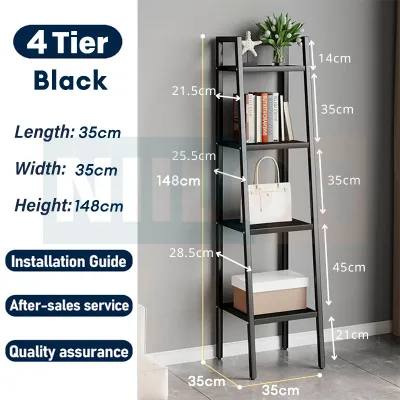
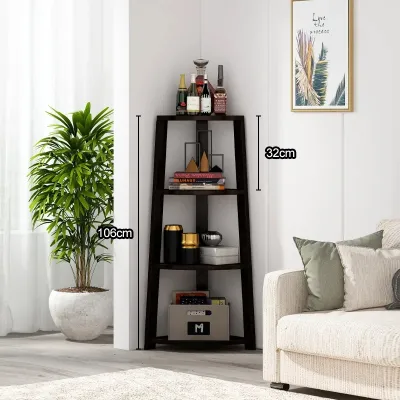
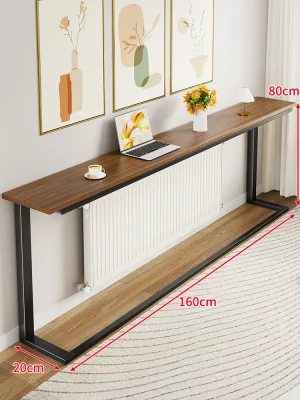
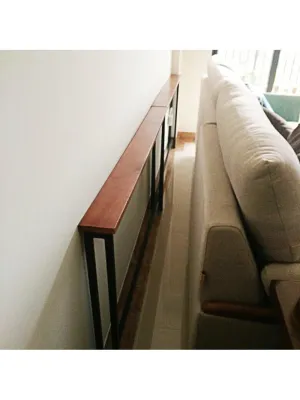
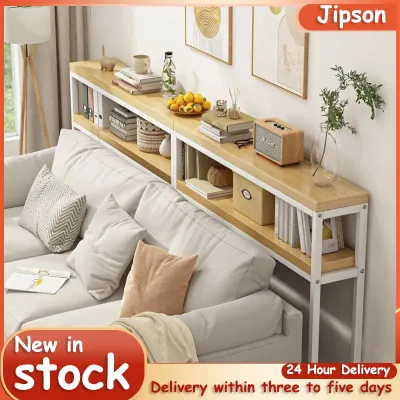
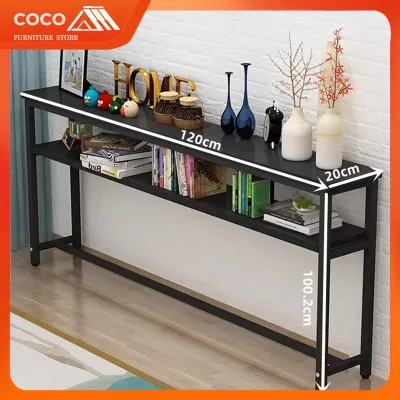
Prices are valid at publication and may change. Please refer to the product page for the latest price.
Finally, take an inventory of your largest or heaviest items. Measure the height, width, and depth of oversized coffee table books, storage bins, or media equipment. This ensures you do not purchase a rack with shelves that are too shallow or heights that cannot accommodate your possessions. Knowing these dimensions beforehand prevents the frustration of buying a beautiful unit only to find your standard storage baskets hang over the edge.
Best Bookshelf and Rack Types for Living Room Scenarios
Different living room layouts and lifestyles require distinct storage configurations. Selecting the right structure ensures your sala organizer rack remains highly functional without overwhelming your living space.

Open Display Shelves for Books and Decor
Open shelving units are excellent for creating an airy, spacious feel, making them particularly suitable for smaller salas. Because they lack solid doors and side panels, they allow light to pass through, which prevents the room from feeling cramped or boxed in. These racks are ideal for showcasing curated book collections, small potted plants, and artistic decor pieces that reflect your personal style.
When opting for open shelves, structural integrity is paramount. Always check the manufacturer’s load capacity labels and verify the thickness of the shelves before stacking heavy textbooks, dense encyclopedias, or heavy ceramic pots. Sagging shelves not only ruin the visual appeal of your sala but also pose a safety hazard.
It is also important to consider the maintenance required for open designs. In tropical climates where dust accumulates quickly, open shelves demand regular dusting to keep both the unit and your displayed items looking clean. If you prefer a low-maintenance home, limit the number of open shelves or use them strictly for a few select pieces.
Closed Cabinets for Concealed Storage
For households with busy families, pets, or a large volume of utility items, closed cabinets are highly practical. They allow you to quickly tuck away items like gaming consoles, routers, paperwork, and toys, instantly restoring order to the sala. This design is the cornerstone of a minimalist aesthetic, keeping the focus on clean lines rather than stored objects.
If you plan to store active electronics, media players, or internet routers inside a closed cabinet, look for designs with open backs or built-in cable cutouts. Proper ventilation is critical to prevent heat buildup, which can damage sensitive electronic components over time. Ensure there is enough clearance around each device for air to circulate freely.
Additionally, evaluate the door mechanisms based on your available floor space. Hinged doors provide full, unobstructed access to the cabinet interior but require ample clearance to swing open. If your sala is narrow or has furniture placed close to the storage unit, sliding doors are a space-saving alternative that does not block walkways.
Space-Saving Corner and Wall-Mounted Racks
When floor space is limited, utilizing vertical space and underused corners can dramatically increase your storage capacity. Corner racks fit snugly into awkward angles, turning dead space into a functional storage or display zone. Wall-mounted shelves and floating units keep the floor completely clear, creating an illusion of a larger room while providing convenient storage.
Before installing any wall-mounted unit, you must verify the structural integrity of your walls. In many homes, walls are constructed from concrete or hollow blocks, which require heavy-duty masonry anchors and a hammer drill for secure installation. If you are mounting onto drywall, you must locate the wooden or metal studs; never rely on standard drywall plugs to hold heavy bookshelves.
Always check the maximum weight limits specified by the bracket manufacturer. Overloading a wall-mounted rack can lead to structural failure, damaging your walls and your stored belongings. Keep lighter items on floating shelves and reserve heavier items for floor-standing units.
Essential Dimensions and Safety Features to Verify
A successful furniture purchase requires careful verification of physical dimensions, material specifications, and safety features. Taking these precautions ensures your new rack is durable, practical, and safe for daily use.
Before finalizing your order, measure your home’s entry points. A rack that fits perfectly in your sala is of no use if it cannot pass through your front door, hallway, stairway, or elevator. Check the packaged dimensions for flat-pack furniture, or the fully assembled dimensions for pre-built units, and compare them against your home’s tightest clearances. Don’t forget to account for baseboard depth when measuring your sala floor space, as baseboards can prevent a flat-backed unit from sitting flush against the wall.
Material selection should be guided by your local environment. In humid, tropical climates, moisture can affect furniture longevity. Do not assume any wood or metal material is naturally waterproof or rust-proof. Instead, carefully read the manufacturer’s care instructions and check for protective surface finishes, such as powder-coated steel or water-resistant sealants on engineered wood. Regularly check the unit for signs of moisture damage or wear, and follow the recommended cleaning guidelines to extend its lifespan.
Safety is a critical consideration, especially in homes with active children or pets. Tall, top-heavy furniture can easily tip over if climbed on or pulled. Look for units that include anti-tip hardware packages, and verify that you have the correct tools and wall anchors to install them securely. For freestanding units without wall anchors, prioritize designs with a low center of gravity, a wider base, or adjustable leveling feet that ensure stability on uneven floors.
Practical Styling Tips to Maintain a Clutter-Free Look
Once your organizer rack is assembled and secured, thoughtful styling is what keeps it looking tidy rather than chaotic. A helpful rule of thumb is the 80/20 visual balance: aim to conceal roughly 80 percent of your items in closed compartments or bins, leaving only 20 percent on open display. This ratio prevents the eye from being overwhelmed by too many objects.
To handle smaller, miscellaneous items on open shelves, incorporate uniform storage containers. Woven baskets, fabric boxes, or sleek plastic bins in coordinating neutral tones are excellent for grouping loose items like remote controls, chargers, or magazines. These containers hide the mess while adding pleasing textures to your sala’s decor.
Finally, resist the temptation to pack every shelf completely full. Leaving intentional empty space—often called negative space—gives your eyes a place to rest and makes the overall display feel curated and deliberate. It also leaves convenient room for future book purchases or decorative pieces without requiring a complete reorganization of your living room.
Frequently Asked Questions (FAQ)
How do I prevent a tall bookshelf from tipping over in the sala?
To prevent tipping, always secure tall bookshelves directly to the wall using the manufacturer’s provided anti-tip safety straps or brackets. For concrete or hollow block walls common in local homes, use high-quality masonry wall plugs and screws. Additionally, always place your heaviest books and storage bins on the lowest shelves to maintain a low center of gravity.
What is the best way to hide messy cables on an open organizer rack?
Keep cables neat by using dedicated cable management boxes or flexible sleeves to bundle multiple wires together. You can route these bundles along the back legs or under-edges of the shelves using adhesive cable clips or reusable Velcro ties. To prevent overheating, never enclose power strips or adapters in airtight, unventilated containers.
Community discussion
Share your experience or ask a question. Comments are reviewed before publication.