
Finding the right outdoor shoe rack for a home in the Philippines means preparing for some of the most demanding weather conditions furniture can face. Between the relentless downpours of the wet season and the intense heat and humidity of the dry months, standard indoor storage solutions will quickly warp, rust, or become breeding grounds for mold. The ideal outdoor shoe rack material is not defined by a single category, but rather by how well the manufacturer has treated and sealed the material to withstand tropical elements. To ensure your footwear stays organized and protected, you must look for specific factory-applied finishes, UV stabilizers, and structural designs that promote continuous airflow.
When setting up an outdoor shoe organizer on a veranda, balcony, or carport, the physical environment dictates your choice. A successful selection requires verifying the product’s specifications against the exact spot where it will stand. By focusing on certified weather-resistant treatments and smart structural features, you can prevent premature structural failure and keep your entryway tidy year-round.
Understanding the Climate Challenges for Outdoor Storage
The tropical climate of the Philippines presents a unique combination of environmental stressors that rapidly accelerate the wear and tear of outdoor furniture. High relative humidity, which frequently hovers above eighty percent, creates a persistent moisture film on exposed surfaces. This constant dampness acts as a catalyst for rapid oxidation on untreated metals and provides the perfect breeding ground for mold, mildew, and fungal spores on porous materials. Without proper preventative measures, a standard shoe rack can develop unsightly black spots or structural rust within just a few weeks of exposure.
Products mentioned in this guide
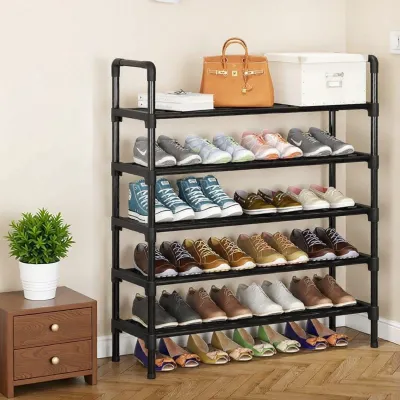
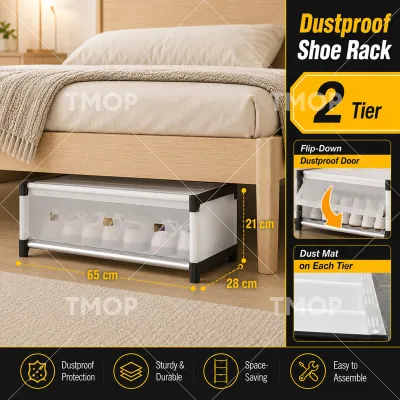
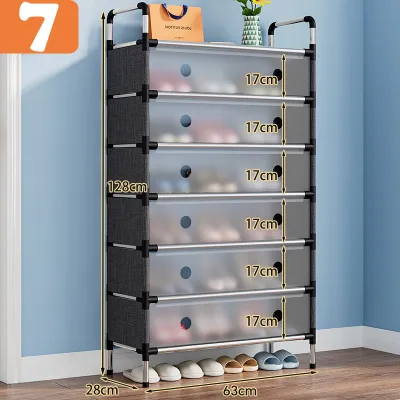
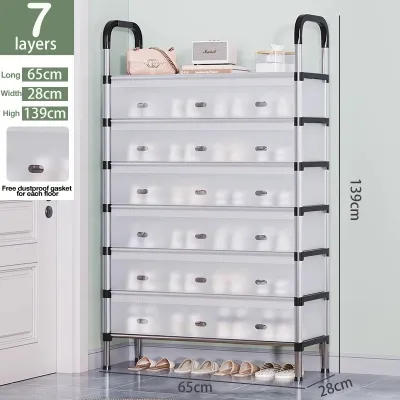
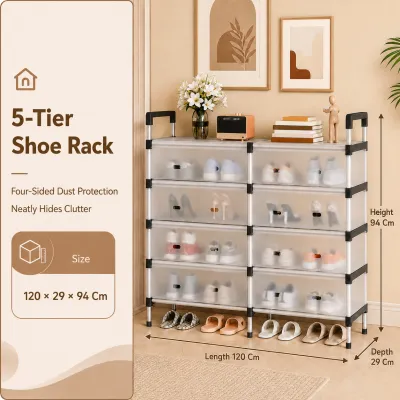
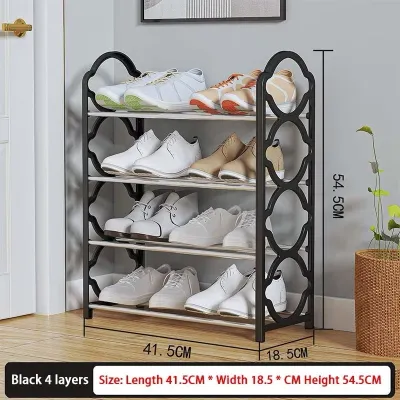
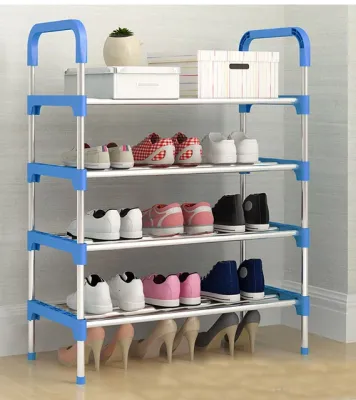
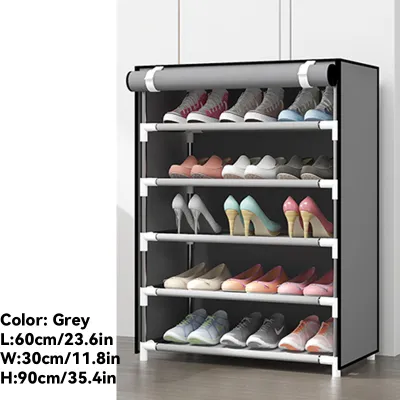
Prices are valid at publication and may change. Please refer to the product page for the latest price.
Intense ultraviolet radiation from the tropical sun poses another severe threat to outdoor storage systems. When placed in direct sunlight on a patio or near a driveway, materials like standard plastics and untreated woods absorb high levels of UV rays. This exposure breaks down chemical bonds within the material, leading to severe color fading, surface chalking, and extreme brittleness. Over time, a rack that once felt sturdy can easily crack or collapse under the weight of a few pairs of shoes simply because the sun has compromised its structural integrity.
Seasonal typhoons and heavy monsoon rains introduce the risk of direct water contact and localized flooding. Rainwater can pool around the base of a shoe rack, especially if it is positioned on an uneven concrete carport or an open balcony. If the rack lacks proper elevation or drainage, standing water will seep into the lower joints, causing wood to swell and rot, or metal coatings to peel. To survive these conditions, an outdoor organizer must be designed to shed water quickly and remain elevated above wet surfaces.
Evaluating Common Shoe Rack Materials for Wet Environments
When browsing online marketplaces or local home improvement centers, you will find outdoor shoe racks constructed from a wide variety of materials. However, relying solely on generic material names like steel, plastic, or wood is a common mistake that often leads to premature damage. To find a truly durable solution, you must look past the basic material classification and carefully evaluate the specific manufacturing standards, protective coatings, and weatherproofing treatments applied to the product.

Metal and Wire Racks
Metal shoe racks are highly valued for their structural stability and slim profiles, but their survival in a humid environment depends entirely on their surface treatment. When evaluating metal options, look for explicit labels indicating a powder-coated finish or a galvanized treatment. Powder coating involves applying a dry powder electrostatically and curing it under heat to create a thick, protective barrier that is far more resilient than standard liquid paint. Galvanized steel, which features a protective zinc coating, offers excellent resistance to rust even when exposed to direct rain.
Before purchasing, closely inspect the welded joints, screws, and connection points of the metal rack. These areas are highly vulnerable because the protective coating can easily chip or thin out during assembly or shipping, leaving the raw metal underneath exposed to moisture. Opt for designs that use stainless steel hardware or brass screws, as these components are naturally highly resistant to corrosion compared to standard iron fasteners.
It is also crucial to monitor your metal rack for early signs of oxidation, such as small orange rust spots or bubbling beneath the paint. Once moisture penetrates the protective layer, rust can spread rapidly underneath, weakening the frame. If you notice structural joints becoming loose or flaky, it is best to replace the rack or apply a specialized rust-inhibiting touch-up paint immediately to prevent a sudden collapse that could damage your footwear or cause an injury.
Plastic and Resin Organizers
Synthetic materials like plastic and heavy-duty resin are naturally immune to rust and water rot, making them highly popular choices for wet outdoor areas. However, standard household plastics will quickly degrade under the intense tropical sun unless they are specifically labeled as UV-stabilized or weather-resistant. When shopping, verify that the manufacturer explicitly states the use of UV-resistant polypropylene or high-density polyethylene (HDPE) to ensure the rack will not become brittle and crack after a few months of sun exposure.
Another critical factor to consider is the load capacity and stability of plastic organizers under high temperatures. Intense heat can soften certain plastics, causing the shelves to warp, bow, or sag when loaded with heavy work boots or wet sneakers. Check the manufacturer’s specified weight limits and look for reinforced shelving designs that feature molded ribbing or internal support bars to maintain structural integrity during the hottest months of the year.
To determine if your existing plastic rack is reaching the end of its lifespan, look for visible signs of degradation such as severe color fading, a chalky white residue on the surface, or tiny micro-cracks along the joints. These indicators show that the polymer chains have broken down due to UV exposure. Once these signs appear, the plastic is highly susceptible to sudden cracking under load, signaling that it is time to transition to a new, more durable organizer.
Wood and Bamboo Options
Wood and bamboo bring a warm, natural aesthetic to an entryway, but they require the most stringent verification and maintenance to survive outdoors. Never place untreated, raw, or indoor-only wooden furniture in an exposed outdoor area, as the high humidity will rapidly trigger mold growth, warping, and wood rot. Instead, look for products labeled as pressure-treated, or those finished with factory-applied waterproof sealants, polyurethane coatings, or marine-grade varnishes designed specifically for exterior use.
Even with high-quality factory finishes, natural materials are inherently dynamic and will expand and contract with changes in humidity. This movement can create microscopic cracks in the protective sealant, allowing moisture and wood-boring insects to penetrate. To prevent decay, you must be prepared to perform periodic maintenance, which includes lightly sanding the surface and reapplying a fresh coat of outdoor-rated varnish or water-repellent sealer every year or two.
If you prefer a low-maintenance setup, consider engineered wood alternatives like wood-plastic composites (WPC). These materials combine wood fibers with thermoplastics to offer the visual appeal of natural wood while providing superior resistance to moisture, rot, and insect damage without the need for constant re-sealing. Always check the manufacturer’s care instructions to ensure the composite material is rated for full outdoor exposure.
Structural Features That Prevent Water and Mold Damage
While material selection is foundational, the physical design of the shoe rack plays an equally important role in preventing water accumulation and mold growth. When selecting an outdoor shoe rack organizer, prioritize slatted, mesh, or wire shelving designs over solid, flat surfaces. Slatted shelves allow rainwater to drain freely instead of pooling around the soles of your shoes, while also promoting maximum airflow from all angles. This continuous ventilation is essential for drying out damp footwear quickly, which directly discourages the growth of odor-causing bacteria and mold.
The base of the shoe rack must also be designed to handle wet ground conditions. Look for models equipped with elevated feet, heavy-duty casters, or adjustable levelers that raise the bottom shelf at least a few inches off the ground. This elevation keeps your shoes and the rack’s primary structural joints safe from shallow puddles, wet concrete, and minor flooding during heavy downpours. Additionally, elevated designs make it much easier to sweep or hose down the patio floor without having to move the entire storage unit.
For areas that receive direct rainfall, consider advanced structural features such as angled shelves or built-in, removable drip trays. Angled shelves naturally encourage water to run off the front of the rack rather than settling on the frame, while also making it easier to view and access your footwear. If the rack is placed in a semi-covered area like a veranda, a drip tray can catch excess water and mud from wet shoes, preventing the runoff from staining your tiled or concrete floors. Finally, always measure your available outdoor space and check the doorway or lift access dimensions before delivery to ensure the fully assembled rack can be easily positioned and anchored securely against strong winds.
Maintenance and Care for Outdoor Shoe Racks
To maximize the lifespan of your outdoor shoe rack and keep your footwear in pristine condition, establish a simple, routine maintenance schedule. At least once a month, remove all shoes and wipe down the entire rack to clear away accumulated mud, dust, and organic debris. Use a mild solution of warm water and gentle dish soap applied with a soft microfiber cloth or a soft-bristled brush. Avoid harsh chemical cleaners, abrasive scrubbing pads, or high-pressure washers, as these can easily scratch plastic surfaces or strip away protective powder coatings and wood sealants.
During your monthly cleaning, take a few minutes to inspect the structural integrity of the rack. Check all screws, bolts, and connecting hardware, as the constant expansion and contraction caused by temperature fluctuations and humidity can gradually loosen these joints. Tighten any loose fasteners with hand tools rather than power drills to avoid stripping the threads or cracking the surrounding material. If you notice any chipped paint or exposed wood, apply a small amount of matching touch-up paint or sealant immediately to block out moisture.
Finally, adapt your storage habits to match extreme weather patterns. During severe tropical storms or typhoon seasons, even the most durable outdoor rack can be subjected to wind-driven rain and flying debris. When extreme weather warnings are issued, temporarily move the shoe rack to a fully covered area, or bring your valuable footwear indoors. If the rack is lightweight, consider anchoring it to a wall or heavy post to prevent it from tipping over in strong winds, ensuring your outdoor entryway remains safe and organized throughout the year.
Frequently Asked Questions (FAQ)
Can I use an indoor shoe rack outside if I paint it myself?
Using an indoor shoe rack outdoors, even after applying a DIY coat of paint, is generally not recommended for long-term use. Indoor furniture is typically constructed from materials like medium-density fiberboard (MDF), particleboard, or untreated softwoods that swell and disintegrate rapidly when exposed to high humidity. Consumer-grade spray paints and varnishes applied at home rarely provide the same level of moisture barrier as industrial, factory-applied powder coatings or pressure treatments. Without professional-grade sealing at every joint and screw hole, moisture will inevitably penetrate the material, leading to rapid warping, rust, and structural failure within a few months.
How do I remove mold from a plastic outdoor shoe rack?
To safely remove mold from a plastic outdoor shoe rack without damaging its protective surface, start by moving the rack to a well-ventilated area away from direct sunlight. Mix a mild solution of warm water and a few drops of gentle dishwashing liquid or white vinegar. Using a soft sponge or a soft-bristled brush, gently scrub the affected areas to lift the mold spores without scratching the plastic. Avoid using harsh chlorine bleach, ammonia, or abrasive scouring pads, as these chemicals can degrade the built-in UV stabilizers and leave microscopic scratches that make it easier for mold to grip the surface in the future. Once clean, rinse the rack thoroughly with clean water and allow it to dry completely in a shaded, airy spot before returning your shoes to the shelves.
Community discussion
Share your experience or ask a question. Comments are reviewed before publication.