
When setting up a dedicated study corner for the back-to-school season, parents often focus heavily on desks and lighting, while overlooking the critical role of the chair. A high-quality plastic chair designed specifically for children offers a highly practical, hygienic, and cost-effective seating solution. The best plastic chairs for a kids’ study corner are those that combine ergonomic support—such as contoured backrests and waterfall seat edges—with robust structural safety features, all while matching the physical dimensions of both the child and their desk. By prioritizing targeted design elements over basic utility models, you can establish an inviting, distraction-free environment that supports healthy posture and sustained focus throughout the academic year.
Why Plastic is a Practical Choice for Kids' Study Spaces
Creating an effective learning environment at home requires furniture that can withstand the daily realities of childhood. In tropical climates like the Philippines, where high humidity and warm temperatures are constant, material choice plays a significant role in long-term usability. Plastic chairs are exceptionally lightweight, allowing younger children to pull their chairs close to the desk or reposition them independently without scraping the floor. Furthermore, children’s study sessions frequently double as creative spaces where ink spills, watercolor drips, and snack crumbs are inevitable. Unlike upholstered chairs that absorb liquids and harbor dust, or wooden chairs that can warp from moisture, high-quality plastic can be wiped clean in seconds, maintaining a sanitary study zone with minimal effort.
From a budget perspective, plastic seating offers an outstanding balance of affordability and longevity. During the back-to-school preparation period, household expenses can accumulate rapidly with tuition, uniforms, books, and electronic devices. Selecting a well-designed plastic chair allows parents to allocate financial resources where they are needed most, without compromising on physical comfort. A durable plastic chair can easily serve as a reliable, daily study companion for several years, resisting the wear and tear of active daily use.
Products mentioned in this guide
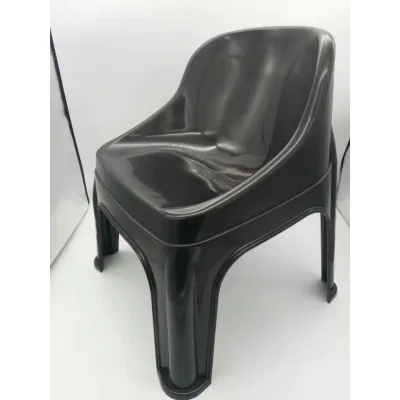
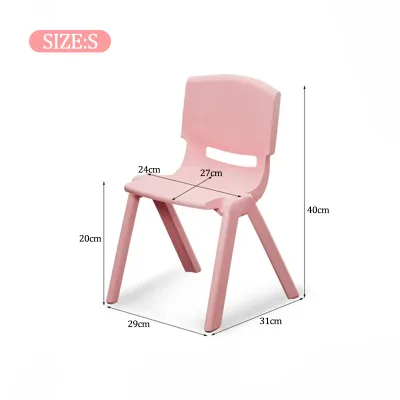
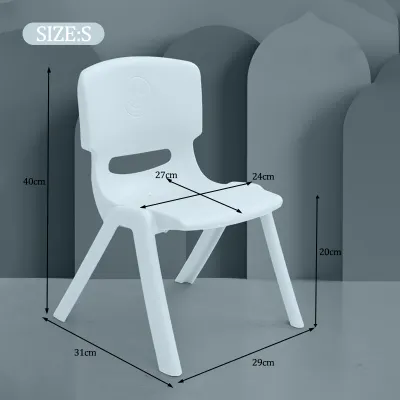
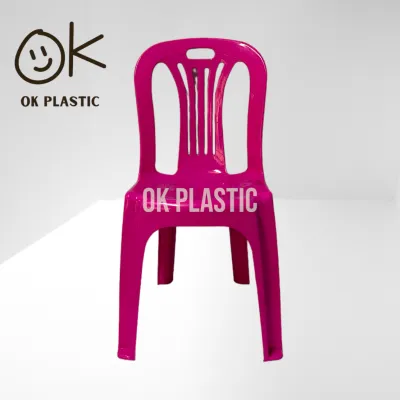
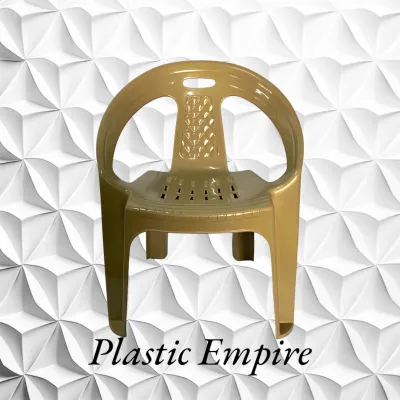
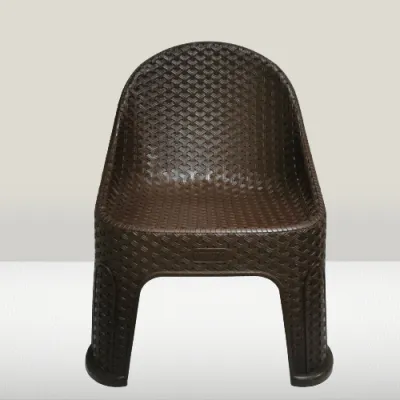
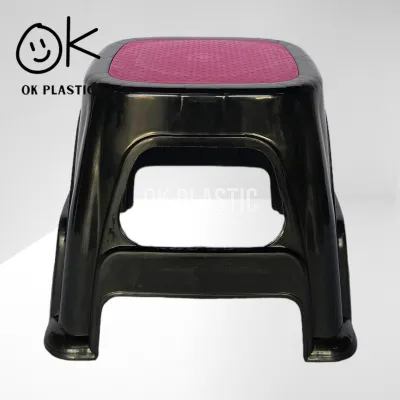
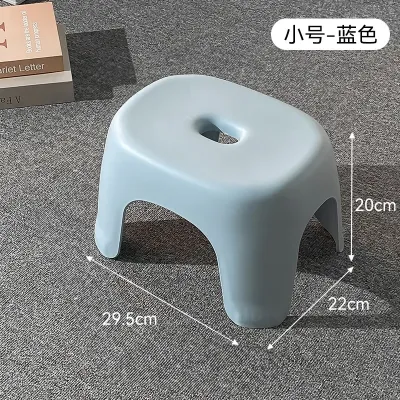
Prices are valid at publication and may change. Please refer to the product page for the latest price.
However, it is crucial to recognize that not all plastic chairs are created equal. The common plastic monobloc chairs designed for outdoor dining or casual gatherings lack the structural and ergonomic properties required for focused, academic work. To support a child’s physical development and concentration, the selection process must move beyond basic utility seating. Parents should focus on specialized models engineered with specific proportions, structural reinforcements, and ergonomic shapes tailored for desk-based tasks.
Essential Features for a Study-Focused Plastic Chair
Selecting the right chair requires looking past color and aesthetics to evaluate the physical engineering of the seat. A study-focused chair must actively assist the child in maintaining an alert, comfortable posture that prevents fatigue during homework or reading sessions.

Ergonomic Support for Growing Bodies
A child’s skeletal system is continuously developing, making proper spinal alignment during seated tasks essential. When evaluating plastic chairs, avoid models with flat, rigid backrests that force the spine into unnatural positions. Look for a contoured backrest that mimics the natural S-curve of the human spine, providing targeted support to the lower lumbar region. This contouring helps distribute the upper body’s weight evenly, reducing muscle strain in the lower back and neck.
The design of the seat pan is equally critical for long-term comfort. Seek out chairs featuring a “waterfall” front edge, which is a gentle downward slope at the front of the seat. This subtle curve prevents the hard plastic edge from pressing into the delicate blood vessels and nerves behind the child’s knees. By maintaining unrestricted blood circulation to the lower legs, a waterfall edge prevents the numbness and fidgeting that often disrupt a child’s concentration.
Additionally, pay close attention to the angle of the backrest relative to the seat. The ideal study chair features a slight recline of approximately 3 to 5 degrees from a strict vertical line. This minor angle encourages an upright, alert posture while allowing the child’s pelvis to remain securely seated at the back of the chair. Avoid chairs that lean too far backward, as they force the child to slouch or crane their neck forward to reach their books, leading to poor posture habits over time.
Safety Checks and Build Quality
Before introducing any plastic chair into a child’s study corner, a thorough physical safety inspection is necessary. Start by running your hand along all edges, corners, and joints of the chair. High-quality injection-molded plastic should be entirely smooth, free of sharp manufacturing seams, burrs, or rough patches that could snag school uniforms or scratch sensitive skin. Seamless joints also prevent dust and grime from accumulating in hard-to-clean crevices.
Never estimate a chair’s structural strength based solely on its visual thickness or bulkiness. Instead, locate the manufacturer’s official specifications or product label to verify the certified weight capacity. For kids’ study chairs, a weight capacity rating of at least 50 to 80 kilograms is recommended to ensure the chair can easily handle the dynamic movements of an active child, such as shifting weight or leaning side to side.
Flip the chair over to inspect its structural engineering. A reliable study chair will feature a network of reinforced structural ribs—raised plastic grids or bands molded directly into the underside of the seat pan. These ribs distribute weight evenly across the entire frame, preventing the seat from bowing, cracking, or fatiguing under regular daily pressure. A flat, unreinforced plastic base is highly susceptible to warping and structural failure over time.
Finally, examine the feet of the chair. In many homes, study corners are set up on smooth tiled, polished wood, or laminate floors. Ensure the chair legs are fitted with durable, non-slip caps made of rubber or thermoplastic elastomer (TPE). These caps serve a dual purpose: they prevent the chair from sliding backward unexpectedly when the child sits down, and they protect your flooring from unsightly scratches and scuffs.
Space-Saving Styles for Compact Study Corners
Many household study corners are carved out of existing bedrooms, living areas, or hallways, making efficient space utilization a top priority. The physical style and footprint of the plastic chair play a major role in keeping these compact zones organized and functional.
Armless plastic chairs are highly recommended as the primary choice for dedicated study desks. Without armrests to create physical barriers, the chair can be pushed completely under the desk when not in use. This simple feature instantly reclaims valuable floor space, keeping walkways clear and preventing the study corner from feeling cluttered. Furthermore, armless designs allow children to sit closer to their writing surface, preventing them from leaning forward excessively to reach their papers or keyboard.
For families with multiple school-aged children sharing a single room, stackable plastic chairs offer exceptional versatility. When the study session ends and the space is needed for play or other household activities, stackable chairs can be neatly nested and stored in a corner. When selecting stackable models, look for designs that feature a stable, secure nesting mechanism to prevent the stack from tipping over, ensuring the safety of everyone in the household.
It is wise to avoid overly bulky, heavily stylized, or decorative plastic chairs. Models with wide, flared legs, large decorative wings, or excessive ornamental molding consume a disproportionate amount of floor space without adding any ergonomic value. These designs can make a compact study corner feel cramped and restrict the child’s movement.
Before making a purchase, measure the exact footprint of the chair and compare it against the available clearance in your designated study corner. Ensure there is enough space behind the desk for the child to easily push the chair back, stand up, and exit the desk area comfortably without colliding with walls, bookshelves, or nearby furniture.
How to Match the Chair to Your Child's Desk Height
Because most high-quality plastic chairs feature a fixed, non-adjustable height, matching the chair precisely to both your child’s body and their study desk is critical for physical comfort and focus.
The foundation of healthy sitting posture is the “90-90-90” rule. When seated, the child’s hips, knees, and ankles should all rest at approximately 90-degree angles, with their feet flat on the floor. This posture distributes body weight evenly across the thighs and buttocks, minimizing pressure on the spine. If the plastic chair is too tall, the child’s feet will dangle, pulling the pelvis forward and causing slouching; if it is too short, their knees will rise above their hips, placing excessive strain on the lower back.
To determine the correct chair height, measure your child’s lower leg length. Have the child sit on a flat surface with their knees bent at a 90-degree angle, and measure the distance from the floor to the crease behind their knee. This measurement should closely match the chair’s specified seat height (the distance from the floor to the top of the seat pan). If your child wears indoor shoes or slippers during study time, remember to include the sole thickness in your measurement.
Next, measure the height of the study desk, specifically from the floor to the underside of the desktop or any keyboard trays and drawers. Calculate the clearance between the top of the chair seat and the underside of the desk. Ideally, this clearance should measure between 20 and 30 centimeters. This gap provides ample room for the child’s thighs to move freely while allowing their forearms to rest naturally on the desktop at a comfortable 90-degree angle, preventing them from shrugging their shoulders or bending their wrists awkwardly.
If you find that a preferred plastic chair is slightly too tall for your child’s current height, do not let their feet dangle. You can easily resolve this issue by introducing a sturdy, non-slip footrest. A solid wooden block, a firm foam wedge, or a dedicated plastic footrest can bridge the gap, providing a stable platform that supports the feet and maintains the correct 90-90-90 postural alignment until the child naturally grows into the chair.
Setup and Maintenance Tips for the Back-to-School Season
Once you have selected the ideal plastic chair, proper setup and regular maintenance will ensure it remains a clean, safe, and productive part of your child’s study environment throughout the school year.
The visual design of the study corner can significantly influence a child’s focus and concentration. When choosing the color of the plastic chair, opt for solid, neutral, or muted tones such as soft grays, warm beiges, pastel blues, or sage greens. These colors blend seamlessly into the room and minimize visual distractions. Bright, high-saturation colors can be visually overstimulating; reserve these vibrant shades for small accessories like pencil holders or desk organizers rather than the main seating.
Position the study desk and chair carefully in relation to lighting sources. Avoid placing the chair in a position where overhead lights or direct sunlight from windows cast a harsh glare onto the plastic surface, which can cause eye strain and headaches. Ensure the workspace is evenly illuminated, preferably with a dedicated desk lamp positioned on the opposite side of your child’s writing hand to eliminate shadows.
Plastic is highly valued for its low-maintenance properties, but it still requires routine care to prevent the buildup of dust, body oils, and sweat—especially in warm, humid environments. Establish a weekly cleaning routine: wipe the entire chair down with a soft microfiber cloth dampened with a solution of warm water and a few drops of mild dish soap. Avoid using harsh chemical cleaners, bleach, or abrasive scrubbing pads, as these can create microscopic scratches on the plastic surface. These tiny scratches dull the finish and trap dirt, making the chair much harder to clean in the future.
Finally, make physical safety checks a regular habit. If your chosen chair features metal legs or brackets attached to the plastic shell with screws, use a screwdriver to check and tighten these connections every few months, as regular movement can gradually loosen them. Periodically inspect the plastic body for stress marks—which appear as pale, whitish areas in the colored plastic—or hairline cracks, particularly around the leg joints and screw points. If you discover any structural cracks, replace the chair immediately to prevent sudden failure and injury.
Frequently Asked Questions (FAQ)
How do I safely remove ink or marker stains from plastic chairs?
Start with the gentlest cleaning method first. Dampen a clean microfiber cloth with warm water and a small amount of mild dish soap, rubbing the stain in a circular motion. For stubborn ballpoint pen, permanent marker, or crayon stains, apply a small amount of isopropyl alcohol (rubbing alcohol) to a cotton pad and gently dab the mark. Always test the alcohol on a small, hidden underside area of the chair first to ensure it does not dull or discolor the plastic finish. Never use acetone, nail polish remover, or harsh abrasive scouring pads, as these solvents will permanently dissolve the outer layer of the plastic, leaving a sticky, ruined surface that easily traps future stains.
When should I upgrade from a standard plastic chair to an adjustable ergonomic chair?
You should consider upgrading when your child exhibits clear physical or behavioral signals of discomfort. If they consistently slouch, shift position constantly, or complain of back, neck, or shoulder fatigue after short study sessions, their physical needs have outgrown the fixed support of a plastic chair. Rapid growth spurts during late childhood and early adolescence often make it impossible to maintain the correct 90-90-90 posture on a fixed-height seat. Additionally, as academic workloads increase and study sessions extend to several hours a day, transitioning to an adjustable ergonomic chair with active lumbar support, adjustable armrests, and a gas-lift height mechanism becomes essential to protect their developing spine and support their academic focus.

Community discussion
Share your experience or ask a question. Comments are reviewed before publication.