
Finding the perfect portable small table for your balcony bar corner in the Philippines requires balancing compact dimensions, weather resistance, and ease of movement. Because tropical climates bring intense sun, high humidity, and heavy seasonal rains, a standard table will not suffice. The ideal choice is a highly adaptable, weather-treated surface that fits your specific balcony footprint while remaining light enough to fold or move when typhoons approach. By focusing on structural stability, material specifications, and height compatibility, you can transform even the smallest outdoor space into a functional, stylish lounge.
Assessing Your Balcony Space and Bar Requirements
Before browsing online marketplaces, you must establish the exact physical boundaries of your balcony. Begin by measuring the clear floor space with a standard tape measure. Do not rely on visual estimation, as even a few centimeters can obstruct a doorway or prevent a chair from sliding out comfortably. Ensure you measure the distance from the wall to the railing, taking into account any protruding pipes, air conditioning condenser units, or structural pillars.
Next, map out the swing arcs of your balcony doors. A folding door or a swing-out glass door requires a completely clear path to open fully, which significantly reduces your usable furniture footprint. You must also leave a clear walking path of at least 50 to 60 centimeters around the table to allow for safe movement, especially when carrying drinks or trays.
Products mentioned in this guide
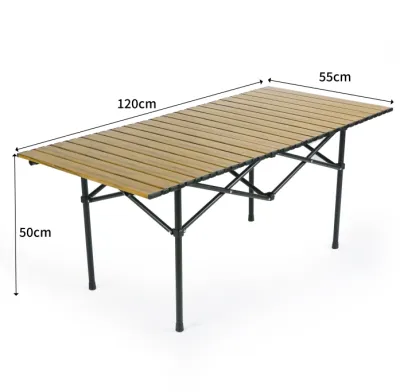
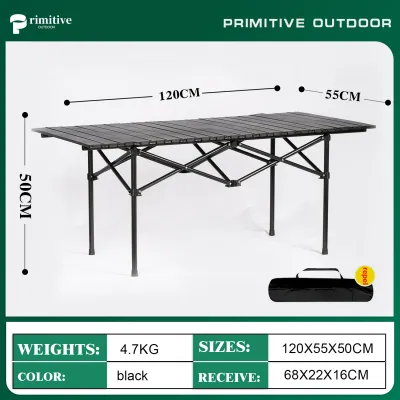
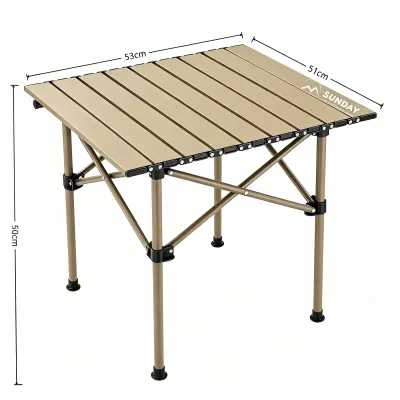
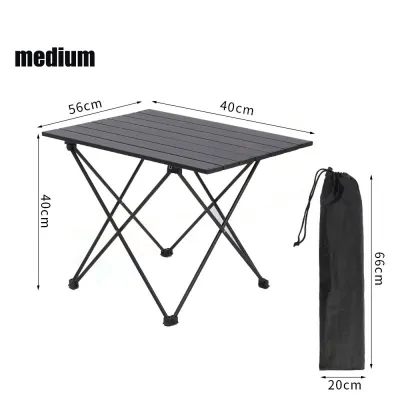
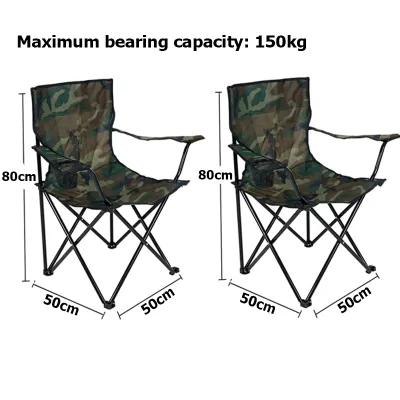
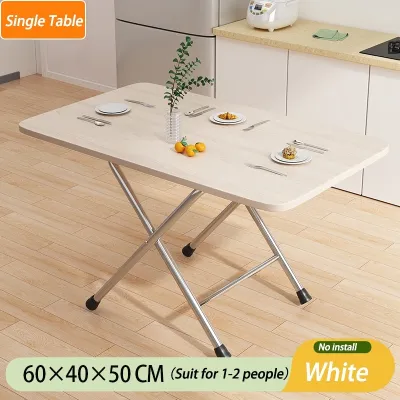
Prices are valid at publication and may change. Please refer to the product page for the latest price.
Your primary use case will dictate the necessary surface area of your portable small table. If you only plan to enjoy a morning cup of coffee or a single evening cocktail, a compact round table with a diameter of 50 centimeters is often sufficient. However, if you intend to host casual dining for two or set up a complete cocktail mixing station with bottles, ice buckets, and glassware, look for a rectangular or drop-leaf design that offers at least 70 to 80 centimeters of usable length.
Finally, consult your condominium or subdivision building administration guidelines. Many high-rise developments in the Philippines enforce strict rules regarding balcony furniture. These regulations may restrict the maximum weight of items placed near the railing, prohibit certain materials due to fire safety, or ban furniture that is not securely anchored or easily brought indoors during high winds. Knowing these rules beforehand prevents costly compliance issues later.
Essential Features for a Balcony Bar Table
A balcony bar table must offer exceptional structural integrity despite its compact size. Because outdoor tiles are often slightly sloped to facilitate rainwater drainage, a table with a poorly designed base will wobble or tip easily. Look for tables featuring adjustable leveling feet, which allow you to compensate for uneven flooring and ensure a perfectly flat surface for your glassware.

Weight distribution is equally critical for stability. A table with a wide, weighted base or a low center of gravity is far less likely to tip over during sudden gusts of wind. When reviewing product specifications, check the manufacturer’s rated weight capacity to ensure the frame can support your intended load without bowing or shaking. A reliable small table should comfortably support at least 15 to 20 kilograms of evenly distributed weight.
The mechanism used for portability must be smooth and robust. If you plan to store the table indoors after every use, the folding or nesting joints must operate without sticking or requiring excessive force. Avoid complex multi-step folding systems that increase the risk of mechanical failure over time, and prioritize simple, locking hinges that secure the table firmly in both its open and closed positions.
Material and Weather Resistance
The tropical climate of the Philippines presents unique challenges for outdoor furniture, making material selection a primary durability factor. When shopping, look for explicit manufacturer labels indicating UV resistance, rustproofing, or outdoor certification. Do not assume a material is weather-resistant simply because of its name; instead, verify the specific protective coatings applied during manufacturing.
Treated hardwoods, such as teak or acacia, offer a classic, warm aesthetic for a balcony bar. However, these woods require regular application of protective oils to prevent drying, cracking, and graying under intense sunlight. If you prefer a low-maintenance option, powder-coated aluminum is highly resistant to rust and lightweight enough for easy transport, though you must check that the powder coating is thick and free of chips where moisture could penetrate.
Synthetic resin and high-density polyethylene (HDPE) are excellent modern alternatives that mimic the look of wood or wicker while resisting moisture and UV degradation. These materials do not rust or rot, making them highly suitable for coastal areas with salty air. When inspecting these tables, look for solid joints and uniform color throughout the material, as thin plastic laminates can peel or warp when exposed to midday heat.
Portability and Storage Mechanisms
True portability relies on a combination of lightweight construction and secure folding mechanisms. When evaluating folding tables, inspect the hinges and locking pins to ensure they are made of corrosion-resistant metals like stainless steel. The locking mechanism must engage with a distinct click or physical lock to prevent the table from collapsing unexpectedly if it is bumped or moved.
The overall weight of the table should align with your physical lifting capacity. A table weighing between 3 to 7 kilograms is generally easy for one person to carry indoors or reposition on the balcony. If a table is too heavy, you are less likely to store it during bad weather, leaving it vulnerable to storm damage.
For larger or heavier portable tables, wheels can facilitate easy movement. However, you must verify that at least two of the casters feature reliable, heavy-duty locking brakes. Unlocked wheels on a sloped balcony can lead to dangerous drifting, potentially damaging your property or the balcony railing.
Matching Table Heights and Styles to Your Setup
Achieving a comfortable and visually appealing balcony bar corner depends heavily on matching the table height to your seating. Standard dining tables typically stand between 70 and 75 centimeters high and pair best with standard outdoor chairs. This height is ideal for relaxed meals but may not provide the elevated bar feel or clear view over a solid balcony railing.
Counter-height tables, measuring between 85 and 90 centimeters, offer a middle ground that works well with counter stools. For a true lounge or pub atmosphere, select a bar-height table, which stands between 100 and 105 centimeters high. Bar-height tables allow you to enjoy unobstructed views over the railing while standing or sitting on high bar stools, making them the preferred choice for compact balcony bar setups.
The shape of your table should maximize the flow of your balcony. Round tables are highly versatile and eliminate sharp corners, making them safer in tight spaces where you might bump into furniture. Square tables can be pushed flush against a wall or railing to save space when not in use. For extremely narrow balconies, consider a half-moon or drop-leaf table that mounts directly to the railing, allowing you to fold the surface flat against the balustrade when you need to clear the floor space entirely.
To create a cohesive design, coordinate the finish of your portable table with your existing balcony elements. If you have a modern condominium balcony with glass railings and concrete finishes, a sleek metal or dark synthetic resin table will complement the industrial aesthetic. For balconies with warm tile floors or potted tropical plants, a natural wood finish or woven synthetic wicker table will enhance the organic, relaxing atmosphere.
Building Your Shortlist: A Buyer's Evaluation Guide
When searching for a portable small table on e-commerce platforms, use precise search filters to save time and avoid unsuitable options. Filter your search by exact dimensions, material types, and height categories rather than relying on generic terms like “small table.” This ensures you only evaluate products that physically fit your pre-measured balcony space.
Always cross-reference the seller’s listed dimensions against your physical measurements. Pay close attention to the folded dimensions of the table as well; a table that folds flat to a depth of less than 10 centimeters can easily slide behind a door or into a utility closet, whereas bulkier folding designs may require dedicated storage space.
Do not rely solely on star ratings or brief aesthetic reviews. Instead, filter user reviews to look for verified buyers who mention long-term stability, exposure to rain, and ease of assembly. Look for specific feedback regarding how the table handles high winds, whether the metal parts show early signs of rust, or if the folding joints remain smooth after several months of use.
Establish a realistic budget in Philippine Pesos (₱) before you begin shopping. While basic plastic folding tables can be found for under ₱1,000, a durable, weather-resistant outdoor bar table typically ranges from ₱2,500 to ₱8,000 depending on the materials and design. Remember to factor in the cost of high-quality protective covers or specialized cleaning solutions, as these accessories are essential for extending the lifespan of your investment.
Safety, Placement, and Routine Maintenance
Once your portable small table arrives, conduct a thorough safety inspection before placing it on your balcony. Check all joints, screws, and folding hinges for loose hardware or manufacturing defects. Ensure that the protective rubber or plastic caps on the feet are securely attached; missing caps can scratch your balcony tiles and expose the metal frame to moisture, leading to rust.
When positioning your table, safety must remain your top priority. Never place the table in a way that blocks emergency exit routes, sliding doors, or access to fire escape ladders. Additionally, ensure the table does not obstruct floor drainage grates, as blocked drains can cause water to pool on your balcony during heavy tropical downpours, potentially leading to leaks or water damage.
Routine maintenance is essential to preserve the appearance and structural integrity of your table. Clean the surface regularly using a soft cloth, mild dish soap, and warm water to remove dust, pollen, and salt residue. Avoid using abrasive scrubbing pads or harsh chemical cleaners, which can strip away protective UV coatings or scratch powder-coated finishes.
During the typhoon season or periods of prolonged non-use, do not leave your portable table exposed to the elements. Fold the table and store it indoors, or secure it with a heavy-duty, waterproof fitted cover. If your table must remain outdoors, anchor it securely or place it in a sheltered corner of the balcony to prevent strong winds from lifting or tipping it, which could cause severe damage to your property or pose a safety hazard to those below.
Frequently Asked Questions (FAQ)
Can I use an indoor portable table on my balcony?
Standard indoor portable tables are not built to withstand outdoor conditions. They typically lack UV-resistant coatings, rustproof hardware, and moisture-resistant glues, meaning they will quickly warp, fade, or rust when exposed to the high humidity and intense sunlight of the Philippines. You should only use an indoor table on a fully enclosed, climate-controlled balcony, or bring it back inside immediately after your outdoor activity is finished.
What is the ideal height for a balcony bar table?
The ideal height depends on your seating preferences and balcony railing. Standard dining tables are 70 to 75 centimeters high, counter-height tables are 85 to 90 centimeters high, and bar-height tables are 100 to 105 centimeters high. For a classic bar feel that allows you to look over the balcony railing comfortably while seated, a bar-height table paired with matching 75-centimeter bar stools is highly recommended.
How do I prevent a lightweight portable table from tipping in the wind?
To stabilize a lightweight table without losing its portability, place it strategically in a sheltered corner or flush against a solid wall to minimize wind exposure. You can also use manufacturer-approved weighted bases, heavy potted plants placed on the lower shelf of the table, or removable sandbags wrapped in decorative fabric. Avoid making permanent or unsafe DIY modifications to the table’s frame, as this can compromise its structural integrity and void the warranty.
Community discussion
Share your experience or ask a question. Comments are reviewed before publication.