
Creating a private, stylish outdoor sanctuary in the Philippines requires balancing personal seclusion with the realities of a tropical climate. A well-chosen screen for garden spaces does more than block the view of neighboring windows or busy streets; it defines outdoor zones, supports climbing ornamental plants, and acts as a visual focal point. To find the ideal balance, you must evaluate how a screen interacts with intense sunlight, heavy monsoon rains, and high humidity while maintaining structural integrity.
Selecting the right garden screen involves assessing your specific privacy goals alongside the physical conditions of your yard or balcony. Because tropical weather can rapidly degrade outdoor fixtures, focusing on material resilience, proper anchoring, and airflow is essential. By understanding the trade-offs between natural wood, modern metals, and woven fibers, you can select a screen that enhances your home’s exterior design while standing up to the elements year after year.
Core Criteria for Evaluating Garden Screens
Before browsing online marketplaces or visiting local garden centers, defining your exact functional requirements will prevent costly purchasing mistakes. Privacy density is the first major consideration. If your goal is to completely block the view from a neighboring house, you will need a solid or highly dense screen. However, if you simply want to soften the view of a concrete perimeter wall or create a gentle boundary between a patio and a lawn, a semi-permeable trellis or laser-cut panel with an open pattern is often more appropriate.
Products mentioned in this guide
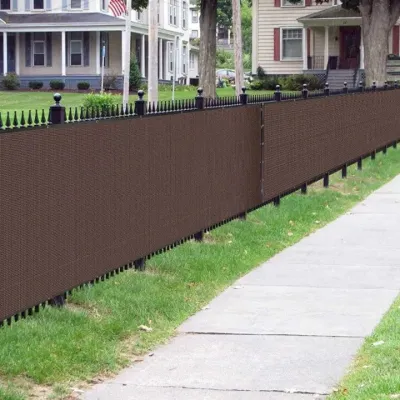
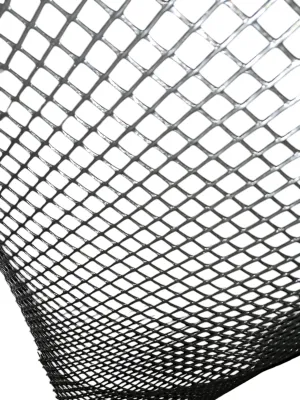
Prices are valid at publication and may change. Please refer to the product page for the latest price.
In the Philippines, airflow is just as critical as visual blockage. A completely solid barrier can block cooling breezes, turning a pocket garden or veranda into a stifling, hot space. Semi-permeable designs allow air to circulate freely, which keeps your outdoor seating areas comfortable and reduces the wind resistance of the screen itself during stormy weather. Consider how the sun moves across your garden throughout the day; a screen with geometric or organic cutouts can cast beautiful, shifting shadow patterns across your lawn or tiled patio.
Establishing a realistic budget framework in Philippine Pesos (₱) helps narrow down your material choices early in the process. While basic lightweight bamboo or plastic trellis panels may cost under ₱1,000, heavy-duty composite materials, powder-coated steel, or custom laser-cut aluminum panels can range from ₱5,000 to well over ₱15,000 per section. When planning your budget, always account for the cost of essential installation hardware, such as concrete anchors, heavy-duty L-brackets, treated wooden posts, or weighted planter bases, which are necessary to keep the structure stable.
Finally, the screen should harmonize with the architectural style of your home. A modern minimalist residence with clean lines pairs exceptionally well with geometric laser-cut metal panels in dark charcoal or bronze finishes. Conversely, a tropical contemporary home, a traditional bahay kubo-inspired space, or a lush, plant-filled garden might benefit from the organic textures of natural bamboo, woven rattan, or warm hardwood trellises. Matching the screen’s frame and color palette to your existing window frames, gates, or outdoor furniture creates a cohesive, intentional look.
Comparing Popular Screen Materials and Designs
Choosing the right material is a balancing act between aesthetic warmth and long-term durability. Natural materials offer an organic, soft appearance that blends seamlessly with living foliage, but they require regular maintenance to survive the local climate. On the other hand, manufactured materials like metals, composites, and synthetic resins provide clean lines and structural precision, often requiring far less upkeep at the expense of a higher initial investment.

The intense humidity and heavy rainfall patterns in the Philippines mean that any material left outdoors will face severe moisture stress, fungal growth, and UV exposure. Understanding how different materials react to these environmental pressures allows you to plan a realistic maintenance schedule. By comparing the structural characteristics of wood, metal, and woven fibers, you can select a screen that fits both your design vision and your willingness to perform seasonal upkeep.
Wood and Composite Trellises
Wooden garden screens bring a classic, natural elegance to outdoor spaces, but their performance depends heavily on the specific type of wood used. Natural local hardwoods like yakal or ipil are highly resistant to rot and insects, making them excellent choices for outdoor structures, though they are heavy and relatively expensive. Softwoods and untreated imported timbers, while more affordable and easier to handle, are highly susceptible to moisture absorption, warping, and termite damage in tropical conditions. Engineered wood-plastic composites (WPC) have emerged as a popular alternative, offering the visual warmth of wood with the moisture resistance of polymers, meaning they do not warp, splinter, or require constant staining.
Regardless of whether you choose natural timber or a composite, verifying the surface treatment is crucial. For natural wood screens, look for products treated with marine-grade varnishes, polyurethane sealants, or specialized outdoor wood oils that contain UV inhibitors. These coatings prevent the wood from graying under the intense tropical sun and block water from penetrating the grain during prolonged downpours. If the product description simply lists “weatherproof wood,” inspect the specifications to confirm what type of sealant was applied and how often it must be reapplied.
The structural integrity of a wooden screen is only as strong as its joints. When evaluating a trellis or slatted panel, inspect the joinery methods and corner brackets carefully. Look for stainless steel or brass screws and rust-resistant metal brackets rather than simple staples or glue, which can quickly fail when exposed to high humidity. Well-constructed frames often feature mortise-and-tenon joints or reinforced corners that prevent the screen from sagging or twisting under its own weight or the weight of climbing vines like bougainvillea or blue pea.
Metal and Laser-Cut Panels
Metal screens, particularly those featuring intricate laser-cut designs, offer a sleek, contemporary aesthetic that can transform a plain garden wall into a work of art. These panels are highly valued for their structural precision, allowing for detailed patterns ranging from abstract geometric shapes to delicate leaf and floral motifs. However, because metal is highly conductive and susceptible to environmental corrosion, selecting the right type of metal and protective finish is essential for long-term outdoor use.
Rust is the primary enemy of metal fixtures in humid environments, especially in coastal areas of the Philippines where salt air accelerates corrosion. When shopping for metal screens, prioritize aluminum or galvanized steel over untreated iron. Aluminum is naturally rust-resistant and lightweight, making it easier to install, while galvanized steel offers excellent strength. Ensure the panel has a high-quality, multi-layer powder-coated finish, which acts as a durable barrier against moisture, scratches, and UV fading. Avoid panels with simple spray-painted finishes, as these can chip easily and expose the underlying metal to rust.
The weight of a metal panel significantly influences how it must be installed. Heavy steel panels require robust structural support, meaning they cannot simply be hung from a thin wooden fence or a lightweight drywall surface. You must assess whether your existing walls can bear the load or if you need to install dedicated metal or concrete posts. Additionally, pay close attention to the open-area percentage of the laser-cut pattern. A pattern that is too dense acts as a solid wind sail, catching strong gusts during typhoons and putting immense stress on the mounting points, whereas a more open, balanced pattern allows wind to pass through safely.
Bamboo and Woven Naturals
For a classic tropical aesthetic, bamboo and woven natural fibers like rattan, cogon grass, or reed screens are unmatched in their organic charm and relaxed, resort-like feel. These materials are lightweight, highly flexible, and relatively easy to install, making them popular choices for quick privacy upgrades on balconies, patios, or along existing wire fences. However, because they are organic, they are highly sensitive to the elements and require careful evaluation before purchase.
The weakest point of any natural woven screen is rarely the bamboo or reed itself, but rather the binding materials used to hold the pieces together. Cheap screens often use thin, untreated iron wire or low-grade nylon strings that rust, rot, or snap after a single rainy season, causing the entire screen to unravel. Look for screens bound with heavy-duty galvanized wire, stainless steel wire, or UV-treated synthetic cords. Inspecting these connection points before installation can save you from having to rebuild or replace the screen prematurely.
If you love the look of woven textures but want to avoid the high maintenance of natural fibers, synthetic resin or high-density polyethylene (HDPE) alternatives are excellent options. These engineered materials are designed to mimic the appearance of natural rattan or split bamboo while offering complete resistance to moisture, rot, mold, and wood-boring insects. Synthetic woven screens do not absorb water, meaning they will not become heavy or sag during heavy rains, and they can be easily cleaned with a quick spray from a garden hose.
When opting for natural bamboo or reed screens, it is important to set realistic expectations regarding their lifespan. In a hot, humid climate, natural untreated bamboo screens typically last between two to five years before they begin to show signs of decay, discoloration, or structural weakening. To maximize their lifespan, ensure they are installed slightly off the ground to prevent them from sitting in standing water, and be prepared to apply a fresh coat of clear outdoor varnish or bamboo sealer every year to protect them from moisture and sun damage.
Sizing, Clearance, and Installation Checks
A beautiful garden screen can quickly become a source of frustration if it does not fit your space or if it fails during the first major storm. Accurate measurement is the foundation of a successful installation. Before purchasing any screen, measure the exact width and height of the designated area, taking care to check for overhead obstructions like roof eaves, low-hanging tree branches, or outdoor light fixtures. Ensure the ground is level; if you are installing a screen on an uneven lawn or a sloping concrete patio, you will need to plan for adjustable feet, custom shims, or a gravel base to keep the panels perfectly plumb.
Clearance is another critical factor that is easily overlooked. Ensure the screen does not obstruct walkways, emergency exit paths, or the swing radius of nearby gates and doors. If you are placing the screen near active garden beds, leave enough clearance at the base to allow for routine weeding, watering, and soil maintenance without damaging the bottom of the panel. For balcony installations, check that the screen does not block drainage ports or scuppers, which could lead to standing water and localized flooding during heavy downpours.
The installation method you choose must match both the screen material and the mounting surface. Freestanding screens offer the most flexibility and are ideal for renters, but they require a wide, stable base or integrated planter boxes filled with heavy soil or gravel to prevent tipping. Wall-mounted screens must be secured to structurally sound masonry or concrete walls using appropriate expansion bolts or masonry anchors. For soil installations, anchoring posts deep into the ground—ideally secured with a concrete footing—is the most reliable way to ensure the screen remains upright and stable over time.
Wind load resistance is a non-negotiable consideration in the Philippines, where tropical depressions and typhoons bring powerful winds. A solid, non-permeable screen acts like a sail, absorbing the full force of the wind and transferring that stress directly to its anchors. To prevent catastrophic failure, use heavy-duty anchoring hardware such as thick steel L-brackets, deep ground spikes, or concrete-set posts. If you live in a high-wind area or on an upper-floor condo balcony, choosing a highly permeable screen pattern or a modular system that can be easily disassembled or laid flat before a storm is a smart, preventative strategy.
Before finalizing your purchase and starting the installation, always verify the guidelines set by your homeowner association (HOA) or local barangay office. Many residential subdivisions and condominium complexes have strict rules regarding the maximum height of boundary fences, the types of materials permitted, and how close a structure can be placed to a shared property line. Obtaining the necessary approvals beforehand prevents neighbor disputes and avoids the costly headache of having to modify or tear down your newly installed privacy screen.
Long-Term Care and Weatherproofing
To keep your garden screen looking pristine and structurally sound, establishing a regular maintenance routine is essential. Cleaning methods should always be tailored to the specific material to avoid stripping away protective finishes. For metal, composite, and synthetic resin screens, a gentle wash with a soft brush, mild dish soap, and warm water is usually sufficient to remove accumulated dust, pollen, and bird droppings. Avoid using abrasive scrubbing pads, steel wool, or harsh chemical solvents, as these can scratch powder coatings, dull composite surfaces, or degrade synthetic fibers.
Natural wood and bamboo screens require a bit more attention to combat the effects of moisture and UV exposure. At least once a year, thoroughly clean the screen and inspect it for signs of mold, mildew, or wood rot. If you notice areas where the protective varnish or oil has worn thin, lightly sand the surface and apply a fresh coat of high-quality outdoor wood sealer or marine varnish. For natural bamboo, applying a specialized bamboo protector helps retain its natural color and prevents the outer skin from splitting or cracking under the hot sun.
Regular structural inspections should be scheduled at least twice a year, ideally before and after the rainy season. Check all mounting hardware, brackets, screws, and anchors for signs of loosening, rust, or structural fatigue. Tighten any loose fasteners and replace rusted screws with stainless steel or brass alternatives. If you have a screen supported by wooden posts set in the ground, inspect the base of the posts just above the soil line, as this is where moisture accumulates and rot is most likely to develop.
While many minor issues can be resolved with simple DIY maintenance, it is important to recognize when a screen requires professional attention or complete replacement. If you observe significant structural warping, deep cracks in load-bearing wooden frames, extensive rust that has eaten through metal joints, or loose concrete footings, attempting a quick fix can be unsafe. In these situations, consult a qualified contractor or the manufacturer to assess whether the structure can be safely reinforced or if it must be replaced to prevent a potential tip-over hazard.
Frequently Asked Questions (FAQ)
Can I install a garden screen directly on a shared boundary wall?
Installing a garden screen directly onto a shared boundary wall requires careful legal and structural consideration. Before drilling any holes, you must verify the exact location of your property line and obtain written consent from your neighbor or homeowner association, as shared walls are often co-owned. Structurally, boundary walls are engineered to support their own weight and may not be designed to handle the additional lateral wind load or vertical weight of a heavy metal or wooden screen. Adding a screen without verifying the wall’s load-bearing capacity can lead to structural cracking, tilting, or even collapse during strong winds, potentially making you liable for damages.
How do I prevent a freestanding screen from tipping in strong winds?
To keep a freestanding garden screen stable during gusty weather, you must lower its center of gravity and reduce its wind resistance. Utilizing heavy, wide-base planter boxes filled with dense soil, gravel, or heavy potted plants at the base of the screen provides excellent ballast. Additionally, choosing a screen design with a semi-permeable pattern—such as an open trellis, a lattice, or a laser-cut panel with at least 30% to 40% open space—allows wind to pass through the screen rather than pushing against it. For temporary setups, using heavy-duty sandbags or securing the screen to nearby heavy patio furniture can offer extra stability, but temporary screens should always be moved indoors or laid flat on the ground when severe weather warnings are issued.
Community discussion
Share your experience or ask a question. Comments are reviewed before publication.