
Finding the most suitable sliding kitchen table for a compact home in the Philippines requires balancing space efficiency with structural reliability. In high-density urban areas like Metro Manila or Metro Cebu, where condominiums and studio apartments often feature limited kitchen footprints, a sliding table serves as a vital multi-functional asset. The most practical options are those that seamlessly transition from a compact prep surface to a full dining setup without compromising your kitchen’s workflow or structural safety. To make an informed purchase, you must look beyond aesthetics and evaluate the physical mechanisms, material resilience under tropical conditions, and precise spatial clearances.
Investing in a sliding table can transform a cramped cooking area into a highly functional, social space. However, because these tables rely on moving parts, they are subject to more wear and tear than traditional stationary furniture. Understanding how to assess the quality of the sliding mechanism and how to plan your space will prevent common buying mistakes and ensure your new furniture stands up to daily use.
Key Features to Evaluate When Choosing a Sliding Table
Track and roller mechanisms are the most critical components of any sliding table. In a kitchen environment, food crumbs, spilled liquids, and airborne grease can easily find their way into open tracks, causing the mechanism to stick or grind over time. Look for enclosed track systems or self-cleaning rollers that shield the moving parts from debris. Metal tracks, particularly those made of stainless steel or powder-coated aluminum, offer high resistance to wear and rust compared to plastic alternatives. Ensure the mechanism includes a reliable locking feature to prevent the table from sliding unexpectedly during use.
Products mentioned in this guide
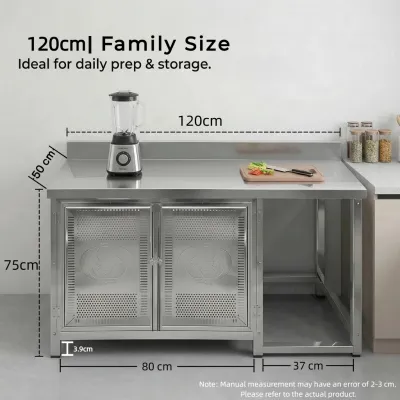
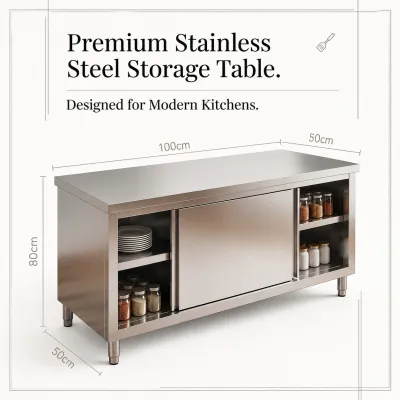
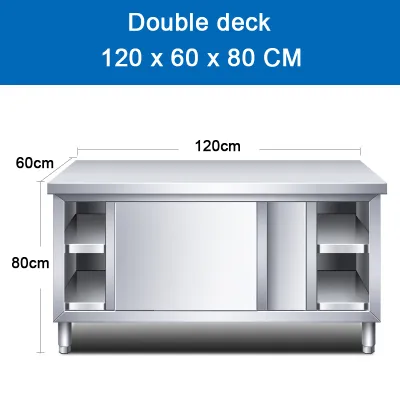
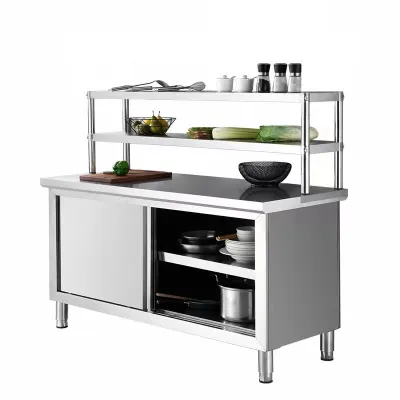
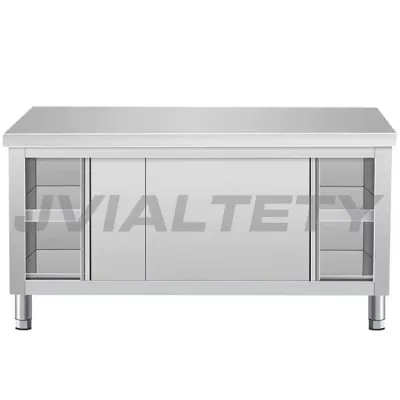
Prices are valid at publication and may change. Please refer to the product page for the latest price.
Surface materials must withstand the unique challenges of a tropical climate. High humidity levels in the Philippines can cause low-grade particle boards or untreated wood veneers to swell, warp, or delaminate over time. Prioritize high-pressure laminates (HPL), solid hardwoods treated with moisture-resistant sealants, or engineered quartz surfaces. These materials offer the necessary heat tolerance for hot cookware and resist moisture from humid air and frequent wipe-downs.
The support structure dictates how safely the table functions when fully extended. A sliding table cantilevered from a cabinet or wall requires robust anchoring or heavy-duty support legs to prevent tipping. When evaluating freestanding models, check the weight distribution of the base. A heavier base prevents the unit from shifting or tipping when you apply downward pressure on the extended edge. Look for models with adjustable leveling feet to compensate for uneven kitchen tiling.
Hardware quality is another factor that directly impacts longevity. Inspect the hinges, brackets, and screws used in the assembly. High-quality, rust-resistant hardware ensures that the joints remain tight even with frequent expansion and retraction. If you are shopping in a physical showroom, test the sliding action multiple times to check for any resistance, squeaking, or lateral wobble.
Space Planning and Measurement for Compact Kitchens
Accurate spatial planning is the foundation of a successful kitchen layout. Before browsing online marketplaces or visiting local showrooms, you must measure your kitchen’s exact footprint. Start by mapping out the retracted footprint of the table to ensure it does not block primary work zones, such as the triangle between your refrigerator, sink, and cooking range.

Next, calculate the fully expanded dimensions of the sliding table. You need to maintain a minimum clearance of 60 to 90 centimeters around the perimeter of the extended table. This clearance allows family members to pull out chairs, sit comfortably, and walk past without colliding with walls, cabinets, or hot appliances. If your kitchen features low-level drawers or oven doors that swing outward, verify that the extended table does not obstruct their path of motion.
Do not overlook the logistics of delivery and assembly. Many residential buildings and condominiums in the Philippines have strict rules regarding elevator dimensions and narrow stairwells. Measure the width and height of your entryways, hallway corners, and elevator doors. Compare these measurements against the manufacturer’s packaged shipping dimensions to guarantee the product can safely reach your kitchen without requiring complex disassembly or risking damage to your walls.
Consider the height of your existing seating when planning your space. If you plan to use your current dining chairs or bar stools, measure their seat height to ensure they fit comfortably under the sliding table’s clearance. Some sliding tables are designed at standard counter height (around 90 centimeters), while others match standard dining height (around 75 centimeters). Matching these heights correctly prevents discomfort during meals.
Matching Sliding Table Designs to Your Kitchen Layout
Selecting the right design configuration depends heavily on your existing kitchen architecture. Built-in cabinet sliders are excellent for integrated layouts. These systems are installed directly inside your kitchen island or counter cabinetry, pulling out like a drawer to reveal an instant prep station or dining surface. While they require professional installation and precise alignment with your existing cabinetry, they offer a completely flush, hidden profile when retracted.
Freestanding mobile units provide greater flexibility for open-plan living spaces or rental properties where permanent modifications are not permitted. These tables often feature heavy-duty, lockable caster wheels, allowing you to roll the unit against a wall during food preparation and move it to the center of the room for dining. When choosing a mobile unit, ensure the casters are made of non-marking polyurethane to protect your tile or vinyl flooring from scratches.
Drop-leaf and sliding hybrids combine two space-saving mechanisms to offer maximum adaptability in extremely tight spaces. These designs typically feature a sliding base that extends outward, paired with a hinged leaf that flips up to double the surface area. This hybrid approach allows you to scale the table size incrementally based on whether you are preparing a quick solo meal or hosting a small gathering of guests.
Wall-mounted sliding tables are another option for narrow galley kitchens. These tables fold down flat against the wall when not in use and slide along a wall-mounted rail to position the surface exactly where you need it. This design completely frees up floor space, making it easier to sweep and mop your kitchen floor. However, they require secure anchoring into solid concrete or wall studs to ensure they can support weight safely.
How to Build and Verify Your Product Shortlist
Building a reliable shortlist requires systematic verification of product specifications. When browsing online platforms, do not rely solely on promotional images, which can often make furniture appear larger or more stable than it is in reality. Create a comparison spreadsheet to cross-check the exact retracted and extended dimensions, the primary materials used in the frame and surface, and the maximum weight capacity specified by the manufacturer.
Analyze customer reviews with a critical eye, focusing on long-term performance rather than initial appearance. Look for feedback from buyers who have used the table for several months, paying close attention to comments regarding track alignment, ease of assembly, and structural wobble. In the Philippines, reviews that mention how the materials hold up during the rainy season or high-humidity months can provide valuable clues about the product’s durability.
Finally, review the seller’s warranty and return policies before finalizing your purchase. Because sliding tables rely on moving mechanical parts, verify if the warranty covers track mechanisms, rollers, and structural hardware. Confirm who bears the cost of return shipping for bulky items if the product arrives with missing components or manufacturing defects, as returning large furniture pieces can be costly and logistically challenging.
Reach out to the seller directly if any specifications are unclear. Ask for the exact weight capacity of the extended portion and inquire if the assembly instructions are included in the package. A responsive and helpful seller is often a good indicator of reliable customer service should you encounter any issues during assembly or use.
Frequently Asked Questions (FAQ)
Can a sliding kitchen table support heavy appliances?
To determine if a sliding kitchen table can safely support heavy appliances like microwave ovens, rice cookers, or stand mixers, you must consult the manufacturer’s explicit load capacity rating. Never assume a table can support heavy items based on its visual thickness or material type. Exceeding the specified weight limit can warp the sliding tracks, damage the roller bearings, or cause the entire unit to tip over. If you plan to place appliances on the table permanently, look for models with dedicated support legs that rest directly on the floor when extended, rather than cantilevered designs that rely solely on wall or cabinet anchors.
Additionally, consider the vibration of appliances like blenders or food processors. The movement from these devices can cause a less stable sliding table to wobble, potentially loosening the mechanical joints over time. For safety, operate high-vibration appliances on a fixed countertop rather than an extended sliding surface.
How do I maintain the sliding tracks in a humid kitchen?
Maintaining sliding tracks in a humid tropical environment requires regular, simple upkeep to prevent rust and ensure smooth operation. Perform a visual inspection every few weeks to check for accumulated dust, food crumbs, or moisture. Clean the tracks using a dry microfiber cloth or a soft-bristled brush to remove debris without scratching the metal. Avoid using harsh chemical cleaners or heavy grease, which can attract dirt and clog the mechanism. Instead, refer to the manufacturer’s care instructions for recommended dry lubricants, such as silicone sprays, which protect metal parts from humidity without creating a sticky residue.
If your kitchen experiences high humidity during the monsoon season, consider using a dehumidifier or ensuring proper ventilation in the cooking area. Keeping the air circulating helps prevent moisture from condensing on the metal tracks, reducing the risk of corrosion and keeping the sliding mechanism operating smoothly for years to come.
Community discussion
Share your experience or ask a question. Comments are reviewed before publication.