
Maximizing storage in a compact kitchen requires a careful balance of durability, moisture resistance, and smart spatial planning. In tropical environments where high humidity, frequent cooking heat, and limited floor plans are the norm, standard wooden or particle-board cabinets can quickly warp, harbor mold, or succumb to pest damage. A stainless cabinet offers a robust, hygienic, and long-lasting alternative, provided you select the right configuration and material grade for your specific cooking environment.
To find the ideal setup, you must evaluate how a cabinet fits into your daily workflow, how its dimensions align with your physical space, and how well its construction handles the local climate. By focusing on modularity, mobility, and verified material specifications, you can transform a cramped cooking area into an efficient, organized culinary workspace.
Top Stainless Steel Cabinet Configurations for Compact Spaces
Selecting the right cabinet configuration depends heavily on the layout of your kitchen and the specific items you need to store. Different designs solve distinct spatial challenges, allowing you to reclaim underutilized areas without making the room feel closed-in.
Products mentioned in this guide
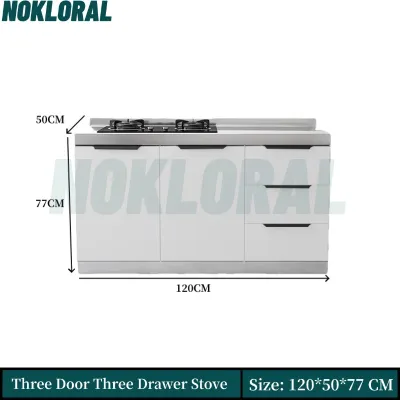
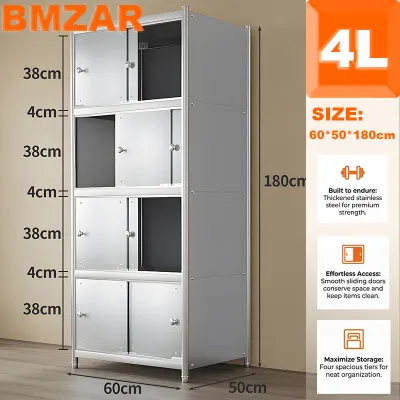
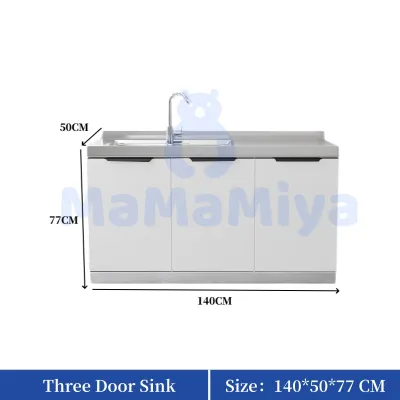
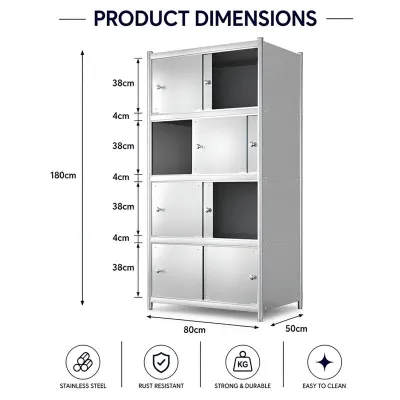
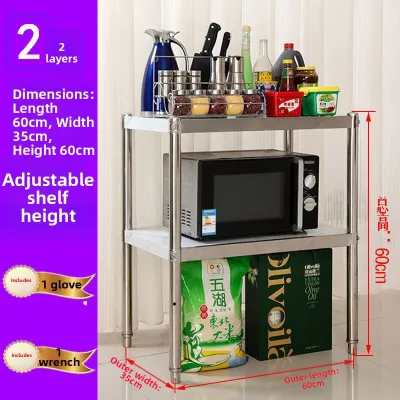
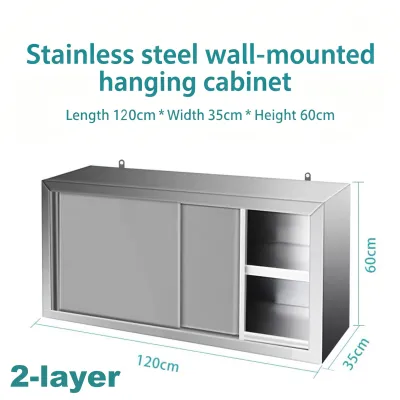

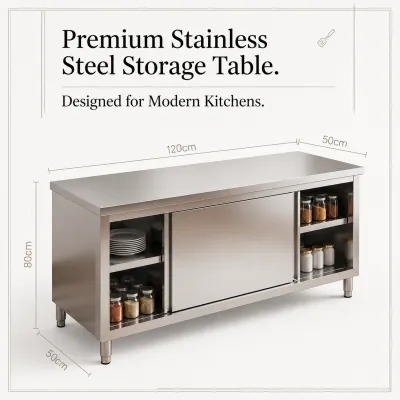
Prices are valid at publication and may change. Please refer to the product page for the latest price.
Mobile kitchen carts and utility islands equipped with locking casters offer exceptional flexibility for dynamic cooking spaces. These units serve as prep stations when positioned next to your main stove, and they can be rolled out of the way against a wall or into a dining area when you need clear floor space. When choosing a mobile cart, look for models with heavy-duty polyurethane wheels that glide smoothly over tiled floors without leaving marks, and ensure at least two of the wheels feature reliable step-down locks to keep the station secure during food preparation.
Slim slide-out gap cabinets are engineered to exploit the narrow, often wasted spaces that exist between major appliances or structural features. These vertical, multi-tiered shelving units are typically between 15 and 25 centimeters wide, making them perfect for fitting into the gap between your refrigerator and the wall, or between a gas range and a sink counter. Because they slide out on integrated rollers, they allow you to store a large volume of condiments, spices, and bottled oils in a highly accessible format without consuming valuable counter space.
Wall-mounted stainless steel shelving and upper cabinets are essential for freeing up floor area in narrow galley kitchens or compact condominium units. By shifting your storage upward, you keep walkways clear while keeping frequently used items like plates, bowls, and spices within arm’s reach. Open wire shelving is particularly useful in humid environments because it maximizes air circulation and prevents dust from settling, while closed wall cabinets with sliding doors offer a clean, streamlined look that hides clutter without requiring extra clearance space to open.
Multi-tier under-sink organizers are designed specifically to reclaim the awkward, moisture-prone space beneath your kitchen sink. This area is notoriously difficult to organize due to the presence of drainage pipes, water filtration systems, and flexible hoses. Specialized stainless steel under-sink racks feature expandable frames and removable shelf panels that can be configured around plumbing obstacles, allowing you to neatly store cleaning supplies, dish soaps, and trash bins off the cabinet floor.
Essential Features to Evaluate Before Buying
Not all stainless steel cabinets are constructed equally, and understanding the technical specifications of the metal will help you avoid premature wear, rust, or structural failure. Evaluating these key features ensures your investment remains durable and functional for years to come.

Checking manufacturer labels for the specific grade of stainless steel is the most critical step in assessing long-term durability. Grade 304 stainless steel contains high levels of chromium and nickel, making it highly resistant to corrosion, rust, and food acids, which makes it the preferred choice for wet areas near the sink or stove. Grade 201 stainless steel is a more budget-friendly alternative that offers excellent structural strength but contains less nickel, meaning it is more susceptible to surface rust if exposed to constant moisture or salty air without regular maintenance.
Evaluating ventilation designs is crucial for preventing moisture buildup, musty odors, and mold growth inside your storage units. In warm, humid climates, sealed metal cabinets can trap damp air, especially if you store dishes that are not completely dry. Look for cabinets that feature slatted doors, perforated back panels, or wire-mesh inserts that promote continuous airflow, keeping your cookware dry and hygienic.
Verifying adjustable shelving and modular inserts allows you to customize the interior layout of your cabinet as your storage needs evolve over time. Fixed shelves limit your ability to store tall stockpots, rice cookers, or stacked mixing bowls, leading to wasted vertical space. Opt for cabinets that feature pre-drilled peg tracks or adjustable support clips, which allow you to raise or lower individual shelves in small increments to match the exact height of your kitchen gear.
Reviewing stated weight capacities and structural bracing prevents the metal shelves from bowing or buckling under the weight of heavy cast-iron pans, mortar and pestles, or small appliances. High-quality stainless steel cabinets should feature under-shelf support ribs or triangular corner gussets that distribute weight evenly across the frame. Always check the manufacturer’s specifications for the maximum load capacity per shelf, and avoid overloading the unit beyond these recommended limits.
How to Measure and Plan Your Kitchen Layout
A common mistake when purchasing kitchen furniture is relying on visual estimates rather than precise measurements, which can lead to units that block walkways or prevent other appliances from opening. Careful planning ensures your new cabinet integrates seamlessly into your existing kitchen footprint.
Begin by measuring the exact floor clearances, ceiling heights, and walkway widths of your kitchen using a metal measuring tape. Walkways should ideally remain at least 90 centimeters wide to allow comfortable movement, especially when carrying hot pots or groceries. If your kitchen is a high-traffic zone, ensure that adding a new cabinet will not restrict this clearance or create a bottleneck near the entrance.
Account for the full swing radius of all appliance doors, cabinet drawers, and main entryways in the room. Open your refrigerator, oven, and existing cabinet doors completely, and measure the remaining clearance to ensure a new stainless steel unit will not obstruct their path. For tight spaces, consider cabinets with sliding doors or open shelving, which eliminate the need for front clearance when accessing stored items.
Identify wall stud locations and pipe placements before purchasing mounted or under-sink units. Wall-mounted cabinets are heavy, and when loaded with ceramic dishes or canned goods, they require secure anchoring into wooden studs or concrete walls using appropriate masonry anchors. Never mount heavy cabinets directly into unsupported drywall or thin plywood partitions, as this can lead to structural failure and serious injury.
Plan for electrical outlet access if you intend to use the cabinet or cart as a station for small appliances like microwaves, rice cookers, or blenders. Ensure the cabinet does not block existing wall outlets, and verify that appliance cords can reach the outlets safely without being stretched tight or draped over hot cooking surfaces. If necessary, look for mobile carts that feature integrated power strip mounts or cord management clips to keep cables organized and dry.
Sourcing and Verifying Your Purchase
Whether you are shopping on online marketplaces or visiting local home improvement centers, verifying the quality and specifications of a cabinet before payment will save you time and return shipping costs. Use a systematic checklist to evaluate your options.
Cross-reference the product’s fully assembled dimensions with your measured space, and do not forget to check the packaging dimensions as well. A cabinet may fit perfectly in your kitchen, but if the shipping box is too large to fit through your front door, up a narrow stairwell, or inside a condominium elevator, delivery will be highly problematic. If you live in a multi-story building, verify these access clearances with your building administration before ordering.
Read user reviews on ecommerce platforms carefully, focusing specifically on feedback regarding assembly difficulty, hardware quality, and real-world rust resistance. Look for reviews written by buyers who have used the product for several months, as these often reveal whether the metal begins to spot or rust under daily use. Pay close attention to comments about the clarity of the assembly manual and whether all necessary screws, brackets, and tools are included in the package.
Check the seller’s return policies, shipping fees, and warranty coverage for structural defects before finalizing your purchase. Heavy stainless steel items can be expensive to ship, so verify whether the seller covers return shipping costs in the event of a manufacturing defect or shipping damage. A reputable manufacturer should offer a clear warranty on welds, hinges, and structural integrity, giving you peace of mind regarding your investment.
Inspect the weld quality, edge finishing, and wheel stability in person if you are buying from a physical showroom. Run your hand carefully along the corners, seams, and undersides of the shelves to ensure there are no sharp burrs or rough welds that could cause cuts or snag cleaning cloths. If evaluating a mobile cart, push it across the floor to verify that the casters roll smoothly, rotate without sticking, and lock securely without wobbling.
Maintenance and Care for Longevity
While stainless steel is exceptionally durable, it still requires regular care to maintain its protective oxide layer and prevent surface staining in high-humidity environments. Establishing a simple maintenance routine will keep your cabinets looking clean and professional.
Implement a daily wiping routine using a soft microfiber cloth and a mild dish detergent diluted in warm water to remove grease, fingerprints, and food splatters. Always wipe in the direction of the brushed metal grain rather than in circular motions, as this helps preserve the original finish and prevents micro-scratches. After cleaning, dry the surface thoroughly with a clean towel to prevent water spots and mineral deposits from forming.
Avoid using abrasive scrubbers, steel wool, or harsh chemical cleaners that contain chlorine bleach, ammonia, or acid. These abrasive materials and chemicals can scratch the smooth surface and strip away the chromium oxide layer that protects the steel from rusting. If you encounter stubborn grease or burnt-on food residues, apply a paste of baking soda and water, let it sit for a few minutes, and then gently wipe it away with a soft sponge.
Check for and clear any water pooling in bottom trays, under-sink areas, or shelf corners on a weekly basis. Standing water, especially when mixed with soap residue or food particles, can lead to crevice corrosion over time, even on high-grade stainless steel. Keeping these areas dry is particularly important in under-sink cabinets where slow pipe leaks can go unnoticed for weeks.
Perform a periodic inspection of all moving parts, including door hinges, drawer slides, and caster wheels, every few months. Tighten any screws or bolts that may have loosened from daily use, and apply a small amount of food-safe silicone lubricant to squeaky wheels or stiff hinges to ensure smooth operation. This simple check prevents mechanical wear and extends the overall lifespan of your cabinet.
Frequently Asked Questions (FAQ)
Will stainless steel cabinets rust in a humid kitchen?
Stainless steel is highly resistant to rust, but it is not completely immune to corrosion under extreme conditions. In a humid kitchen, surface rust can develop if moisture, salt, or acidic food spills are left on the metal for extended periods. Choosing Grade 304 stainless steel provides superior resistance to these environmental factors compared to Grade 201. To prevent rust, keep the cabinet dry, clean up spills immediately, and avoid using harsh chemical cleaners that contain chlorine or bleach, which can break down the metal’s protective surface layer.
Are mobile stainless steel carts safe for heavy appliances?
Yes, mobile stainless steel carts are safe for heavy appliances like microwave ovens, air fryers, or stand mixers, provided you follow proper weight distribution and safety guidelines. Always check the manufacturer’s stated weight capacity for each shelf and ensure your appliance falls well within that limit. To maintain stability and prevent the cart from tipping over, place the heaviest appliances on the bottom shelf to keep the center of gravity low. Additionally, always engage the wheel locks on the casters before operating any appliance on the cart to prevent unexpected movement.
Community discussion
Share your experience or ask a question. Comments are reviewed before publication.