
Integrating a teddy sofa bed into a Japandi-style living room in the Philippines requires a thoughtful balance of texture, form, and climate suitability. Japandi design—a harmonious blend of Japanese minimalism and Scandinavian warmth—emphasizes clean lines, natural materials, and functional simplicity. Teddy fabric, with its characteristic looped, nubby texture, introduces a layer of tactile warmth that prevents minimalist spaces from feeling cold or sterile. However, because a sofa bed must serve as both a comfortable daytime seat and a supportive nighttime sleeper, selecting the right piece involves looking beyond surface aesthetics.
In the Philippine context, where urban living spaces like condominiums often demand multi-functional furniture, a teddy sofa bed is an excellent space-saving solution. The challenge lies in finding a design that respects the airy, uncluttered principles of Japandi style while standing up to the tropical climate. By focusing on low-profile silhouettes, breathable fabric compositions, and robust mechanical frames, you can create a serene, cozy oasis that transitions seamlessly from a stylish lounge to a welcoming guest bed.
What Defines a Japandi-Style Teddy Sofa Bed?
To successfully merge the plush, organic texture of teddy fabric with the disciplined lines of Japandi design, you must focus on visual harmony. Teddy fabric is inherently soft and visually heavy due to its dense, looped pile. To prevent this texture from overwhelming a minimalist room, the sofa bed itself must feature a highly structured, low-profile silhouette. Look for clean, geometric shapes, straight lines, and gently rounded corners that soften the overall form without adding unnecessary ornamentation.
Products mentioned in this guide
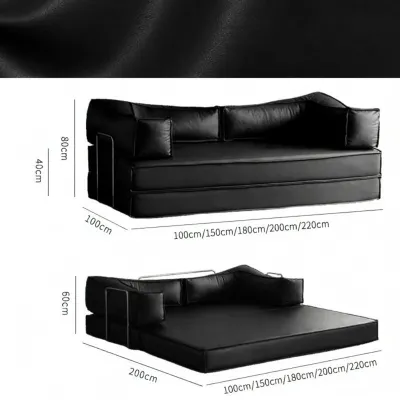
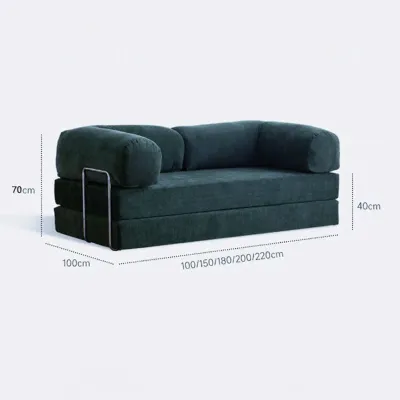
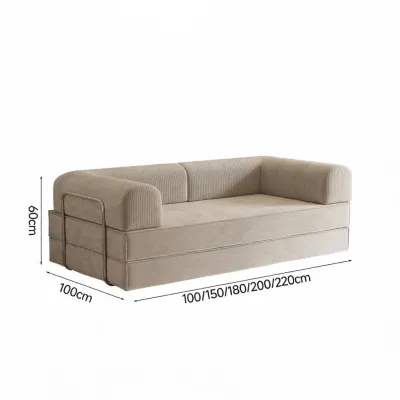
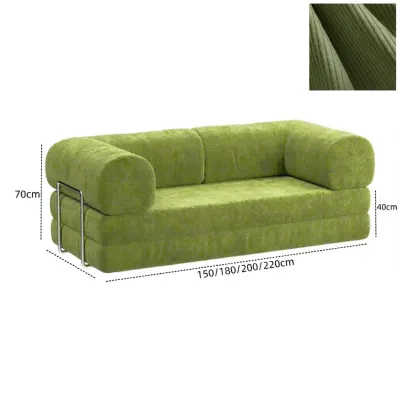
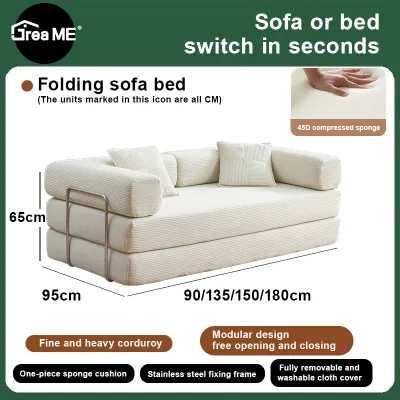
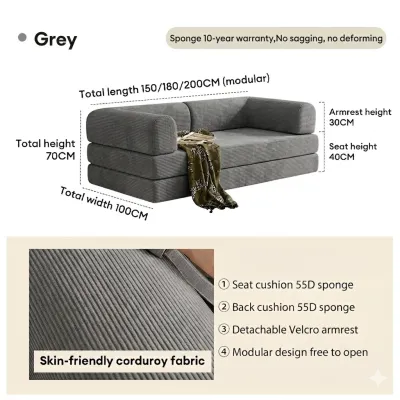
Prices are valid at publication and may change. Please refer to the product page for the latest price.
Color selection plays a pivotal role in maintaining the calm, grounded atmosphere characteristic of Japandi interiors. Opt for a palette of warm neutrals, earthy tones, and muted shades. Cream, oatmeal, soft beige, sand, and light taupe are ideal choices that reflect natural light, making your living room feel larger and more open. These colors also complement the natural wood tones commonly found in Japandi furniture, such as light oak, ash, or rubberwood, creating a cohesive and soothing environment.
The design of the legs and base is another critical element that defines the style of the sofa bed. To maintain an airy, elevated look, choose models with exposed wooden legs that taper slightly, drawing inspiration from mid-century modern and Scandinavian design. If you prefer a more grounded, Japanese-inspired aesthetic, look for a hidden plinth base or a low-slung platform frame. The key is to ensure that the base supports the dual-function mechanism while remaining visually unobtrusive, allowing the textured teddy fabric to be the main focal point.
Key Selection Criteria for Your Space
Before purchasing a teddy sofa bed, accurate spatial planning is essential to ensure the piece fits comfortably within your living room layout. Begin by measuring the available floor space for both configurations: the seated sofa position and the fully extended bed. It is a common mistake to only measure the sofa footprint, only to find that the extended bed blocks vital walkways or prevents nearby doors and cabinets from opening. Aim to maintain at least 50 to 60 centimeters of clearance around the extended bed to allow for comfortable movement.

Proportions and scale are equally important when selecting furniture for a Japandi-style room. A massive, high-backed sofa can easily dominate a small space and disrupt the minimalist flow. Instead, prioritize low-back designs and streamlined, narrow, or armless profiles. Armless sofa beds are particularly effective for compact Philippine apartments, as they maximize the usable seating and sleeping surface without adding unnecessary width to the overall footprint.
The type of folding mechanism also dictates both the usability and the visual bulk of the sofa bed. Click-clack mechanisms are popular for their simplicity and sleek profiles, as the backrest simply folds down flat to align with the seat. However, they often require you to pull the sofa away from the wall before converting it. Pull-out drawer mechanisms or fold-out frames offer a deeper, more traditional mattress feel but may feature a heavier base structure. Evaluate how often you plan to convert the sofa bed and choose a mechanism that balances ease of operation with a clean, streamlined appearance.
Evaluating Teddy Fabric for Tropical Climates
While teddy fabric is celebrated for its cozy, inviting texture, its performance in the warm and humid climate of the Philippines requires careful evaluation. Traditional high-pile sherpa or heavy wool-blend teddy fabrics can trap body heat, making them uncomfortable for long-term sitting or sleeping in tropical weather. To ensure year-round comfort, look for low-pile bouclé or teddy fabrics made from breathable synthetic blends, such as polyester mixed with cotton or viscose, which allow for better airflow.
High humidity levels also present a challenge for dense upholstery fabrics, as trapped moisture can lead to mold, mildew, and musty odors. When shopping, inquire about the backing material of the teddy fabric; a breathable, woven backing is preferable to a solid, synthetic laminate that traps moisture. Additionally, choosing a sofa bed with a slatted wooden frame rather than a solid plywood base promotes continuous air circulation beneath the cushions, helping to keep the fabric dry and fresh.
Regular maintenance is key to preserving the appearance and hygiene of teddy fabric in a tropical environment. The looped texture of the fabric can easily trap dust, pet dander, and fine particles, which can accumulate quickly in urban areas. Prioritize sofa beds that feature removable, washable cushion covers, or look for fabrics treated with stain-resistant coatings. If the covers are not removable, ensure you are prepared to perform regular spot-cleaning and gentle vacuuming to keep the plush texture looking pristine.
Budgeting and Where to Source
Investing in a dual-function piece of furniture requires a clear understanding of what drives the cost. In the Philippine market, prices for sofa beds can vary widely based on frame construction, mechanism durability, and fabric quality. Entry-level options, often constructed with engineered wood frames and basic click-clack hinges, typically range from ₱8,000 to ₱15,000. While budget-friendly, these models may have lower weight capacities and less durable foam padding.
Mid-range teddy sofa beds, generally priced between ₱18,000 and ₱35,000, offer a better balance of style and longevity. In this price tier, you can expect solid wood frames (such as kiln-dried rubberwood or mahogany), high-density foam cushions, and smoother, more robust metal folding mechanisms. Premium options, which can exceed ₱40,000, often feature custom upholstery, pocket-spring mattress cores, and top-tier imported bouclé fabrics designed for heavy residential use.
When sourcing your teddy sofa bed, explore a mix of local furniture showrooms, custom upholstery workshops, and online marketplaces. Visiting physical showrooms allows you to test the comfort of the cushions and the ease of the folding mechanism firsthand. Alternatively, commissioning a custom furniture maker in local woodworking hubs (such as Pampanga or Rizal) gives you complete control over the dimensions, wood finish, and fabric selection, ensuring a perfect fit for your Japandi theme. Online marketplaces offer convenience and a wider variety of designs, but be sure to read customer reviews regarding frame stability and fabric texture before purchasing.
Pre-Purchase Checklist for Delivery and Assembly
To avoid the frustration of a delivery day failure, verify all logistical requirements before finalizing your purchase. Start by measuring every point of entry that the packaged sofa bed must pass through to reach your living room. This includes the width and height of your front door, narrow hallway corners, stairwells, and especially condominium elevator doors and cabin interiors. Many modern sofa beds are delivered partially assembled or flat-packed, which can ease transport, but it is always safest to confirm the packaged dimensions with the seller.
Understand the assembly requirements of your chosen model. Some sofa beds arrive fully assembled, requiring only the legs to be screwed on, while others may require complete assembly of the frame, armrests, and folding mechanism. Check if the package includes all necessary hardware and tools, or if you will need to prepare a basic toolkit. If you are not confident in your assembly skills, consider paying for professional installation services often offered by local furniture retailers.
Finally, review the manufacturer’s specifications for weight capacity and structural stability. A high-quality sofa bed should comfortably support the combined weight of multiple seated adults and remain perfectly stable when converted into a sleeping platform. Look for designs that incorporate additional support legs that fold down automatically when the bed is extended, as these prevent the frame from tipping or sagging under weight. Ensuring these structural details are met guarantees a safe, durable, and comfortable addition to your home.
Frequently Asked Questions (FAQ)
Can a teddy sofa bed work in a small condo?
Yes, a teddy sofa bed can work beautifully in a small condominium, provided you select a design that minimizes visual and physical bulk. Opt for armless models or those with very thin, streamlined armrests to maximize the seating area without expanding the overall footprint. Choosing a low-profile design with exposed wooden legs also helps maintain an open, airy feel by allowing light to pass underneath the furniture. Always measure the clearance space in front of the sofa to ensure the bed mechanism can extend fully without blocking main pathways or hitting other furniture pieces.
How do I clean teddy fabric without ruining the texture?
Cleaning teddy fabric requires a gentle touch to preserve its signature looped, nubby texture. For regular maintenance, use a vacuum cleaner equipped with a soft upholstery brush attachment to gently remove dust, crumbs, and pet hair without pulling on the fibers. If a spill occurs, blot the area immediately with a clean, dry microfiber cloth to absorb as much liquid as possible; avoid rubbing, which can mat the fibers. For stubborn spots, use a mild, water-based fabric cleaner or a mixture of water and a drop of gentle dish soap, applying it with a soft cloth in light, circular motions, and allow it to air dry completely.
Community discussion
Share your experience or ask a question. Comments are reviewed before publication.