
Finding the right furniture for a compact condominium in the Philippines requires balancing daily comfort with strict spatial limits. An L-shaped sofa, or sala set, is an excellent way to maximize corner areas and provide ample seating, but a model that is too large can quickly make a small living room feel cramped and difficult to navigate. By focusing on precise measurements, selecting adaptable configurations, and verifying the physical specifications of Uratex options, you can secure a setup that enhances your home without obstructing daily movement.
Selecting the ideal piece involves more than just picking a design that looks appealing in a showroom or on an online marketplace. You must account for the unique layout of your unit, the tropical climate, and the logistical challenges of high-rise living. Taking a systematic approach to measuring, evaluating, and planning your purchase ensures that your new furniture fits perfectly into both your physical space and your lifestyle.
Measuring Your Condo Space for an L-Shaped Sofa
Before browsing any furniture catalog, you must establish the absolute physical limits of your living room. A common mistake is relying on visual estimation, which often leads to purchasing a sofa that blocks essential pathways or covers floor outlets. To avoid this, use a tape measure to map out the exact footprint of your designated seating area, keeping in mind that a small condo living room typically requires a highly strategic layout.
Products mentioned in this guide
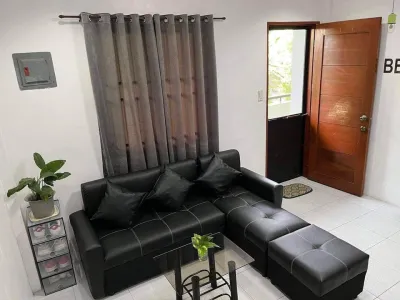
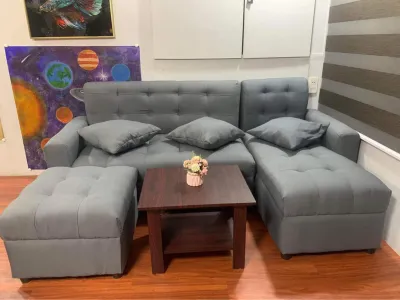
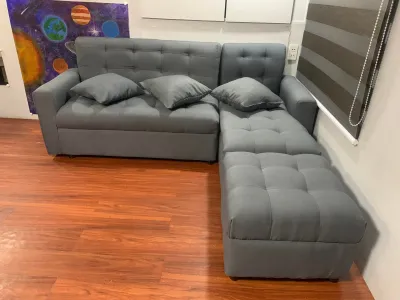

Prices are valid at publication and may change. Please refer to the product page for the latest price.
Start by measuring the length of the primary wall where the longest section of the sofa will rest. Next, measure the perpendicular space to determine how far the chaise or corner extension can project into the room without interfering with other furniture, such as TV consoles or dining tables. It is helpful to use blue painter’s tape or laid-out newspapers on the floor to physically outline the potential dimensions of the sofa, allowing you to visualize how much floor space will remain.
Traffic flow is a critical factor when planning your layout. You must ensure that there is a clear, unobstructed path to high-use areas such as the kitchen, bathroom, and balcony. If your condo has a sliding balcony door or outward-opening windows, measure the clearance needed to open them fully without striking the edge of the sofa. Additionally, check the location of wall outlets, light switches, and air conditioning units to ensure the sofa backrest does not block access or redirect airflow inefficiently.
Finally, do not limit your measurements to the living room itself. You must map out the entire delivery route from the building’s unloading zone to your unit’s entryway. Measure the height, width, and diagonal clearance of the service elevator doors and interior cabin. Take note of any tight turns in the corridors, low-hanging pipes in the parking levels, and the exact clearance of your main door frame. If a sofa cannot clear these entry points, even a perfectly sized living room layout will not matter.
Evaluating Uratex Configurations for Compact Layouts
When looking at Uratex configurations, you will generally choose between fixed corner sofas and modular or reversible chaise designs. A fixed L-shaped sofa has a permanent left- or right-facing orientation, which means you cannot alter its shape if you decide to rearrange your living room later. This option works well if you are entirely certain of your layout and want a seamless, highly stable piece of furniture.

For most small condos, however, a modular or reversible chaise configuration offers superior flexibility. These designs allow you to move the footstool or chaise section to either the left or right side of the main sofa frame. This adaptability is incredibly valuable if you move to a different unit or simply want to refresh your living room layout. Some modular sets even allow you to separate the pieces entirely, turning the chaise into an independent ottoman or extra seat when hosting guests.
To keep a small room feeling open and airy, pay close attention to the physical profile of the sofa. Deep seats are comfortable but consume valuable floor space; look for a moderate seat depth that provides comfort without extending too far into the room. Similarly, wide, bulky armrests can add unnecessary width to a sofa without increasing the actual seating area. Choosing a model with slim track arms or an armless design maximizes the usable seating space within a compact footprint.
Backrest height also plays a significant role in the visual weight of your furniture. A high-back sofa offers excellent head support but can act as a visual barrier, making a low-ceilinged condo feel smaller. A low-profile backrest keeps sightlines open across the room, allowing natural light from windows to penetrate deeper into the space. If you prefer the support of a taller backrest, consider a model with adjustable headrests that can be folded down when not in use.
Upholstery selection is another critical decision point, especially in a tropical climate with high humidity. Review the manufacturer’s care labels carefully to understand the maintenance requirements of different fabrics. While synthetic leather is easy to wipe clean, it can feel warm and sticky in humid weather if your unit is not constantly air-conditioned. Woven fabrics and canvas-like polyesters offer better breathability, but you should verify if they have been treated for stain resistance or if the cushion covers are removable and washable.
Verifying Specifications and Comfort Before Purchase
To ensure your selected sala set stands up to daily use, you must verify its structural specifications and comfort levels before finalizing your order. If possible, visit an authorized showroom to test the sofa in person. Sit on the cushions for several minutes to evaluate the foam density. High-density polyurethane foam, which is a hallmark of quality foam manufacturing, should feel supportive and quickly bounce back to its original shape when you stand up; if the cushion feels excessively soft or hollow, it may sag prematurely over time.
While testing the sofa, pay attention to the frame’s stability. Gently wiggle the armrests and backrest to check for any play or squeaking in the joints. A solid frame constructed from seasoned hardwood or engineered timber designed for furniture use will provide a stable foundation. If you are purchasing online and cannot visit a showroom, request detailed specification sheets from the retailer that outline the frame materials, joint construction methods, and the specific grade of foam used in the cushions.
Double-check the orientation terminology used by the manufacturer to avoid installation conflicts. In the furniture industry, orientation is typically described as “left-facing” or “right-facing” when looking directly at the sofa from the front. However, some guides or retailers might describe it from the perspective of someone sitting on the sofa. Always confirm this detail with the sales representative or refer to the official product diagram to ensure the chaise extension aligns perfectly with your planned layout.
Lastly, review the warranty terms and return policies offered by the authorized retailer or brand. A reliable manufacturer’s warranty should cover structural defects in the frame and premature sagging of the foam core for a specified period. Understand what actions might void the warranty, such as using unauthorized cleaning chemicals or attempting self-repairs. Clarify the return policy as well, specifically looking at who covers the shipping costs if the sofa arrives with a manufacturing defect or does not match the confirmed specifications.
Coordinating Delivery and Assembly for High-Rise Units
Receiving a large furniture delivery in a high-rise condominium requires careful coordination to avoid penalties, delays, or damage to the building property. Your first step should be contacting your condo administration office to secure the necessary permits. Most high-rise buildings require a formal move-in or delivery permit, which must be submitted several days in advance along with a copy of the delivery crew’s identification cards.
Inquire about the building’s specific delivery hours and elevator policies. Many condominiums restrict large deliveries to specific weekdays and hours to avoid disrupting residents during peak times. You will likely need to reserve the service elevator in advance so that the building staff can install protective wall padding. Failing to coordinate these details beforehand can result in the delivery crew being turned away at the gate, leading to costly redelivery fees.
When placing your order, clarify the exact assembly services provided by the retailer. Some sellers offer full in-unit assembly, where the delivery team carries the pieces inside, unpacks them, attaches the legs, and positions the sofa in your desired spot. Other retailers may only offer threshold delivery, meaning they will drop the boxed items off at your main door or lobby. If you must assemble the sofa yourself, ensure you have the necessary tools and a helper, as maneuvering heavy frames in tight spaces can be difficult and unsafe for one person.
Before the delivery team arrives, clear a wide path from your front door to the living room. Move any fragile decor, wall hangings, or small furniture pieces out of the way to prevent accidental damage. Once the sofa is inside your unit, plan to unbox it immediately in a designated open area. Inspect the upholstery, frame, and legs thoroughly for any transit damage before signing the delivery receipt, and keep the pathways clear so you can easily adjust the sofa’s final position.
Frequently Asked Questions (FAQ)
Can I change the chaise orientation of an L-shaped sofa after delivery?
Whether you can change the orientation depends entirely on the sofa’s design. If you purchase a fixed-frame L-shaped sofa, the chaise is permanently built into one side, and you cannot alter its position. However, if you select a modular or reversible chaise model, you can easily move the chaise cushion and its supporting ottoman base to either the left or right side to suit your changing layout needs.
What clearance should I leave around the sofa for walking space?
To maintain comfortable movement in a compact living room, aim for a minimum clearance of 60 centimeters between the edge of the sofa and other major furniture pieces or walls. If the sofa is placed near a high-traffic walkway or a doorway, increasing this clearance to 90 centimeters is ideal to prevent a cramped feeling and allow two people to pass each other easily.
How do I clean and maintain the upholstery in a humid climate?
To protect your upholstery from the effects of high humidity, vacuum the fabric weekly using an upholstery attachment to remove dust and allergens that can trap moisture. If spills occur, blot them immediately with a clean, dry cloth rather than rubbing, which can push the liquid deeper into the fibers. Always follow the manufacturer’s specific care tag instructions, and consider using a dehumidifier in your living room during the rainy season to keep the fabric fresh.
Community discussion
Share your experience or ask a question. Comments are reviewed before publication.